
Watching a parent grow older can bring many changes for the whole family. Someone who has always been independent may gradually begin to find everyday activities more difficult. These changes are not always dramatic. In many cases, they happen slowly, making it difficult for relatives to recognise when additional support may be needed.
An elderly parent might begin forgetting meals, struggling with household tasks, avoiding social activities, or finding personal care more challenging. At first, these changes may appear minor, but together they can indicate that living completely independently is becoming harder.
Professional home care support can provide practical assistance while allowing an older person to remain in familiar surroundings. Rather than immediately considering residential care, many families choose domiciliary or visiting care so their loved one can continue living safely and comfortably at home.
Vitality Care and Support Services provides person-centred care in Walsall, with support tailored around each individual’s preferences, routines and needs. Its approach focuses on helping people retain choice, control and independence in their everyday lives. 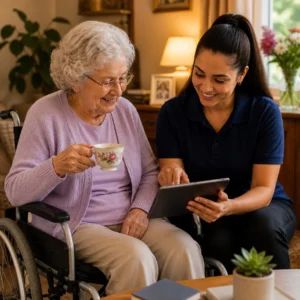
Understanding the early warning signs can help families start conversations about care before a crisis occurs. Here are ten important signs that your elderly parent may benefit from additional support at home.
1. Difficulty Managing Personal Hygiene
One of the most noticeable signs that an elderly parent may require home care is a change in their personal hygiene.
You may notice that your parent is bathing less frequently, wearing the same clothes for several days, forgetting to brush their teeth or struggling with grooming tasks that they previously managed independently.
There can be many reasons for this. Reduced mobility may make getting into a bath or shower difficult. Arthritis can make buttons, zips and other clothing fasteners challenging to manage. Poor balance may also make someone nervous about showering without assistance.
Some older people may avoid discussing these difficulties because personal care is private and they do not want to feel dependent on others.
A professional carer can provide sensitive support with activities such as washing, dressing, grooming and personal hygiene while respecting the individual’s dignity and preferences.
The aim is not to take control away from your parent, but to provide the level of assistance they need to continue their daily routine safely.
2. The Home Is Becoming Increasingly Untidy
Take a moment to notice whether there has been a significant change in your parent’s home environment.
A person who previously kept their home organised may suddenly have:
- Unwashed dishes accumulating
- Laundry left undone
- Bins that have not been emptied
- Food that has expired
- Unopened post
- Clutter in walkways
- Household tasks that remain unfinished
These changes do not necessarily mean that your parent has stopped caring about their home.
Simple household activities can become physically demanding with age. Vacuuming, carrying laundry, preparing meals or changing bedding may require more energy, strength and mobility than before.
Clutter can also become a safety concern because objects in walkways may increase the likelihood of trips and falls.
Home care can provide assistance with everyday activities so that your parent’s home remains comfortable and manageable without taking away their independence.
3. Changes in Eating Habits or Weight
Nutrition is particularly important as people get older, yet preparing balanced meals can become increasingly difficult.
Pay attention if your parent:
- Frequently skips meals
- Relies heavily on snacks
- Has very little fresh food at home
- Eats the same simple meals repeatedly
- Has unexplained weight loss
- Appears dehydrated
- Has difficulty shopping for groceries
There may be practical explanations.
Your parent may find standing in the kitchen uncomfortable, have difficulty carrying shopping bags or simply lack the energy to prepare meals each day.
Some people can also lose motivation to cook when they live alone.
A home care professional can support meal preparation, encourage regular food and fluid intake and help maintain routines around eating.
Where there are concerns about significant weight loss, swallowing difficulties or other health changes, medical advice should also be sought.
4. Forgetfulness Is Affecting Everyday Life
Occasionally forgetting where the keys are or missing an appointment can happen to anyone.
However, increasing forgetfulness that begins interfering with everyday activities should not be ignored.
You might notice your parent:
- Repeating the same questions
- Forgetting appointments regularly
- Leaving appliances switched on
- Losing important belongings
- Forgetting whether they have eaten
- Becoming confused about dates or routines
- Struggling to manage household responsibilities
Memory changes can have many causes, and they do not automatically mean someone has dementia.
However, noticeable or worsening changes should be discussed with a GP or appropriate healthcare professional.
Home care can provide helpful routine and reassurance for someone experiencing memory difficulties. Regular visits can support everyday activities, meals, appointments and social interaction.
Vitality Care and Support Services states that it supports people with a range of needs, including older adults and individuals living with dementia and Alzheimer’s.
5. Medication Is Becoming Difficult to Manage
Many older adults take several medications throughout the day. Managing different tablets, dosages and schedules can become confusing.
Possible warning signs include:
- Forgotten doses
- Medication being taken twice
- Tablets left unused
- Running out of prescriptions
- Confusion about which medication should be taken
- Medication being taken at inconsistent times
Medication errors can have serious consequences, particularly when several prescriptions are involved.
Good communication, accurate medication records and clear routines are important for reducing medication-related risks in a home-care environment.
Depending on an individual’s assessed needs and care plan, trained care professionals may provide appropriate medication-related support within their permitted responsibilities.
Families should also ensure that medication concerns are discussed with the appropriate healthcare professionals, such as the person’s GP or pharmacist.
6. Mobility Has Become More Difficult
Changes in mobility are another common reason families begin considering elderly care at home.
You may notice that your parent:
- Walks more slowly
- Struggles to stand from a chair
- Has difficulty using stairs
- Holds onto furniture while walking
- Avoids leaving the house
- Has experienced falls or near-falls
- Appears less confident when moving around
Fear of falling can sometimes cause older adults to reduce their activity even further.
This can create a cycle in which reduced movement leads to declining confidence and independence.
Home care can provide reassurance and appropriate assistance with daily routines and mobility. Depending on the person’s circumstances, carers may also support them when moving around the home or attending activities in the community.
If mobility changes are sudden or significant, professional healthcare assessment is important.
7. Your Parent Is Becoming Socially Isolated
Physical needs are only one part of healthy ageing.
Social connection and companionship are also extremely important.
An elderly parent who once enjoyed seeing friends, visiting family or participating in community activities may gradually begin spending most of their time alone.
Common signs of social isolation include:
- Frequently cancelling plans
- Losing interest in hobbies
- Rarely leaving home
- Speaking to fewer friends
- Appearing withdrawn
- Saying they feel lonely
- Showing less enthusiasm for everyday activities
Sometimes mobility difficulties, bereavement, reduced confidence or limited transport can contribute to isolation.
Regular home care visits can provide companionship as well as practical assistance. A carer may spend time talking with the individual, encourage hobbies or support appropriate community activities.
Vitality Care and Support Services highlights companionship and social activity as important parts of helping people maintain wellbeing and independence.
For many older adults, simply having regular meaningful interaction can make everyday life feel more connected.
8. Everyday Tasks Are Taking Much Longer
Ageing does not automatically mean losing independence.
However, everyday activities that were once simple may gradually require much more effort.
Your parent might struggle with:
- Preparing meals
- Getting dressed
- Shopping
- Cleaning
- Making the bed
- Attending appointments
- Organising paperwork
- Completing household routines
They may still be able to perform these activities, but doing so could leave them exhausted or place them at unnecessary risk.
Home care can be flexible.
Some people may only require a small amount of assistance with particular tasks, while others may benefit from more regular visits.
The level of support should reflect what the person can still comfortably do for themselves.
A good care plan should encourage independence rather than automatically doing everything on someone’s behalf.
9. There Are Noticeable Changes in Mood or Confidence
Emotional changes can also suggest that an older person is struggling.
Your parent may become:
- More anxious
- Easily frustrated
- Less confident
- Withdrawn
- Worried about being alone
- Reluctant to attempt everyday activities
Sometimes these changes occur after a fall, hospital stay, bereavement or deterioration in mobility.
An older person may become worried that something will happen when nobody is nearby.
Regular support can provide reassurance while helping someone gradually regain confidence in their daily routine.
However, persistent or significant changes in mood should not simply be assumed to be part of ageing. Encourage your parent to speak with their GP or another appropriate healthcare professional if you are concerned.
10. Family Caregivers Are Becoming Overwhelmed
Sometimes the clearest indication that professional help is needed comes from the family rather than the older person.
Family members often begin helping gradually.
You might initially collect groceries once a week. Later, you may start managing appointments, preparing meals, cleaning the house, organising medication and visiting every day.
Eventually, caring responsibilities may become difficult to balance with employment, children and personal commitments.
Signs that family caregiving is becoming unsustainable can include:
- Constant tiredness
- Difficulty balancing work and care
- Frequently cancelling personal plans
- Feeling unable to leave your parent alone
- Arguments between family members about responsibilities
- Worrying continually about your parent’s safety
Requesting professional home care does not mean that family support has failed.
Instead, professional carers can work alongside relatives to provide a more sustainable arrangement.
This can allow family members to spend meaningful time together without every visit becoming focused on practical care responsibilities.
Why Many Families Choose Home Care
One of the greatest advantages of home care is familiarity.
For many people, their home contains decades of memories, routines and connections to their local community.
Moving elsewhere can therefore be a significant change.
Home care allows a person to receive assistance without unnecessarily giving up their familiar environment.
Depending on individual needs, care may support areas such as personal care, meal preparation, mobility, companionship and everyday household routines. Vitality Care and Support Services describes its approach as tailored, person-centred support intended to enable people to continue living independently in their own homes and communities.
Another advantage is flexibility.
Care needs are rarely identical from one person to another.
One individual may need help getting ready in the morning, while another may primarily require companionship or support preparing meals.
The right care arrangement should therefore begin with understanding the individual rather than applying the same routine to everybody.
How to Talk to Your Parent About Home Care
Discussing care with an elderly parent can sometimes be difficult.
They may worry that accepting support means losing independence or that decisions are being made without them.
The conversation can be easier when it focuses on what they want to continue doing.
Instead of saying, “You cannot manage anymore,” consider discussing specific situations:
“You mentioned that preparing dinner has become tiring. Would some help a few evenings each week make things easier?”
This changes the conversation from taking independence away to helping preserve it.
Ask your parent what they find difficult, what they would like help with and what they would prefer to continue doing themselves.
Whenever possible, involve them directly when choosing a care provider and creating their care plan.
Vitality Care and Support Services describes its approach as “no decision without me”, with clients actively involved in decisions about their own care.
That principle can be useful for any family discussing home care.
When Should You Arrange a Care Assessment?
You do not necessarily need to wait until your parent requires extensive support.
An assessment can be helpful when you first begin noticing changes.
A care assessment can explore:
- Daily routines
- Personal care needs
- Mobility
- Medication requirements
- Nutrition
- Social activities
- Communication preferences
- Safety within the home
- Existing family support
- Areas where additional assistance would be beneficial
Vitality Care and Support Services offers assessments to discuss a person’s requirements and expectations before a care plan is prepared. Its care plans can incorporate preferences, routines, medication needs and the way an individual wishes to be supported.
Starting the conversation early gives families more time to compare options and make thoughtful decisions rather than arranging care during an emergency.
Choosing the Right Home Care Provider
Selecting a home care provider is an important decision.
Families should look beyond availability and consider whether the provider’s approach matches the individual’s needs and preferences.
Questions worth asking include:
- How will the care plan be created?
- Will my parent be involved in care decisions?
- How are carers recruited and trained?
- What happens if care needs change?
- How does the provider communicate with family members?
- What support can be provided?
- How is care quality monitored?
- Can the service accommodate the person’s routines and preferences?
A good provider should be willing to explain its processes clearly and answer questions before care begins.
Most importantly, your parent should feel respected and comfortable with the arrangement.
Supporting Independence Rather Than Replacing It
One misconception about elderly home care is that carers arrive and begin doing everything for the person.
Person-centred care should work differently.
Where appropriate, support should help people continue participating in their own routines.
For example, an older person who finds preparing an entire meal difficult might still choose ingredients and participate in simpler preparation tasks.
Someone who needs assistance getting dressed can still choose what they want to wear.
Maintaining these everyday choices can support confidence, identity and independence.
Home care should therefore be viewed as an enabling service rather than simply a list of tasks.
The objective is to provide the right amount of assistance while preserving as much independence as reasonably possible.
Early Support Can Make a Significant Difference
Families sometimes postpone arranging care because their parent is “still managing.”
However, care does not have to begin only after someone becomes unable to cope.
A small amount of timely support may help prevent everyday difficulties from becoming overwhelming.
Regular assistance may help maintain routines, improve confidence, reduce isolation and provide reassurance to family members.
Care requirements may also change over time, so the care plan should be reviewed and adjusted when circumstances change.
The most effective arrangement is one that reflects what the person needs today while remaining flexible enough to adapt in the future.
Final Thoughts
Recognising that an elderly parent may need additional help can be emotional, but requiring support does not necessarily mean giving up independence.
Changes in personal hygiene, nutrition, medication routines, mobility, household management, memory or social interaction can all indicate that some additional assistance may be beneficial.
Professional home care for elderly parents can provide that support while helping people continue living in familiar surroundings.
If you have noticed several of these signs, consider having an open conversation with your parent about what they find difficult and what type of assistance would make everyday life easier.
For families in Walsall, Vitality Care and Support Services provides person-centred home care designed around individual needs, preferences and routines. The organisation offers an initial assessment to understand care requirements and help establish an appropriate care plan.
The important thing is to involve your loved one throughout the process. The right support should help them feel safer, more confident and more in control of the way they live.
Frequently Asked Questions (FAQ)
How do I know if my elderly parent needs home care? Common signs include difficulty with personal hygiene, missed meals, medication confusion, reduced mobility, an untidy home, social withdrawal, memory changes and increasing dependence on family members.
What is home care for elderly people? Home care provides professional support within a person’s own home. Depending on individual needs, this may include personal care, meal preparation, companionship, mobility assistance and support with everyday routines.
Can home care help my parent remain independent? Yes. Person-centred home care is intended to provide assistance where needed while allowing the person to maintain their routines, choices and independence wherever possible.
When should we start considering home care? It can be helpful to explore care options as soon as everyday tasks begin becoming consistently difficult. Families do not need to wait for an emergency before requesting an assessment.
How do I introduce the idea of home care to my parent? Focus on the tasks they find difficult and explain how a little assistance could help them continue living independently. Involve them in every decision rather than presenting care as something that has already been decided.
Does accepting home care mean someone needs full-time assistance? No. Care can often be tailored according to individual circumstances. Some people need support with only specific tasks, while others require more regular assistance.
What should I look for in a home care provider? Look for a provider that prioritises dignity, safety, communication and person-centred planning. Ask about assessments, staff training, care reviews, family communication and how individual preferences are incorporated into care.