
Domiciliary Care Service in Walsall: Compassionate Support in the Comfort of Your Home
Home Care Ideas for Elderly: Engaging Activities for Care Homes
Creative and Engaging Home Care Activity Ideas for Enriching the Lives of Elderly Loved Ones
Finding the right home care activity ideas for elderly or loved ones can sometimes feel like a puzzle. You want to enrich their days, keep them active, and ensure they’re socialising, but it’s not always easy to know where to start.
This common challenge is faced by many who seek ways to improve the wellbeing of older people in care homes or receiving home care services.
Did you know engaging activities have been shown to boost both mental health and physical health in elderly individuals? This article will guide you through various activity ideas that are perfect at home and care home activity ideas for elderly care home residents.
From gentle, exercise classes and creative pursuits to stimulating group activities and outdoor fun, we’ll help you organise meaningful events that cater to all interests and abilities. Let’s bring joy into their lives!
What are the Best Home Care Ideas for Elderly People?
Creative pursuits for the elderly enhance mental wellness and give a sense of purpose. From sketching to horticulture, they permit residents to unearth new skills and pastimes or revisit old ones.
Such pursuits are pivotal in care homes as they aid in maintaining intellectual capabilities and emotional wellness. Injecting joy into daily life is critical for everyone’s contentment, especially for those coping with dementia.
Gentle workouts and active undertakings also bear significant importance. They augment mobility, lessen stress levels, and foster communal interaction among residents. Instances comprise guided tranquillity sessions in the garden or basic chair yoga sessions that all can appreciate irrespective of their fitness scale. Additionally, using essential oils can enhance relaxation and create a soothing atmosphere during activities like spa days.
These are not solely pleasurable but also crucial in endorsing physical well-being.
Interactive communal activities like literary clubs or trivia evenings unite individuals, forming a community within the care home. These congregations invigorate discussions, improve wellbeing, and fortify bonds between residents and care worker, helping them feel more related and less secluded. A vigorous mind dwells in an energetic body; participating in physical activities can substantially uplift one’s life quality. Now we’re moving on to discuss planning significant activities in care homes.

Creative Activities for the Elderly
Offering creative activities to the elderly in care homes plays a pivotal role in stimulating their minds and fostering social interaction. Engaging residents in painting, crafting, or simple gardening projects allows them to express themselves, significantly enhancing their mental wellbeing.
Beyond providing a sense of accomplishment, these activities also boost mood and limit stress levels. Through craft activities, residents find joy in personalising their living spaces or crafting gifts for family members, amplifying their sense of self esteem, value and connection with others. Incorporating essential oils into these activities can further enhance the sensory experience and create a calming atmosphere.
Encouraging your elderly loved ones to spend time and partake in creative pursuits is an effective strategy to help them retain hobbies and interests they may have presumed were out of reach. Launching a group project like a communal quilt or mural encourages teamwork and provides everyone an opportunity to contribute, making each individual feel appreciated.
Such significant activity within care homes build community ties and present an ideal platform for residents to socialise, aiding those even with dementia to interact positively with their surroundings.
Exercise Classes and Physical Activities
Moderate physical activities and exercises are integral in maintaining both the physical and mental well-being of individuals in care homes. These activities go beyond the realm of fitness; they also promote social engagement, crucial for emotional wellbeing.
Activities like chair yoga, supervised strolls, and light gardening tasks serve as excellent opportunities for not only staying active but also experiencing the outdoors. These activities relieve chronic pain and reduce stress further, further sleep quality improve mood, and promote mobility amongst older adults and individuals living with dementia or other conditions.
Bringing in entertaining yet simple garden games can make physical activities more appealing. Games such as Skittles, soft ball games or even a straightforward catch game can spur laughter and joy among the participants.
Making these activities a consistent part of the routine ensures that all residents have the chance to participate when they feel ready, turning every day into a more joyful and anticipatory one for the next fun activity.
Shifting from individual fitness routines, we can now focus on interactive social activities, which further enhance the social aspect of life within the care home setting.
Engaging Social Activities for Mental Wellbeing
Organising social activities in care homes brings residents together, fostering a sense of community and belonging. Quiz nights are an excellent method to stimulate minds and encourage teamwork among the elderly.
They provide amusement, laughter, and a chance for everyone to make new connections and share knowledge across various topics. Regularly hosting these quiz events can significantly uplift the living experience within the home, making it more lively and inclusive.
Setting up a book club also presents enormous advantages by motivating residents to enjoy reading and sharing their thoughts with peers. This activity stimulates mental engagement as well as supports emotional well-being through shared stories and experiences.
Book clubs ensure a consistent schedule of enjoyment and anticipation for upcoming sessions, uniting people over a shared interest in interests in literature and addressing those who appreciate intellectual stimulation alongside meaningful social interaction.

How to Plan Meaningful Activities in Care Homes to encourage residents?
Planning meaningful activities in care homes is crucial for the residents’ well-being. It helps them stay engaged, maintain their mental and physical health, and feel part of a community. The local council can assist with care needs assessments and potential funding for care services, ensuring that residents receive the support they need. Here’s how you can ensure the activities you plan are both enjoyable and beneficial:
Start with an activity planner to keep track of all planned activities within the care home. This tool lets you organise daily, weekly, and monthly schedules efficiently.
Make sure to include a wide range of activities that cater to different interests and abilities. From jigsaw puzzles to gentle garden exercises, variety keeps everyone interested.
Incorporate fun activities that bring laughter and joy. Magic shows, film nights, or even pet therapy sessions can be great options.
Plan group activities that encourage social interaction among residents. This could be anything from group art projects to singing sessions or board games.
Consider personal preferences by getting to know the residents better. Personalised care means acknowledging their likes and dislikes.
Address mobility and dementia considerations by adapting activities accordingly. Chair yoga or guided meditation might be ideal for those with limited mobility.
Encourage participation by motivating residents positively. Highlight the added benefit of reduced stress or the opportunity to make a new friend.
Foster a sense of achievement through small competitions or showcasing finished crafts in communal areas.
Involve family members in some activities when possible; it strengthens connections and boosts morale.
Through thoughtful planning and a diverse programme, you pave the way for meaningful engagement in your family member or care home setting.
Let’s explore what activity ideas can specifically help stimulate elderly minds next.
Using an Activity Planner
An activity planner is a great tool for organising meaningful activities in care homes. It helps staff schedule enjoyable activities that cater to the interests and needs of the residents.
With an activity planner, you can ensure a variety of creative, physical, and social activities are available throughout each day trips the week. This method supports health and social care by keeping everyone informed about what’s happening and when.
By using an activity planner, you encourage them to take part in planned events. It also allows care home staff to prepare for any necessary adjustments or support needed for people with dementia or mobility considerations.
The key is to make every resident feel included and capable of participating in the fun activities designed to help maintain their well-being.
Incorporating Fun Activities
Activities in care homes can be both entertaining and engaging. Such activities bring joy and a great sense of usefulness to the residents. It’s common knowledge that your loved ones find pleasure in playing card games, an excellent method to alleviate stress and stimulate mental acuity.
Consider setting up routine card game afternoons where everyone congregates for a sociable game of bridge or rummy. This approach encourages social interaction whilst sharpening cognitive skills.
Fun-filled activity programmes including music and dance classes or exercise classes can elevate moods too. By making music, organising garden parties or mild exercise sessions outdoors, residents are able to get some fresh air and physical activity.
These events provide a fantastic platform for them to appreciate the outdoors and interact with others in a laid-back environment. By making these activities a standard element of the daily schedule, people dwelling in care homes have thrilling events to anticipate, thereby improving their overall well-being.
Organising Group Activities
Organising group activities in care homes brings residents together and helps them feel part of a community. You need to select activities that match the interests and abilities of the elderly people you’re supporting.
It’s important for older people to engage in meaningful activity that boosts their mood and keeps their mind active. Try setting up a schedule with a variety of options so everyone finds something enjoyable.
From garden games that are great ways to get fresh air, to book clubs where residents discuss what they’ve read, these shared experiences can significantly reduce stress and improve well-being.
Making sure every resident gets involved is also key. Tailor activities for those with limited mobility or dementia by modifying games, music therapy or storytelling sessions so everyone can participate.
Encourage staff to join in, showing residents it’s an enjoyable activity for all age groups. Seeing carers engaged sets a wonderful example and a wonderful way helps motivate residents to take part too.
Keep your list of care home activities flexible, allowing room for new ideas from both staff and residents, ensuring everyone feels useful and valued within the community.

What Activity Ideas Can Help Stimulate Elderly Mental health ?
Board games and puzzles act as superb tools for keeping the residents’ minds agile. Such tasks endorse critical thought and bolster memory. Offering a diverse range of board games during group engagements provides those residing in care homes the opportunity to relish in communal interaction whilst exercising their minds.
Puzzles – whether they be word searches, crosswords, or jigsaw puzzles, contribute to maintaining cognitive functionality.
Establishing a book club can prompt intellectually stimulating discussions amongst occupants. It grants them the opportunity to traverse varying realms via narratives and express their understanding and emotions to their peers.
This task not only fortifies cognitive capabilities but also nurtures a strong sense of unity within the personal care and home environment. Artistic endeavours such as painting or crafting inspire self-expression and uplift mood, marking their importance for personal care.
Participating in such artistic ventures aids residents in feeling accomplished and provides a platform for creativity and imagination lead to great activity that is both therapeutic and pleasurable.
Benefits of Board Games and Puzzles
Engaging in board games and puzzles have proven to be excellent tactics for keeping the minds of the elderly active. They facilitate the daily tasks of residents in care homes to stimulate their brains, offering an enjoyable yet demanding means of enhancing cognitive function.
Puzzles, for example, demand concentration and problem-solving abilities, which can help to sustain mental flexibility. Participating in board games also supports memory preservation by obliging players to recall rules and strategies.
Integrating these activities into daily schedules serves as a fantastic method for care home staff to inspire interaction among residents. It motivates them to cooperate or participate in friendly competitions, building social ties that are essential for emotional well-being.
In addition, these games impart a feeling of accomplishment when puzzles are solved or games are victorious, aiding residents to feel valued and important in their community. This improvement in morale is vital for overall health as it battles feelings of loneliness often faced by people living in care homes.
Creating a Book Club for Residents
Starting a book club for residents is a fantastic way to bring people together. It offers an excellent chance for residents to engage, share opinions, and enjoy stories. You can select books that cater to their interests and encourage lively discussions.
This encourages social interaction, which is crucial in maintaining mental agility and emotional health.
Invite members to take turns picking the books. This approach ensures variety and keeps the group’s interest high. Meetings can be as formal or informal as suits your group, perhaps over tea in the common room or outside when the weather allows—a great activity for getting fresh air while connecting over shared interests.
This also promotes inclusivity, making everyone feel part of something special and valued for their contributions.
Engaging in Creative Activities
Creative activities offer a fantastic way for care home residents to express themselves. Painting, crafting, and knitting help residents feel useful and valued. These activities can boost their mood and improve cognitive skills.
It’s important for older people to engage in person-centred activities that spark joy and creativity.
Encouraging participation in creative projects also promotes social interaction among residents. They share ideas, support each other’s work, and celebrate accomplishments together.
This sense of community is vital for their mental wellbeing too. Now, let them exercise regularly here’s look at how gentle exercise can benefit elderly residents in care homes.

How Can Care Home Staff Encourage Participation in Activities?
Encouraging care home residents to participate in activities is vital for their well-being. It helps to maintain their physical and mental health and ensures a vibrant community atmosphere. Here’s how care home staff can motivate residents to engage in the available activities at day centre, making sure that everyone feels included and excited to take part.
Present a variety of activities: Offering a wide range of options caters to different interests. Whether it’s gardening, painting, or board games, having diverse activities ensures there’s something for every resident.
Get to know the residents: Understanding each person’s likes, dislikes, and personal history allows staff to tailor suggestions that might pique their interest.
Create an inclusive activity programme: Design programmes that accommodate all levels of mobility and cognitive ability. This approach makes sure no one feels left out because of physical limitations or dementia.
Use positive encouragement: Gentle persuasion can go a long way. Highlighting the fun aspects of an activity or its benefits can motivate residents to join in.
Organise group sessions: Group settings provide social motivation. Residents are more likely to participate when they see others joining in and enjoying themselves.
Schedule regular feedback sessions: Ask residents what activities they enjoy and would like to see more of. Their input can guide future planning and make them feel valued.
Offer assistance when needed: Some may need help getting to the activity area or understanding the rules of a game. Staff should always be ready to assist while encouraging independence as much as possible.
Celebrate participation: Acknowledge those who take part in activities, even if it’s just with a simple thank you or by sharing photos of them engaging in an activity (with their permission). Recognition encourages continued participation.
Adjust activities based on feedback: If certain activities aren’t drawing interest, consider modifying them or trying something new based on residents’ suggestions.
Involve family members: Encourage families to participate in events with their loved ones when they visit—their involvement can further motivate residents.
Create a friendly competition atmosphere: Some light-hearted competition, such as bingo nights with small prizes, can add excitement and encourage participation.
Highlight health benefits: Gently informing residents about how certain activities can boost their health may encourage them to try something new.
Implementing many benefits these strategies requires patience and dedication but ultimately enhances the quality of life for care home residents by ensuring they have access to engaging and beneficial activities daily.
Motivating Residents to Take Part
Motivating residents to get involved in activities can sometimes seem challenging, but it’s crucial for their well-being. A great way to get everyone excited is by offering choices that cater to their interests and needs.
See what activities bring a sparkle to their eyes. Is it garden games that offer them a fun way to get fresh air or perhaps the gentle exercise classes that help maintain their strength? Offering variety ensures that residents feel they are part of the decision-making, making participation more appealing.
Creating an inclusive activity programme plays a significant role as well. Ensure every resident finds something relatable, from board games and puzzles that help stimulate elderly minds, to creative activities like painting or other arts and crafts, which allow personal expression.
Activities coordinators should consider the care needed for each individual in old age, their family history especially care home residents with dementia, ensuring these activities are accessible and enjoyable for all.
Through thoughtful planning and a focus on inclusivity, you’re good to go in fostering a vibrant community where everyone feels encouraged to take part.
Creating an Inclusive Activity Programme
Creating an inclusive care home activity programme requires understanding everyone’s needs in the care home. You want activities that cater to various interests and capabilities. This means planning activities for residents with different mobility levels and cognitive abilities.
For those with limited mobility, chair exercises or tabletop games ensure them feeling confident they too can join in group activity. Activities like gardening or gentle walks are great for people who can move around more freely.
Every resident deserves to feel included and engaged.
Incorporating a fun activity into the daily routine boosts morale and keeps everyone’s spirits high. Group activities encourage social interaction among residents, helping to maintain their social skills and reduce feelings of isolation.
By considering these aspects when planning activities, you create a welcoming environment where all residents have the chance to participate in something they enjoy.
Addressing Mobility and Dementia Considerations
After devising a comprehensive activity programme, it’s also necessary to consider the mobility and dementia needs of the residents. Adapting activities to these requirements ensures universal participation and advantage.
For those with restricted mobility, it might be worth planning activities that are easily accessible in the cosy confines of their rooms or communal zones within an easy stroll. The range could span from seated exercises to board games, promoting socialisation without the need for extensive movement.
Dealing with dementia, residents could greatly benefit from engaging activities specifically adapted for cognitive and mental stimulation. Mental agility can be maintained with the aid of puzzles and board games, while activities centred on memory, such as reminiscing with family member about past times or listening to familiar melodies live music, can ignite happiness and bonding.
Every activity should strive to increase both physical health and mental positivity, making certain assistance is always available for those who require it during these sessions.

What are Some Outdoor Activities for Elderly in Care Homes?
Planning outdoor activities in care homes boosts both physical health and mental well-being for residents. Garden games, such as bowls or horseshoes, provide gentle exercise and encourage social interaction among elderly individuals.
These activities are vital to encourage residents maintaining an active lifestyle outside the home. Staff can easily organise these events with minimal equipment needed.
Gentle walks around the local garden centre or local park also serve as a great way to get people moving and enjoying nature. Activities available like bird watching or gardening help to maintain cognitive functions while fostering a connection with the environment.
Offering these types of outdoor engagements helps residents to feel included and valued, significantly enhancing their quality of life in the care home setting.
Organising Garden Games and Activities
Garden games and activities for the elderly play a crucial role in enhancing their quality of life. These can be easily organised in care homes, presenting a refreshing method to savour the outdoors while stimulating both body and mind.
Think of straightforward games like bowls or croquet, which provide a boost to physical activity and foster social interaction among residents. Establishing bird feeders and forming gardening clubs in local area are also efficient ways to bring nature closer, providing tranquillity and relaxation.
Engaging in outdoor activities helps stimulate both the mind and body, creating a sense of community among care home residents.
Making these activities a part of your planning process is critical. They provide variety and entertainment that disrupt the standard daily routine. It’s all about identifying enjoyable activities in which everyone can participate, regardless of their mobility or cognitive abilities.
Be mindful of inclusivity and adaptability to cater to the diverse needs residents interests of all residents when you plan these activities.
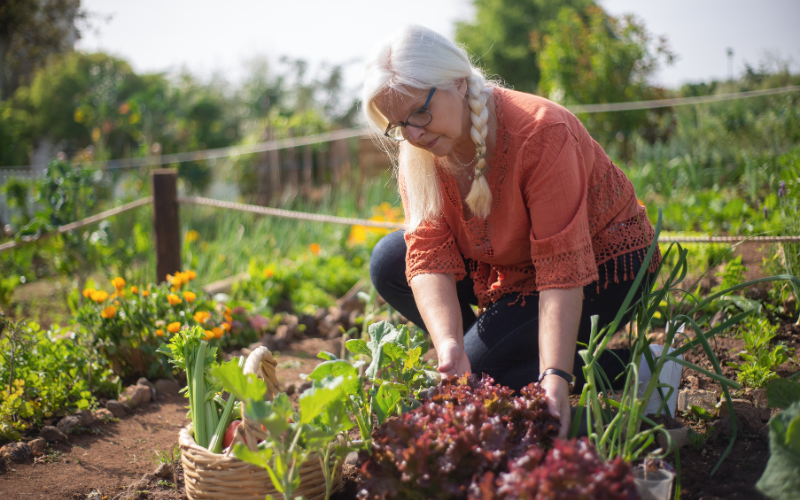
Benefits of Gentle Exercise in the Garden
Gentle exercise in the garden offers multiple health and physical benefits for residents, promoting their physical well-being in a calming surrounding. Activities such as walking, light gardening, or even mellow stretching can noticeably ameliorate mobility and flexibility.
This format of many forms of exercise also provides access to fresh air and vitamin D from sunlight, which is critical for bone health. More so, participating in these activities assists the immune system in reducing stress levels and heart disease and promotes relaxation for elderly individuals.
Including such gentle exercises into the daily routine of care home residents aids their physical health and boosts mental well-being. It offers a chance for social interaction when performed in small groups together, nurturing a sense of community and belonging.
Furthermore, being encircled by nature has been demonstrated to possess therapeutic impacts on individuals, assisting them in feeling more connected and tranquil. As we proceed, we’ll study how arranging group activities can advance the resident’s experience in care homes.
Conclusion
Discovering suitable activities for elderly residents in care homes can significantly elevate their standard of living. The suggestions, ranging from artistic to physical and social activities, are straightforward to implement and fruitful.
They guarantee there is something fun for everyone, which is essential for maintaining mental and physical health. If you need additional inspiration or support, Vitality Home Care Agency provides a variety of services adapted to your personal identity and satisfy unique requirements.
Use these activities as a foundation for building a more stimulating and rewarding atmosphere for all residents.
Check Our Latest Blog Posts
10 Early Signs Your Elderly Parent May Need Home Care Support
UTI in the Elderly: How to Spot It Early and How Home Care Helps
Vitamin B12 Foods for Older Adults: What to Eat and How Home Care Helps
Dental & Oral Care for the Elderly: Tips & Routines
Exercises for Arthritic Hands with Home Care
Memory Games for Seniors with Home Care Support
What Is Sundowning Dementia? Why People With Dementia Become More Agitated at Night
How Home Care Helps Reduce Loneliness After Bereavement
Hearing Aids for Elderly People: How Home Care Helps Day to Day
Home Care Ideas for Elderly: Engaging Activities for Care Homes
Creative and Engaging Home Care Activity Ideas for Enriching the Lives of Elderly Loved Ones
Finding the right home care activity ideas for elderly or loved ones can sometimes feel like a puzzle. You want to enrich their days, keep them active, and ensure they’re socialising, but it’s not always easy to know where to start.
This common challenge is faced by many who seek ways to improve the wellbeing of older people in care homes or receiving home care services.
Did you know engaging activities have been shown to boost both mental health and physical health in elderly individuals? This article will guide you through various activity ideas that are perfect at home and care home activity ideas for elderly care home residents.
From gentle, exercise classes and creative pursuits to stimulating group activities and outdoor fun, we’ll help you organise meaningful events that cater to all interests and abilities. Let’s bring joy into their lives!
What are the Best Home Care Ideas for Elderly People?
Creative pursuits for the elderly enhance mental wellness and give a sense of purpose. From sketching to horticulture, they permit residents to unearth new skills and pastimes or revisit old ones.
Such pursuits are pivotal in care homes as they aid in maintaining intellectual capabilities and emotional wellness. Injecting joy into daily life is critical for everyone’s contentment, especially for those coping with dementia.
Gentle workouts and active undertakings also bear significant importance. They augment mobility, lessen stress levels, and foster communal interaction among residents. Instances comprise guided tranquillity sessions in the garden or basic chair yoga sessions that all can appreciate irrespective of their fitness scale. Additionally, using essential oils can enhance relaxation and create a soothing atmosphere during activities like spa days.
These are not solely pleasurable but also crucial in endorsing physical well-being.
Interactive communal activities like literary clubs or trivia evenings unite individuals, forming a community within the care home. These congregations invigorate discussions, improve wellbeing, and fortify bonds between residents and care worker, helping them feel more related and less secluded. A vigorous mind dwells in an energetic body; participating in physical activities can substantially uplift one’s life quality. Now we’re moving on to discuss planning significant activities in care homes.
Creative Activities for the Elderly
Offering creative activities to the elderly in care homes plays a pivotal role in stimulating their minds and fostering social interaction. Engaging residents in painting, crafting, or simple gardening projects allows them to express themselves, significantly enhancing their mental wellbeing.
Beyond providing a sense of accomplishment, these activities also boost mood and limit stress levels. Through craft activities, residents find joy in personalising their living spaces or crafting gifts for family members, amplifying their sense of self esteem, value and connection with others. Incorporating essential oils into these activities can further enhance the sensory experience and create a calming atmosphere.
Encouraging your elderly loved ones to spend time and partake in creative pursuits is an effective strategy to help them retain hobbies and interests they may have presumed were out of reach. Launching a group project like a communal quilt or mural encourages teamwork and provides everyone an opportunity to contribute, making each individual feel appreciated.
Such significant activity within care homes build community ties and present an ideal platform for residents to socialise, aiding those even with dementia to interact positively with their surroundings.
Exercise Classes and Physical Activities
Moderate physical activities and exercises are integral in maintaining both the physical and mental well-being of individuals in care homes. These activities go beyond the realm of fitness; they also promote social engagement, crucial for emotional wellbeing.
Activities like chair yoga, supervised strolls, and light gardening tasks serve as excellent opportunities for not only staying active but also experiencing the outdoors. These activities relieve chronic pain and reduce stress further, further sleep quality improve mood, and promote mobility amongst older adults and individuals living with dementia or other conditions.
Bringing in entertaining yet simple garden games can make physical activities more appealing. Games such as Skittles, soft ball games or even a straightforward catch game can spur laughter and joy among the participants.
Making these activities a consistent part of the routine ensures that all residents have the chance to participate when they feel ready, turning every day into a more joyful and anticipatory one for the next fun activity.
Shifting from individual fitness routines, we can now focus on interactive social activities, which further enhance the social aspect of life within the care home setting.
Engaging Social Activities for Mental Wellbeing
Organising social activities in care homes brings residents together, fostering a sense of community and belonging. Quiz nights are an excellent method to stimulate minds and encourage teamwork among the elderly.
They provide amusement, laughter, and a chance for everyone to make new connections and share knowledge across various topics. Regularly hosting these quiz events can significantly uplift the living experience within the home, making it more lively and inclusive.
Setting up a book club also presents enormous advantages by motivating residents to enjoy reading and sharing their thoughts with peers. This activity stimulates mental engagement as well as supports emotional well-being through shared stories and experiences.
Book clubs ensure a consistent schedule of enjoyment and anticipation for upcoming sessions, uniting people over a shared interest in interests in literature and addressing those who appreciate intellectual stimulation alongside meaningful social interaction.
How to Plan Meaningful Activities in Care Homes to encourage residents?
Planning meaningful activities in care homes is crucial for the residents’ well-being. It helps them stay engaged, maintain their mental and physical health, and feel part of a community. The local council can assist with care needs assessments and potential funding for care services, ensuring that residents receive the support they need. Here’s how you can ensure the activities you plan are both enjoyable and beneficial:
Start with an activity planner to keep track of all planned activities within the care home. This tool lets you organise daily, weekly, and monthly schedules efficiently.
Make sure to include a wide range of activities that cater to different interests and abilities. From jigsaw puzzles to gentle garden exercises, variety keeps everyone interested.
Incorporate fun activities that bring laughter and joy. Magic shows, film nights, or even pet therapy sessions can be great options.
Plan group activities that encourage social interaction among residents. This could be anything from group art projects to singing sessions or board games.
Consider personal preferences by getting to know the residents better. Personalised care means acknowledging their likes and dislikes.
Address mobility and dementia considerations by adapting activities accordingly. Chair yoga or guided meditation might be ideal for those with limited mobility.
Encourage participation by motivating residents positively. Highlight the added benefit of reduced stress or the opportunity to make a new friend.
Foster a sense of achievement through small competitions or showcasing finished crafts in communal areas.
Involve family members in some activities when possible; it strengthens connections and boosts morale.
Through thoughtful planning and a diverse programme, you pave the way for meaningful engagement in your family member or care home setting.
Let’s explore what activity ideas can specifically help stimulate elderly minds next.
Using an Activity Planner
An activity planner is a great tool for organising meaningful activities in care homes. It helps staff schedule enjoyable activities that cater to the interests and needs of the residents.
With an activity planner, you can ensure a variety of creative, physical, and social activities are available throughout each day trips the week. This method supports health and social care by keeping everyone informed about what’s happening and when.
By using an activity planner, you encourage them to take part in planned events. It also allows care home staff to prepare for any necessary adjustments or support needed for people with dementia or mobility considerations.
The key is to make every resident feel included and capable of participating in the fun activities designed to help maintain their well-being.
Incorporating Fun Activities
Activities in care homes can be both entertaining and engaging. Such activities bring joy and a great sense of usefulness to the residents. It’s common knowledge that your loved ones find pleasure in playing card games, an excellent method to alleviate stress and stimulate mental acuity.
Consider setting up routine card game afternoons where everyone congregates for a sociable game of bridge or rummy. This approach encourages social interaction whilst sharpening cognitive skills.
Fun-filled activity programmes including music and dance classes or exercise classes can elevate moods too. By making music, organising garden parties or mild exercise sessions outdoors, residents are able to get some fresh air and physical activity.
These events provide a fantastic platform for them to appreciate the outdoors and interact with others in a laid-back environment. By making these activities a standard element of the daily schedule, people dwelling in care homes have thrilling events to anticipate, thereby improving their overall well-being.
Organising Group Activities
Organising group activities in care homes brings residents together and helps them feel part of a community. You need to select activities that match the interests and abilities of the elderly people you’re supporting.
It’s important for older people to engage in meaningful activity that boosts their mood and keeps their mind active. Try setting up a schedule with a variety of options so everyone finds something enjoyable.
From garden games that are great ways to get fresh air, to book clubs where residents discuss what they’ve read, these shared experiences can significantly reduce stress and improve well-being.
Making sure every resident gets involved is also key. Tailor activities for those with limited mobility or dementia by modifying games, music therapy or storytelling sessions so everyone can participate.
Encourage staff to join in, showing residents it’s an enjoyable activity for all age groups. Seeing carers engaged sets a wonderful example and a wonderful way helps motivate residents to take part too.
Keep your list of care home activities flexible, allowing room for new ideas from both staff and residents, ensuring everyone feels useful and valued within the community.
What Activity Ideas Can Help Stimulate Elderly Mental health ?
Board games and puzzles act as superb tools for keeping the residents’ minds agile. Such tasks endorse critical thought and bolster memory. Offering a diverse range of board games during group engagements provides those residing in care homes the opportunity to relish in communal interaction whilst exercising their minds.
Puzzles – whether they be word searches, crosswords, or jigsaw puzzles, contribute to maintaining cognitive functionality.
Establishing a book club can prompt intellectually stimulating discussions amongst occupants. It grants them the opportunity to traverse varying realms via narratives and express their understanding and emotions to their peers.
This task not only fortifies cognitive capabilities but also nurtures a strong sense of unity within the personal care and home environment. Artistic endeavours such as painting or crafting inspire self-expression and uplift mood, marking their importance for personal care.
Participating in such artistic ventures aids residents in feeling accomplished and provides a platform for creativity and imagination lead to great activity that is both therapeutic and pleasurable.
Benefits of Board Games and Puzzles
Engaging in board games and puzzles have proven to be excellent tactics for keeping the minds of the elderly active. They facilitate the daily tasks of residents in care homes to stimulate their brains, offering an enjoyable yet demanding means of enhancing cognitive function.
Puzzles, for example, demand concentration and problem-solving abilities, which can help to sustain mental flexibility. Participating in board games also supports memory preservation by obliging players to recall rules and strategies.
Integrating these activities into daily schedules serves as a fantastic method for care home staff to inspire interaction among residents. It motivates them to cooperate or participate in friendly competitions, building social ties that are essential for emotional well-being.
In addition, these games impart a feeling of accomplishment when puzzles are solved or games are victorious, aiding residents to feel valued and important in their community. This improvement in morale is vital for overall health as it battles feelings of loneliness often faced by people living in care homes.
Creating a Book Club for Residents
Starting a book club for residents is a fantastic way to bring people together. It offers an excellent chance for residents to engage, share opinions, and enjoy stories. You can select books that cater to their interests and encourage lively discussions.
This encourages social interaction, which is crucial in maintaining mental agility and emotional health.
Invite members to take turns picking the books. This approach ensures variety and keeps the group’s interest high. Meetings can be as formal or informal as suits your group, perhaps over tea in the common room or outside when the weather allows—a great activity for getting fresh air while connecting over shared interests.
This also promotes inclusivity, making everyone feel part of something special and valued for their contributions.
Engaging in Creative Activities
Creative activities offer a fantastic way for care home residents to express themselves. Painting, crafting, and knitting help residents feel useful and valued. These activities can boost their mood and improve cognitive skills.
It’s important for older people to engage in person-centred activities that spark joy and creativity.
Encouraging participation in creative projects also promotes social interaction among residents. They share ideas, support each other’s work, and celebrate accomplishments together.
This sense of community is vital for their mental wellbeing too. Now, let them exercise regularly here’s look at how gentle exercise can benefit elderly residents in care homes.
How Can Care Home Staff Encourage Participation in Activities?
Encouraging care home residents to participate in activities is vital for their well-being. It helps to maintain their physical and mental health and ensures a vibrant community atmosphere. Here’s how care home staff can motivate residents to engage in the available activities at day centre, making sure that everyone feels included and excited to take part.
Present a variety of activities: Offering a wide range of options caters to different interests. Whether it’s gardening, painting, or board games, having diverse activities ensures there’s something for every resident.
Get to know the residents: Understanding each person’s likes, dislikes, and personal history allows staff to tailor suggestions that might pique their interest.
Create an inclusive activity programme: Design programmes that accommodate all levels of mobility and cognitive ability. This approach makes sure no one feels left out because of physical limitations or dementia.
Use positive encouragement: Gentle persuasion can go a long way. Highlighting the fun aspects of an activity or its benefits can motivate residents to join in.
Organise group sessions: Group settings provide social motivation. Residents are more likely to participate when they see others joining in and enjoying themselves.
Schedule regular feedback sessions: Ask residents what activities they enjoy and would like to see more of. Their input can guide future planning and make them feel valued.
Offer assistance when needed: Some may need help getting to the activity area or understanding the rules of a game. Staff should always be ready to assist while encouraging independence as much as possible.
Celebrate participation: Acknowledge those who take part in activities, even if it’s just with a simple thank you or by sharing photos of them engaging in an activity (with their permission). Recognition encourages continued participation.
Adjust activities based on feedback: If certain activities aren’t drawing interest, consider modifying them or trying something new based on residents’ suggestions.
Involve family members: Encourage families to participate in events with their loved ones when they visit—their involvement can further motivate residents.
Create a friendly competition atmosphere: Some light-hearted competition, such as bingo nights with small prizes, can add excitement and encourage participation.
Highlight health benefits: Gently informing residents about how certain activities can boost their health may encourage them to try something new.
Implementing many benefits these strategies requires patience and dedication but ultimately enhances the quality of life for care home residents by ensuring they have access to engaging and beneficial activities daily.
Motivating Residents to Take Part
Motivating residents to get involved in activities can sometimes seem challenging, but it’s crucial for their well-being. A great way to get everyone excited is by offering choices that cater to their interests and needs.
See what activities bring a sparkle to their eyes. Is it garden games that offer them a fun way to get fresh air or perhaps the gentle exercise classes that help maintain their strength? Offering variety ensures that residents feel they are part of the decision-making, making participation more appealing.
Creating an inclusive activity programme plays a significant role as well. Ensure every resident finds something relatable, from board games and puzzles that help stimulate elderly minds, to creative activities like painting or other arts and crafts, which allow personal expression.
Activities coordinators should consider the care needed for each individual in old age, their family history especially care home residents with dementia, ensuring these activities are accessible and enjoyable for all.
Through thoughtful planning and a focus on inclusivity, you’re good to go in fostering a vibrant community where everyone feels encouraged to take part.
Creating an Inclusive Activity Programme
Creating an inclusive care home activity programme requires understanding everyone’s needs in the care home. You want activities that cater to various interests and capabilities. This means planning activities for residents with different mobility levels and cognitive abilities.
For those with limited mobility, chair exercises or tabletop games ensure them feeling confident they too can join in group activity. Activities like gardening or gentle walks are great for people who can move around more freely.
Every resident deserves to feel included and engaged.
Incorporating a fun activity into the daily routine boosts morale and keeps everyone’s spirits high. Group activities encourage social interaction among residents, helping to maintain their social skills and reduce feelings of isolation.
By considering these aspects when planning activities, you create a welcoming environment where all residents have the chance to participate in something they enjoy.
Addressing Mobility and Dementia Considerations
After devising a comprehensive activity programme, it’s also necessary to consider the mobility and dementia needs of the residents. Adapting activities to these requirements ensures universal participation and advantage.
For those with restricted mobility, it might be worth planning activities that are easily accessible in the cosy confines of their rooms or communal zones within an easy stroll. The range could span from seated exercises to board games, promoting socialisation without the need for extensive movement.
Dealing with dementia, residents could greatly benefit from engaging activities specifically adapted for cognitive and mental stimulation. Mental agility can be maintained with the aid of puzzles and board games, while activities centred on memory, such as reminiscing with family member about past times or listening to familiar melodies live music, can ignite happiness and bonding.
Every activity should strive to increase both physical health and mental positivity, making certain assistance is always available for those who require it during these sessions.
What are Some Outdoor Activities for Elderly in Care Homes?
Planning outdoor activities in care homes boosts both physical health and mental well-being for residents. Garden games, such as bowls or horseshoes, provide gentle exercise and encourage social interaction among elderly individuals.
These activities are vital to encourage residents maintaining an active lifestyle outside the home. Staff can easily organise these events with minimal equipment needed.
Gentle walks around the local garden centre or local park also serve as a great way to get people moving and enjoying nature. Activities available like bird watching or gardening help to maintain cognitive functions while fostering a connection with the environment.
Offering these types of outdoor engagements helps residents to feel included and valued, significantly enhancing their quality of life in the care home setting.
Organising Garden Games and Activities
Garden games and activities for the elderly play a crucial role in enhancing their quality of life. These can be easily organised in care homes, presenting a refreshing method to savour the outdoors while stimulating both body and mind.
Think of straightforward games like bowls or croquet, which provide a boost to physical activity and foster social interaction among residents. Establishing bird feeders and forming gardening clubs in local area are also efficient ways to bring nature closer, providing tranquillity and relaxation.
Engaging in outdoor activities helps stimulate both the mind and body, creating a sense of community among care home residents.
Making these activities a part of your planning process is critical. They provide variety and entertainment that disrupt the standard daily routine. It’s all about identifying enjoyable activities in which everyone can participate, regardless of their mobility or cognitive abilities.
Be mindful of inclusivity and adaptability to cater to the diverse needs residents interests of all residents when you plan these activities.
Benefits of Gentle Exercise in the Garden
Gentle exercise in the garden offers multiple health and physical benefits for residents, promoting their physical well-being in a calming surrounding. Activities such as walking, light gardening, or even mellow stretching can noticeably ameliorate mobility and flexibility.
This format of many forms of exercise also provides access to fresh air and vitamin D from sunlight, which is critical for bone health. More so, participating in these activities assists the immune system in reducing stress levels and heart disease and promotes relaxation for elderly individuals.
Including such gentle exercises into the daily routine of care home residents aids their physical health and boosts mental well-being. It offers a chance for social interaction when performed in small groups together, nurturing a sense of community and belonging.
Furthermore, being encircled by nature has been demonstrated to possess therapeutic impacts on individuals, assisting them in feeling more connected and tranquil. As we proceed, we’ll study how arranging group activities can advance the resident’s experience in care homes.
Conclusion
Discovering suitable activities for elderly residents in care homes can significantly elevate their standard of living. The suggestions, ranging from artistic to physical and social activities, are straightforward to implement and fruitful.
They guarantee there is something fun for everyone, which is essential for maintaining mental and physical health. If you need additional inspiration or support, Vitality Home Care Agency provides a variety of services adapted to your personal identity and satisfy unique requirements.
Use these activities as a foundation for building a more stimulating and rewarding atmosphere for all residents.
Check Our Latest Blog Posts
Domiciliary Care Service in Walsall: Compassionate Support in the Comfort of Your Home
10 Early Signs Your Elderly Parent May Need Home Care Support
UTI in the Elderly: How to Spot It Early and How Home Care Helps
Vitamin B12 Foods for Older Adults: What to Eat and How Home Care Helps
Dental & Oral Care for the Elderly: Tips & Routines
Exercises for Arthritic Hands with Home Care
Memory Games for Seniors with Home Care Support
What Is Sundowning Dementia? Why People With Dementia Become More Agitated at Night
How Home Care Helps Reduce Loneliness After Bereavement
Hearing Aids for Elderly People: How Home Care Helps Day to Day