
How Home Care Helps Reduce Loneliness After Bereavement
Introduction
The funeral is over. The cards have stopped arriving, the casseroles have dried up, and the last of the relatives has driven home. And your mum is standing in a house that has never felt so quiet.
That silence is where loneliness after bereavement really begins. Not in the first raw days, when people rally round, but in the weeks afterwards, when everyone else goes back to their lives and your dad is left making two cups of tea out of fifty years of habit.
It deserves to be recognised for the unique challenges it brings. General advice about staying social misses what makes elderly loneliness after bereavement so heavy: it is tied to one person, one shared life, one empty chair.
For many families, this is also the moment they begin thinking about home care support for older people, not to replace family, but to make sure no one faces those long, quiet days entirely alone. So let us look at why loneliness after bereavement hits the way it does, and the honest, practical ways home care helps an older person through it.
Why Loneliness After Bereavement Feels Different
Ordinary loneliness and grief loneliness are not the same animal, and treating them as if they are does no one any favours.
When you have shared a bed, a kitchen and a routine with someone for decades, losing them does not just remove a person. It removes the witness to your whole life, the one who remembered the same holidays and laughed at the same old jokes. While companionship cannot replace the person someone has lost, it can help ease the isolation that often follows bereavement.
When Loneliness After Bereavement Becomes Hardest
Here is something families rarely expect. The hardest stretch is often not the first fortnight, but the month or two after, once the funeral has faded and the visits thin out.
That is when the structure of the day collapses. Meals cooked for two feel pointless for one, and the morning has no shape without the person who used to share it. For elderly people living alone for the first time in fifty years, the quiet can feel total, and that creeping social isolation feeds the loneliness rather than easing it.
This is also when well meaning families, exhausted and back at work, have least to give. It is no one’s fault. It is simply the point where steady, outside support makes the biggest difference.

How Home Care Helps Reduce Loneliness After Bereavement
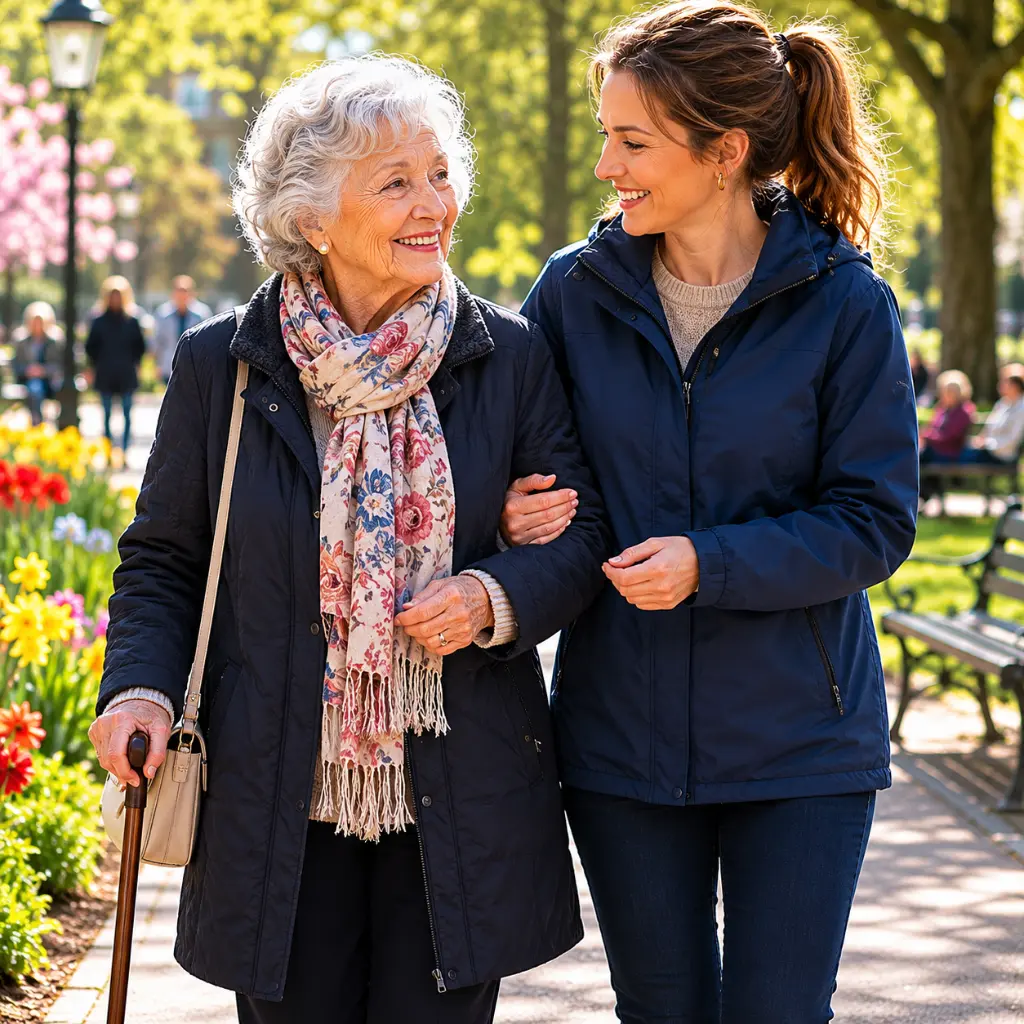
A carer cannot bring back the person your mum has lost, and a good one will never pretend to. What they can do is show up, reliably, and make the days feel a little less empty.
That might be sitting with a cup of tea while she tells the same story about their wedding for the tenth time, and listening as if it were the first. It might be gently coaxing someone back into eating properly, or out into the garden, when grief has flattened all motivation. This kind of companionship-led home care is quiet, ordinary, and quietly powerful.
It also rebuilds routine, which matters more than it sounds. A familiar face arriving at the same time each day gives a person something to get up for, and that small anchor often does more for elderly loneliness than any leaflet about joining a club.
For someone living with hearing loss as well as grief, practical support with hearing aids for elderly people
can make everyday conversations easier, helping remove one more barrier to staying connected with family, friends and carers.
At Vitality Care and Support Services, this is the part of the work we care most about. Across Aldridge and the wider Walsall area, our carers offer home care visits built around companionship as much as practical help, so no one grieves in an empty house with nobody to talk to.
When Bereavement Support for Elderly People Is Needed
Grief is not an illness, and most people, given time, patience and a little support, slowly find their feet. It tends to come in waves rather than a steady line, and a birthday or anniversary can knock someone back months later. That is normal.
But sometimes the low mood does not lift, or it deepens, and that is worth paying attention to. If your dad is withdrawing completely, not eating or sleeping, or saying he sees no point any more, it is time to involve his GP.
If your loved one is also living with dementia, you may notice their distress becomes worse towards the evening. This pattern, known as sundowning dementia , can make the emotional challenges of bereavement even harder to manage.
Practical Ways to Ease Elderly Loneliness After Bereavement
If you are supporting someone through this, a few things genuinely help. Keep your visits regular rather than grand, because predictability is reassuring. Do not rush them to move on, and do not pack the calendar just to fill the silence.
Good bereavement support for elderly people is gentle and led by them, never done to them. Sometimes the kindest thing is simply being there, and arranging for someone to be there on the days you cannot.
Gentle Support, One Day at a Time
Grief cannot be hurried, and no one should feel pressured to move through it alone. Sometimes the greatest comfort is simply knowing that someone will be there, offering companionship, encouragement and a familiar face.
Our carers support older people across Aldridge and Walsall with companionship, personal care and practical day-to-day help, always at the pace that feels right for them. If your family could use a little extra support after a loss, we are here whenever you are ready.