
Domiciliary Care Service in Walsall: Compassionate Support in the Comfort of Your Home
Understanding Home Care Aides: Roles, Responsibilities, and Care Types
Understanding Home Care Aides: A Guide to Respectful and Dignified Support for Independence at Home
Finding the right support for yourself or an elderly family member can sometimes be challenging. You want care that is respectful, dignified, and promotes independence. This process might make you feel a bit challenged.
Home care aides offer a solution adapted to these needs, assisting with daily tasks and ensuring comfort at home.
Did you know that the demand for home care services is increasing? This rise reflects the desire of many to receive personal and health care within their comforting surroundings. Our article will help you understand the roles, responsibilities, and types of care provided by home care aides, and how they differ from home health aides.
We’ll also discuss how to effectively become or hire one.
Find peace of mind with us.
What is a Home Care Aide?
A home care aide provides support and personal care services in your own home, making daily life easier for those with health conditions, disabilities, or the elderly. These aides assist with activities like bathing, dressing, and meal preparation.
They also offer companionship. Their role is critical in enabling individuals to remain at home comfortably and safely.
Care aides work as part of a healthcare team to ensure that you or your family members receive the necessary care right at home. They play a vital part in long-term care plans, adapting services as needs change over time.
Moving forward, understanding the roles and responsibilities of these professionals will shed light on how integral they are to maintaining independence at home.
Roles and Responsibilities of a Home Care Aide
Home care aides play a crucial role in ensuring individuals like yourself or your elderly family members receive the support they need right in the comfort of their own homes. These dedicated professionals provide personal care, ranging from help with daily activities such as bathing and dressing to more complex tasks like medication management.
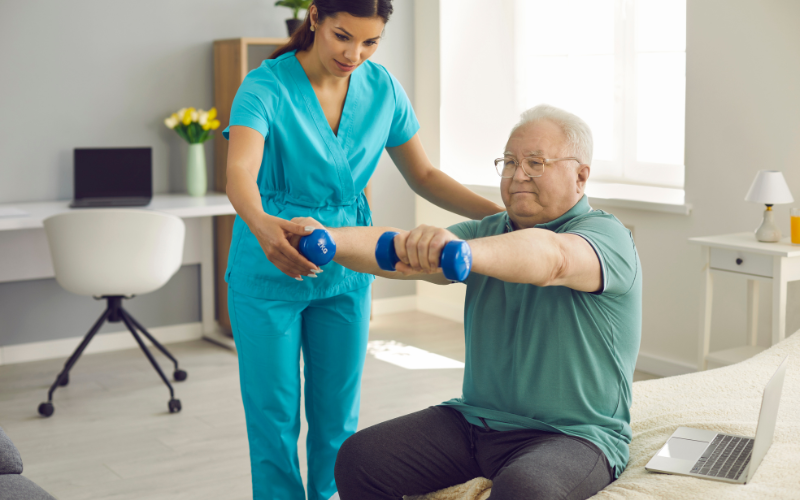
They ensure that those under their care maintain a sense of dignity and independence. Their work includes making meals, providing companionship, and even assisting with exercises prescribed by health practitioners.
With an emphasis on creating a safe and supportive environment, home care aides often become a trusted part of the household.
Care workers tailor their services to meet each person’s unique needs. This means they might also handle some light cleaning and housekeeping duties, run errands or accompany patients to appointments, enhancing the quality of life for those receiving home care services.
Through this adaptive approach, caregivers offer not just physical but emotional support too, playing a key role in the mental well-being of clients. By fostering an atmosphere where individuals feel cared for and respected, home care aides significantly contribute to improving both health outcomes and overall happiness within homes across communities.
Types of Care Services Provided
Care services come in many forms to meet various needs. You can choose from personal care, which includes help with day-to-day living facilities and activities like bathing and dressing. There’s also domiciliary care where a caregiver visits your home to provide assistance.
Live-in care offers round-the-clock support for those who need constant attention.
Specialised services cater to specific conditions such as dementia, ensuring skilled and compassionate care. Overnight care ensures safety and comfort through the night, ideal for individuals who might wake up disoriented or in need of immediate assistance.
With these options, finding the right type of support becomes more manageable, allowing you or your loved one to continue living independently at home while receiving the necessary help.
Difference Between Home Care and Home Health Aide
One key distinction between home care and home health aide services revolves around the various medical care versus non-medical support they provide. Home care aides focus on personal assistance, aiding with daily activities such as bathing, dressing, and meal preparation to ensure comfort in your own or a family member’s living environment.
These roles are vital for individuals seeking help with routine everyday tasks, that have become challenging due to age or disability.
On the other hand, home health aides bring a higher level of care under the supervision of healthcare professionals. They offer services that require specific training like treating wounds, monitoring vital signs, assisting with prescribed exercises, and managing medication as per a doctor’s orders.
This type of care is often necessary after hospitalisation or for other chronic illnesses or health conditions necessitating professional oversight within the domicile setting.
Home health aides work to bridge the gap between personal independence and medical oversight, delivering critical healthcare services right at your doorstep.

How to Become a Home Care Aide?
Taking on the role of a home care aide can lead to a gratifying profession, where you assist individuals with day-to-day tasks within their homes. This job requires commitment, structured education and a zeal for caregiving.
Comprehend the role: Home care aides extend support in personal care and daily functions, ensuring maintained autonomy for those in need.
Investigate state prerequisites: The educational and certificational requirements differ from state to state, with some necessitating that aides fulfil certain home health aide training programmes.
Undergo structured training: A multitude of community colleges and vocational schools offer courses reflecting on patient care, fundamental health and cleanliness.
Accumulate experience: Occupying the role of a home caregiver or equivalent can provide valuable practical skills.
Secure certification: Every state has unique rules regarding certification, often necessitating passing an examination.
Stay updated on job growth: The Bureau of Labor Statistics forecasts an upswing in this sector, reflecting the demand for in-home care services.
Enhance essential skills: Proficient communication, patience, and physical endurance are key for success in this field.
Maintain continuous learning: Aides are required to pursue continuing education to stay relevant with best practices in health and personal care.
Following this pathway can lead to both personal satisfaction and a solid career assisting others maintain pleasurable lives in their own homes.
Education and Training Requirements
To become a home health care aide, you must complete specific training requirements. Most positions need formal training in basic personal care tasks and safety procedures. This training can come through high school diploma from community colleges, vocational schools, or home health care agencies themselves.
You’ll learn essentials like how to provide proper personal care, emergency response techniques, and understanding the needs of elderly clients.
Certification varies by state but typically involves completing an approved educational program and passing a competency exam. Some states also require additional hours of supervised practical work before certification.
Once certified, aides must often undertake continuing education to stay updated on best practices in home healthcare.
Certification Process: State to State Variations
After finishing your necessary schooling and preparation, progressing to a home care aide role requires familiarity with the process of various state certification here. Each region has its unique rules and prerequisites for certifying home care employees, meaning requirements of one region may significantly contrast with another.
For instance, a certain region may demand home care aides to clear a particular exam, while others may require evidence of accomplished training hours, or sometimes both.
Typically, after obtaining your certification as a personal care aide or a home health aide, maintaining your certification current necessitates continuous education. Often, regions prescribe the number of additional training hours that you need annually to remain an active caregiver.
This procedure ensures that all aides are not merely well qualified nurses but also familiar with the most recent practices in the care-giving field.
Certification ratifies your abilities and commitment to deliver quality care.
Job Outlook and Career Prospects
The employment prospects for nursing home and care aides are favourable. With an ageing population, the need for health and personal care aides is projected to increase. By 2029, jobs in this sector could have a surge of over 30%.
This rate of growth surpasses numerous other professions. Choosing a career as a home health aide promises consistent work and multiple chances for progression.
You will find that certification is state-specific, mandating home care workers to adhere to particular benchmarks. Once certified, an array of options becomes available. These range from specialising in dementia care to occupational therapy to potentially becoming a registered nurse.
The requirement for empathetic and proficient carers remains consistent. You’re stepping into a profession that values your input, while also offering a critical service to the community.
What are the Duties and Responsibilities of Home Health Aides?
Home health aides help you or your loved one with daily tasks that become challenging due to illness, aging, or disability. They provide basic care, assisting in personal hygiene, dressing, and feeding to ensure comfort and support at home.
Their work allows individuals to maintain dignity and independence in a familiar setting.
A typical day for these aides might involve monitoring vital signs such as blood pressure and temperature, reminding patients about their medications, and providing companionship. They often communicate with nurses to report changes in a patient’s condition.
Home health aides play a crucial role in the healthcare team by offering essential services that enable patients to receive care in the comfort of their homes.
Providing Personal Care and Assistance
Offering personal care and support involves aiding you or your loved ones with daily tasks that might have become challenging. This can cover bathing, dressing, cleaning and maintaining good hygiene, tasks that assure comfort and preserve dignity.
Care assistants also support with meals preparation, eating, and reminders for medication to encourage independence while ensuring safety.
Assistants work in your home to simplify life for those who find everyday chores difficult due to age or health conditions. They adjust their assistance according to individual requirements, making certain each person receives the necessary attention.
It’s about delivering care and support where it’s most desired.
Care assistants offer more than just help, they provide companionship too, extending a listening ear or a comforting hand—the kind of human interaction that brings warmth into the lives of those they assist.
Health and Personal Care Aides’ Work Environment
After understanding the crucial function of giving personal care and support, it’s necessary to examine the operation environment of health and personal care aides. These committed workers often find themselves in diverse settings, from clients’ homes to doctors offices to residential care facilities.
They establish a secure and encouraging atmosphere where patients feel at ease and respected. In clients’ homes, they adjust to different living conditions and preferences, making sure that care is both individualised and in alignment with family expectations.
Working as a home health aide or personal care aide calls for flexibility and endurance. Shifts can vary extensively; some aides work overnight to help patients who require 24/7 care, while others might have standard daytime hours.
Irrespective of the environment or time of day, these professionals place their patients’ well-being at the forefront. Their ability to provide empathetic support under various situations defines their success and also fundamentally affects the quality of life for those they assist.
Typical Day in the Life of a Home Health Aide
Home health aides start their day by visiting the homes of patients who need care. They help these individuals with daily living tasks that might have become challenging for them. This includes assisting with personal hygiene, dressing, and ensuring that medications are taken on time.
These aides also play a crucial role in preparing meals that meet specific dietary requirements and providing companionship, which is vital for those who may feel isolated.
Throughout the day, home health care workers monitor their patients’ health status. They keep administering medications and keep an eye on vital signs like blood pressure and temperature, reporting any significant changes to registered nurses or doctors overseeing the patient’s care plan.
By doing so, they ensure continuous monitoring of the patient’s health condition within the comfort of their own home. Moving forward, let’s explore how you can hire a qualified home care aide to provide this invaluable service for your loved one.
How to Hire a Home Care Aide?
Hiring a home care aide is vital for offering personal and health assistance to your loved one. Selecting the appropriate aide necessitates precision and comprehension of the needs of your family member.
Delineate specific care needs. Contemplate whether your loved one requires aid with daily tasks, medical support, or companionship.
Investigate home care agencies in your vicinity. Search for organisations that offer home care or home health care services, emphasising those with positive feedback and solid reputations.
Inquire about the recruitment procedure. Ascertain the agency conducts comprehensive background checks on their aides and provides continuous training and assistance.
Verify qualifications. Discover if potential aides are certified home health aides or have received education from respected programs facilitating in home care.
Solicit references from previous clients. Connect with families who have utilised their services to measure reliability and professionalism.
Organise interviews with aides. Formulate questions pertaining to their experience, caregiving approach, and their handling of challenging situations.
Discuss availability and adaptability. Validate that the aide’s timetable corresponds with your loved one’s needs, incorporating weekends or overnight hours if required.
Scrutinise contracts meticulously prior to signing. Grasp all terms associated with payment, services offered, confidentiality agreements, and termination clauses.
Arrange for an adaptation phase. Permit time for your family member and the home care aide to establish a connection rooted in trust and respect.
10.Cooperate to continuously evaluate the quality of care and make any necessary adjustments to the service delivery or additional training if needed.
Finding Qualified Home Care Workers
Finding the right home care worker for yourself or a family member requires knowing where to look and what qualifications are necessary. Care agencies, like Vitality Home Care Agency, provide trained and experienced home care aides who offer personal assistance and support with daily activities.
These professionals have undergone rigorous training and certification processes that vary by state, ensuring they are well-equipped to cater to your needs.
You should focus on aides who demonstrate compassion, patience, and a strong commitment to providing quality care. Ask about their experience in delivering the type of home care service you need, whether it’s domiciliary care, live-in assistance, or specialised dementia support.
It’s essential that they understand the value of maintaining dignity and promoting independence among those they look after.
Interviewing and Selecting the Right Aide
After pinpointing qualified home care workers, the next step is to conduct interviews and select the right aide for your needs or those of your family member. This process requires careful consideration to ensure that the person you choose can provide the specific type of home care needed, whether it’s personal care, dementia care, or another specialised service.
Prepare a list of questions that cover necessary skills, experience in home health services, and compatibility with the patient’s personality and needs. Make sure these discussions are thorough to gauge each candidate’s suitability and commitment.
During the selection phase, consider conducting trial sessions where possible. This allows both you and the potential home care aide to evaluate how well they fit into their envisaged role within your home setting.
Pay attention to how they interact with the family member needing care—looking for signs of compassion, patience, and professionalism. It might also be useful to check references from previous positions they’ve held as aides or in similar roles providing home support or health care services.
Opting for an aide who demonstrates reliability and a genuine understanding of caregiving could significantly improve quality of life at home for those requiring assistance.
What Makes a Successful Home Health Care Aide?
A successful domestic healthcare and certified nurse assistant demonstrates a combination of empathy, patience and commitment. You’ll notice they often exceed basic tasks to offer emotional support and friendship.
Their role involves helping with everyday activities such as bathing, dressing, and preparing meals. Additionally, they need to adapt to diverse personalities and scenarios while maintaining an optimistic disposition.
Clear communication abilities are crucial to understand the requirements of those in their care.
Ongoing learning for nursing assistants is instrumental in their professional development. Many home healthcare assistants participate in further training courses to broaden their understanding of providing care for patients with certain ailments like dementia or diabetes.
This dedication to education guarantees they can deliver the best care standard attainable. Regularly upgrading their skills lets them fulfil the diverse healthcare needs effectively, making them priceless resources in offering home-based health services.
Skills and Attributes of Effective Aides
Effective aides must have a variety of skills and attributes that ensure high-quality care. They need patience and compassion, as working with individuals who require support can be challenging yet rewarding.
These caregivers display strong communication skills, allowing them to understand and meet the needs of those they care for. Being attentive helps them notice changes in their clients’ health or behaviour, which is crucial for timely interventions.
Home care aides also need physical stamina, as their job often involves moving patients or performing tasks that require strength. Problem-solving abilities allow them to handle unexpected situations effectively.
Most importantly, they possess a genuine desire to help others, making a significant difference in the lives of those they assist. The next topic will delve into the importance of these qualities further.
Importance of Compassion and Patience in Caregiving
Compassion and patience form the backbone of effective caregiving. As you look for care support services, either for yourself or a family member, these qualities in home care aides become crucial.
Caregivers often face unpredictable challenges daily. They may have to adapt quickly to the changing needs of those they assist. A compassionate aide can make a world of difference by offering emotional support and understanding, creating a sense of safety and trust.
Patience plays an equally vital role as it allows aides to handle difficult situations with grace. It ensures that the person receiving care does not feel rushed or a burden when they need help with personal tasks or are taking longer to complete them due to health issues.
This approach supports home care by fostering a peaceful environment where the elderly or individuals requiring assistance can thrive under nurture and careful attention.
Continuing Education and Professional Development
Dedication and empathy in caring are foundational to a satisfying career in home care. But, to truly excel in this field, ongoing education and skills development are critical. This focus ensures that caregivers keep pace with the most recent healthcare protocols and regulatory standards.
For instance, several regions mandate that home health aides undergo specific training before they’re certified to work. This requirement varies and evolves with emerging healthcare issues.
Opportunities for professional development may take the form of workshops exploring innovative care approaches or conferences discussing progress in dementia care. Participating in these events allows home care staff to broaden their skills and significantly enhance their career prospects.
With the growing need for skilled home health professionals, those dedicating time to learning present-day best practices place themselves at the vanguard of the discipline. They grow more efficient in their responsibilities, delivering superior quality care that matches both industrial norms and client expectations.
Conclusion
Home care aides offer vital support, enabling you or your loved ones to maintain independence at home. They provide various services from personal care to household tasks and medical equipment, matching different needs.
Training and certifications ensure they meet high standards of care. You have many options when selecting the right aide for your family’s requirements. Taking this step can significantly improve quality of life, offering peace of mind that comes from professional and compassionate assistance at home.
Check Our Latest Blog Posts
10 Early Signs Your Elderly Parent May Need Home Care Support
UTI in the Elderly: How to Spot It Early and How Home Care Helps
Vitamin B12 Foods for Older Adults: What to Eat and How Home Care Helps
Dental & Oral Care for the Elderly: Tips & Routines
Exercises for Arthritic Hands with Home Care
Memory Games for Seniors with Home Care Support
What Is Sundowning Dementia? Why People With Dementia Become More Agitated at Night
How Home Care Helps Reduce Loneliness After Bereavement
Hearing Aids for Elderly People: How Home Care Helps Day to Day