
UTI in the Elderly: How to Spot It Early and How Home Care Helps
Overlooked Household Risks That Can Affect Senior Safety at Home
Many families assume that home is the safest place for an older loved one, especially when they wish to remain independent. However, overlooked household safety risks for seniors can quietly increase the chance of falls, injuries, or emergencies. Small changes in mobility, vision, or balance can turn everyday features into potential hazards. Understanding these risks is essential for anyone supporting elderly home safety and long term wellbeing. With the right approach, it is possible to create a safe home environment for elderly individuals without disrupting routines or comfort. Professional home care services and regular home safety assessments often help families identify risks early and support ageing safely at home with confidence and reassurance.
Why Household Safety Risks Increase With Age
As people grow older, physical and sensory changes can affect how they move around their home. Reduced balance, slower reaction times, and changes in eyesight can make once harmless spaces more challenging. Senior safety at home often becomes compromised when these changes are not fully recognised. Many older adults continue using their home as they always have, even when stairs, uneven flooring, or poor lighting begin to pose risks. Ageing safely at home relies on understanding that needs change gradually. Recognising early signs and making thoughtful adjustments helps reduce accidents while preserving dignity and independence in daily life.
Common Fall Risks Hidden Around the Home
Falls are one of the most common home hazards for older adults, and they often result from simple issues that go unnoticed. Tripping hazards in the home may include loose rugs, trailing cables, or clutter in walkways. Clutter related fall risks are especially common in hallways and bedrooms where items may be stored for convenience. Even small changes such as uneven thresholds or worn carpets can affect stability. Preventing injuries in older adults at home often starts with identifying these risks and creating clear, well lit walking paths that support safe movement throughout the house.
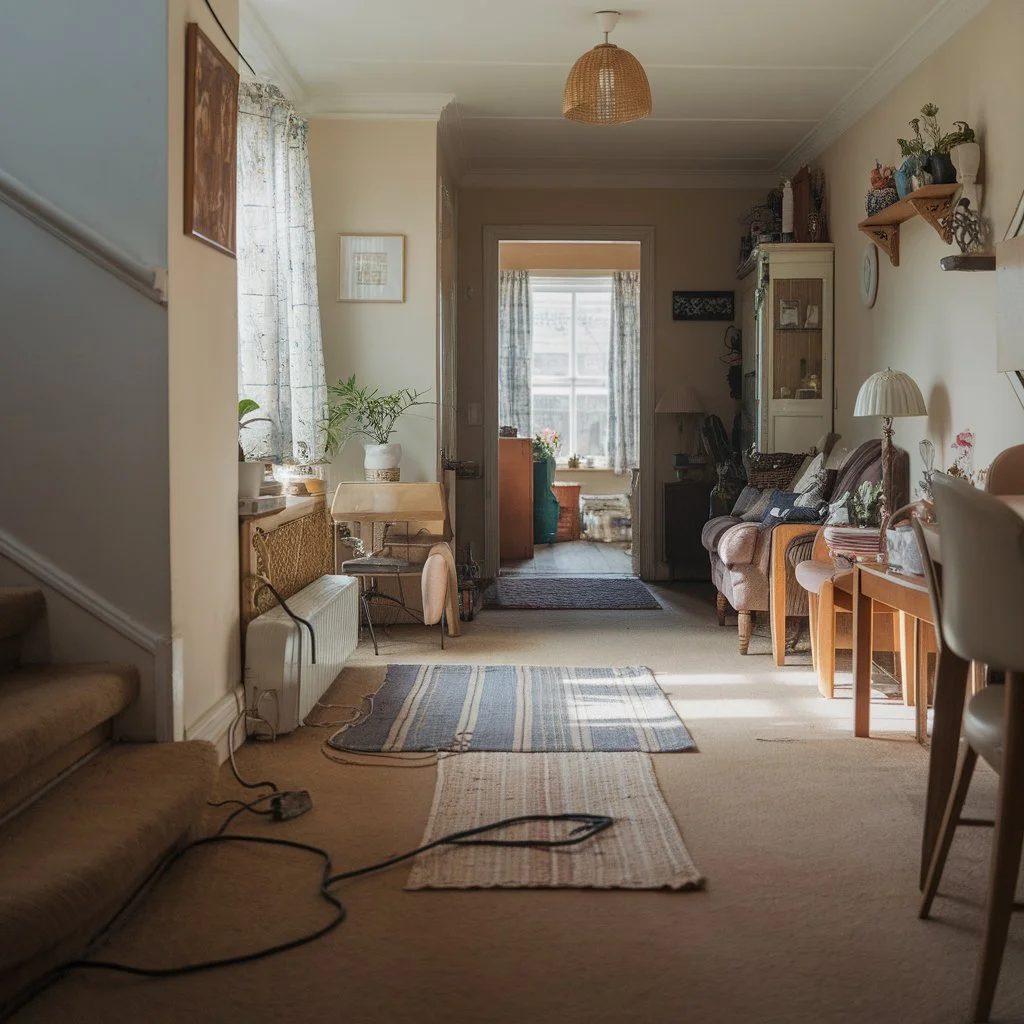
Bathroom and Kitchen Safety Concerns
Bathrooms and kitchens are essential spaces but they also present some of the highest household safety risks for seniors. Slippery floors, poorly positioned fixtures, and limited support increase the risk of falls. Bathroom safety risks for seniors often involve getting in and out of the bath or shower without adequate support. Kitchens may present hazards through reaching for items stored too high or managing hot appliances. Safety adaptations for ageing at home, such as grab rails, non-slip surfaces, and thoughtful layout changes, can significantly improve confidence and reduce accidents while allowing older adults to maintain their routines.
Fire and Environmental Hazards at Home
Fire and electrical hazards at home are another concern for senior safety at home, particularly where memory or mobility is affected. Forgetting to switch off appliances, using outdated wiring, or managing heating systems can increase risk. Carbon monoxide safety for seniors is also vital, as symptoms of exposure can be subtle and easily missed. Ensuring alarms are working correctly and regularly checked is a simple but essential step. A safe home environment for older people includes clear emergency plans and support from carers who can monitor safety and respond quickly if concerns arise.
The Importance of Home Safety Assessments
A professional home safety assessment provides valuable insight into overlooked household risks for seniors. These assessments review each area of the home and identify practical changes that support independent living safety for elderly individuals. Home safety assessments for elderly people are not about limiting freedom, but about enabling safer daily living. Many families find reassurance in knowing that risks have been reviewed by experienced professionals who understand ageing in place safety concerns. Ongoing support and monitoring help ensure that the home remains safe as needs evolve over time. This process also helps challenge misconceptions about homecare by showing that safety support enhances independence rather than limiting it.
How Professional Home Care Supports Safer Living
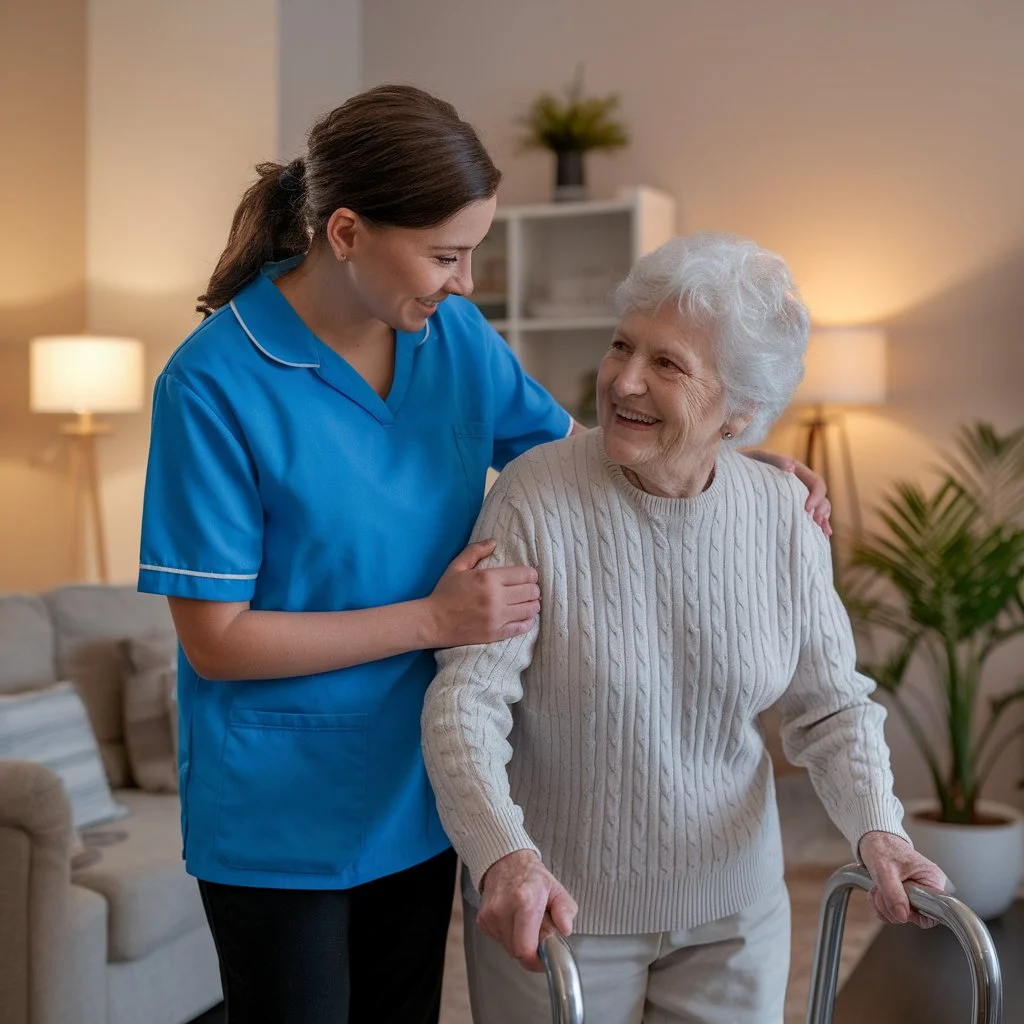
Professional home care plays a vital role in reducing household safety risks for seniors. Carers support daily routines while remaining alert to changes in mobility, health, or environment. They help with household accident prevention for elderly people by identifying risks early and encouraging safe habits. Support may include assistance with movement, supervision during tasks, and coordination of safety adaptations. With compassionate care and consistent oversight, older adults can continue ageing safely at home while families gain peace of mind knowing their loved one is supported in a secure environment. Building trust through familiar routines and respectful communication can also reduce elderly resistance to care, making safety support easier to accept.
Taking the Next Step Towards a Safer Home Environment
Creating a safe home environment for elderly family members does not require dramatic changes, but it does require awareness and support. By addressing overlooked household risks for seniors early, families can prevent injuries and maintain independence for longer. Professional guidance, personalised care, and regular safety reviews all contribute to better outcomes and confidence at home. To explore how tailored support can help your loved one remain safe and comfortable, book your consultation with Vitality Care and Support Services and discover personalised solutions for safety, independence, and wellbeing at home.
Check Our Latest Blog Posts
Vitamin B12 Foods for Older Adults: What to Eat and How Home Care Helps
Dental & Oral Care for the Elderly: Tips & Routines
Exercises for Arthritic Hands with Home Care
Memory Games for Seniors with Home Care Support
What Is Sundowning Dementia? Why People With Dementia Become More Agitated at Night
How Home Care Helps Reduce Loneliness After Bereavement
Hearing Aids for Elderly People: How Home Care Helps Day to Day
Senior Stretching Exercises: 5 Simple Bed Stretches to Start the Day
Heatwave Safety: How to Keep Elderly Parents Safe in Hot Weather