
UTI in the Elderly: How to Spot It Early and How Home Care Helps
Behaviours in Dementia Patients: Changes and Aggression
Dementia can bring many challenges that affect both the individual and their family. Loved ones often notice shifts in how a person acts or responds to everyday situations. These changes sometimes happen slowly, but they can feel sudden. By learning about the behaviour of dementia patients, we can offer comfort and understanding. Families often find that consistent assistance, gentle communication, and patience are key. It may help to involve a carer who understands the special needs and can support someone with dementia calmly and respectfully. Many times, these behaviours are the person’s way to cope with confusion or memory loss. Compassionate support, daily structure, and regular reassurance can go a long way toward easing frustration. We will explore common changes, aggressive behaviour, and practical methods that may reduce stress and promote a caring connection for everyone involved.
Behaviour in Dementia: Common Changes and Their Causes
Behaviour in dementia can shift in ways that might surprise family and friends. Common changes can include wandering, asking the same questions, or mistrusting others. These shifts usually arise because of brain changes that affect how people process information. Even small tasks can seem confusing, and that confusion may lead to stress.
Why People with Dementia Experience Behaviour Changes
People with dementia may struggle to make sense of their surroundings. They might forget recent events or mix up times and places. This confusion can prompt behaviours that appear unusual. Sometimes, they repeat specific questions or start a task, then forget what they were doing and wander away. In other cases, there may be restlessness or pacing. A table can help illustrate common behaviours and possible reasons:
| Behavioural Symptom | Possible Reason |
|---|---|
| Repetitive Speech | Memory loss or anxiety |
| Wandering | Disorientation or restlessness |
| Mistrust | Confusion or fear |
Challenges Carers Face with Behavioural Changes
These changes can be unsettling for a carer. A spouse or adult child might not know how to respond. They also might feel upset when someone with dementia forgets familiar faces. In the early stages, it helps to establish routines. Clear communication eases tension. Consistency in daily tasks, simple schedules, and step-by-step guidance are minor adjustments that can have a significant impact. Seeking advice or support from others who understand dementia can lessen frustration. Remember that these behaviours are not directed at you. They often reflect the person’s struggle to express themselves or cope with a confusing world.

How Dementia Affects Patient Behaviour? A Carer’s Guide
Cognitive decline affects how someone processes both language and their environment. As dementia progresses, memory gaps grow. This can lead to a loss of context or partial understanding of what is happening. The person might interpret regular events as threats. A carer may find that open communication and gentle explanations help reduce tension.
Understanding the Brain and Change in Behaviour
Parts of the brain responsible for judgment, memory, and emotion begin to work differently. Minor lapses in focus may appear first in the behaviour of early dementia patients. Later, more evident changes might show up, such as mixing up day and night or feeling overwhelmed in busy rooms. These shifts can spark sudden emotions. Calming settings, minimal clutter, and direct explanations can alleviate that sense of being placed in an unfamiliar situation. Patience is vital. When a person senses a caring approach, they feel safer. This trust can lower irritability and help them navigate challenges with more confidence.
Tips for Supporting Someone with Dementia
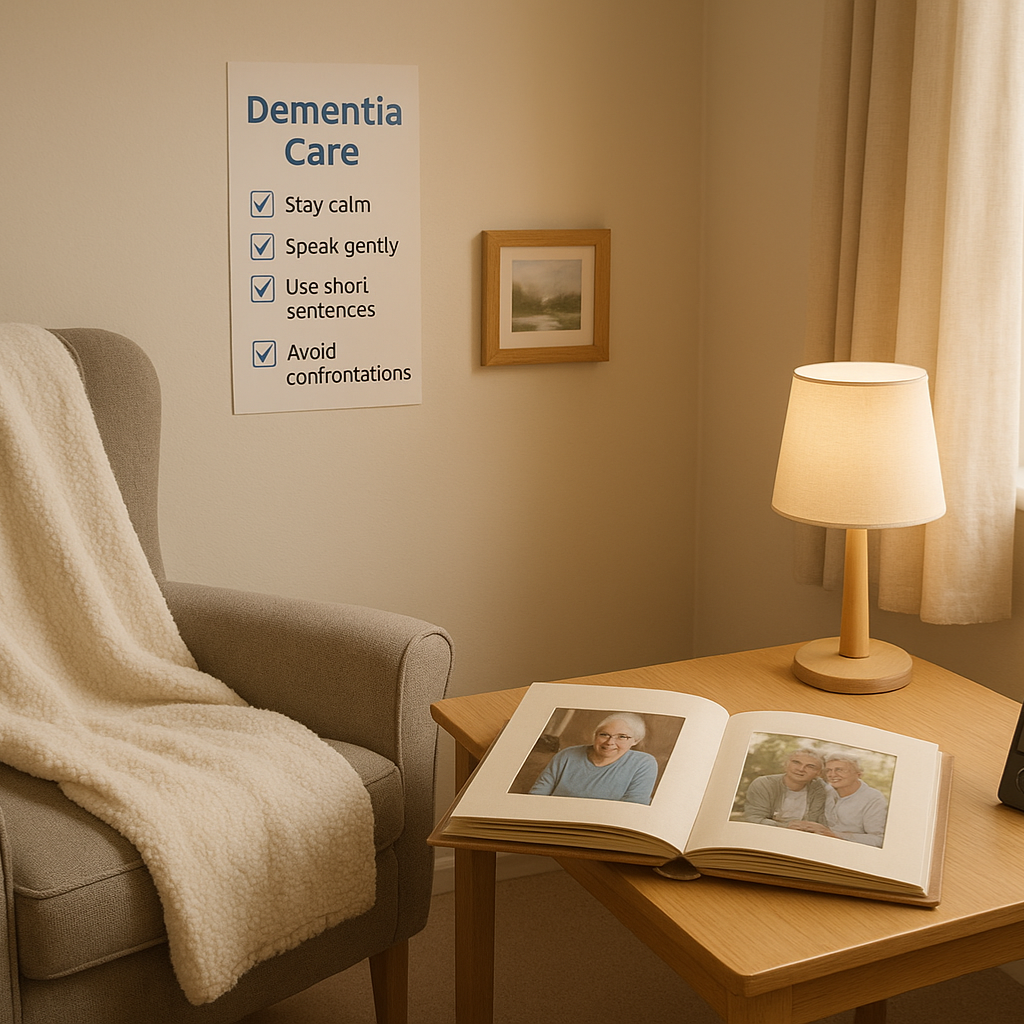
One of the most important tips is to speak in a calm, reassuring tone. Use short statements and avoid multiple questions at once. Simple words can make it easier for the person to follow along. If possible, remove distractions. Turn off the television or reduce loud noises to create a peaceful space. When presenting a task, offer step-by-step guidance. For instance, when preparing a meal, break it into small parts, such as getting a cup, filling it with water, and so on. This structured support fosters a sense of accomplishment. It also helps the person with dementia maintain some independence.
Managing Aggressive Behaviour in Dementia
Aggressive behaviour in dementia often appears when the person feels threatened or misunderstood. They might become upset if they believe others are intruding on their personal space. Carers should look beyond the outburst and think about possible triggers like physical discomfort, sudden changes in routine, or unfamiliar people. By identifying triggers, it becomes easier to take steps that keep everyone safe.

What Triggers Aggressive Behaviour?
Sudden noise, bright lights, pain, or a shift in daily patterns might set off an angry response. Some individuals feel too hot, too cold, or uncomfortable in tight clothes. They may be thirsty or hungry but cannot express it. It is wise to assess whether these basic needs are met quietly. In some cases, the behaviour arises from sheer confusion. The person might not recognise even close family members at times, so feeling cornered can lead to outbursts of anger or aggression. Documenting these moments can help a carer spot patterns and adjust the environment or approach to reduce future flare-ups.
Steps to Calm Aggressive Behaviour in People with Dementia
When aggression flares, speak softly, maintain eye contact if possible, and take a step back to give the person some space. Avoid sudden movements. Suggest a quiet spot or offer something soothing, like a soft blanket or a hand massage, if it feels comfortable for them. A short break in a separate room, with gentle music or subdued lighting, can help defuse tension. You can also offer a simple distraction, such as looking at a photo album. If aggression continues or worsens, pause and reach out for professional advice before it escalates—safety matters for everyone involved, including the carer.
Supporting Someone with Dementia Through Behaviour Changes
People with dementia need understanding when facing these shifts in how they act or feel. Families and friends often notice that keeping routines steady and the environment calm can lessen problematic behaviours. It helps to regularly reassure the person that you are looking out for them and that they are in a secure place.
Building Routines That Ease Common Changes
Routines offer predictability. Waking around the same time each day, having meals at a set hour, and enjoying comfortable evenings can reduce anxiety. If you spot restlessness at night, consider dimming lights earlier. You might also plan calming activities, like listening to music or sharing a simple bedtime story. Gentle structure, such as guiding them to put on a favourite sweater or using a soft blanket, can help them feel safe. Over time, these small rituals create a sense of normality. They also empower the person with dementia to handle their day more smoothly. Consistency soothes the mind.
Why Personal Care Matters for a Carer
In the midst of daily responsibilities, a carer must look after their well-being, too. Caring for someone with dementia can be emotional, especially when behaviour changes occur. Plan breaks or share shifting duties with another carer. Join local support groups where families swap tips and offer encouragement. Talking to professionals can also help. Feeling understood can lower feelings of stress. Remember, when you care for yourself, you can be more present and patient with the person who depends on you. Balanced caregivers tend to feel more positive and less overwhelmed.
Navigating Personal Care When Behaviour Changes Occur
Personal care routines can be tricky when a person’s mood or reactions change often. Bathing or grooming might cause confusion or embarrassment. You might see a sudden refusal to cooperate or even mild aggression. A gentle approach that respects personal space is key. Explain each step, move slowly, and watch for any sign of anxiety.
Respecting Choices and Maintaining Dignity
Allowing someone with dementia to do parts of their routine on their own can boost confidence. Encourage them to pick out their clothes if they seem able. If a bath is intimidating, try a soothing sponge bath or break down tasks into small steps. Offer assistance only when needed. Keep the bathroom warm, and gather everything beforehand for a smoother process. Simple gestures, such as involving them in decisions and respecting their autonomy, uphold their sense of dignity. If you notice fear or hesitation, pause and calmly ask if something is uncomfortable. Listening builds trust in personal care routines.
Adjusting Care Plans for Changing Needs
Over time, a person’s abilities may shift. They may be more cooperative on certain days and more restless on others. Try to find what works best and adapt as you go. Seek medical guidance if the changes seem sudden or severe. Keep a small bullet list of strategies that have worked well, such as warm towels or a calming song. Update this list if something new seems to ease tensions. A flexible approach ensures that personal care remains as pleasant as possible. Sometimes, a minor adjustment, like scheduling personal care earlier in the day, can reduce stress for everyone involved.
Wrapping It Up
Dementia often brings unexpected changes in how a person thinks, acts, or feels. These shifts can be frustrating or puzzling, but they can also serve as clues about what the person needs. By spotting triggers for aggressive behaviour, offering steady routines, and providing a calm space, you help reduce the intensity of outbursts. When confusion or memory loss makes communication hard, patience and clear language become essential. A carer can lighten the load by planning and staying flexible. Reaching out to professionals or community groups can also bring new insights and support. Though challenging, caring for someone with dementia is made easier by understanding that behaviour changes are not meant to hurt. They are often called for empathy and reassurance, which can guide us toward meaningful ways to help our loved ones feel safe and respected.
Check Our Latest Blog Posts
Vitamin B12 Foods for Older Adults: What to Eat and How Home Care Helps
Dental & Oral Care for the Elderly: Tips & Routines
Exercises for Arthritic Hands with Home Care
Memory Games for Seniors with Home Care Support
What Is Sundowning Dementia? Why People With Dementia Become More Agitated at Night
How Home Care Helps Reduce Loneliness After Bereavement
Hearing Aids for Elderly People: How Home Care Helps Day to Day
Senior Stretching Exercises: 5 Simple Bed Stretches to Start the Day
Heatwave Safety: How to Keep Elderly Parents Safe in Hot Weather