
UTI in the Elderly: How to Spot It Early and How Home Care Helps
Can Reablement Service Enhance Elderly Care and Independent Living?
Reablement services greatly enhance elderly care and promote independent living. This innovative approach focuses on short-term interventions tailored to help individuals regain essential skills and confidence for daily activities. Unlike traditional care, which often leads to dependency, reablement empowers older adults through personalized, goal-oriented care plans. Evidence shows improved outcomes, reduced long-term care needs, and enhanced quality of life. To discover more about these revolutionary methods, further exploration is encouraged.
Key Takeaways
- Reablement services emphasize regaining independence through personalized, goal-oriented care plans tailored to elderly individuals’ needs.
- A multidisciplinary team collaborates to deliver holistic support, addressing physical, emotional, and social aspects of elderly care.
- Targeted short-term interventions help elderly individuals regain daily living skills, reducing the need for long-term care.
- Well-trained staff enhance communication and adaptability, improving the effectiveness of reablement services for independent living.
- Technological innovations, like smart home devices and AI-driven assessments, can further elevate reablement service quality and efficiency.
What is Reablement and How Does it Differ from Traditional Care?
Reablement is a short-term intervention aimed at helping elderly individuals regain skills and confidence necessary for daily living, distinguishing itself from traditional care, which often focuses on long-term assistance and support.
Unlike conventional models that may foster dependency, reablement emphasizes the promotion of independence through personalized and goal-oriented plans. By prioritizing skill restoration, reablement plays a vital role in enhancing quality of life and reducing the need for ongoing care.
Understanding the Concept of Reablement
While the aging population continues to grow, the need for innovative approaches to elderly care becomes more critical.
Reablement is a progressive concept designed to enhance elderly care by focusing on helping individuals regain the skills and confidence necessary for daily living. Unlike traditional models, reablement care emphasizes personalised care through short-term assessment and tailored support services.
This approach aims to foster independent living by empowering individuals to perform everyday tasks with minimal assistance. Reablement services are structured to provide a thorough support framework, which is both empathetic and evidence-based, ensuring that the elderly receive the necessary resources to improve their quality of life.
Ultimately, reablement represents a significant shift towards a more supportive and proactive form of elderly care.
Key Differences Between Reablement and Traditional Care
Compared to traditional care methods, reablement focuses on a holistic and empowering approach to elderly care. This model prioritizes enhancing skills and confidence, enabling individuals to regain independence in daily living activities.
Unlike traditional care, which often involves a static care package centered on tasks performed by home care workers, reablement care emphasizes a dynamic partnership. Reablement support workers collaborate with clients to develop a personalized care plan aimed at fostering autonomy rather than dependency.
This approach is evidence-based, showing that individuals supported through reablement can achieve greater self-sufficiency. By actively involving clients in their care, reablement not only addresses physical needs but also supports emotional and psychological well-being, contrasting with the more passive nature of traditional care services.
The Role of Reablement in Promoting Independence
When considering the landscape of elderly care, promoting independence becomes a cornerstone of reablement services. Unlike traditional care, reablement care focuses on enhancing daily living skills and fostering a sense of autonomy for seniors. Central to this approach is a tailored support plan developed by a reablement team, which aims to restore confidence and self-reliance. Reablement services differ by emphasizing a short-term, intensive approach to home care service, integrating social care support to achieve sustainable independent living.
| Aspect | Reablement Model |
|---|---|
| Focus | Independence and skill-building |
| Duration | Short-term, intensive |
| Approach | Person-centered support plan |
| Team Composition | Multidisciplinary reablement team |
The benefits of reablement are evident as it empowers the elderly to regain control, reducing dependency on long-term care solutions.
How Does a Reablement Service Work?
A reablement service operates through a dedicated team of professionals who collaborate to support the elderly in regaining independence.
This process begins with a thorough assessment, leading to a personalized care plan designed to meet each individual’s unique needs.
Central to this service are reablement support workers, whose specialized training equips them to provide essential guidance and encouragement, fostering confidence and self-sufficiency in daily activities.

The Reablement Team and Its Functions
The reablement team, a specialized group of healthcare professionals, plays an essential role in empowering elderly individuals to regain their independence and improve their quality of life. This multidisciplinary team includes support workers, social workers, and health and social care experts who provide tailored reablement services. By focusing on the unique care needs of each individual, the team delivers effective reablement care designed to foster independent living.- Care Support: Support workers assist with daily tasks, offering practical help while encouraging self-sufficiency.
- Care Assessment: Social workers conduct thorough evaluations to identify specific care needs and devise personalized care strategies.
- Health and Social Care Integration: By coordinating efforts across disciplines, the team guarantees extensive support that addresses both physical and emotional well-being.
The Process: From Assessment to Care Plan
Initiating a reablement service involves a meticulously structured process that begins with a thorough assessment of the elderly individual’s needs. A health and social care professional evaluates the person’s social care needs, paving the way for a personalized care plan. This reablement care approach guarantees that a reablement occupational therapist collaborates with the care team to tailor a home care package. The focus is on enhancing independence while addressing specific adult social care requirements.| Assessment Phase | Care Plan Development | Implementation |
|---|---|---|
| Evaluate needs | Create personalized plan | Apply home care |
| Identify goals | Assign care tasks | Monitor progress |
| Health evaluation | Collaborate with team | Adjust as needed |
| Social needs review | Resource allocation | Support delivery |
| Family consultation | Plan approval | Evaluate outcomes |
The Importance of Reablement Support Workers
Integral to the success of a reablement service is the role of reablement support workers, who serve as the backbone of the care delivery process. These care professionals enable elderly individuals to achieve independent living by offering personalized assistance with daily living tasks. They guarantee that reablement care at home is both effective and empowering, fostering autonomy and confidence. Evidence shows that when reablement support workers provide tailored, ongoing support, elderly care markedly improves.- Assistance with Daily Living Tasks: Reablement support workers help manage activities like dressing and meal preparation.
- Personalized Care Plans: They work closely with health and social care workers to develop plans that reflect individual needs.
- Encouragement and Motivation: By providing extra support, they encourage clients to regain skills and confidence.
What Are the Benefits of Reablement for the Elderly?
Reablement offers significant benefits to the elderly by empowering them to regain essential skills and confidence, which are vital for maintaining independence. This evidence-based service not only enhances daily living abilities but also contributes to a reduction in the need for long-term care, thereby easing the burden on healthcare systems. Additionally, tailored support from reablement professionals guarantees that older adults receive the necessary guidance to achieve their personal goals, fostering a sense of autonomy and well-being.How Reablement Helps Regain Skills and Confidence
Restoring independence in the elderly is a crucial aspect of reablement services, which focus on helping individuals regain lost skills and boost their confidence. Reablement care emphasizes personalized interventions to support elderly care, promoting independent living. Through a structured period of reablement, individuals can experience significant improvements, benefiting from targeted support offered by home care services. Key advantages of reablement in aged care include:- Skill Recovery: Tailored exercises and activities help individuals regain skills necessary for daily living.
- Confidence Building: Enhanced self-belief and autonomy result from achieving personal goals.
- Holistic Support: Thorough reablement care addresses physical, emotional, and social needs.
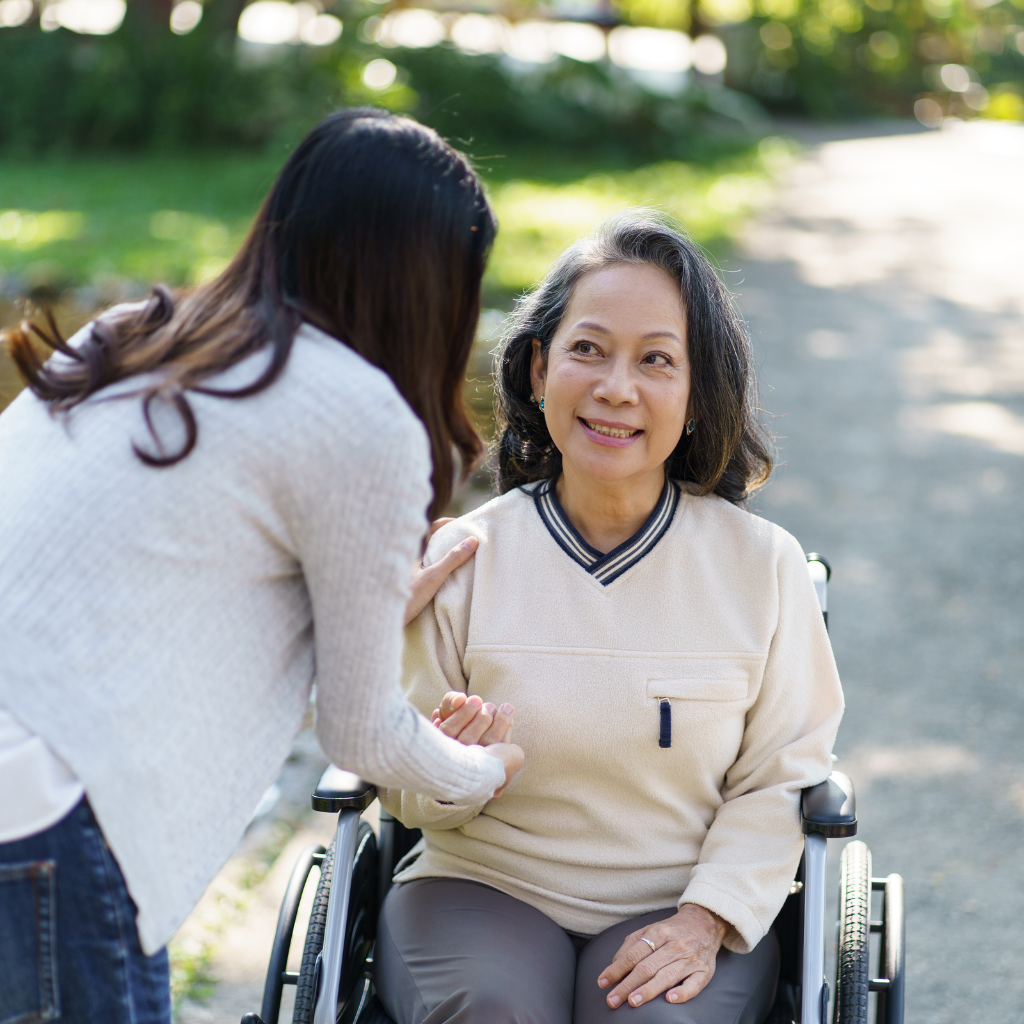
Long-Term Care Reduction and Support
Many elderly individuals face the intimidating prospect of long-term care. Still, reablement services offer a promising alternative that can considerably reduce the need for extended care, thereby offering substantial benefits. Reablement aged care focuses on fostering independent living and enhancing quality of life. Evidence shows that reablement care empowers individuals to regain daily living skills, decreasing dependency on long-term home care. Local authority social care services, in collaboration with home care services and care providers, play an essential role in implementing this model under the guidance of the Care Quality Commission.| Aspect | Benefit |
|---|---|
| Reablement Care | Reduced long-term home care |
| Independent Living | Enhanced daily skills |
| Social Care | Increased support efficiency |
| Care Provider Involvement | Improved care outcomes |
How Does Reablement Care at Home Support Independent Living?
Reablement care at home plays an essential role in supporting elderly individuals in maintaining their independence by providing personalized assistance tailored to their unique needs. By working collaboratively with health and social care professionals, reablement services guarantee a seamless integration of support, fostering an all-encompassing approach to elderly care. This integration is further enhanced by coordination with local authority social care services, enabling a structured and effective environment that empowers individuals to live independently.The Role of Home Care Service in Reablement
Home care services play a pivotal role in the reablement process, particularly in promoting independent living for the elderly. Through reablement care, aged care professionals assist individuals in regaining daily living skills over a typical period of six weeks. These services, often coordinated with local adult social care services and health services, focus on empowering the elderly to live independently.- Personalized support: Care workers provide tailored assistance, addressing specific needs and goals.
- Skill enhancement: Visiting care promotes the development of essential life skills, boosting confidence and autonomy.
- Short-term intervention: Intermediate care offers a temporary, intensive support period, fostering self-sufficiency.
Working with Health and Social Care to Provide Seamless Support
Through the collaborative efforts of health and social care services, reablement care at home effectively supports independent living among the elderly. Reablement services target short-term interventions, typically lasting six weeks or less, fostering improved functionality and autonomy. The coordination between home care services and adult social care teams guarantees seamless support, which is critical for enhancing aged care. By focusing on personalized care plans, these services empower individuals to regain confidence and daily living skills. The adult social care services department plays a pivotal role in evaluating needs and orchestrating thorough care strategies. Evidence suggests that such integrated approaches in reablement care considerably reduce dependency levels, enabling elders to remain in their homes longer while maintaining a higher quality of life.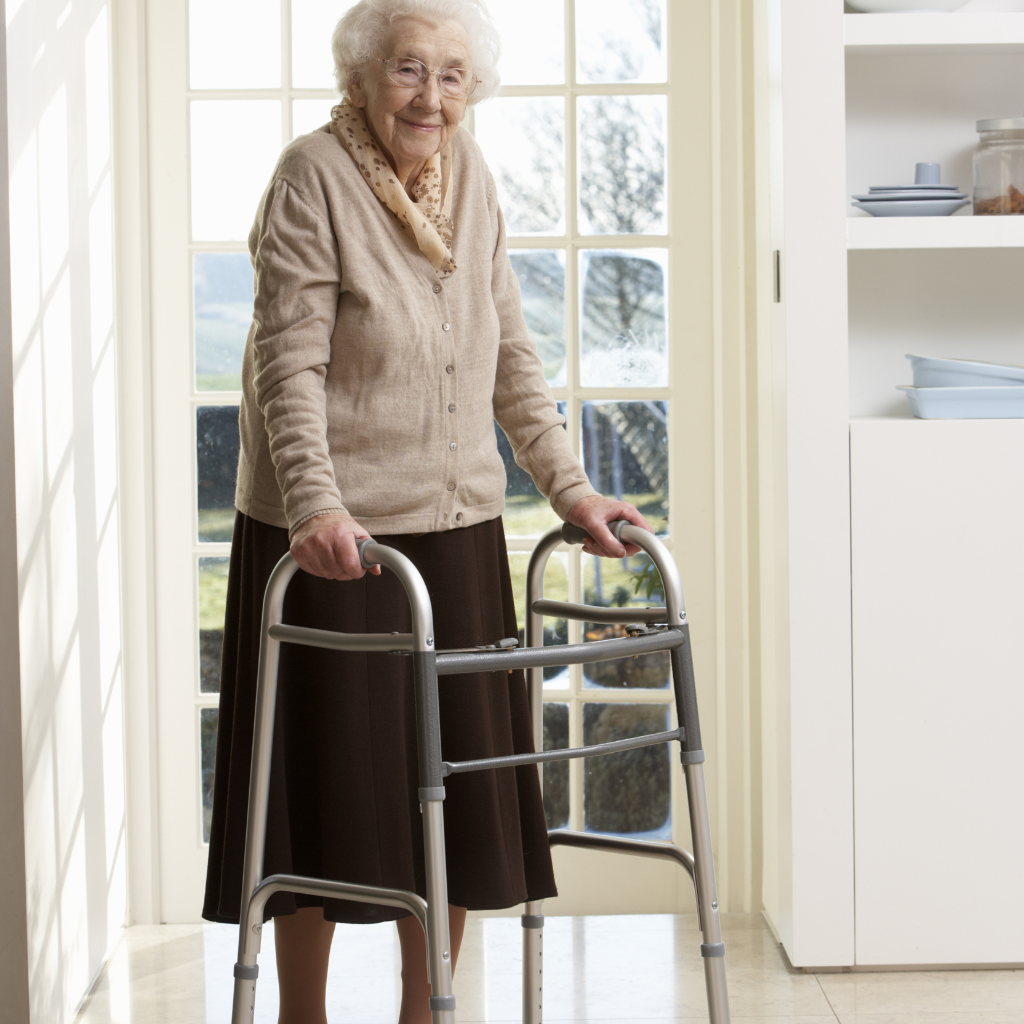
Integration with Local Authority Social Care Services
While many elderly individuals endeavor to maintain independence, the integration of reablement care with local authority social care services offers essential support in achieving this goal. This collaboration enhances aged care by providing a thorough approach that bridges home care services with social services, guaranteeing the elderly can thrive in a familiar environment. Reablement services focus on improving the capability of seniors to perform daily tasks, thereby reducing the need for residential care.- Enhanced Coordination: Local authority social services work closely with reablement teams to tailor support plans that cater to unique needs.
- Resource Allocation: Efficient use of resources guarantees that more seniors can benefit from reablement care without overwhelming social services.
- Outcome Monitoring: Regular assessments help evaluate progress and adjust services to promote ideal independent living.
What Challenges and Opportunities Exist for Reablement Services?
Reablement services face substantial challenges, including limited awareness and systemic barriers that hinder their widespread adoption. Training and staff development are pivotal in enhancing service delivery, ensuring that caregivers are equipped with the skills and knowledge necessary to meet the complex needs of older people. Additionally, future innovations, such as advancements in assistive technologies, hold the potential to improve reablement outcomes considerably, offering new avenues for supporting the elderly in maintaining their independence.What Barriers Prevent Wider Adoption of Reablement Services?
Despite the demonstrated benefits of reablement services in enhancing the quality of life for elderly individuals, several barriers impede their widespread adoption. These obstacles often stem from systemic issues within aged care and home care services. Reablement care aims to promote independent living, yet its integration faces challenges related to service delivery models and perceptions within care homes.- Lack of awareness and understanding: Many stakeholders, including families and care providers, remain unaware of reablement’s potential to support elderly care and independent living.
- Resource constraints: Limited funding and resources can hinder the implementation of thorough reablement services across diverse settings.
- Institutional resistance: Existing care home structures may resist change, preferring traditional methods over innovative reablement care approaches.
How Can Training and Staff Development Improve Delivery?
Enhancing the delivery of reablement services can be greatly advanced through targeted training and staff development. Extensive training programs equip staff with skills essential for promoting independent living and improving elderly care. By focusing on effective communication, adaptability, and problem-solving, caregivers can enhance service delivery in home care and aged care settings. Evidence suggests that well-trained staff in reablement care leads to significant improvements in outcomes for the elderly.| Key Focus Areas | Benefits | Challenges |
|---|---|---|
| Communication Skills | Better engagement | Time constraints |
| Problem-Solving | Enhanced solutions | Resistance to change |
| Adaptability | Personalized care | Resource limitations |
What Future Innovations Could Enhance Reablement Outcomes?
How might technological advancements transform the landscape of reablement services for the elderly? Future technologies hold the potential to enhance reablement care considerably, promoting independent living and improving outcomes for elderly individuals. By integrating innovative solutions into aged care and home care services, the quality and efficiency of care can be elevated. For example:- Smart home devices: These can facilitate real-time monitoring, ensuring safety and supporting live-in care.
- AI-driven health assessments: These tools can offer personalized care plans, optimizing service enhancement.
- Wearable technology: This can track health metrics, promoting proactive management of health conditions.
Conclusion
Reablement services offer a transformative approach to elderly care, focusing on enhancing independence and quality of life. Unlike traditional care, which often emphasizes long-term support, reablement empowers individuals by building skills and confidence to manage daily activities. This proactive approach not only improves physical and mental well-being but also reduces reliance on ongoing care. While challenges such as funding and training persist, the potential for reablement to revolutionize elder care remains significant and promising.
Check Our Latest Blog Posts
Vitamin B12 Foods for Older Adults: What to Eat and How Home Care Helps
Dental & Oral Care for the Elderly: Tips & Routines
Exercises for Arthritic Hands with Home Care
Memory Games for Seniors with Home Care Support
What Is Sundowning Dementia? Why People With Dementia Become More Agitated at Night
How Home Care Helps Reduce Loneliness After Bereavement
Hearing Aids for Elderly People: How Home Care Helps Day to Day
Senior Stretching Exercises: 5 Simple Bed Stretches to Start the Day
Heatwave Safety: How to Keep Elderly Parents Safe in Hot Weather