
Domiciliary Care Service in Walsall: Compassionate Support in the Comfort of Your Home
Comprehensive Elderly Care Services: Help for Elderly living at Home
Guiding You Through Home Care: Finding the Right Assistance for Elderly Loved Ones Living at Home
Finding the right assistance for elderly living at home may sometimes seem like a significant task. You aim to make sure your loved ones are looked after, secure, and content, yet it could be challenging to comprehend where to initiate.
An interesting point is that a vast majority, over 90%, of older individuals prefer to their own carer remain in their homes as they grow older. This article provides direction in the intricate sphere of available home care services.
From getting to grips with personal care options, selecting the correct care provider to adjusting to technological aids, we offer practical advice customised for you.
This read assures a clear understanding on a complicated topic.
What Are the Different Types of HomeCare Services for the Elderly?
You might find the range of home care services for the elderly quite broad, catering to different needs and preferences. Personal care services cover daily activities such as bathing, dressing, and meal preparation, ensuring that your loved one maintains a good level of personal hygiene and nutrition in the comfort of their own home.
For those who require more continuous support, live-in care options provide a caregiver who stays in the home 24 hours a day. This type of care offers peace of mind for families knowing there is always someone with their loved one.
Specialist care addresses specific health conditions like dementia or mobility issues. These services are designed by experts who understand the unique challenges faced by individuals with such conditions.
They work closely with you to create a personalised care plan focusing on enhancing quality of life while promoting independence at home. Every service aims to support not just physical health but emotional well-being too, recognising the importance of social interaction and mental stimulation for elderly people living at home.
Understanding Personal Care Services
Personal care services are crucial for the elderly who wish to stay in the comfort of their own home but need a bit of help with daily living activities. These services include assistance with bathing, dressing, eating, and moving around.
They ensure that your loved ones receive the support they need while maintaining their dignity and independence. Care workers also provide companionship, which is essential for seniors’ mental health.
Choosing the right personal care service can significantly impact an elderly person’s quality of life. It allows them to live independently at home for as long as possible. Next, we explore what live-in care options offer for older adults and those requiring more comprehensive support.
Exploring Live-in Care Options
Live-in care options offer a way for your elderly relatives to stay in the comfort of their own homes while receiving professional support. This type of care provides a dedicated carer who lives with the person needing assistance, ensuring they have help available around the clock.
You get peace of mind knowing that personal care, household tasks, and companionship are all provided on a one-to-one basis. It’s an ideal choice if your loved one values their independence but needs regular support.
Choosing live-in care means you can tailor the service to meet specific needs and preferences. Whether it involves helping with daily activities like bathing and dressing, managing medications, or providing specialised dementia care, a live-in carer adapts to each individual’s routine and requirements.
Importantly, it also keeps families together by allowing elderly individuals to remain at home instead of moving into residential care or nursing homes.

Specialist Care for Specific Health Conditions
Elderly care at home often necessitates particular attention for those with certain health conditions. This is when specialist care arrives to offer the required aid, customised to each individual’s medical necessities, whether for diabetes control, heart disease, serious illness or more intricate care such as stroke recovery.
These provisions guarantee that your family member receives professional nursing care directly within the cosy environment of their own home. Nurses and caregivers are trained to supervise health conditions closely, do wound care, dispense medications with precision, and work with the aim of improving health results.
Choosing specialised elderly care services means providing tranquillity not merely for your own family members but also improving the life quality of your elderly relative dealing with chronic or sudden health problems.
They receive help with daily tasks, customised specifically around their condition, giving them a level of autonomy while ensuring safety within the home. With healthcare professionals skilled in numerous facets of elderly healthcare providing this additional aid, you can feel secure that your loved ones’ individual medical needs are being addressed effectively and kindly.
How to Choose the Right Care Provider for Elderly Living at Home?
Choosing the right care provider for elderly living at home requires a careful evaluation of services. You must assess the needs of your elderly family member and compare them against what various care providers offer.
Look into their reputation, qualifications of staff, and types of support available such as domiciliary care, respite care, and specialised dementia support. Ensure they provide the level of assistance required to maintain comfort in one’s own home.
Cost comparison plays a crucial role too. Care costs can vary widely between agencies offering similar services. Request detailed quotes from different providers to understand what is included in their charges like hours of care provided, hospital in, extra support services, and any additional costs that may arise with complex care needs.
This step helps you manage your budget effectively while securing quality elderly care services that match your loved ones’ preferences for living independently at home.
Finding trusted elderly care services gives peace of mind.
Evaluating Quality Elderly Care Services
Finding the right care for elderly people living at home requires careful consideration. You want to ensure that the services offered meet high standards of quality and cater to your loved one’s needs. Here are steps to evaluate care services:
Check the care provider’s registration with local health authorities. This ensures they meet legal requirements for providing care.
Read reviews from other families who have used their services. Their experiences can offer valuable insight.
Visit the care provider, if possible, to see their operations firsthand and meet some of their staff.
Ask about the qualifications and training of the caregivers. Properly trained staff are essential for delivering quality care.
Find out how they match caregivers with clients. Matching based on skills and personality can greatly improve comfort and satisfaction.
Inquire about their procedures for emergencies and how they handle unexpected situations.
Request details on how they monitor and maintain the quality of care, including regular assessments of clients’ needs.
Look into their communication policies: how often they will update you on your family member’s wellbeing.
Compare costs but also consider what is included in these costs to gauge true value.
Assess support options for conditions specific to your loved one, such as dementia or mobility issues.
Selecting a provider involves more than just comparing costs; it’s about finding a partner who offers reassurance, support, and a commitment to enhancing life for elderly people in their own home.
Comparing Costs of Different Care Providers
After evaluating the quality of elderly care services, the next crucial step involves comparing the costs of different elder care providers. Making an informed choice ensures that you receive value for your money while meeting the specific needs of your elderly loved one.
Understanding the costs involved allows you to plan effectively for the care your elderly family member needs. Each type of service caters to different needs, from basic assistance with daily activities to specialised support for conditions like dementia. The choice depends on the level of care required and the budget available. Ensure you also consider any potential additional costs, such as setup fees or expenses for extra services outside the standard package. Making a well-informed decision helps in ensuring that your loved one receives the best possible care while staying within your financial means.
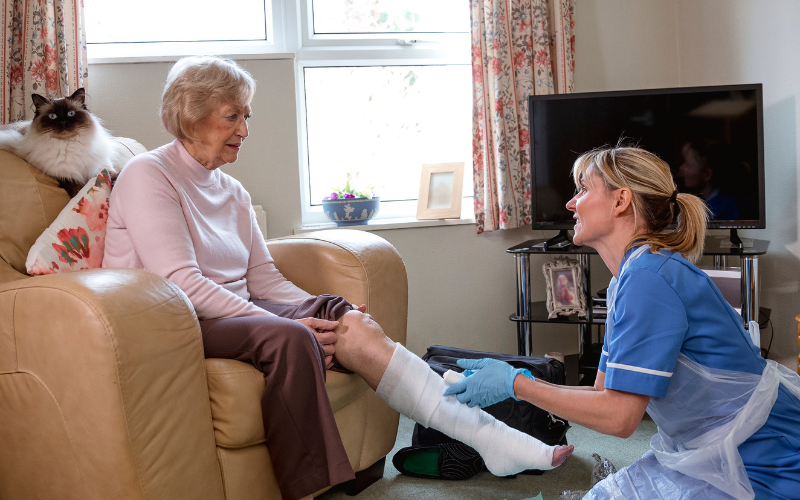
Assessing the Needs of the Elderly Person
Finding the right help for the elderly living at home starts with a clear understanding of their needs. This ensures they receive the most appropriate support to maintain independence and comfort in their own environment. Here’s how you can assess those needs effectively:
Start conversations about daily activities that challenge them. Ask about tasks around the home like cooking or getting dressed, to gauge where they need assistance.
Look out for any signs of declining health. Notice if there are changes in mobility, memory, or mood.
Consider safety around their home. Check if modifications can help prevent falls or other accidents.
Understand their medical requirements. Detail all medications and treatments your loved one is on, and note if managing these has become difficult.
Gauge their social needs. Elderly people often face loneliness which can affect their mental health.
Evaluate how much personal care they need. This includes bathing, dressing, and using the toilet.
Check on their nutrition status by observing eating habits and checking if they can prepare meals themselves.
Identify any specific conditions that need specialist care, such as dementia or arthritis, to find appropriate services.
Listen to what your elderly family member wants from care at home to ensure they feel heard and respected.
Finally, work out a budget for care costs to understand what services are financially viable.
Taking these steps will help you find the right support services that enable your older person at home to live safely and comfortably, while also offering peace of mind to you as their caregiver.
What Is Respite Care and How Does It Help Caregivers?
Respite care offers you a short break from the day-to-day duties of caring for an elderly family member at home. It supports by providing temporary relief, ensuring your loved one continues to receive expert care in the comfort of their own home while you recharge.
This essential service might include personal care, companionship or specialist support, depending on what your loved one needs. Respite care can last a few hours, several days, or even a few weeks.
Taking time for yourself is not a luxury but a necessity for caregivers.
This type of care is crucial because it helps prevent caregiver burnout, a common issue faced by many who juggle caregiving with other life responsibilities. By using respite services, caregivers can take much-needed breaks to look after their health and wellbeing.
Whether it’s running errands, catching up on sleep, or enjoying some leisure time away from caregiving duties—respite care ensures that your elderly parent or relative remains in safe hands while you take a breather.
Benefits of Respite Care for Caregivers
Taking care of a loved one at home can be rewarding but also demanding. Respite care offers you, the caregiver, much-needed breaks. These breaks help prevent burnout by giving you time to rest and recharge.
This way, you can continue providing support with renewed energy and patience.
Respite care allows for flexibility in schedules, enabling caregivers to manage other areas of their lives effectively. Whether it’s attending medical appointments together, spending time with family or simply taking a moment for oneself – respite care ensures your needs are met while maintaining quality support at home for your elderly family member.
Types of Respite Care Available
Understanding the benefits of respite care for caregivers leads us to explore the types of respite care available. Selecting the right kind of respite service can provide reassuring support for elderly people and offer social care for elderly people that meets their specific needs.
In-Home Respite Care: Professionals visit your home to provide care, ensuring your loved one stays in the comfort of their own home. This service can range from a few hours to overnight stays, depending on your needs.
Adult Day Care Centres: These facilities offer social and health services during the day. They are ideal for seniors looking for social interaction and activities, allowing carers time for work or personal errands.
Temporary Residential Care: When carers need a longer break, elderly individuals can stay in a residential care home temporarily. This option offers round-the-clock care in a fully equipped facility.
Specialised Respite Services: For those with specific health conditions like dementia, specialised respite services have staff trained to manage these needs effectively.
Emergency Respite Care: Unexpected situations may require immediate assistance. Emergency respite services ensure that help is available when you suddenly need it.
Community Support Groups: Some communities offer informal respite by arranging volunteers to spend time with the elderly, providing companionship and basic support.
Each type aims to maintain the dignity and independence of elderly individuals while giving carers the necessary break to recharge, reflecting our emphasis on compassionate and skilled delivery of social services, within our community.
How Can Home Care Services Support Elderly People with Dementia?
Home care services play a crucial role in supporting elderly people with dementia. They offer personalised care that adapts to the evolving needs of someone living with this condition.
Homecare for elderly people, particularly those dealing with dementia, involves assisting with daily activities that become challenging due to memory loss or confusion. This includes help with personal hygiene, cooking meals, and ensuring medication is taken on time.
Care workers also provide vital companionship, helping to reduce feelings of isolation and anxiety which are common in individuals suffering from dementia.
Elderly care enables people living at home whilst receiving the support they need.
Moreover, these services can support by implementing strategies that improve safety within the home environment—a key concern for families. Simple adjustments made by professionals can significantly lower the risk of accidents in the home.
Finding trusted dementia care services becomes easier when you know what specific aspects of care your loved one needs and what each provider offers in terms of specialist support.
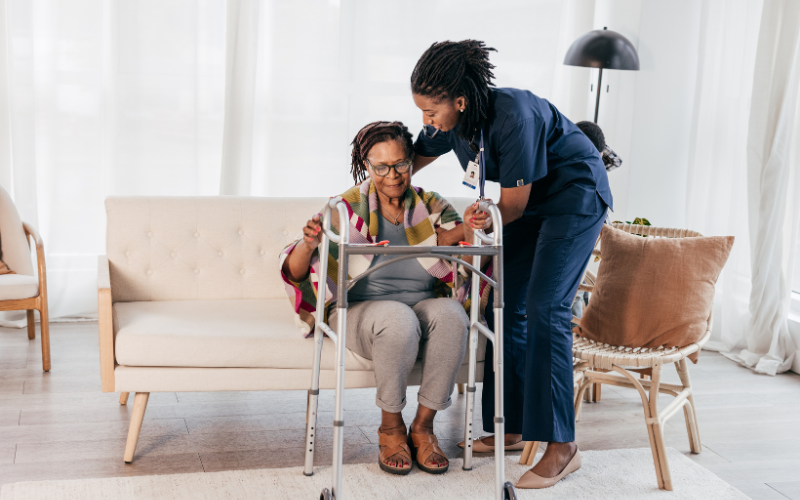
Understanding Dementia Care Needs
Caring for elderly people with dementia requires understanding their unique needs. Dementia affects each person differently, leading to challenges in memory, thinking skills, and everyday tasks.
This condition demands a specialised approach to care that considers the comfort of your own home as a key element in maintaining quality of life. The focus is on creating a safe environment where routines are familiar and support is consistent.
Dementia care involves more than just meeting physical needs; it also includes supporting emotional well-being and offering activities that help maintain cognitive functions. Homecare services can support seniors by providing trained carers who know how to manage the changing behaviours associated with dementia effectively.
These carers work closely with families to ensure that care plans are adaptive and responsive to the evolving needs of your loved one, making sure they live as independently as possible within the safety of their own homecare alone.
Role of Home Care in Managing Dementia
After understanding the specific care needs that come with dementia, it’s vital to explore how home help for elderly people living with this condition plays a crucial role. Home care offers support that is both flexible and responsive to the day-to-day changes those with dementia experience.
Caregivers are trained to provide comfort, manage challenging behaviours, and offer emotional support, making living at home safer and more comfortable for your loved one.
Home care services tailor activities to engage individuals in meaningful tasks, helping them maintain cognitive functions for as long as possible. These services include help with personal care, ensuring medication compliance, and providing companionship.
They also adapt strategies to ensure communication is effective and respectful. By choosing the right home help for elderly persons with dementia, you foster an environment that upholds their dignity while supporting autonomy in a familiar setting.
Finding Trusted Dementia Care Services
Recognising the importance of specialised support, finding trusted dementia care services becomes crucial. Trusted providers understand that dementia affects everyone differently. They offer personalised care plans to meet unique needs.
Families often feel peace of mind knowing their loved ones receive compassionate and skilled health care, right at home.
You might start by looking for homecare agencies, with a strong reputation in offering homecare for elderly people, particularly those with dementia. Check their reviews and ask for recommendations from friends or healthcare professionals.
Ensure they provide support with a wide range of activities adapted to enhance living conditions for your family member coping with dementia. Opting for an agency that prioritises understanding, patience, and expertise can significantly improve the quality of life not just for the person affected but also for the entire family involved in caregiving.
How Can Elderly People Live Independently at Home?
Adapting the home environment is key to help the elderly live independently in their own homes. Simple changes, such as installing grab bars in bathrooms, can make a big difference in safety.
You might also consider arranging for home help for the elderly to assist with activities that have become challenging. Support services offer everything from personal care to help with household tasks, ensuring your loved ones can enjoy comfort and dignity without moving into a care home.
Care should empower, not restrict.
Technological aids are transforming how we support elderly independence at home. Devices like emergency call buttons and medication reminders provide peace of mind for both you and your elderly parents.
With these technologies and a range of services designed to meet specific needs, it’s easier than ever for seniors to maintain their independence and stay safe in their beloved homes.
Adapting the Home Environment for Safety
Your loved one’s safety at home is paramount. Making their living space safe can significantly improve their independence and quality of life. Here are practical ways to adapt the home environment for elderly people living at home:
Install grab bars in the bathroom near the toilet and shower to prevent falls.
Use non-slip mats in the bathtub and on any slippery floors.
Ensure that all rugs are secured to the floor or remove them entirely to avoid tripping hazards.
Improve lighting throughout the home, especially in stairways, hallways, and night paths from the bedroom to the bathroom.
Place commonly used items within easy reach to prevent stretching or bending that could lead to falls.
Adapt door handles and taps to lever models which are easier for elderly hands to use.
Create clear walkways by rearranging furniture, making it easier to move around with a walker or wheelchair if needed.
Install a personal alarm system so they can call for help in case of an emergency.
Set up smoke alarms and carbon monoxide detectors on every floor and test them regularly.
Consider using smart home devices that allow you to control lighting, heating, and other systems remotely for added safety.
Modify steps with ramps or install stairlifts for those who find stairs challenging.
Provide a phone with large buttons and preset emergency numbers.
These adaptations will help ensure your loved one can live more safely and comfortably in their own home, giving you peace of mind about their wellbeing.

Support Services to Maintain Independence
Maintaining elderly autonomy in their homes is key for preserving dignity and personal freedom. Various support services contribute to this aim, with elderly care support guaranteeing security, comfort, and a vibrant lifestyle.
-
Home modifications: Minor alterations in the home can bring about significant improvements. The installation of grab rails, step-in showers, and stairlifts can prevent mishaps and aid elders in moving safely.
-
Personal care assistance: Routine tasks such as bathing, getting dressed, and grooming can get difficult. Care providers offer assistance who help with these activities while respecting the elderly’s privacy.
-
Meal preparation services: Good nutrition is essential for maintaining strength and immunity. Certain services offer meal planning and preparation to ensure nutritional requirements are fulfilled.
-
Medication management: Managing different medications can be perplexing. Professionals can supervise medication schedules to ensure the correct dosages are being taken at the suitable times.
-
Transportation services: For those who no longer have the capability to drive, transportation services facilitate visits to doctors, shopping excursions, and social outings, preserving a connection to their community.
-
Home cleaning services: Home maintenance becomes more challenging with age. Regular visits from cleaners maintain a clean living environment while lessening the burden on the elderly.
-
Technology aids: Equipment such as personal alarms or telehealth devices provide reassurance by ensuring that assistance is always readily available when necessary.
-
Socialisation opportunities: Isolation can have a detrimental impact on health. Community schemes or visiting companions encourage interactions that uplift mood and cognitive function.
-
Financial management help: Comprehending invoices and managing finances frequently present difficulties; financial consultants specialised in elderly care can safeguard against exploitation or financial stress.
10.Pixel Health monitoring systems make it possible for health parameters to be remotely monitored by healthcare professionals, ensuring timely response when necessary.
Each service has its role in aiding elderly individuals to live independently at home, seeking to achieve a balanced life with the exact amount of assistance required to stay safe and content in their familiar environment.
Technological Aids for Elderly Living at Home
Technical aids have transformed home-based care for the elderly, offering a combination of safety and independence. Equipment like medical alert systems equip your loved ones with the ability to summon assistance with a mere button press.
This minor action could be crucial in an unexpected situation. Intelligent home devices provide the convenience of controlling lights, thermostats, and even locks without the necessity of moving around excessively.
These aids not only enhance comfort but also decrease the chance of mishaps within their living quarters.
Wearable technology monitors health metrics such as heart rate and sleep cycles, offering you reassurance about their wellness. With these technological leaps, older individuals can experience improved life quality while situated in the familiarity of their homes.
The projected care cost might differ, yet investing in these technologies guarantees your family member’s independence alongside safety. Next, we’ll discuss how modifying their home environment can further uplift their day-to-day life.
Conclusion
You’re aware of diverse home care services for the elderly, encompassing personal, live-in, and specialist care possibilities. Have you considered the advantages these could offer your cherished one? Selecting an optimal provider involves examining quality, expenses, and particular requirements.
We’ve also explained the significance of respite care for caregivers and support structures for individuals living with dementia. Might there be modifications you could apply to assist an elder in maintaining more autonomy at home? Small changes can contribute to significant enhancements in their life quality.
Check Our Latest Blog Posts
10 Early Signs Your Elderly Parent May Need Home Care Support
UTI in the Elderly: How to Spot It Early and How Home Care Helps
Vitamin B12 Foods for Older Adults: What to Eat and How Home Care Helps
Dental & Oral Care for the Elderly: Tips & Routines
Exercises for Arthritic Hands with Home Care
Memory Games for Seniors with Home Care Support
What Is Sundowning Dementia? Why People With Dementia Become More Agitated at Night
How Home Care Helps Reduce Loneliness After Bereavement
Hearing Aids for Elderly People: How Home Care Helps Day to Day