
UTI in the Elderly: How to Spot It Early and How Home Care Helps
Easy Gardening Tips to Make Gardening Easier for Seniors
Making Gardening Easier for Seniors: Tips and Tools for Enjoyable and Accessible Gardening
Gardening can be a wonderful hobby and bring a great deal of pleasure to many people, but with increasing age, it may begin to appear demanding. You could be pondering over ways to simplify gardening for elderly family members or even foreseeing its simplification for yourself in the future.
Gardening provides significant advantages, including improving physical health and enhancing mental well-being, but the physical effort required can be overwhelming for older people.
An essential understanding is that modifying gardening techniques and tools can effectively lessen the exertion and potential harm, making it a more appealing activity for older individuals.
This article aims to offer unchallenging gardening tips, good advice, and helpful tools that show how to make gardening more accessible for the elderly. It aims to ensure that everyone keeps relishing the therapeutic benefits of gardening without unnecessary physical effort. Get set to transform your garden into a tranquil refuge.
What are the Benefits of Gardening for the Elderly?
Gardening presents multiple advantages for the elderly, serving as an outstanding method to uphold mobility and remain lively. Regular involvement in gardening improves power, flexibility, and coordination, lowering the chance of falls in older individuals.
It’s a wellspring of delight as it promotes well being, providing emotional upliftment and stress reduction with its tranquil interaction with nature.
Furthermore, gardening endorses healthy eating habits by encouraging the growth of fruits and vegetables. This leads to a feeling of achievement and yields fresh produce, which is pivotal for a nutritious diet.
Now, let’s discuss how we can simplify this beneficial activity for seniors to appreciate.
How Does Gardening Improve Mobility?
Engaging in gardening tasks helps improve mobility for older people by encouraging movement and activity. Regular bending, stretching, and walking around the garden are excellent physical exercises that increase flexibility and strengthen muscles.
These activities are essential for maintaining joint health, enhancing balance, and reducing the risk of falls among older people. Gardening offers a gentle yet effective way to encourage seniors to move more, making it an integral part of promoting physical fitness and well-being in older adults.
Gardening is not just a hobby; it’s a form of therapy that significantly improves physical health by boosting mobility and flexibility in seniors.
Why Gardening is Great for Older Adults
Gardening offers countless health benefits, even for older adults, making it a fantastic activity to incorporate into their routine. It promotes physical health by improving mobility and flexibility, as gardening requires movements such as bending, stretching, and walking.
These actions help maintain or even enhance motor skills. Gardening also serves as a natural form of exercise, encouraging elderly gardeners to spend time outdoors, which can significantly boost vitamin D levels from sunlight exposure.
Beyond physical well-being, gardening contributes positively to mental health. This hobby acts as a stress reliever by reducing cortisol levels — the body’s stress hormone. Elderly individuals find joy and satisfaction in nurturing plants and watching them grow.
The sense of accomplishment from harvesting fruits or flowers from beautiful garden cultivates happiness and can reduce feelings of depression or loneliness in elderly gardening. In essence, elderly gardening creates an enriching and supportive environment with beautiful garden that supports both the bodily health and emotional vitality of older people, making their golden years more enjoyable and fulfilling.
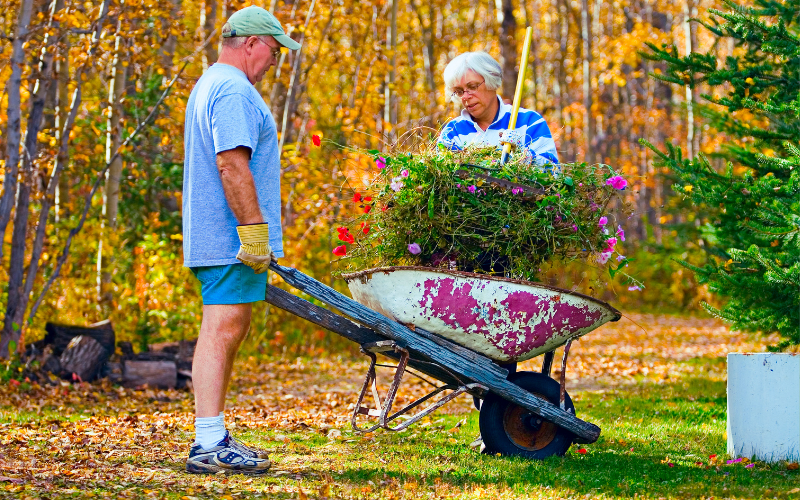
The Joy of Gardening for Elderly Individuals
Elderly individuals find a unique pleasure in gardening. It offers them a sense of achievement and autonomy. Handling soil, planting seeds, and watching plants grow can significantly boost their morale.
Gardening brings older adults closer to nature, promotes well being provides them with peaceful moments outside.
This activity also encourages seniors to enjoy gardening in their community garden and shares gardening tips with them to stay active and engaged. Creating life through the act of gardening fills many seniors with joy and pride. They relish the beauty of their garden, finding solace in the vibrant colours, choosing plants, and varied textures around them.
For many older adults, maintaining a garden becomes not just a hobby but an essential part of their daily routine that keeps them connected to the world.
How Can We Make Gardening Easier for Seniors?
Making gardening easier for seniors involves introducing ergonomic gardening tools for seniors that are specially designed to reduce strain on the body. These tools have padded handles and are often longer, allowing one to work in the garden without bending over too much or kneeling.
These few safety tips can be constructive for those with mobility issues or arthritis, ensuring they continue to enjoy this rewarding hobby safely.
Another effective strategy is the use of raised beds, which lift the planting area off the ground. This makes it easier for elderly gardeners to plant seeds, tend their plants, and harvest without having to bend down.
Gardening seats and kneelers further aid in making gardening a more enjoyable experience by providing comfort and support during outdoor activities. Moving onto gardening tips, that make enjoyable gardening experience even more accessible will help keep your garden thriving with minimal effort.
Using Ergonomic Tools for Easy Gardening
Gardening becomes a breeze for the elderly with the right tools in their hands. Ergonomic tools are specially designed to reduce strain and increase comfort, making gardening easier and safer for older adults.
Here’s how ergonomic tools for watering plants can transform gardening into a more enjoyable experience:
Ergonomic Towels have padded handles, which make them comfortable to hold. This reduces stress on joints, helping those with limited mobility or arthritis.
Long-handled tools allow gardeners to work without bending over too much. This is great for reducing back pain and making it possible to garden for more extended periods.
Lightweight Secateurs are easier to handle than traditional ones. They come with spring mechanisms that require less effort to cut through branches.
Garden Kneelers offers support and cushioning for knees. They often come with handles, assisting in getting up and down with ease.
Rolling Garden Seats help you move around your garden without the need to stand up. These are ideal for individuals who tire easily or have difficulty standing for long durations.
Adjustable Rakes adapt to your height, preventing unnecessary stretching or bending. Their flexibility means every corner of the garden is manageable.
Watering Wands reach plants without the need for stretching or bending. They ensure water gets directly to the roots where it’s most needed.
Equipped with these ergonomic tools, gardening turns into a source of joy rather than a chore, keeping elderly gardeners engaged and active in their beloved outdoor space.
Raised beds take this ease a step further by bringing the whole garden much closer to you.
Why Raised Beds Are Ideal for Elderly Gardeners
Raised beds convert gardening into a more manageable and pleasurable pursuit for gardening for the elderly, too. These heightened structures of raised garden beds ensure that an enjoyable gardening experience for the elderly becomes easier, reducing physical stress and boosting joy.
Lessened Bending and Stooping: Raised beds lift the soil to waist level. This translates into fewer bendings for seniors, which aids in preventing back strain and making gardening more comfortable.
Enhanced Drainage: Higher garden beds support superior water drainage compared to traditional gardens. Seniors find managing plants that aren’t overly watered or too dry much simpler.
Potential for Greater Yields: With better soil conditions and drainage, raised beds frequently result in healthier plants and, eventually, greater yields of vegetables, herbs, or flowers.
Increased Accessibility: Walkways can be formed between raised beds at a fitting width for wheelchair users or those with walkers, making gardening easier for everyone regardless of their mobility levels.
Easier Pest Control: It’s simpler to put up barriers around a raised bed than an entire ground-level garden. This ease helps keep unwanted pests away from your beloved plants.
Extended Growing Season: The soil in raised beds heats up more rapidly in spring compared to ground level. This prolongs the growing season allowing seniors to begin gardening earlier each year.
Adjustable Height Levels: Raised beds can be constructed or adjusted to any height to match personal preferences or specific requirements of elderly gardeners, ensuring comfort while engaging in the activity they love.
Superior Soil Quality Control: Crafting the perfect blend of soil is easier within a confined space like a raised bed. This guarantees plants flourish under optimal conditions, which might be challenging to attain in regular garden plots.
Promotes Social Interaction: Gardening in raised beds can turn into a shared activity among peers, promoting social connections and motivating an active lifestyle within the older adult population.
Enhanced Safety: Elderly individuals can maintain balance better as they don’t have to negotiate uneven ground commonly encountered in traditional gardens; this vital aspect makes gardening safer for them.
Chance for Personalisation: Raised bed layouts permit gardeners to add their touch by selecting materials that are not just functional but also visually appealing, improving their overall gardening experience.
Interacting with nature through the raised garden beds and bed gardening presents numerous therapeutic benefits, forming opportunities for seniors to stay physically active and for seniors enjoy their gardening skills without the setbacks of conventional methods container gardening.
Leveraging Gardening Seats and Kneelers
Gardening offers many health benefits but can pose challenges as you get older. Leveraging gardening seats and kneelers makes this beloved activity more accessible for the elderly.
• Choose gardening seats that are adjustable. This allows you to change the height to suit your comfort level, reducing strain on your knees and back.
• Look for kneelers with thick padding. A well-padded kneeler provides better support to your knees, making it easier to spend more time enjoying gardening without discomfort.
• Opt for models with handles. Gardening seats and kneelers with handles help you stand up more easily, offering extra support and safety in the garden.
• Consider the material’s durability. Ensure that both the garden seat and kneeler are made from durable materials capable of withstanding outdoor conditions, ensuring they last longer and provide value for money.
• Seek out products with storage space for container gardening only. Some gardening seats come equipped with pockets or compartments where you can keep your gardening tools within reach, enhancing efficiency and convenience.
• Check for portability and easy storage. Lightweight designs that fold flat make it simpler to move the seat or kneeler around your garden or store it away when not in use.
• Pay attention to weight capacity. Verify that the gardening seat or kneeler can support your weight securely to ensure safe use every time.
Using these gardening tips also helps make gardening a joyous, less strenuous activity for elderly individuals who cherish spending time nurturing their outdoor space.
What are the Top Tips to Make Gardening Accessible?
Selecting suitable tools has a significant part in simplifying gardening tasks for the older generation. Choose garden equipment with padded grips and contemplate variants with longer handles to curb the necessity for bending and reaching, which can become difficult.
Ergonomic tools are paramount as they aid in reducing pressure on hands and wrists, assuring gardening remains a delight instead of becoming just a hobby or cause of discomfort.
Constructing an uncomplicated to upkeep outdoor area is another vital recommendation. This might encompass employing raised garden beds, which lessen the need to stoop down and make it much more feasible for older individuals to delight in their gardening skills.
Putting into effect vertical horticulture methods gives the opportunity to use space effectively while cutting down on physical exertion. With these methods put in place, older individuals can persist in enjoying gardening’s advantages without undesired difficulty.
Now, let’s turn our attention toward indoor horticulture and how it can provide parallel benefits in the coziness of your home.
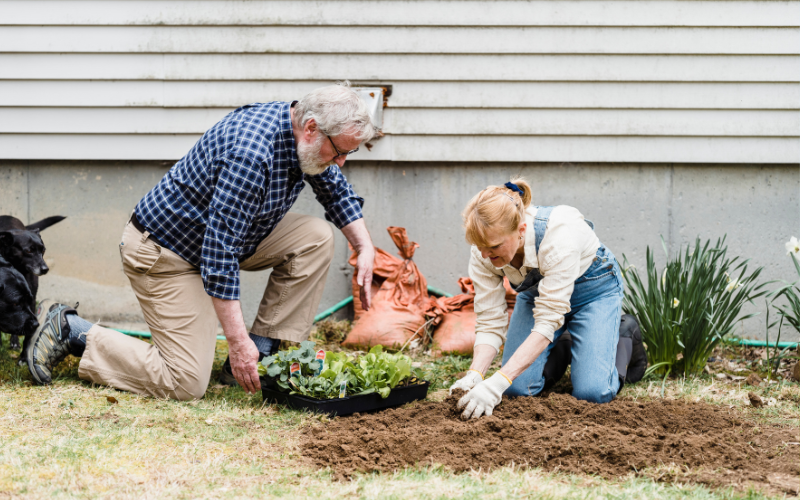
Choosing the Right Tools for Gardening Tasks
Gardening offers wonderful benefits for the elderly, but choosing the right tools is crucial. The correct equipment can make the gardening far more enjoyable garden, safe, and accessible.
Look for padded handles on tools. These reduce strain on hands, making gardening more comfortable.
Invest in long-handled tools to avoid bending or stretching too much. This helps prevent back pain.
Choose lightweight tools to ease the burden on arms and shoulders.
Ergonomic designs are important for elderly gardeners. They help maintain a natural hand and wrist position to cut down on discomfort.
Opt for tools with easy-to-use mechanisms, like ratchet pruners, which require less strength to operate.
Select garden equipment that suits your type of garden and the tasks at hand. A small, handheld hoe may be great for a flowerbed but not for a vegetable patch.
Consider wheeled garden carts for moving heavy pots or soil around, saving energy and preventing falls.
Tools with telescopic handles allow you to adjust the length according to your needs, promoting better posture while working.
Gardening seats and kneelers protect knees and make getting up easier.
For indoor gardens, choose compact tools specifically designed for smaller spaces.
Hanging baskets with pulley systems make watering and tending to plants at height safer and easier.
In summary, selecting the right gardening equipment goes a long way in making gardening enjoyable and feasible for elderly individuals by addressing common mobility issues and reducing fatigue.
Creating an Easy-to-Maintain Outdoor Space
Creating an easy-to-maintain outdoor space is vital for making gardening easier for the elderly. This approach reduces the physical stress on seniors and allows them to enjoy gardening with less effort. Here are some key steps to achieve this:
Choose plants that require minimal upkeep. Opt for perennials like lavender or rosemary, which thrive in many conditions and don’t need constant care.
Install a drip irrigation system. This system waters your plants automatically and ensures they receive the right amount of moisture without manual effort.
Apply mulch around your garden beds. Mulch helps retain soil moisture, suppresses weed growth, and reduces the need for frequent watering.
Create clear and wide pathways. Ensuring that paths are level and free of obstacles makes access easier for those with mobility issues.
Opt for compact, dwarf varieties of plants that grow well in limited space without requiring regular pruning.
Incorporate raised beds and containers to minimize bending and stooping, making planting and weeding more accessible.
Select gardening tools designed for ease of use among seniors, such as those with padded handles or ergonomic designs that cut down on hand strain.
Encourage planting native species as they are adapted to local conditions, require less water and fewer fertilisers, and resist pests better.
The next step focuses on leveraging vertical gardening techniques to make vertical gardens maximize existing garden space, save money and reduce physical strain further.
Implementing Vertical Gardening Techniques
After creating a manageable outdoor area, it’s time to discover how vertical gardening methods can transform gardening for the elderly. This method saves space and decreases the need for bending and stretching, thus making gardening more accessible.
Opt for lightweight planters that are simple to lift. This makes it effortless to modify your garden layout without any strain.
Set up wall-mounted planters or hanging baskets at a convenient height. This facilitates easy watering and upkeep without the need to bend over.
Use trellises for climbing plants like tomatoes and beans. These supports aid plants to grow vertically, saving space and simplifying the harvesting process.
Prefer vertical gardening kits made especially for seniors. These kits often provide everything you require to start, including ergonomic tools.
Integrate a drip irrigation system into your vertical garden. It brings water directly to the plant roots, removing the chore of manual watering.
Choose herbs like mint and basil that flourish in vertical gardens. These add tastiness to meals and are also easy to look after.
Take advantage of pocket planters that can be hung on any sunlit wall or fence. They’re ideal for growing diverse plants in confined spaces.
Add wheeled bases under larger vertical planters. This enables easy movement to catch the sun or shade as necessary, without any physical stress.
Vertical gardening provides a fantastic approach to make gardening simpler and more pleasurable for the elderly, reducing physical effort while increasing experienced gardeners productivity and enjoyment.
How Can Indoor Gardening Benefit the Elderly?
Indoor gardening offers up numerous benefits and advantages to senior citizens, proving an excellent way for them to participate in gardening within their living room. It helps old-aged individuals to sustain their interaction with the environment, which plays a key part for mental well-being.
Having plants indoors can cleanse the atmosphere, contributing to a healthier living space. Furthermore, looking after indoor plants requires less physical input than outdoor, with minimal watering of plants and gardening activities.
Thus, numerous senior people find it more manageable to nurture and garden share their community gardens without tiring themselves excessively.
Gardening is more than a delightful part of life; it is an entry point to improved health for our older citizens.
In addition, initiating an indoor garden imparts a sense of purpose and instills a feeling of achievement when they observe their plants flourishing in pots and hanging containers. This leisure activity also stimulates cognitive functions through the planning and problem-solving associated with plant upkeep.
For older adults interested in receiving indoor gardening with assistance or desiring to continue participating in this rewarding pastime despite mobility challenges, indoor gardening evidences that age doesn’t hinder the nurturing of growth within one’s home.
Tips for Starting an Indoor Garden
Initiating an indoor garden can be a gratifying hobby for elderly individuals, presenting happiness and a hint of nature within their residences. It brings an enjoyable gardening experience into the coziness of your living room beside the low-maintenance plants, making it available throughout the year. Here are some recommendations to assist you in planning and flourishing your indoor garden:
Select low-maintenance plants that demand effortless care. Succulents and cacti need minimal watering.
Make sure your plants receive ample light, placing them close to windows or utilizing grow lights if required.
Select pots for your potted plants that have adequate drainage to prevent waterlogging, which can damage the roots.
Initiate with seedlings or small plants from your local garden center to get a head start.
Employ a high-quality potting mix suited for indoor plants; this will aid your plants in flourishing.
Regularly inspect your plants for signs of pests or disease – swift detection simplifies treatment.
Apply a watering schedule that fits the requirements of each specific plant type in your garden.
Utilize hanging baskets and vertical stands to conserve space and add dimension to your indoor garden.
Fertilize sparingly but consistently, as indoor plants will have differing nutritional needs compared to outdoor ones.
With these recommendations ready, you’re perfectly prepared to introduce a piece of the outdoors indoors, providing numerous elderly gardening benefits devoid of the demand for extensive physical labour or outdoor area.
Selecting the appropriate garden tools is critical as well; let’s discover how selecting ergonomic tools and gardening tools can improve accessibility and comfort for seniors when maintaining an indoor garden.
Using Pots and Hanging Baskets for Indoor Plants
Pots and hanging baskets bring the joy of container gardening indoors, making it accessible for elderly individuals who may find outdoor container gardening more challenging. This method allows you to place plants at comfortable heights, eliminating the need to bend or kneel.
Pots that fit on window sills, tables, or anywhere with enough light can fill your home with greenery. Hanging baskets are great for adding a touch of nature above ground level, keeping walkways clear, and reducing tripping hazards.
Both options offer a way to plant seeds in a garden right inside your home, ensuring seniors can enjoy the therapeutic benefits of growing and nurturing without physical strain.
Choosing suitable pots and hanging baskets also makes life easier by providing flexibility in garden design. With an array of sizes, bright colors, and materials available, finding containers that match any indoor space or an existing garden and your garden layout is straightforward.
These gardening safety tips and methods support seniors enjoy gardening with various plants—from flowers that brighten up rooms to herbs that thrive in your kitchen—encouraging seniors to engage in this rewarding activity safely.
It’s a great way to make gardening easier for the elderly while fostering a connection with nature indoors.
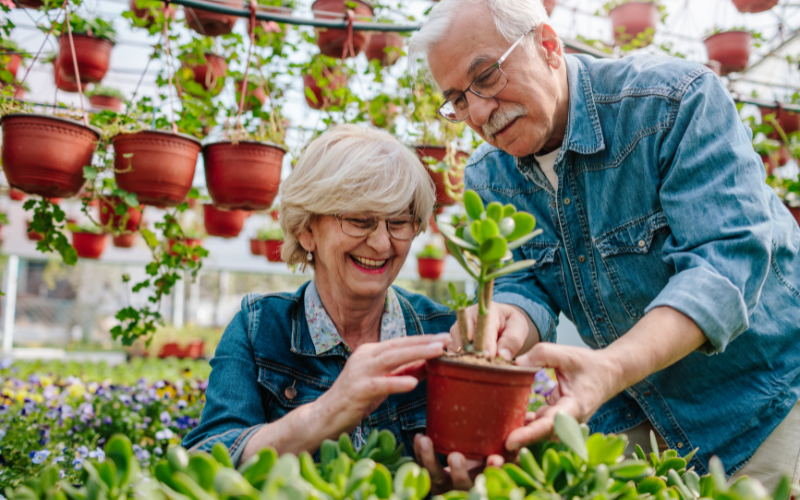
How to Choose the Best Gardening Tools for Elderly Gardeners?
Choosing the best gardening tools for elderly gardeners means looking for features that reduce strain and increase comfort. Go for tools with padded handles, which are easier on the hands and make gardening a more enjoyable activity.
Long-handled tools allow seniors to reach further without bending or stretching too much, helping to keep them safe from injury.
Selecting ergonomic gardening tools is essential for those with limited mobility. Tools designed specifically for ease of use can significantly improve the gardening experience by reducing fatigue and preventing discomfort. Finding equipment that fits well into an elderly person’s lifestyle will ensure they can enjoy their garden with less help, keeping them active and engaged in their beloved hobby.
The Importance of Padded Handles and Long-Handled Tools
Padded handles on garden tools can make a big difference for elderly gardeners. They reduce the strain on hands, making gardening tasks much more comfortable. This feature is crucial because strong grip strength may decrease with age.
With padded handles, seniors find it easier to hold onto tools, allowing them to garden longer without discomfort.
Long-handled tools also play a vital role in accessible gardening for older people. These tools allow seniors to reach plants and soil easily without bending or kneeling too much. This means less stress on joints and muscles, helping them to maintain mobility and enjoy their time in the garden with less pain.
Using long-handled tools is an excellent way for many elderly individuals to keep up with their gardening needs safely.
Selecting Ergonomic Gardening Tools for Limited Mobility
Selecting ergonomic gardening tools is a crucial step to help with the gardening goals for individuals with limited mobility. These tools are designed to reduce strain and increase comfort, enabling longer periods of gardening without discomfort.
Look for tools that have long handles that allow you to reach the ground easily without bending or stretching too much. Lightweight materials such as aluminum can make the tools easier to handle, especially for elderly gardeners who might find heavy equipment challenging.
Grip is another important aspect; rubber-coated handles provide better control and reduce the risk of slipping. Tools fitted with arm support cuffs distribute weight more evenly, lessening the burden on your wrists and forearms.
By choosing these ergonomic features wisely, you ensure that gardening activities remain enjoyable and accessible despite any physical limitations one might face.
Moving forward, let’s consider how raised beds can further transform the gardening experience for elderly individuals in community gardens.
Finding the Perfect Gardening Equipment for Older People
Finding the appropriate gardening equipment can significantly simplify the gardening process for older individuals. Ergonomic tools are vital as they lessen tension and increase ease of grip and usage, which is crucial for senior gardeners who may encounter mobility or strength challenges.
Search for tools with cushioned handles, as they are more user-friendly for extended durations. Tools with elongated handles facilitate gardening without excessive bending, thereby avoiding back tension.
Considering tools made from lightweight yet durable materials can make these tasks less exhausting. Tools specifically crafted for limited mobility can considerably assist elderly individuals in maintaining their involvement in their gardens without jeopardising their health.
It’s vital to locate equipment that aligns with the unique gardening needs while low-maintenance plants also provide sensory stimulation, improving safety and pleasure in outdoor activities. This method ensures low-maintenance plants so that seniors can flourish in their community garden, nurturing a feeling of self-reliance and satisfaction.
Conclusion
You learned about making gardening more accessible for seniors, from using ergonomic tools to vertical gardening. These five top tips ensure that gardening for the elderly remains a joy and improves mobility without strain.
Easy-to-maintain gardens and indoor options offer flexibility. Our garden tours and home care services support these activities with skilled assistance. Let the good advice in this guide inspire you to create accessible gardens that foster independence and enjoyment.
Check Our Latest Blog Posts
Vitamin B12 Foods for Older Adults: What to Eat and How Home Care Helps
Dental & Oral Care for the Elderly: Tips & Routines
Exercises for Arthritic Hands with Home Care
Memory Games for Seniors with Home Care Support
What Is Sundowning Dementia? Why People With Dementia Become More Agitated at Night
How Home Care Helps Reduce Loneliness After Bereavement
Hearing Aids for Elderly People: How Home Care Helps Day to Day
Senior Stretching Exercises: 5 Simple Bed Stretches to Start the Day
Heatwave Safety: How to Keep Elderly Parents Safe in Hot Weather