
UTI in the Elderly: How to Spot It Early and How Home Care Helps
Handling Difficult Behaviours: Tips for Confusion, Anger and Anxiety in Seniors
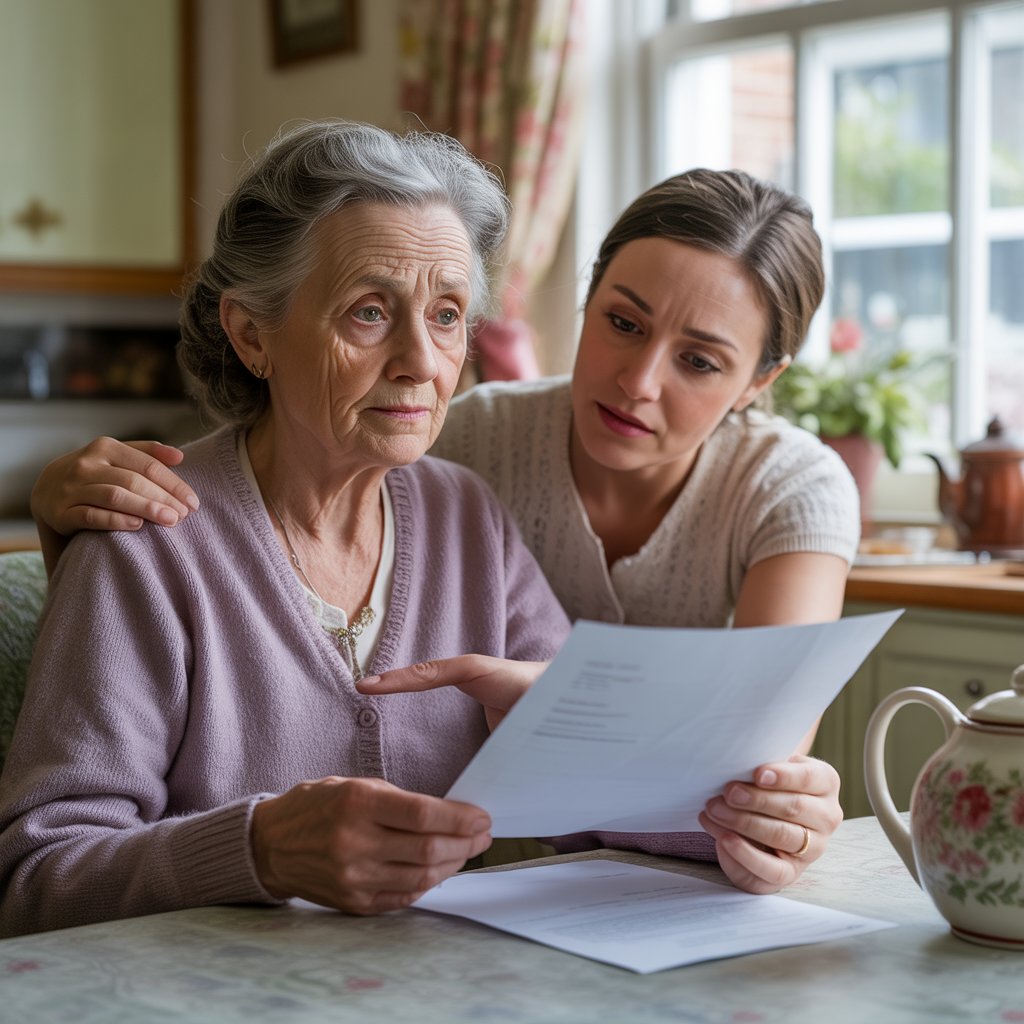
Changes in behaviour can be one of the most distressing aspects of ageing for both older adults and their families. Confusion, anger and anxiety often appear unexpectedly, leaving loved ones unsure how to respond. Across the UK, many families caring for ageing parents find these moments emotionally challenging, particularly when behaviour changes disrupt daily routines or relationships. Understanding why these behaviours occur and how to respond calmly makes a meaningful difference.
Difficult behaviour is rarely intentional. It is often a response to fear, discomfort or feeling overwhelmed. With the right approach and professional home care support, seniors can feel more secure and understood in their own homes. This guide shares practical elderly behaviour management tips to help families handle confusion, anger and anxiety with confidence while protecting dignity and emotional wellbeing.
Understanding Why Behaviour Changes Happen in Older Adults
Behaviour changes in later life are often linked to physical, emotional or cognitive changes. Confusion in elderly people may develop due to memory loss, dementia, illness or medication changes, making senior care for memory loss patients an important part of maintaining stability and reassurance at home. Anxiety can arise when familiar routines change or when independence begins to feel uncertain. Anger may surface when an older adult struggles to communicate their needs or feels frustrated by limitations they did not previously experience.
Many families notice behaviour changes after hospital stays, infections or periods of reduced mobility. These triggers can increase agitation or emotional outbursts, especially when seniors feel disoriented or tired. Recognising that behaviour is a form of communication allows carers to respond with reassurance rather than confrontation.
Handling Confusion in the Elderly with Calm and Reassurance
Handling confusion in the elderly requires patience and consistency. Seniors who feel disoriented often benefit from calm voices, familiar surroundings and predictable routines. Arguing or correcting confusion can increase distress, while reassurance helps rebuild confidence.
Supporting coping with confusion in older adults may involve speaking slowly, offering simple explanations and allowing extra time for responses. Maintaining consistent daily routines such as regular meals and rest periods creates a sense of safety. Professional carers understand how to guide gently without overwhelming, helping seniors feel supported rather than rushed.
Managing Anger and Aggression in Seniors at Home
Anger and aggression in seniors can be unsettling for families, yet these reactions are often driven by fear or discomfort rather than intent. Managing agitation in seniors begins with identifying triggers such as pain, fatigue or confusion. Responding calmly and allowing space when needed can prevent situations from escalating.
Effective de escalation strategies in elderly care focus on lowering emotional intensity. Speaking softly, maintaining relaxed body language and redirecting attention can help calm tense moments. Trained carers are skilled at recognising early signs of agitation and adjusting care approaches before frustration builds.
Supporting Seniors with Anxiety and Emotional Distress
Anxiety symptoms in older adults may include restlessness, repeated questions or withdrawal. Emotional outbursts in ageing parents are often linked to uncertainty or fear of losing control. Handling sundowning in seniors, where anxiety increases later in the day, requires gentle reassurance and familiar evening routines.
Calming techniques for anxious seniors may include quiet companionship, familiar music or reassuring conversation. Non medication approaches to behaviour management are often highly effective when delivered consistently in a familiar home environment. Over time, these supportive approaches help reduce distress and build emotional resilience.
What Are the Five Steps of Dealing with Challenging Behaviour
How to deal with challenging behaviour in the elderly often follows a clear and compassionate approach. First, identify what may be triggering the behaviour such as discomfort or confusion. Second, respond calmly and ensure safety for everyone involved. Third, offer reassurance rather than correction. Fourth, adjust the environment or routine to reduce stress. Fifth, review care needs and seek professional support when behaviours persist.
These steps form the foundation of effective behaviour management in home care. Experienced carers apply them daily, adapting support to each individual rather than using a fixed response.

How Professional Home Care Supports Behaviour Management
Managing difficult behaviours in seniors becomes more sustainable with professional support. Home care provides continuity, structure and emotional reassurance for older adults while easing pressure on families. This is particularly important when behaviour changes are linked to physical discomfort or care needs, such as urinary catheter care at home, where calm, respectful support can significantly reduce anxiety and agitation. Senior mental health support is strengthened through consistent care relationships and personalised routines.
Vitality Care and Support Services offers tailored care that addresses behaviour changes with sensitivity and expertise. Dementia support improves daily routines, companionship reduces loneliness and respite care gives family carers time to recharge. Live in care offers constant reassurance for seniors who need ongoing supervision and emotional stability.
Get the Right Support for Difficult Senior Behaviours
Difficult behaviours such as confusion, anger and anxiety are common in later life and can feel overwhelming without the right support. With compassionate understanding and practical elderly behaviour management tips, families can respond calmly and protect emotional wellbeing at home. Professional home care allows seniors to feel safe, respected and supported while giving families peace of mind.
Vitality Care and Support Services provides personalised care solutions that adapt to changing needs and meet UK care standards. Book your consultation today to explore how professional home care can restore balance, confidence and comfort for your loved one at home.
Check Our Latest Blog Posts
Vitamin B12 Foods for Older Adults: What to Eat and How Home Care Helps
Dental & Oral Care for the Elderly: Tips & Routines
Exercises for Arthritic Hands with Home Care
Memory Games for Seniors with Home Care Support
What Is Sundowning Dementia? Why People With Dementia Become More Agitated at Night
How Home Care Helps Reduce Loneliness After Bereavement
Hearing Aids for Elderly People: How Home Care Helps Day to Day
Senior Stretching Exercises: 5 Simple Bed Stretches to Start the Day
Heatwave Safety: How to Keep Elderly Parents Safe in Hot Weather