
UTI in the Elderly: How to Spot It Early and How Home Care Helps
How to Prevent the Elderly from Falling Out of Bed in Care Facilities?
To prevent falls in elderly care facilities, combine tailored equipment, strategic environmental modifications, and dedicated caregiver support. Equip beds with supportive mattresses, bed rails, and secure fitted sheets. Maintain appropriate bed height and place non-slip mats nearby. Train caregivers in fall prevention techniques and conduct regular safety assessments. Encourage consistent nighttime routines and guarantee clear paths to the bathroom. These measures enhance safety and reduce fall risks, offering valuable insights into elderly care facility management.
Key Takeaways
- Install bed rails to provide a physical barrier and support for elderly residents.
- Choose mattresses with stable edges and appropriate firmness to enhance safety and stability.
- Adjust bed height for easy access and safe egress for residents.
- Train caregivers in fall prevention techniques and conduct regular safety assessments.
- Use non-slip mats and appropriate lighting to ensure a secure nighttime environment.
What Causes Older Adults to Fall Out of Bed in Care Facilities?
In care facilities, older adults are at an increased risk of falling out of bed due to factors such as reduced mobility, cognitive impairments, and the side effects of medications. The design and firmness of mattresses can greatly influence this risk, as overly soft or poorly supported surfaces may lead to instability. Addressing these concerns requires a thorough assessment of individual needs and the careful selection of appropriate bedding solutions to enhance safety.What Increases the Risk of Elderly People Falling Out of Bed?
Why do elderly individuals experience such a heightened risk of falling out of bed, particularly in care facilities? Factors contributing to fall risk include cognitive impairments like dementia, which affect awareness and coordination. Inadequate bed rails and incorrect bed height can exacerbate this risk. Care facilities often face challenges during the night when caregivers are fewer caregivers, and older adults may attempt to get up unsupervised. Bed alarms can alert staff, but may not always be effective in preventing falls. Mattresses may also play a role, but their impact will be discussed later.| Factor | Impact on Fall Risk | Solution |
|---|---|---|
| Dementia | Increased confusion | Enhanced supervision |
| Bed Rail | Insufficient protection | Proper installation |
| Bed Height | Difficulty in getting in/out | Adjustable beds |
| Night | Reduced supervision | Increased staffing |
How Do Mattresses Influence Fall Risk in Older Adults?
Understanding the role of mattresses in fall risk for older adults requires careful consideration of both the design and material of the bedding used in care facilities. The right mattress can notably influence fall prevention by providing adequate support and stability, reducing the risk of falling out of bed. Mattresses that are too soft may increase the risk by allowing seniors to roll off the edge, while overly firm options might not contour to the body properly, affecting balance when getting in and out of bed. Additionally, the height of the bed, combined with the mattress’s thickness, plays a critical role in safety. Selecting mattresses designed to prevent injury by accommodating the unique needs of the elderly can enhance the overall sleeping environment and safety.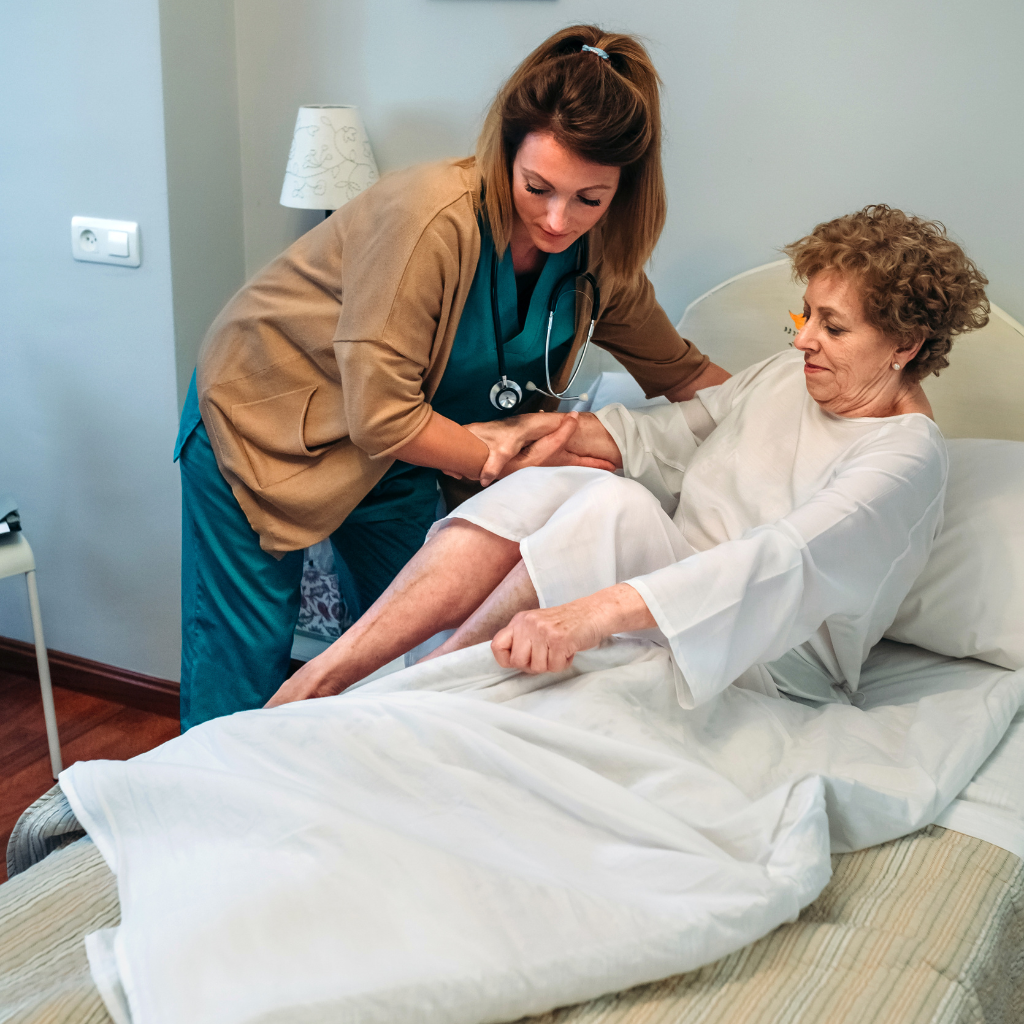
How Can You Help Older Adults Stay Safe from Injury at Night?
To effectively reduce the risk of injury for older adults at night, care facilities must implement practical measures that prioritise safety and comfort.
Utilising bed rails, non-slip mats, and ensuring adequate lighting are essential strategies in preventing falls during sleep.
Additionally, training caregivers in proper monitoring techniques and fall prevention methods can greatly enhance the safety of elderly residents.
What Tips Help Keep the Elderly from Falling During Sleep?
While the tranquility of nighttime should offer rest and rejuvenation, it also presents unique challenges in preventing falls among the elderly in care facilities.
To help prevent falling out of bed, caregivers can install bed rails, which create a sturdy barrier to keep loved ones safe in bed. For a softer alternative, placing a pool noodle under the fitted sheet can also reduce the risk of falls by providing a gentle edge.
Additionally, positioning a fall mat next to the bed can cushion any unintended descents, thereby minimising the risk of injury.
These measures collectively guarantee that the elderly remain safe during sleep, effectively preventing falls from bed and allowing for a peaceful night’s rest.
How Can Caregivers Prevent Falls from Bed in Older Adults?
Ensuring the safety of older adults at night is a multifaceted challenge that requires both proactive measures and an understanding of individual needs.
Caregivers play an important role in preventing falls in elderly individuals by implementing several strategies. Installing a bed rail can greatly reduce the risk of elderly people rolling off the bed. Additionally, placing a fall mat next to the bed can provide extra cushioning, minimising injury if a fall occurs.
Personalised care plans should consider each resident’s specific needs and health conditions. Regular assessments of home safety are essential to identify potential hazards.
Through vigilance and tailored interventions, caregivers can effectively reduce the risk of a fall, providing peace of mind and enhanced safety for older adults.
What Equipment Can Prevent Elderly People from Falling in Bed?
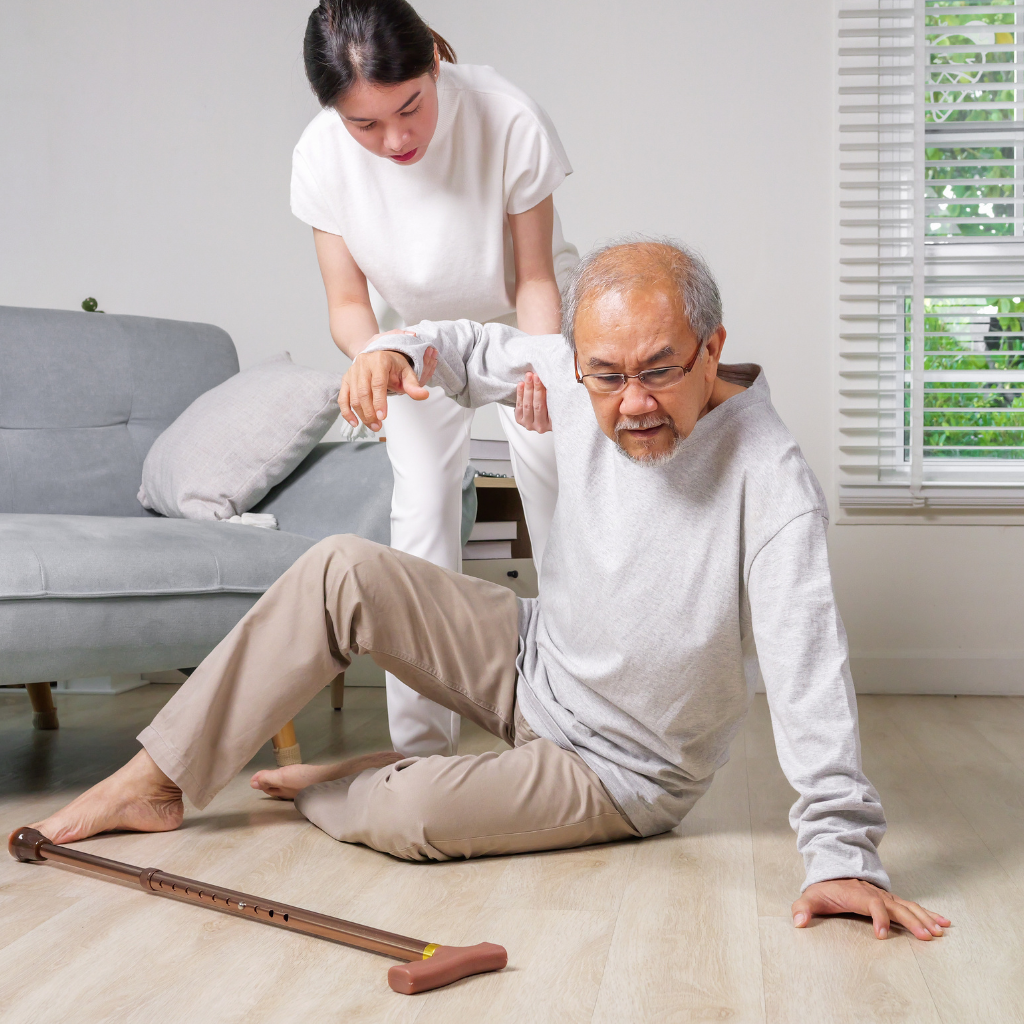
Selecting the right equipment is essential in preventing elderly individuals from falling out of bed, a common concern in care facilities. For older people, especially those with limited mobility or cognitive challenges, even routine movements can make a fall more likely.
Mattresses designed with supportive edges can offer stability, particularly when moving toward the side of the bed, reducing the likelihood of accidental falls during sleep shifts or attempts to get out of bed.
Additionally, bed rails provide an extra layer of security, acting as a physical barrier that not only prevents falls but also offers reassurance and a sense of independence. Placing a stable chair beside the bed can also assist with safe transfers and reduce the risk of imbalance.
Which Mattress Features Help Prevent Falls in the Elderly?
How can a mattress contribute to preventing falls among the elderly? A well-chosen mattress can offer essential support and stability, greatly reducing the risk of falls.
Key features include the appropriate height of the bed and the use of fitted sheets to prevent slipping.
Additionally, placing a mat next to the bed can cushion potential falls, offering peace of mind for those prone to falling.
Dementia can increase the risk of falling from bed, necessitating thoughtful measures to prevent seniors from falling.
- Supportive design: Guarantees stability and comfort.
- Height of the bed: Facilitates easy access and exit.
- Secure fitted sheets: Prevent unwanted movement.
- The mat next to the bed Acts as a soft barrier to reduce the risk of injury.
Implementing these features can create a safer sleeping environment.
How Can Bed Rails Prevent Elderly People from Falling at Night?
In addition to choosing the right mattress, bed rails serve as another effective measure to enhance safety for elderly individuals in care facilities.
Bed rails are vital tools in fall prevention, particularly during night falls when visibility and awareness are reduced. They provide a physical barrier that helps prevent falls, contributing greatly to elderly safety.
These rails are strategically designed to guarantee bed safety and prevent injuries by offering support for repositioning or getting in and out of bed.
In senior care settings, implementing such safety measures is fundamental to reducing the risk of falls. Care facilities benefit from incorporating bed rails, as they not only safeguard the residents but also offer peace of mind to caregivers focused on maintaining high standards of senior care.
What Should Caregivers Know About Bed Fall Prevention in Seniors?
Caregivers must be equipped with the ability to accurately identify seniors who are at high risk of falling, which involves evaluating factors such as mobility limitations, medication side effects, and cognitive impairments. Certain medications and physical conditions can increase your risk of falls, making thorough assessments even more important.
Extensive training is essential, as it empowers caregivers with vital skills and knowledge to implement effective fall prevention strategies tailored to individual needs. For example, using bed rails not only helps with repositioning but can also create a barrier that reduces the chance of accidental movement that could lead to a fall.
In some cases, simply adjusting the bed can help improve access and safety. These thoughtful adjustments are a proven way to prevent unnecessary injuries and can make a significant difference in efforts to keep your loved one safe and comfortable.
How Can Caregivers Identify Adults at High Risk of Falling?
Why are some seniors more prone to falls than others? Certain factors increase the risk of falling in the elderly, making it essential for caregivers to identify adults at high risk.
Recognising signs that a loved one is weak can help prevent serious injuries. Caregivers can use these indicators:
- Balance Issues: Difficulty in maintaining balance can lead to falls.
- Medication Effects: Certain medications may lead to feelings of dizziness or drowsiness.
- Cognitive Impairments: Memory problems may confuse, increasing fall risk.
- Physical Weakness: Reduced strength makes it hard to stabilise oneself.
Implementing tips to prevent falls, like using bed rails and modifying the bed to prevent accidents, can safeguard a loved one from falling.
Caregivers must remain vigilant to protect vulnerable individuals effectively.

Why Is Caregiver Training Key to Fall Prevention in Seniors?
Although often underestimated, caregiver training is essential in preventing falls among seniors in care facilities.
Caregiver training programs equip care staff with the knowledge and skills necessary to reduce the risk of falls effectively. By understanding common causes of falls and implementing preventative measures, caregivers can greatly enhance the safety of the elderly in their care.
Training programs focus on identifying high-risk individuals, using proper bed positioning techniques, and guaranteeing the environment is free from hazards. Additionally, caregivers learn to communicate effectively with seniors, fostering a safe and trusting environment.
Through continuous education and hands-on practice, care facilities can guarantee their staff are well-prepared to prevent falls, ultimately safeguarding the well-being of their senior residents.
How Do Daily Routines Help Prevent Falls from Bed in the Elderly?
Establishing a consistent daily routine can greatly reduce the risk of falls from bed among the elderly in care facilities. Since falls are a leading cause of injury in older adults, proactive strategies are essential to maintain safety.
By incorporating structured nighttime habits, such as placing the bed in the middle of the room for balanced access, ensuring a clear path to the bathroom, and adjusting bed heights, caregivers can create an environment that makes it easier to fall less often. Equipment such as bed rails and non-slip mats can be used to keep seniors safe during the night.
Regular checks and personalised routines tailored to each resident’s physical and cognitive needs help prevent seniors from falling, while also promoting comfort and a sense of security.
What Nighttime Habits Help Prevent Falls in the Elderly?
Creating safe nighttime habits is essential in reducing the risk of falls among the elderly in care facilities.
Thoughtful routines can prevent falls in the elderly with dementia, especially when they involve the strategic use of a bed rail. Whether using a hospital bed or a regular bed, positioning aids are vital.
Here are some effective habits:
- Install bed rails to prevent a loved one from rolling off the edge of the bed.
- Ensure the area next to the bed is clear of obstacles to avoid tripping hazards.
- Choose a bed without sharp edges to reduce the risk of injury during accidental falls.
- Maintain a soothing environment to encourage restful sleep, thereby minimising disorientation at night.
These practices are invaluable in keeping the elderly from falling.
How Do Daily Checks Reduce the Risk of Bed Falls for Seniors?
Daily checks play a vital role in minimising the risk of bed falls among seniors in care facilities, as they provide an opportunity to identify and rectify potential hazards.
By regularly evaluating the environment around a senior’s bed, caregivers can guarantee that bed rails are secure and that there are no obstacles that could contribute to a senior’s fall. These checks help prevent the elderly from falling by promptly addressing issues such as clutter or uneven surfaces.
Home care nurses are trained to monitor the risk of falls and can implement personalised strategies to prevent them from falling.
Daily checks also allow for timely adjustment of bed heights and the appraisal of assistive devices, which are important in minimising the risk of bed falls in care facilities.
What Routines Keep Adults from Falling Out of Bed in Care Homes?
Implementing structured routines in care homes greatly reduces the risk of seniors falling out of bed.
Establishing consistent daily practices can help prevent your loved one from experiencing unnecessary falls.
Integrating specific steps to prevent accidents is vital:
- Regular checks: Caregivers should perform frequent checks near the bed during the night to guarantee safety.
- Bed adjustments: A bed rail may be installed to prevent seniors from inadvertently rolling out.
- Nighttime lighting: Making sure proper lighting near the bed minimises disorientation and enhances visibility.
- Personalised care plans: Tailoring routines to each loved one’s home preferences can address unique needs and help prevent falls.
Conclusion
In addressing the issue of elderly falls from bed in care facilities, understanding the underlying causes and implementing preventive measures is essential. The bed may be too high, unstable, or lacking support features, increasing the likelihood of accidents. Introducing a new bed designed with safety features like lower height and built-in rails can significantly improve outcomes.
Utilising appropriate equipment, such as bed rails and non-slip mats, not only enhances safety in care settings but can also be applied around the home to make environments safer. These adjustments make seniors less likely to fall and allow your loved one to stay safe, particularly during nighttime or unassisted transitions.
Educating caregivers on fall prevention strategies and creating structured daily routines further enhances safety. By combining empathy with effective practices, care facilities can establish a safe environment that puts residents’ well-being first and the dignity of their elderly residents.
Check Our Latest Blog Posts
Vitamin B12 Foods for Older Adults: What to Eat and How Home Care Helps
Dental & Oral Care for the Elderly: Tips & Routines
Exercises for Arthritic Hands with Home Care
Memory Games for Seniors with Home Care Support
What Is Sundowning Dementia? Why People With Dementia Become More Agitated at Night
How Home Care Helps Reduce Loneliness After Bereavement
Hearing Aids for Elderly People: How Home Care Helps Day to Day
Senior Stretching Exercises: 5 Simple Bed Stretches to Start the Day
Heatwave Safety: How to Keep Elderly Parents Safe in Hot Weather