
UTI in the Elderly: How to Spot It Early and How Home Care Helps
Identifying Signs of Loneliness in Older Adults: What to Look For
Understanding the Impact of Loneliness on Seniors: How to Recognize and Address the Signs of Isolation and Depression
Observing a cherished one grapple with solitude can be deeply unsettling. You may spot alterations in their demeanour or mood, suggesting they feel secluded. This is particularly prevalent among older individuals who encounter substantial life variations as they age.
A critical piece of data to keep in mind is that solitude can dramatically affect both the mental and physical well-being of senior individuals.
This article will instruct you on how to recognise the signs and physical symptoms of depression and loneliness in older people. It provides functional guidance for detecting these signs and symptoms at an early stage, comprehending their origins, and discovering methods to help mitigate them.
By perusing further, you’ll understand empathetic strategies for backing your elderly loved ones during challenging circumstances. Let’s aid elderly loved one in infusing more happiness into their lives.
What are the Common Signs of Loneliness in Older Adults?
Spotting signs of loneliness and depression in older adults can seem challenging at first. However, certain behaviours stand out as red flags. Many older adults who feel feeling lonely tend to withdraw from social activities and personal interests that they once enjoyed.
This withdrawal is a key indicator of loneliness and suggests a loss of connection and joy in their lives. Another sign includes significant changes in communication patterns, such as making fewer phone calls or avoiding conversations about how they truly feel.
Loneliness doesn’t always speak loudly; sometimes, it’s the silence that reveals more.
Older people experiencing loneliness may also show signs of sadness or depression, which are closely linked with feeling isolated. They might talk less about themselves or express feelings of being a burden to others, indicating low self-esteem associated with prolonged or extended periods of isolation.
Recognising these symptoms early can make a world of difference by enabling timely interventions and support.
Identifying Feelings of Loneliness
Feelings of loneliness in elderly people often show up through changes in their usual behaviour. They might stop enjoying activities they once loved or withdraw from social interactions.
This withdrawal can lead to them spending more time alone, which only increases feelings of isolation. You may notice your elderly family member has lost interest in connecting with others, including close friends and family.
It’s a sign that loneliness is affecting their desire to engage with the world around them.
Elderly individuals might also express feelings of sadness or say they feel useless because they believe they no longer have a purpose. This perception can be particularly strong among those who live alone or have recently experienced significant life changes, such as retirement or the loss of a spouse.
Listening carefully to how older adults describe their daily experiences provides key signs of loneliness and isolation, revealing an urgent need for companionship and emotional support to alleviate these distressing feelings.

Recognising Symptoms of Loneliness
You might notice your elderly family members withdrawing from social interactions. They might stop joining in activities they once loved. This is a classic sign of loneliness and social isolation.
Older people feeling lonely may also show less interest in looking after themselves. They could be neglecting personal care, their personal hygiene quality sleep, or not eat well. These actions are symptoms of loneliness that can deeply affect their health and well-being.
Loneliness doesn’t just make them sad; it can lead to serious health problems like depression in older people. You’ll see them losing sleep or becoming irritable over small matters, which are warning signs of loneliness we cannot ignore.
Spotting these signs early helps us take steps to keep mental illness and reduce loneliness among our elderly parents before it affects more areas of their lives. Let’s then explore depressive symptoms and loneliness signs and the impact this has on their mental and physical health.
Warning Signs of Loneliness in Older People
Older adults may not always voice their feelings of loneliness, making it crucial to spot signs of loneliness in elderly family members. These indications include losing interest in personal care or hobbies, showing changes in appetite, and experiencing sleep disturbances.
An increase in complaints about health issues can also be a clue. Loneliness doesn’t just affect the mind; it takes a toll on physical health too.
Loneliness is often a silent battle for older people, affecting more than we realise.
They might withdraw from social activities that they used to enjoy or have difficulty talking about their emotions. Observing these behaviours helps us understand when they need support to overcome loneliness and reconnect with those around them.
Combatting loneliness requires attention to these warning signs and taking steps to encourage social connection and participation in community events.
How Does Loneliness in the Elderly Affect Their Health?
Loneliness can seriously harm the health of elderly people. It leads to an increased risk of depression and anxiety, two conditions closely associated in older adults depression with feelings of isolation. Studies show that lonely seniors might also experience higher blood pressure and are at greater risk for heart disease.
Their immune system can weaken, making them more vulnerable to infections.
Regular social interactions significantly reduce these risks. They keep older adults mentally active and engaged, lowering their chances of developing dementia or Alzheimer’s disease.
Physical health benefits too; staying socially active encourages physical activity, which improves heart health and mobility. Recognising signs of loneliness in your loved ones is crucial for their well-being—spotting the warning signs means you can act quickly to help alleviate their loneliness through meaningful activities or home care services support.
Impact on Mental Health: Loneliness and Depression
Loneliness and depression often walk hand in hand, affecting millions of older people across the UK. This duo can severely impact one person’s confidence and mental health, leading to a downward spiral if not addressed promptly.
Elderly individuals experiencing loneliness may start showing signs of depression symptoms, such as a loss of interest in activities they once enjoyed or a general feeling of sadness that doesn’t seem to go away.
It’s crucial to spot these signs early and to seek professional help. Age UK research suggests that engaging with groups for older people and encouraging social interaction play vital roles in combating these issues.
Recognising the importance of mental well-being is paramount, especially as one gets older. Chronic loneliness can lead to severe psychological and physical health problems and conditions beyond just feelings of isolation or sadness; it can fundamentally alter an individual’s sense of purpose and well-being.
Addressing loneliness isn’t merely about providing company but also involves helping older adults find a renewed sense of purpose through various activities, support networks, and care options like home care services designed specifically for their needs.
Engaging socially isolated seniors in meaningful activities helps alleviate symptoms related to depression by fostering connections with others and bolstering their overall mood.
Effects on Physical Health
Experiencing loneliness can severely impact your physical and mental health professional or that of an older family member. Studies have shown links between feelings of isolation and increased blood pressure, heart diseases, and a weakened immune system.
People affected by loneliness may also face higher risks of chronic conditions like obesity and Alzheimer’s disease. Their bodies might respond differently to stress, making it harder for them to fight infections.
Taking steps to alleviate loneliness in elderly parents is vital for their overall well-being. Engaging in social activities helps maintain their physical health by keeping them active and reducing the risk associated with social isolation in older adults.
The next section will explore personal history and how these feelings influence the overall quality of life.
How Loneliness Can Affect Overall Well-being
Moving on from the physical health implications, how identifying signs of depression and loneliness in elderly people can severely impact overall well-being. Loneliness in seniors often leads to depression, making them feel socially isolated and disconnected from the world.
This feeling of disconnection can result in a decline in mental health, which is as critical as physical wellness. Older adults experiencing loneliness might show less interest in maintaining their hygiene or pursuing hobbies they once loved.
Their appetite may decrease, leading to significant weight loss and nutritional deficiencies.
Moreover, loneliness doesn’t just stay confined to emotional distress; it triggers stress hormones that affect sleep patterns and concentration levels. Older people who feel lonely might have insomnia symptoms and find themselves waking up frequently during the night or struggling to focus during the day.
These disruptions contribute further to their sense of isolation, creating a cycle that’s hard to break without intervention and support. Engaging with others becomes more challenging, causing older adults to withdraw further into solitude—heightening the risk of loneliness among this group significantly.

What Causes Loneliness in Older People?
Many older adults experience loneliness due to several common causes. As people get older, they often face significant life changes that can lead to feelings of isolation. Retirement, for instance, takes away daily social interactions that many associate with their workplace.
Losses—whether the loss of a spouse, friends, or even mobility—can significantly impact one person’s ability to to engage with the world around them. Social circles tend to shrink naturally with age as well, making it harder for elderly people to find companionship.
Changes in age and other health conditions can also contribute. Many older individuals face physical conditions or disabilities that make it challenging to leave home and participate in community activities.
This situation is worsened when there’s limited access to transportation or when they live far from family members who might provide support and company. You must recognise these risk factors if you’re looking after an elderly family member or considering care options like those offered by Vitality Home Care Agency.
Helping older adults stay socially active and connected is key to combating loneliness and improving their overall well-being.
Common Causes of Loneliness in Elderly People
Several factors lead to loneliness among older people. Loss of a partner or close friends plays a significant role in elderly person with loneliness, as it directly impacts older person in their social circle and daily interactions.
Changes in physical health often limit their ability to engage in activities they once enjoyed, contributing further to feelings of isolation. Retirement brings about a drastic shift in daily routines and reduces the social interactions that work environments typically provide.
Living arrangements can also isolate elderly individuals from others. Many move into smaller homes or care facilities, away from familiar neighbourhoods and community ties. This relocation can sever elderly people from long-standing social connections, making it harder for them to participate in community events or maintain friendships.
The digital divide exacerbates this issue; with the younger generation increasingly relying on technology for communication, those not proficient with these tools find themselves further removed from everyday exchanges that could help alleviate their loneliness.
The Role of Social Isolation and Loneliness
Social isolation and loneliness play a significant role in the well-being of older adults. These conditions often lead to people withdrawing and spending more time alone, impacting their overall health.
It’s a challenge that can stem from various life changes, including retirement, loss of loved ones, or moving away from social networks. Recognising these signs early is crucial for providing effective support.
You might find your elderly family member showing reluctance to engage in previously enjoyed activities or hesitating to reach out to others. This behaviour signals a deeper issue related to social isolation and loneliness among elderly parents.
Engaging them in community events and encouraging interaction with peers can help combat these feelings. Your role is pivotal in bridging this gap by facilitating connections that enhance their daily lives and reduce the sense of isolation they may feel.
How Changes in Life Circumstances Contribute
Changes in life circumstances play a significant role in causing feelings of loneliness to develop depression among older adults. Retirement, loss of a spouse, and physical health decline are common triggers that can lead to social isolation and loneliness in old age.
These events often result in fewer social interactions and a shrinking support network, making it harder for older people to connect with others.
Retirement doesn’t just affect your finances; it impacts your social circles, too.
Moving to a new area or the loss of driving privileges further limits opportunities for elderly people to engage with their community, attend social gatherings, or even seek care at home services.
Such healthy lifestyle changes that underscore the importance of recognising signs and symptoms of loneliness and taking steps to combat loneliness by fostering social connections and ensuring they receive the various support systems they need.
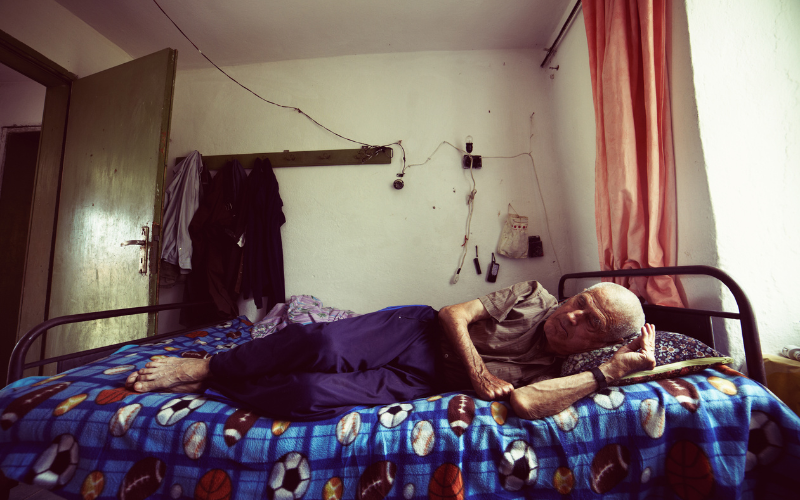
How Can You Help Alleviate Loneliness in Elderly Parents?
To lessen feelings of solitude in your elderly parents, motivate them to partake in social activities and interactions. This might involve joining local community groups or participating in events specially organised for older people.
Social connections can greatly mitigate feelings of isolation, making it crucial to assist your parents in developing connections with their contemporaries. Moreover, familiarising them with technology can present new communication opportunities.
Guiding them on the usage of social media, video calls, and other online platforms enables them to maintain contact with friends and family members who are afar.
Consider making use of home care services that offer companionship and support more than just medical needs. Caregivers from agencies like Vitality Home Care provide help with daily tasks and also contribute valuable social interaction that aids in fighting loneliness.
They recognise the value of dignity, respect, and independence for older adults, fostering a more relaxed and stimulating environment at home. With the professional help and support accessible, you can ensure your parents obtain the care they require while also tending to the emotional component of their welfare.
Ways to Reduce Loneliness in Older Adults
Loneliness affects millions, especially the elderly. Knowing how to minimise and how to identify signs of depression and loneliness in elderly people can significantly uplift their quality of life. Here are effective measures to help older people feel more integrated:
Motivate them to network with local community groups. A lot of areas have clubs or social groups oriented for older adults, offering activities and events that cultivate friendship and belonging.
Encourage habitual communication with family and friends. Regular phone calls, video chats, or visits assist in maintaining older adults connected with their loved ones, minimising feelings of detachment.
Back up their participation in hobbies or classes. From painting and gardening to dancing, indulging in hobbies offers a sense of responsibility and chances to mingle with others who share parallel interests.
Assist them in volunteering. Volunteering not only fills time but also enables older adults to feel useful and part of a community, effectively combating signs of loneliness.
Propose pet ownership. Pets offer fellowship and unconditional affection, aiding in mitigating the effect of loneliness on mental health among the elderly.
Utilise technology for social interaction. Teaching older individuals how to use social media platforms or apps can connect them with others worldwide, addressing the root of loneliness by amplifying their social network.
Plan for home care services when required. Professional carers can provide companionship along with personal care tasks, assuring older adults don’t feel ignored or disregarded.
Arrange periodic outings. Planning trips to museums, parks, or theatre shows encourage elderly people to be active, offering both stimulation and the opportunity to socialise.
Cultivate intergenerational connections. Bonds between different generations can be enriching; schools or family environments are ideal places for these interactions.
Support in attending spiritual services. For those interested, engaging in spiritual communities provides comfort and an inherent support network.
Raise awareness about local senior centres. These centres deliver numerous programs targeting the reduction of loneliness in older age through community participation and leisure activities.
Boost the formation of peer support groups. Sharing experiences with peers who empathise with what they’re experiencing can be incredibly supportive for lonely individuals.
Each step you take contributes significantly in combating loneliness among our mostly older adult populace, supporting them to lead cheerier, more fulfilling lives.
Encouraging Social Activities and Interaction
Reducing loneliness and clinical depression in older adults requires proactive measures. Promoting social activities and interaction is integral to this endeavour.
Arrange frequent family visits to make older adults feel connected and important. These can be casual meetings or festive occasions that provide them with something to anticipate.
Assist individuals by registering them in local clubs or groups that correspond with their hobbies, like gardening clubs, reading groups, or crafting circles.
Facilitate older adults to participate in community events that offer chances for getting to know new people and indulging in social activities.
Organise transportation to these events if movement is a concern, ensuring they can take part without any issues.
Encourage involvement in group exercise programmes adapted for elderly persons, improving both their physical health and social networks.
Propose the use of technology to maintain contact with family and friends who reside at a distance, enabling constant video calls or social media interaction.
Establish volunteer opportunities where they can contribute significantly to society while socialising with others, nurturing a sense of purpose and belonging.
Suggest the ownership of pets if suitable and practical, as animals can offer companionship and motivate more outdoor activity.
Plan periodic outings or day trips to captivating places like museums, parks, or theatres that stimulate dialogue and shared experiences.
Enhance connections with neighbours and local community members who can offer companionship and realistic day-to-day support.
Participating in these activities combats loneliness and also constructs a supportive network around older adults, assisting them in feeling part of a community once more.

Utilising Home Care Services and Support
Loneliness doesn’t need to be a constant state for the elderly. Home care services provide significant support and companionship, impacting their mood disorder and overall well-being considerably.
Personal Care Assistance improves daily life, enabling older adults to uphold their dignity and independence at home. Activities such as bathing, dressing and grooming can turn challenging with age. Home care assistants render necessary help, making these tasks more manageable.
Companion Care Services are centred around emotional support and social interaction. They encompass activities like sharing meals, going for walks, or simply engaging in conversation. This facet of home care minimises feelings of loneliness by promoting meaningful relationships.
Medication Management assures older individuals take their medications correctly and promptly. Skipping doses or taking incorrect amounts can lead to severe health implications. Caregivers manage this aspect, bringing a sense of relief for both the elderly and their families.
Transportation Services allow for attending community events, medical appointments, or social outings, which might pose a difficulty for those who no longer drive. Having someone accompany them lowers the hindrance to participating in activities beyond home.
Meal Preparation includes caregivers assisting in grocery shopping and preparing healthy meals. Good nutrition is vital for health but might turn challenging if one feels lonely or lacks the motivation to cook for themselves.
Housekeeping Support aids in maintaining a neat and orderly living environment. A clean surrounding positively impacts an individual’s mental health and lowers risks related to accidents at home.
Technological Assistance enables older people to keep in touch with friends and family who might not live nearby through emails, social media platforms or video calls, thus reducing feelings of seclusion.
Individualised Exercise Programs are created considering each individual’s requirements and capabilities to keep them physically active, which is crucial for managing symptoms of depression linked to loneliness.
Home care services are continuously adjusted to meet the changing needs of older adults, ensuring they feel supported throughout the process without overwhelming feelings of loneliness or isolation.
What Are Effective Strategies to Combat Loneliness and Social Isolation in Older Adults?
Building social connections and networks stands out as a vital strategy to help older adults overcome loneliness and social isolation. Encourage them to engage in community events, where they can meet others who share their interests.
This exposure fosters new friendships, supports people nearby and healthy habits and helps break the cycle of isolation. For many elderly people, participation in local clubs or groups provides not just social interaction but also a sense of belonging that is crucial for mental well-being.
Leveraging technology plays an equally important role in combating loneliness among the elderly. Teach them how to use video calls or social media to stay connected with family and friends who may not live nearby.
This use of technology allows older and younger people together to communicate effortlessly, sharing moments that bridge the gap caused by physical distance. It’s a powerful tool that supports older adults in maintaining relationships and feeling part of the wider world despite any mobility issues or health concerns they might face.
Building Social Connections and Networks
Building social connections and networks is crucial in combating feelings of isolation among older people. It is an enriching and necessary aspect of their well-being.
Suggest involvement in local clubs or groups that match their hobbies, such as gardening, reading, or crafting. These are excellent opportunities for meeting people with similar interests.
Recommend involvement in community events. These gatherings serve as perfect places to make new acquaintances and remain engaged with the community.
Propose frequent trips to community centres where many activities specifically aimed at older adults take place.
Aid in familiarising them with neighbours who have similar backgrounds or likes. A simple greeting can sometimes spark a meaningful relationship.
Assist in setting up digital communication tools like Skype or WhatsApp, enabling them to maintain contact with loved ones.
Propose volunteering, which helps others and fosters a sense of purpose and belonging.
Endorse enrolment in classes intended for older learners, like computer skills or art classes, promoting both learning and socialising opportunities.
Suggest considering a pet if it’s suitable; pets can offer companionship and initiate social interaction with other pet owners.
Arrange small gatherings with relatives or close friends to reinforce existing relationships.
Encouraging involvement in community events stands as the next strategy to combat loneliness among older adults.
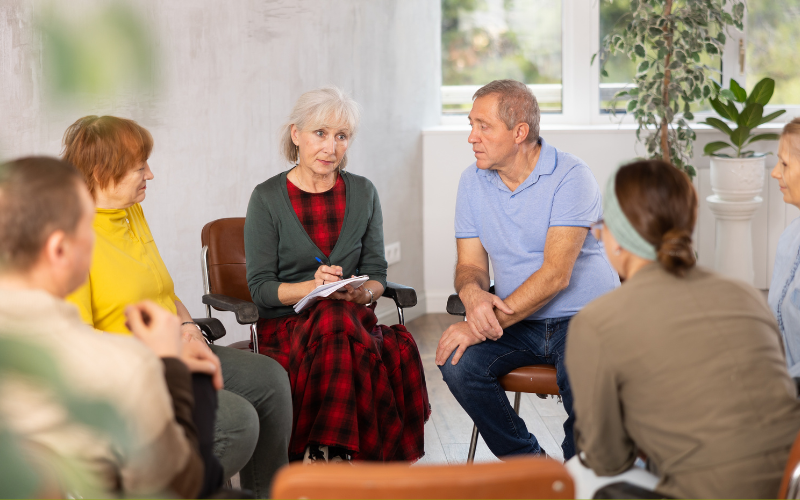
Promoting Participation in Community Events
Promoting participation in community events offers a powerful way to combat loneliness and social isolation among older adults. It helps them stay connected, feel valued, and maintain a sense of belonging.
Identify local community events that align with your elderly relatives’ interests. Look for activities such as gardening clubs, book groups, or dance classes that can spark joy and offer new learning opportunities.
Encourage regular attendance to help build familiarity and comfort. Continuous participation fosters a routine that older people may find reassuring and motivating.
Assist with transportation when needed. Many older adults stop attending events because they have no way to get there. Offering a ride or arranging transport removes this barrier.
Introduce technology that connects them with event updates and online communities associated with their interests. This keeps them informed and engaged, even when they cannot attend in person.
Volunteer together at local charities or community centers. This provides a sense of purpose and shows the positive impact they can have on others’ lives.
Create a small group of peers with similar interests to attend events together. This builds a support network of friends who look out for each other.
Highlight the health benefits linked with staying active and socially engaged, including better mental health and reduced risk of depression associated with loneliness.
Acknowledge their efforts to participate in these activities and provide positive reinforcement. Praise from loved ones boosts self-esteem and encourages them to continue being active in their community.
They should openly discuss any concerns or difficulties they face in joining community events to find solutions together that address these issues head-on.
10. Focus on fun aspects rather than making it seem like an obligation to spend time. The aim is to give them time to enjoy these experiences genuinely without feeling pressured.
Moving on to leveraging technology for social interaction opens up even more possibilities for connecting elderly individuals with their interests and communities worldwide.
Leveraging Technology for Social Interaction
Technology has opened many doors for maintaining connections, especially for the elderly, who may feel isolated. It stands as a powerful tool to combat loneliness, enabling older adults to remain engaged and active in their communities without leaving their homes.
Encourage video calls with family and friends. These can bridge the gap between generations, allowing grandparents to see their grandchildren’s milestones or simply have a chat.
Set up social media accounts for them. Platforms like Facebook help them stay updated on family events and reconnect with old friends.
Introduce them to online gaming communities. Games can be both entertaining and a way to meet new people sharing similar interests.
Help sign them up for virtual classes or webinars of interest. Learning something new keeps the mind sharp and provides topics for conversations.
Make use of smart home devices that allow voice calls. These devices are user-friendly for older adults, making communication easier.
Teach them how to use email effectively. Emailing can be a great way for them to share updates or pictures with friends and family.
Explore health monitoring apps together so they don’t feel alone dealing with health issues.
Show them podcasts or YouTube channels that match their interests, creating talking points with others.
Each of these steps leverages technology to foster meaningful connections, helping alleviate feelings of isolation among elderly individuals you care about.
Conclusion
In conclusion, recognizing the signs of loneliness in older adults is crucial for ensuring their well-being and quality of life. By being attentive to changes in behavior, communication patterns, and emotional health, we can take proactive steps to provide the necessary support and companionship. Addressing loneliness early can significantly improve the mental and physical health of our elderly loved ones, helping them regain a sense of connection and purpose. At Vitality Care Support Services, we are dedicated to offering compassionate care and tailored solutions that enrich the lives of seniors, fostering a more engaged and fulfilling life.
Check Our Latest Blog Posts
Vitamin B12 Foods for Older Adults: What to Eat and How Home Care Helps
Dental & Oral Care for the Elderly: Tips & Routines
Exercises for Arthritic Hands with Home Care
Memory Games for Seniors with Home Care Support
What Is Sundowning Dementia? Why People With Dementia Become More Agitated at Night
How Home Care Helps Reduce Loneliness After Bereavement
Hearing Aids for Elderly People: How Home Care Helps Day to Day
Senior Stretching Exercises: 5 Simple Bed Stretches to Start the Day
Heatwave Safety: How to Keep Elderly Parents Safe in Hot Weather