
Domiciliary Care Service in Walsall: Compassionate Support in the Comfort of Your Home
The Emotional Challenges of Caring for an Ageing Parent
Introduction
Caring for an ageing parent is often driven by love, responsibility, and a deep desire to do the right thing. Yet for many families across the UK, this role brings emotional challenges that are rarely spoken about openly, especially when navigating long-term elderly care alongside work, family, and personal commitments. The emotional impact of caring for an elderly parent can build quietly, affecting mental wellbeing, relationships, and everyday balance. Many carers feel torn between supporting their parent and managing their own lives.
Understanding the emotional challenges of caring for ageing parents helps families recognise that these feelings are normal, valid, and manageable with the right support. With the right guidance and professional home care in place, it becomes possible to protect both the dignity of the older adult and the emotional health of the carer, while maintaining stability at home.
Understanding the Emotional Impact of Caring for an Elderly Parent
The emotional effects of caring for an elderly parent can surface gradually. What often begins as occasional help can evolve into a demanding role that affects confidence, energy, and emotional resilience. Many family carers experience stress from making decisions, managing health changes, and adapting to unpredictable needs.
Common emotional responses include:
- Worry about safety, health, and long-term care needs
- Feeling overwhelmed by responsibility
- Struggling with constant decision-making
- Emotional exhaustion from being on alert at all times
When these pressures are left unaddressed, they can slowly erode emotional wellbeing and increase the risk of burnout.
The Stress of Caring for Ageing Parents at Home
Caring for an ageing parent in your home often brings added emotional strain. Daily routines may change, privacy can feel limited, and the boundaries between personal life and caregiving can blur. Many carers feel pressure to cope alone, believing they should manage everything themselves.
The stress of caring for ageing parents may be heightened by:
- Sleep disruption due to night-time needs
- Managing medications and appointments
- Adapting the home environment for safety
- Balancing employment alongside caregiving duties
Without regular breaks or support, stress can become constant, affecting both physical health and emotional stability.

Role Reversal and the Emotional Strain of Caregiving
One of the most challenging emotional shifts is role reversal in parent caregiving. Becoming responsible for a parent who once provided care can feel uncomfortable and emotionally complex. Many carers struggle with feelings of sadness, frustration, or loss as independence changes.
This role reversal can lead to:
- Guilt when setting boundaries
- Difficulty making care decisions on behalf of a parent
- Tension when a parent resists help
- Emotional strain linked to changing family dynamics
Acknowledging these emotions helps carers understand they are responding to change, not failing in their role.
Guilt, Grief, and Loneliness in Family Carers
Coping with guilt as a carer is extremely common. Many carers worry they are not doing enough, even when they are exhausted. Guilt may arise when considering professional support or taking time for themselves.
Alongside guilt, carers may experience:
- Grief when caring for ageing parents as health declines
- Loneliness due to reduced social contact
- Anxiety and depression linked to ongoing pressure
- Emotional strain of caregiving without shared responsibility
These feelings do not reflect a lack of love. They highlight the importance of emotional support and realistic care arrangements.
Carer Emotional Burnout and Mental Wellbeing
Carer emotional burnout often develops when support is delayed or ignored. Persistent stress can affect mood, patience, and physical health. Family carer mental health should be treated as equally important as the wellbeing of the older adult.
Warning signs may include:
- Constant tiredness or irritability
- Feeling emotionally detached or resentful
- Difficulty concentrating or sleeping
- Loss of enjoyment in everyday life
Early intervention through respite care, companionship support, or live-in care can significantly reduce burnout and restore balance.
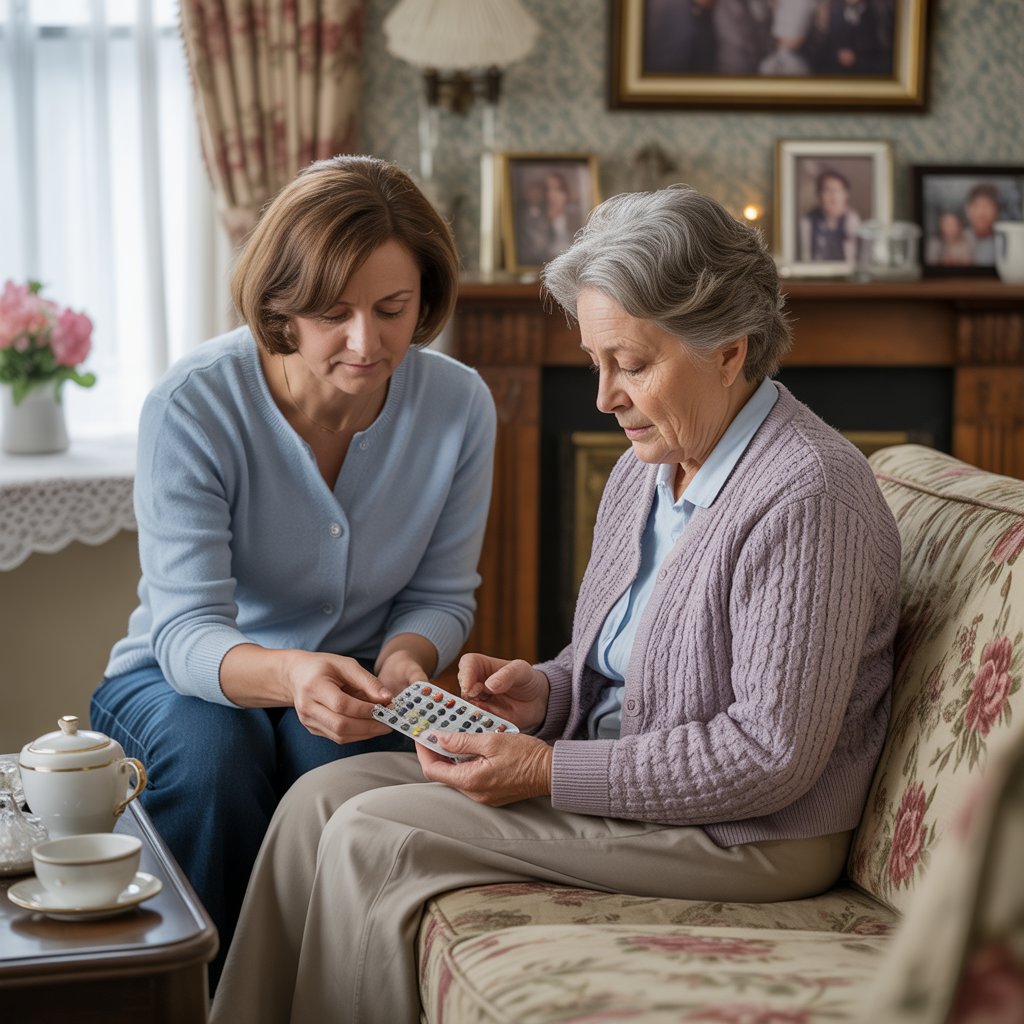
Balancing Caregiving and Personal Life
Balancing caregiving and personal life is one of the most difficult aspects of supporting an ageing parent. Many carers place their own needs last, leading to long-term strain, especially when they are trying to decide between assisted living vs home care while managing emotional pressure and family responsibilities.
Supportive care arrangements allow carers to:
- Maintain employment and social connections
- Take regular breaks without worry
- Share responsibility with trained professionals
- Focus on quality time rather than constant tasks
Professional home care helps preserve family relationships by reducing pressure and creating sustainable routines.
Why Support for Carers in the UK Matters
Support for carers in the UK plays a vital role in protecting emotional wellbeing. Professional home care services provide structure, reassurance, and consistency for both carers and older adults. This support helps families navigate complex emotional challenges while remaining compliant with UK care standards.
With personalised care plans, families benefit from:
- One-to-one care tailored to individual needs
- Companionship that reduces isolation
- Dementia support that improves daily routines
- Respite care that protects carer wellbeing
Reliable support creates stability and peace of mind for everyone involved.
Take the Next Step Towards Emotional Balance and Support
Caring for an ageing parent should never come at the cost of your own emotional health. The emotional challenges of caring for ageing parents are real, but they do not need to be faced alone. With professional home care, families can create a supportive environment that protects dignity, wellbeing, and long-term comfort, including live-in care for hospital discharge support , which helps reduce stress during recovery and prevents carers from becoming overwhelmed.
Vitality Care and Support Services offers personalised solutions including personal care, companionship, dementia support, respite care, and live-in care. Book your consultation with Vitality Care and Support Services today to explore compassionate, tailored care that supports both your loved one and your own wellbeing at home.
Check Our Latest Blog Posts
10 Early Signs Your Elderly Parent May Need Home Care Support
UTI in the Elderly: How to Spot It Early and How Home Care Helps
Vitamin B12 Foods for Older Adults: What to Eat and How Home Care Helps
Dental & Oral Care for the Elderly: Tips & Routines
Exercises for Arthritic Hands with Home Care
Memory Games for Seniors with Home Care Support
What Is Sundowning Dementia? Why People With Dementia Become More Agitated at Night
How Home Care Helps Reduce Loneliness After Bereavement
Hearing Aids for Elderly People: How Home Care Helps Day to Day