
Domiciliary Care Service in Walsall: Compassionate Support in the Comfort of Your Home
The Role of Companionship in Preventing Cognitive Decline in Older Adults
Many families worry about companionship and cognitive decline in older adults, especially when they notice subtle changes like forgetfulness or reduced social engagement. It’s natural to wonder why seniors sometimes lose mental sharpness over time and, more importantly, how to prevent age-related cognitive decline in ways that truly make a difference. Here in the UK, staying mentally active while enjoying consistent support can be key to a fulfilling, independent life.
Through meaningful interactions, trusted connections, and regular emotional support, older adults benefit from feeling valued and understood. Companionship adds purpose to the everyday routine, reducing stress levels, promoting healthy ageing, and boosting resilience in seniors. Small actions—like engaging in conversation and gentle encouragement—protect long-term wellbeing, showing why companionship is vital in preventing cognitive decline.
Understanding Cognitive Decline in Seniors
Age-related changes in the brain can affect attention, memory, and reasoning abilities. For some, these changes may appear as momentary forgetfulness or difficulty in following familiar tasks. While these shifts are sometimes normal, persistent issues could indicate early warning signs of broader cognitive impairment. Recognising such changes promptly allows families to explore helpful care solutions, ensuring peace of mind at home.
Factors like cardiovascular health, blood pressure management, and daily habits impact brain function over time. Stress reduction, balanced diets, and social interaction all support healthy ageing. Companionship can bring about consistent social engagement, which offers a protective effect against ongoing cognitive concerns by promoting gentle intellectual activity, meaningful relationships, and emotional support.
Why Companionship Matters
Companionship enables older adults to remain active, mentally engaged, and emotionally fulfilled. Sharing experiences, chatting about cherished memories, or simply watching the world outside fosters a sense of connection. This social interaction keeps the mind stimulated and helps build “cognitive reserve.” Seniors with a strong support network often feel more motivated and confident in their daily lives.
Memory retention also improves with consistent interaction. When older adults converse regularly, recall past events, or tackle small mental challenges, they’re less likely to feel isolated. From a warm chat over tea to partaking in fun memory exercises, these everyday experiences preserve a sense of self and identity, contributing to long-term mental health and wellbeing.
Signs of Cognitive Decline in Seniors
Families and carers often first spot small indicators, like an older loved one struggling to follow a recipe or repeating the same question. Signs could include increased forgetfulness, difficulty with problem-solving, or confusion about basic routines. Noticing these signals early allows for proactive intervention to maintain independence.
Not every lapse in memory points to a severe issue. Stress, poor sleeping habits, or lack of regular social engagement sometimes explain forgetfulness. However, when these slips become consistent, a professional assessment or supportive home visit can clarify the situation.
Engaging Activities for Healthier Minds
Encouraging older adults to participate in mentally stimulating activities is a proven way to help prevent cognitive decline. Reading favourite novels, solving crosswords, or revisiting family recipes can keep the mind agile while sparking joy. Technology also offers opportunities for social interaction, such as video calls with relatives.
Activities designed around personal interests tend to cultivate a happy environment, fueling motivation to stay active. This might involve simple gardening sessions, recall-oriented games, or gentle craft projects shared with caring companions enhance both cognitive health and quality of life.
Personalised Home Care Approaches
Tailored care services, such as those provided by Vitality Care and Support Services, recognise that no two individuals have the same needs. Some older adults benefit from occasional companionship visits to nurture social interaction, while others with complex health requirements appreciate more frequent assistance with a dedicated support plan.
By combining personal care tasks with stimulating conversation, they can provide genuine emotional support in their daily routine. Addressing physical, mental, and emotional needs, at-home carers contribute significantly to reducing loneliness and supporting long-term cognitive health.

Creating a Supportive Environment at Home
Small changes around the home can reduce frustration and boost daily confidence for an older person experiencing memory loss. Clear labelling of cupboards, simple reminders, and reduced clutter all promote greater independence. Regular companionship ensures seniors feel comfortable, supported, and guided when needed.
Families might arrange a care plan combining personal care, social visits, and stimulating activities. Whether it’s relaxing music or reading together after breakfast, these activities can contribute to mental sharpness and emotional comfort. Over time, these consistent interactions help prevent or slow cognitive decline, ensuring a higher-quality care aligned with UK standards.
How to Prevent Age-Related Cognitive Decline Through Social Engagement
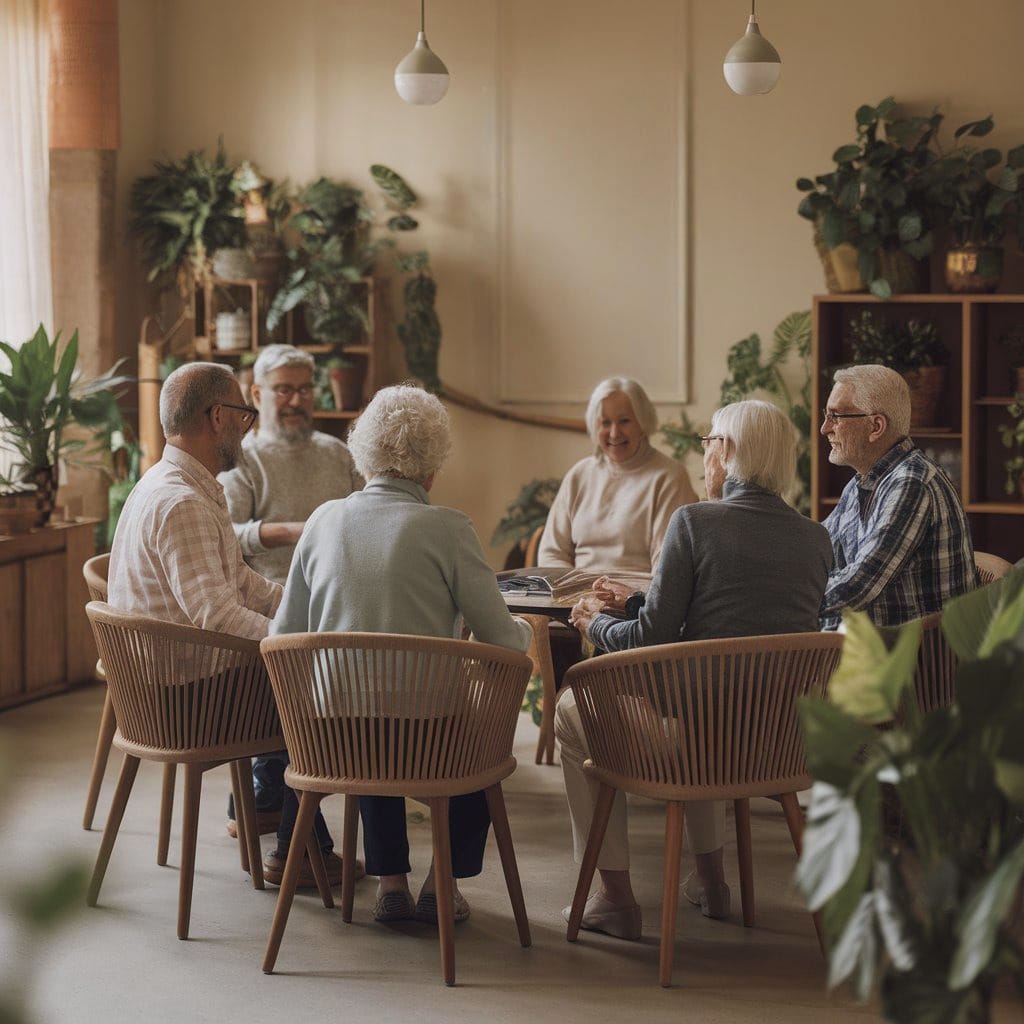
Spending time in groups or having regular companionship helps seniors maintain routines and stay plugged into local communities. Small social gatherings, prayer groups, exercise classes or short walks with a companion keep minds active and support physical health.
Encouraging older adults to share life stories helps them retain a sense of purpose, which is especially beneficial for memory retention or early dementia. Social connection lowers stress, fosters wellbeing, and motivates healthy habits, including nutrition and gentle exercise.
Importance of Ongoing Assessments and Flexible Care Plans
Every individual’s needs can change over time. Ongoing assessments, carried out by experienced carers, ensure that care plans remain effective and responsive. Adjustments might include increasing visit frequency or expanding activities to encourage intellectual stimulation.
Flexible care ensures older adults receive the right level of support. Partnering with a compassionate provider allows families to maintain high UK care standards, keeping daily life fulfilling, safe, and respectful of dignity.
Conclusion
Companionship plays a powerful role in preventing cognitive decline in older adults by fostering social engagement, mental agility, and emotional stability. It offers a bright path towards independence and peace of mind for seniors and their families, reinforcing each person’s sense of belonging at home. Through personal care, tailored activities, respite, overnight care, or live-in care, older individuals benefit from ongoing support that addresses their unique challenges. Book your consultation at Vitality Care and Support Services to discover personalised solutions for comfort, independence, and wellbeing at home—ensuring your loved one’s mind and spirit flourish each day.
Check Our Latest Blog Posts
10 Early Signs Your Elderly Parent May Need Home Care Support
UTI in the Elderly: How to Spot It Early and How Home Care Helps
Vitamin B12 Foods for Older Adults: What to Eat and How Home Care Helps
Dental & Oral Care for the Elderly: Tips & Routines
Exercises for Arthritic Hands with Home Care
Memory Games for Seniors with Home Care Support
What Is Sundowning Dementia? Why People With Dementia Become More Agitated at Night
How Home Care Helps Reduce Loneliness After Bereavement
Hearing Aids for Elderly People: How Home Care Helps Day to Day