
UTI in the Elderly: How to Spot It Early and How Home Care Helps
When Should You Consider a Live-in Carer After Surgery?
Recovering from surgery can be more challenging than many families expect, particularly for older adults returning home after a hospital stay. While the procedure itself may be complete, day to day recovery often involves pain management, reduced mobility, fatigue, and emotional adjustment. Families across the UK frequently ask whether short visits are enough or if more consistent care is needed during this period.
A live-in carer after surgery provides continuous support during recovery, helping older adults regain strength safely while remaining in familiar surroundings. With professional post operative care at home, seniors receive help with daily activities, reassurance during vulnerable moments, and the confidence to recover at a steady pace. Understanding when live-in care is appropriate helps families make informed decisions that protect wellbeing and independence.
Why Recovery at Home Often Feels Harder Than Expected
Returning home after surgery is usually welcomed, yet many older adults quickly realise that everyday tasks feel more demanding than before. Simple activities such as washing, preparing meals, or moving safely around the home can become difficult during early recovery. Pain, weakness, or dizziness can increase the risk of falls and slow progress.
Families often try to fill the gap, but balancing work, travel, and caregiving responsibilities is not always realistic. Without consistent support, recovery can feel overwhelming, leading to frustration or anxiety. This is where post surgery live-in care offers stability, ensuring that help is always available when it is needed most.
What a live-in Carer Supports During Post Surgical Recovery
A professional carer living in the home provides one to one support that adapts to changing recovery needs. Post operative live-in care at home focuses on comfort, safety, and gradual independence rather than rushing progress.
Support typically includes help with personal care, meal preparation, medication reminders, mobility assistance, and catheter care for elderly clients who require ongoing medical support following surgery. A live-in carer also monitors how recovery is progressing and provides emotional reassurance when confidence is low. Many clients notice that having a familiar, calm presence reduces anxiety and helps recovery feel more manageable.
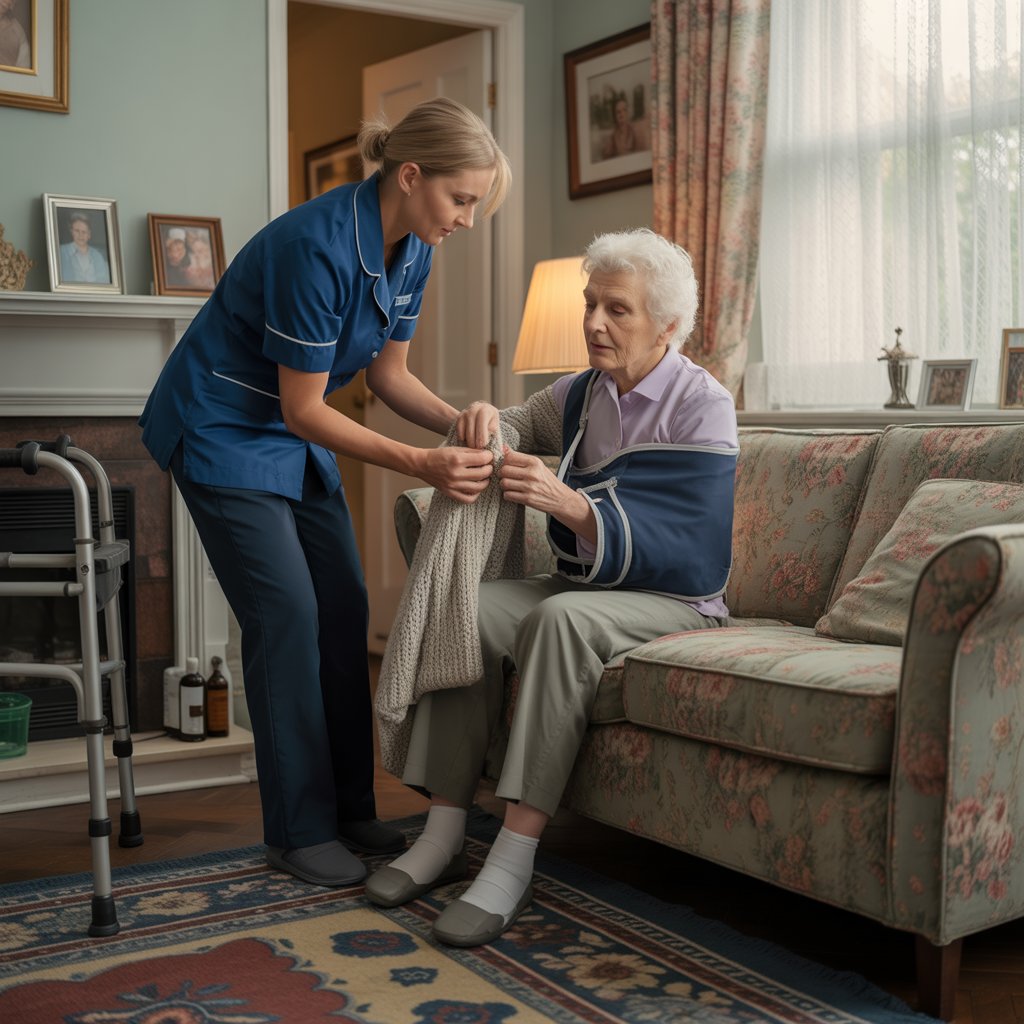
When a live-in Carer Becomes the Right Choice
Families often wonder who needs live-in care after surgery and when it becomes necessary. The decision is usually based on how much support is required throughout the day and night, rather than the surgery alone.
A live-in carer is often beneficial when recovery involves
- Limited mobility or difficulty moving safely around the home
- Ongoing pain or fatigue affecting daily activities
- Confusion or memory challenges following hospital discharge
In these situations, short visits may not provide enough reassurance or support. Live-in care ensures continuous attention during the most vulnerable stage of recovery.
Supporting Safe Discharge and Reducing Readmission Risk
Hospital discharge is a critical point in recovery. Without adequate support at home, small issues such as missed medication or unsafe movement can quickly escalate. Hospital discharge support at home plays a key role in preventing complications and avoiding unnecessary readmission.
A live-in carer supports safe discharge planning for elderly patients by helping them settle back into routines, attend follow up appointments, and follow recovery guidance correctly. This supported recovery at home after surgery allows healing to continue without disruption or added stress.
Emotional Wellbeing During Recovery Matters Too
Recovery is not only physical. Many older adults experience low mood, frustration, or anxiety after surgery, particularly when independence is temporarily reduced. Being alone during recovery can intensify these feelings and slow progress.
A live-in carer offers emotional support during post surgery recovery by providing companionship, reassurance, and encouragement. Simple conversation and a steady presence can make a significant difference to confidence and motivation. Emotional wellbeing often improves when seniors feel supported rather than isolated.
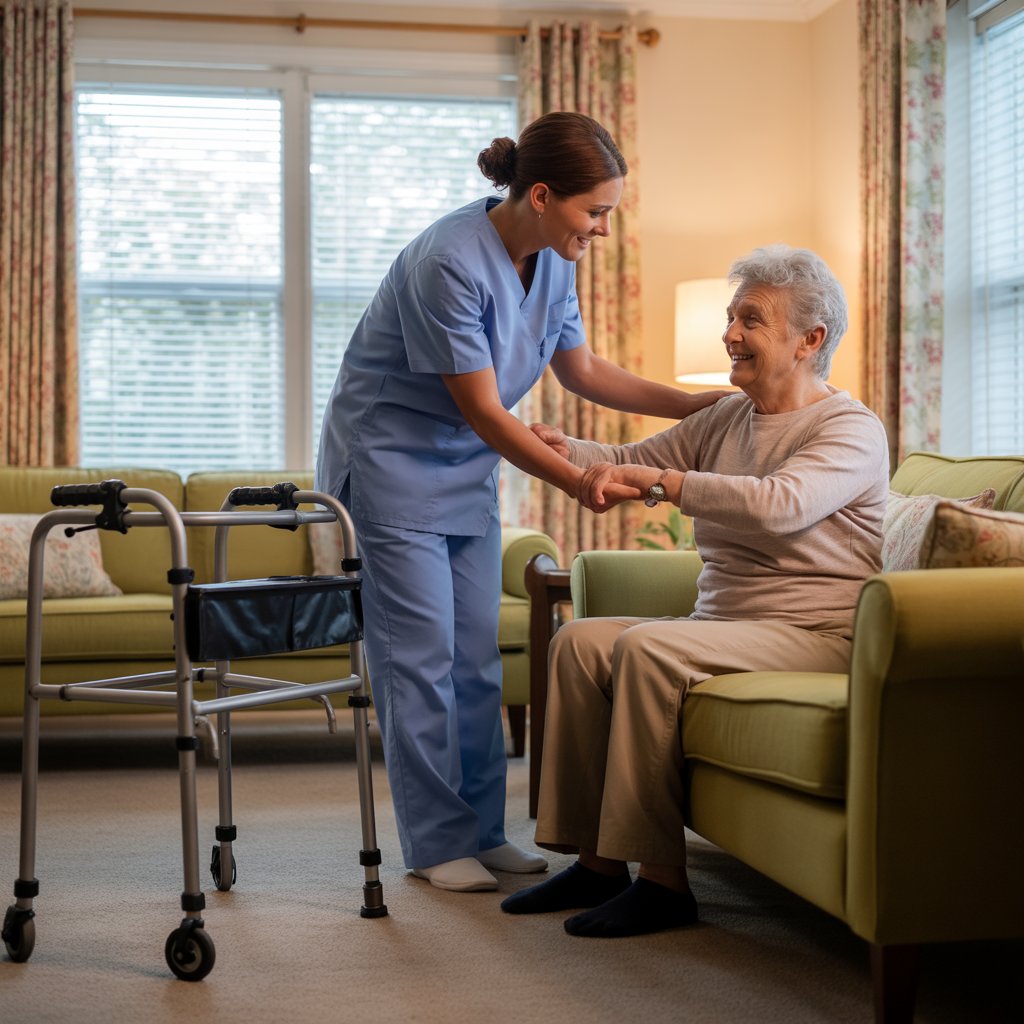
Short Term live-in Care as a Flexible Solution
Live-in care after surgery does not always need to be long term. Many families choose short term live-in care in the UK to cover the most demanding stage of recovery. As strength and independence return, care can be adjusted or reduced.
Short term support is especially helpful for older adults who need extra help with mobility, medication, or daily routines immediately after surgery. This flexible approach reassures families that care evolves alongside recovery.
How live-in Care Supports Families
Caring for a loved one after surgery can place emotional and physical strain on families. Worrying about safety, medication, and overnight needs often leads to exhaustion and stress. This is particularly true when recovery involves support for seniors living alone, where gaps in care can increase risk and anxiety.
A professional carer for post operative recovery removes this pressure by ensuring someone is always present. Families gain peace of mind knowing care is consistent and reliable, allowing them to focus on emotional connection rather than constant supervision. Live-in care creates balance, protecting both the recovery of the older adult and the wellbeing of family carers.
Arrange the Right Recovery Support at Home
Knowing when to consider a live-in carer after surgery helps families plan recovery with confidence. With professional care in place, older adults can heal safely at home while maintaining dignity, comfort, and independence.
Vitality Care and Support Services provides personalised live-in care, post operative care at home, and tailored recovery support for older adults across the UK. Book your consultation today to explore compassionate care solutions that support safe recovery and lasting peace of mind at home.
Check Our Latest Blog Posts
Vitamin B12 Foods for Older Adults: What to Eat and How Home Care Helps
Dental & Oral Care for the Elderly: Tips & Routines
Exercises for Arthritic Hands with Home Care
Memory Games for Seniors with Home Care Support
What Is Sundowning Dementia? Why People With Dementia Become More Agitated at Night
How Home Care Helps Reduce Loneliness After Bereavement
Hearing Aids for Elderly People: How Home Care Helps Day to Day
Senior Stretching Exercises: 5 Simple Bed Stretches to Start the Day
Heatwave Safety: How to Keep Elderly Parents Safe in Hot Weather