
Domiciliary Care Service in Walsall: Compassionate Support in the Comfort of Your Home
Why Does Aging Cause Hair Loss? Understanding the Impact on Your Hair loss
Understanding Age-Related Hair Loss: Causes, Changes, and Tips for Healthy Hair as You Age
Many people worry about their hair as they get older. You might have noticed your hair thinning or falling out more than it used to. This can make you wonder, ‘Why does aging cause hair loss?’ Hair loss is a standard part of getting older, and there are reasons why it happens.
One fact to remember is that our hair follicles – the tiny holes in our skin from which our hair grows – also age with us. This impacts the health and life cycle of each strand of hair.
In this article, we’ll explore how aging affects your scalp and what changes you may see in your hair texture and density as you age. We aim to give you helpful advice on managing age-related changes in your hair and discuss how community-centered care options can support healthy aging routines.
Ready to learn more?
What Causes Hair Loss During Aging?
As you age, your hair undergoes transitions that can result in hair thinning and loss. A significant factor in hair falls is the natural ageing process impacting your hair follicles. These small features in your scalp gradually lose their ability to produce fresh hairs.
This deceleration entails fewer hairs regrooming when older ones fall out, leading to sparse coverage across your head and hair loss.
Another reason for hair thinning with age is hormonal fluxes interrupt maturing hair’s growth cycle. For instance, older adults often witness a decline in hormones that foster thick, healthy hair growth.
This lessening renders their existing hair finer and more susceptible to falling out. Moreover, certain disorders associated with aging can also enhance this condition by inflicting damage or stress on the scalp and follicles.
Comprehending these causes aids us in identifying impactful solutions for managing age-related transitions in hair health and density.
How Does the aging process Affect hair follicles?
The process of aging significantly impacts the alteration of your hair. Hair follicles, the minute structures within your scalp accountable for hair growth, progressively lose effectiveness as you age.
This reduction causes new hairs to develop gradually and be finer than in previous years. Gradually, several follicles cease to generate new hairs, leading to hair becoming thin and lost.
Elements contributing to this involve hormonal variations, decreased blood circulation to the scalp, and lessened nutrient intake by the hair roots.
These transformations influence not only the density of your hair but also its texture and hue. Grey hair starts to show as the cells that produce pigment lessen with age. Recognizing these impacts is vital for efficiently managing your hair care practices as you age.
Following this, we will investigate why hair becomes thin as we age and how it affects both genders differently.
Why Does Hair Thinning Occur with Age?
Hair thinning with age transpires due to modifications in hair follicles and their growth cycle. Follicles are subject to a reduction in size, which results in finer and fewer strands.
Hormones also contribute to hair loss significantly. For instance, in women, diminished levels of estrogens can initiate the hair to become thin, particularly post-menopause. Moreover, as time progresses, the pace at which your hair grows decelerates, meaning less new hair is available to replace what is lost.
As we age, our scalp’s capability to reproduce hair remarkably diminishes.
Your genetic composition prescribes how sensitive your hair follicles are to hormonal changes. With increasing age, this sensitivity can instigate patterned hair loss in both men and women.
Additionally, age-related changes in keratin production affect your hair’s texture and strength.

Are There Specific hair disorders Linked to aging?
As you age, your hair undergoes significant changes. Some specific hereditary hair loss disorders are closely linked to aging. Androgenetic alopecia, often called male or female pattern baldness, is one of the most prevalent types of hair loss and age-related hair loss conditions.
It affects many people near the age of 40 and over. This disorder involves the miniaturisation of hair follicles, leading to thinner and finer hair shaft, over time.
Another condition worth noting is alopecia aerate, which can occur at any age but becomes more common as individuals age. This autoimmune disease attacks the hair follicles, causing patches of baldness that can vary in size.
Moreover, telogen effluvium can also become more frequent with stress or health issues that often accompany older ages, resulting in noticeable shedding and thinning of the scalp’s hair.
These disorders illustrate how complex aging’s impact on your locks truly is—highlighting changes in appearance and health concerns that may need addressing.
How Does Age-Related Hair Loss Occur?
As years pass by, changes in your hair growth cycle lead to hair loss. Your follicles, the little openings on your scalp from which hair originates, begin to contract, resulting in thinner hair strands – a process known as hair follicle miniaturisation.
At first, you may observe that your hair no longer grows as long or as rapidly as it previously did. Eventually, these diminished hair follicles shrink and yield finer hairs, with some ceasing to produce new hairs entirely.
Hormonal shifts are another significant factor contributing to age-related hair thinness. For men, the hormone dihydrotestosterone (DHT) incites follicular shrinkage, causing male pattern baldness.
For women, hormonal alterations during menopause can lower hair density, resulting in female pattern hair loss. Also, an age-related decline in melanin production turns the remaining hair strands grey.
The ageing patterns in both men and women can profoundly impact your self-esteem and self-perception, but acknowledging these processes paves the way to discover effective treatments for preserving healthy scalp hair amid these changes.
What is the growth cycle of aging hair?
The growth cycle of aging hair undergoes significant changes as you age. Your hair goes through three primary stages: the anagen phase, where it grows; the catagen phase, which is a transitional period; and the telogen phase, when it enters a resting state.
With advancing years, your hair spends less time in the anagen phase, leading to thinner strands and decreased overall density. This shift contributes to what many refer to as age-related thinning or hair loss.
Aging also impacts how quickly your scalp produces new hairs to replace those that fall out naturally during the shedding part of the cycle. As people age, their follicles may stop producing new hairs or make them much slower.
This reduction in replacement hairs plays a significant role in making one’s once thick and vibrant head of hair appear more sparse and fine over time. Factors like decreased oil production contribute further by affecting your hair’s texture and ability to retain moisture, often resulting in brittleness and breakage, exacerbating the appearance of thinning.
How Do changes in hair Texture and Density Manifest with Age?
Alterations in the quality and volume of hair are a natural part of ageing. You may notice your hair getting finer, brittle, or transitioning from its previous lush texture to something somewhat harsher or smoother.
This happens as your hair follicles produce less oil over time, resulting in drier hair that is more damage-prone. Your scalp also generates fewer hairs as you age, causing it to thin out.
Accept the maturity journey by comprehending the evolution of your hair.
Moreover, grey hair is more than just a shade shift; it’s typically rougher than colored hair, owing to modifications in the hair shaft’s inner structure. These age-associated variations can influence both men and women losing hair together, but they show up differently based on individual genetic makeup and health conditions.
Knowing about these changes enables you to modify your hair care routine to maintain your tresses looking healthy, even as you get older.
What Role Does hair health Play in Age-Related hair loss?
Following our conversation about the transformations in hair color, texture and density with age, it’s important to discuss hair health’s significance in age-induced hair loss. The healthiness of hair is dependent on a highly nourished scalp and potent follicles.
With aging, your hair might not be as resilient to damage due to less scalp oil production, leading to drier strands more susceptible to breaking. A deficit of vital nutrients can further compromise hair strength, making age-related thinning more prominent.
Preserving the health of your hair becomes a key strategy in slowing down or reducing age-related alterations. Regularly applying appropriate hair care products can aid in maintaining your scalp and strands’ health.
Moreover, therapies for hair loss specifically aimed at older adults can tackle distinct issues like thinning or weakening fibers. Concentrating on ensuring that your maturing tresses stay nourished and hydrated supports their resilience against the natural degradation brought about by aging, which positively influences the management of age-associated shedding and even hair loss treatment.
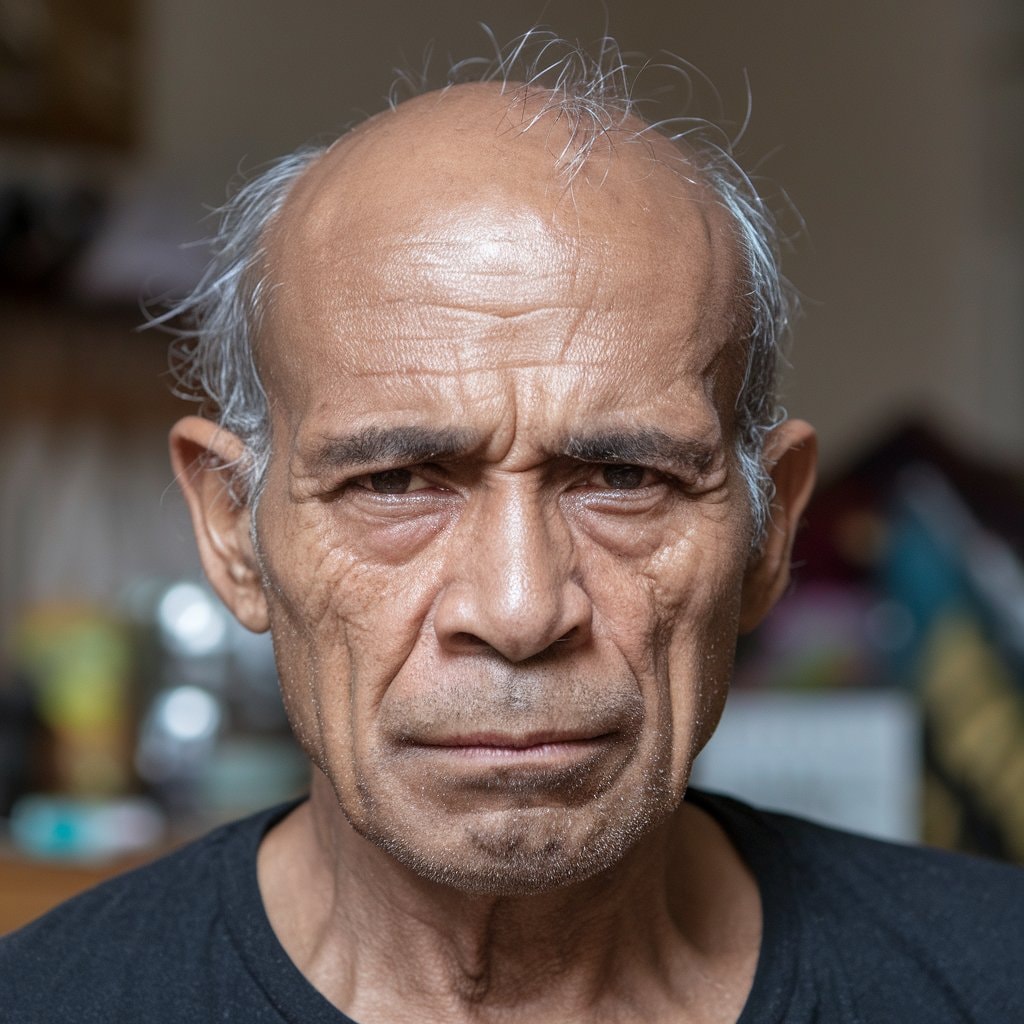
Can hair care Prevent thinning hair in the Elderly?
Proper hair care can be crucial in preventing thinning hair as you age. Using the right hair products helps maintain healthy hair, keeping it strong and resilient against age-related changes.
Gentle washing routines contribute to minimizing hair loss. They keep your scalp clean without damaging essential oils that protect hair fibers. For older adults, treatments for hair loss, such as minoxidil or laser therapy, show effectiveness in encouraging hair growth and reducing further thinning.
Adopting a nourishing diet with vitamins and minerals that enhance hair health is also beneficial. Elements like Omega-3 fatty acids found in fish and antioxidants present in fruits can fortify your locks from the inside out.
Regularly massaging your scalp enhances blood circulation, feeding your follicles the nutrients they need to produce strong hairs. Combining these practices offers a solid defense against the typical thinning associated with aging, ensuring your mane remains as lush and vibrant as possible throughout later years.
What hair products Help Maintain healthy hair?
Maintaining healthy hair becomes crucial as we age. Various products can help keep your hair looking vibrant and full of life.
• Select a mild shampoo that is appropriate for your hair type. A mild formula helps clean without stripping away natural oils, which is essential for moisturizing the scalp and hair.
• Invest in a nourishing conditioner. Conditioners with natural oils or keratin can smooth the hair cuticle, reduce frizz, and prevent breakage.
• Use a leave-in conditioner once a week. This extra step adds moisture, making your hair easier to manage and style.
• Apply a hair mask monthly. Hair masks deeply condition, repair damage, and strengthen hair fibers from within.
• Select a serum or oil formulated for aging hair. Products containing argan oil or biotin support hair growth and add shine.
• Try a scalp treatment product. Items designed to stimulate the scalp promote healthy hair growth by awakening dormant follicles.
• Pick styling products that don’t weigh down your locks. Mousse or light hairsprays are better choices than heavy waxes or gels.
Each of these products addresses specific needs related to hair aging, such as dryness, thinning, or changes in texture and density. Integrating them into your routine can significantly affect your overall hair health, encouraging strength, vitality, and growth even as you age.
How Often Should You wash your hair to Minimize hair loss?
You might find it tempting to wash your hair daily, but doing so can actually lead to more harm than good in terms of hair loss. Experts recommend washing your hair twice to three times weekly to preserve its natural oils and maintain healthy strands. It’s healthy and minimizes excessive hair loss, too.
This frequency helps retain the natural oils that protect your scalp and hair, reducing the risk of dryness and brittleness, which can contribute to hair shedding.
Using gentle shampoos designed for thinning or aging hair plays a crucial role. These products are less likely to strip away essential oils and are better at preserving the strength and elasticity of your strands.
Each wash should focus on cleaning the scalp thoroughly while nourishing your hair, ensuring you encourage growth rather than exacerbate loss.
What treatment options for hair loss Are effective for older adults?
Finding the right solution for hair loss in older adults can significantly enhance life quality. Various options can promote hair growth and rebuild self-assurance.
Medication: Minoxidil, available under Rogaine, is commonly the primary treatment. It’s straightforward to apply directly to the scalp, potentially reducing hair thinning and promoting new growth over several months.
Prescription Drugs: Finasteride, known as Propecia, aids in preventing further hair loss by inhibiting the hormone responsible for it. This pill is specifically for individuals assigned male at birth.
Nutritional Supplements: Supplements abundant in vitamins D and E, iron, zinc, and omega-3 fatty acids contribute to scalp health and can fortify your hair.
Low-Level Laser Therapy (LLLT): Instruments such as laser combs or helmets utilize light therapy to boost follicle cell metabolism, promoting thicker and healthier hair.
Platelet-Rich Plasma (PRP) Injections: Doctors inject your platelets into your scalp to repair follicles and stimulate regrowth. Owing to its natural method and efficiency, it’s becoming a prevalent choice.
Scalp Micropigmentation: A method of tattooing that simulates the appearance of a fuller head of hair by mimicking small follicles on the scalp. It’s excellent for enhancing density or covering bald spots but doesn’t foster new growth.
Hair Transplant Surgery: Surgeons relocate hair from areas unaffected by thinning or balding to areas with considerable loss, offering a more lasting solution than other treatments.
Corticosteroid Injections: These injections minimise inflammation around the hair follicles, potentially leading to alopecia aerate, promoting new growth within weeks.
Anti-androgen Medications: Particularly useful for women experiencing pattern Hair loss caused by hormonal changes during menopause; these medicines lower male hormones that can contribute to thinning.
Essential Oils: When blended with a carrier oil and massaged into the scalp, oils like rosemary and peppermint have the potential to stimulate hair regrowth through enhanced blood circulation.
Each treatment has advantages and things to consider; what assists one person might not aid another owing to different causes of age-related changes in follicles or individual health profiles. Conversing with a healthcare expert specializing in dermatology or trichology is an excellent initial step in procuring an effective solution befitting your distinct needs.
What Are the Symptoms of age-related hair loss?
You might notice more hair gathering in your brush or on the pillow as one of the first signs of age-related hair loss. This hair loss, often seen as a natural part of aging, manifests through a gradual thinning at the top of the head.
Both men and women experience this change, but patterns can vary; for instance, male pattern baldness it generally starts with a receding hairline and progresses to thinning at the crown.
For women, thinning tends to be more widespread across the whole scalp without leading to complete baldness. As hairs become finer and fail to grow as long as they once did, you may also observe that your part looks more comprehensive than it used to.
Identifying these changes in underlying medical conditions early Can assist in managing symptoms and exploring treatment options effectively.
Now, let’s explore why hair loss in women differs with aging.
How to Identify pattern hair loss in the elderly
Identifying pattern hair loss in older people is crucial for understanding how age affects your hair and finding appropriate care to treat hair loss. Here’s how you can spot the signs of this common condition.
Look out for a receding hairline, especially at the temples. This often marks the beginning of the male pattern of baldness.
Notice if there is more hair in your brush or on your pillow. Losing more strands than usual could be an early sign of thinning.
Check for widening parts or more scalp visibility through the hair, indicating female pattern hair loss.
Pay attention to changes in hair texture. Hair may become finer and fail to grow as long as it used to.
Observe any increase in grey hair. While expected, an increase can accompany thinning as pigment-producing cells decrease with age.
Monitor how quickly hair grows. A slowdown in growth rate is typical of aging and can contribute to the appearance of thinner hair.
Look for patches where little to no hair grows. Complete bald spots are rare but possible signs of advanced hair loss conditions linked to aging.
Be aware if family members experienced similar patterns of baldness or thinning at a certain age, suggesting genetic predisposition.
Understanding these signs helps manage expectations and plan appropriate interventions, from choosing suitable hair products that encourage healthy growth to considering professional treatment options for age-related changes affecting your hair.

Why is hair loss in women Different from aging?
Hair loss in women as they age stands apart due to hormonal changes. These hormones play a crucial role in regulating hair growth and health. As women approach menopause, estrogen levels drop significantly, making their hair more prone to thinning and loss.
This shift can lead directly to female pattern hair loss, a condition distinct from its male counterpart by its pattern of thinning across the entire scalp rather than receding from the forehead or crown.
Hormonal shifts with aging profoundly impact women’s hair health.
Moreover, these hormonal alterations can also affect your hair texture and color, leading to more gray hair and changes that make strands finer and less dense. Women might notice these hair loss symptoms becoming more pronounced during post-menopausal years, highlighting their unique challenges with age-related hair changes.
How does the female pattern differ from the male pattern of hair loss?
Female-pattern hair loss presents distinct differences compared to male-pattern baldness. For men, hair loss usually commences at the forehead or the top of the head and progresses backward, resulting in a receding hairline and bald patches.
Conversely, women typically undergo a general thinning of hair across the scalp, most noticeable at the parting. This contrast shows that while men may develop completely bald sections, women are more inclined to suffer from visible thinning without losing their hair.
Another significant factor is the connection between female pattern hair loss and hormonal alterations, particularly those associated with menopause. These changes can result in a decrease in hair density and volume in hair volume and new strands eventually stop growing hair and become thinner and weaker over time.
In contrast to men, who may start observing male pattern hair loss as early as their twenties, the onset of hair loss in women typically occurs later in life and advances at a slower pace. Comprehending these differences can help us better understand how aging uniquely affects everyone regarding hair loss.
What Hormonal Changes Cause Hair Loss in Women?
Hormonal changes are a critical factor in triggering hair loss in women. These changes can occur at various stages of a woman’s life, such as pregnancy, menopause, or with conditions like polycystic ovary syndrome (PCOS).
During menopause, for example, estrogen levels drop, which can lead to thinning hair and an increase in shedding. Similarly, after giving birth, many women experience noticeable hair loss due to falling estrogen levels.
Conditions like PCOS also impact your hormone balance by increasing androgen levels—a group of hormones that includes testosterone. Higher than average androgens can lead to hair growing thinner on the head but thicker on other body parts.
Managing these hormonal imbalances is critical to tackling the causes of hair loss you might be seeing.
What Are the Unique symptoms of hair loss in Women?
Hair loss in women manifests differently than in men, presenting unique symptoms often overlooked. Women may experience a widening of their parting and notable thinning around the top and crown of their heads.
Unlike men, who tend to develop bald patches or a receding hairline, women usually retain their frontal hairline. This difference underscores the variety of reasons behind female at birth hair loss, with hormonal changes playing a significant role.
As women age, they might also see an increased amount of hair shedding during brushing or washing. Another symptom comes as a general decrease in the volume and coverage across the scalp, making their scalp more visible than normal.
These signs highlight important indicators for when to seek lose hair treatment, effectively addressing these distinct patterns seen in aging females transitioning to the next topic of interest, which actions and solutions for managing these conditions.
Conclusion
Moving from the specific symptoms of hair loss in women to a broader perspective, it’s clear that aging impacts everyone differently. Recognizing these changes can assist in managing expectations and guide the care you choose for yourself or your loved one.
Aging causes various alterations in hair health, contributing to thinning, texture changes, and sometimes complete hair loss. This and hair loss are part of the normal cycle of growing older.
Encourage hair growth and maintain healthy locks by selecting the proper care strategies.
The science of hair aging shows us that taking proactive steps toward maintaining hair health can make a difference. Using suitable hair products, adopting correct washing frequencies, and exploring treatment options are all effective ways to support someone experiencing age-related changes.
Vitality Home Care Agency understands these needs deeply, offering services that respect each individual’s journey through aging while promoting dignity and independence at home.
Check Our Latest Blog Posts
10 Early Signs Your Elderly Parent May Need Home Care Support
UTI in the Elderly: How to Spot It Early and How Home Care Helps
Vitamin B12 Foods for Older Adults: What to Eat and How Home Care Helps
Dental & Oral Care for the Elderly: Tips & Routines
Exercises for Arthritic Hands with Home Care
Memory Games for Seniors with Home Care Support
What Is Sundowning Dementia? Why People With Dementia Become More Agitated at Night
How Home Care Helps Reduce Loneliness After Bereavement
Hearing Aids for Elderly People: How Home Care Helps Day to Day