
UTI in the Elderly: How to Spot It Early and How Home Care Helps
What Essential spinal injury care techniques help patients at home?
Effective spinal injury care at home requires an understanding of injury types, thorough mobility assistance, and customized pain management strategies. Techniques include the prevention of secondary complications like pressure sores and UTIs, managing neurogenic bowel and bladder issues, and ensuring a safe home environment with adaptive modifications. Continuous collaboration with caregivers and healthcare providers is essential for quality care and emotional support. Additional insights are available to help you further grasp the intricacies of spinal injury management.
Key Takeaways
- Implement specialized mobility assistance techniques for safe patient transfers.
- Utilize pain management strategies to enhance comfort and prevent complications.
- Routine monitoring is conducted to prevent and manage pressure sores effectively.
- Modify home environments with adaptive equipment for improved accessibility.
- Deliver comprehensive emotional support to foster mental well-being and resilience.
How to Develop an Effective Care Plan for Spinal Injury Patients?
To develop an effective care plan for spinal injury patients, it is vital to first categorize the injury based on its type and severity, as this will guide the treatment approach.
The creation of a personalized care plan involves clearly defined steps, including assessment, goal setting, and intervention strategies tailored to the patient’s specific needs.
Collaboration with multidisciplinary care providers is essential to guarantee thorough management and optimize patient outcomes.
Understanding the Different Types of Spinal Injury
Spinal injuries, a critical concern in medical care, manifest in various forms, each requiring distinct approaches for effective management. Understanding the types of spinal injury is pivotal for developing an effective spinal injury care plan at home.
These injuries primarily involve damage to the spinal cord and are classified based on the level of the injury. Spinal injury patients require specific home care strategies tailored to their condition.
- Complete Spinal Cord Injury: Total loss of motor and sensory function below the injury level.
- Incomplete Spinal Cord Injury: Partial preservation of sensory or motor function below the injury level.
- Cervical Injuries: Affect the neck region, potentially impacting respiratory function.
- Thoracic and Lumbar Injuries: Influence the torso and lower body, affecting mobility and autonomic functions.
Comprehensive understanding aids in crafting an optimized care plan.
Steps in Creating a Personalised Care Plan
Crafting a personalized care plan for spinal injury patients necessitates a methodical approach that builds on understanding the specific type of injury.
Initially, the patient’s medical history and current health status must be assessed to determine the necessary level of care and support. Evaluate the home environment for its suitability for spinal injury care at home, guaranteeing it accommodates mobility needs.
Incorporate home care services that can provide specialist care and live-in care options. Develop an individualised care routine that includes physical therapy, medication management, and daily activities tailored to the patient’s capabilities.
Engage spinal injury carers who are trained to address specific needs. This thorough personalised care plan guarantees ideal care for spinal injury patients within their home environment, promoting recovery and independence.
Importance of Collaboration with Care Providers
While developing an effective care plan for spinal injury patients, collaboration with care providers is essential for guaranteeing thorough and cohesive support.
This partnership facilitates a seamless shift from hospital to home, maximizing spinal injury home care. In the UK, care providers work under guidelines regulated by the Care Quality Commission to guarantee continuity of care and high standards.
The care team should focus on:
- Personalised Care: Tailor interventions to address individual needs, enhancing the living experience with a spinal injury.
- Emotional Support: Prioritize psychological well-being to aid recovery and adaptation.
- Communication: Maintain open lines between patients, families, and professionals to guarantee all parties are informed.
- Quality Assurance: Regularly review care strategies to align with regulatory standards, guaranteeing top-notch care quality.
This collaborative approach enhances overall care effectiveness.
What Home Care Services Are Available for Spinal Injury Patients?
Home care services for spinal injury patients encompass a range of options, including live-in carers who provide continuous support and specialized care services tailored to individual needs.
Selecting an appropriate care agency necessitates evaluating their expertise in spinal injury management and ensuring alignment with patient-specific requirements.
It is essential to verify the agency’s compliance with Care Quality Commission standards to guarantee high-quality care and adherence to regulatory guidelines.

The Role of Live-in Carers and Care Services
How do live-in carers and specialized care services effectively support spinal injury patients at home? These professionals, often affiliated with a spinal injury care agency, offer critical support.
Key roles include:
- 24/7 Availability: Live-in carers provide 24-hour care for spinal injury patients, ensuring constant monitoring and immediate response to medical needs.
- Complex Care Management: Home care providers manage complex care regimens, including medication administration, wound care, and mobility assistance.
- Personal Care Assistance: They assist with daily activities such as bathing, dressing, and eating, tailored to the needs of those living with spinal injuries.
- Dedicated Support: Specialized care services offer personalized plans, catering to the unique requirements of patients with spinal injuries, enhancing their quality of life at home.
Choosing the Right Care Agency for Your Needs
Selecting the appropriate care agency for spinal injury patients requires meticulous consideration of available services tailored to specific needs.
Identifying a care agency offering spinal injury live-in care is vital for those requiring constant support. The agency should provide extensive care options, ensuring carers are well-versed in the unique challenges clients with spinal injuries face.
Evaluating the level of care offered is essential, as it must align with the needs of those living with spinal injuries at home. High-quality care involves not only medical assistance but also emotional and daily living support.
Agencies should clearly communicate the range of care we provide, ensuring that each client’s needs are met effectively and compassionately, fostering a supportive and conducive home environment.
Understanding the Care Quality Commission Standards
When evaluating home care services for spinal injury patients, understanding the Care Quality Commission (CQC) standards is imperative.
These standards guarantee that care providers deliver high-quality care for individuals with spinal injuries. The CQC assesses agencies based on several criteria, guaranteeing thorough care involves adherence to rigorous standards.
Key elements include:
- Safety: Guarantees the home environment and medical equipment are safe for spinal care.
- Effectiveness: Measures how well care providers improve health outcomes for individuals with spinal conditions.
- Caring: Evaluates the compassion and empathy shown by the care provider.
- Responsiveness: Assesses the agency’s ability to meet the specific needs of spinal injury patients promptly.
Understanding these standards helps in selecting a competent agency for home care services.
How to Support Individuals Living with Spinal Injuries at Home?
To effectively support individuals with spinal injuries at home, it is essential to optimize the home environment for accessibility, including the installation of ramps, handrails, and accessible bathroom facilities.
Providing emotional support and counseling can mitigate psychological challenges by fostering a supportive network and facilitating professional mental health resources.
Ensuring an appropriate level of care involves regular monitoring of health indicators and coordinating with healthcare professionals to tailor rehabilitation and therapeutic interventions.
Adapting the Home Environment for Accessibility
A crucial aspect of supporting individuals living with spinal injuries is guaranteeing their home environment is adapted for accessibility.
Care for individuals with spinal injuries often requires addressing the specific needs that arise from the effects of spinal trauma. Adapting to the home environment involves evaluating the extent of the injury and the support needed to mitigate complications of spinal injuries.
Key considerations include:
- Ramps and Elevators: Installing ramps or elevators guarantees smooth changes for those using wheelchairs.
- Bathroom Modifications: Utilize grab bars, non-slip mats, and accessible showers to prevent accidents.
- Widened Doorways: Increase doorway widths to accommodate wheelchairs or other mobility aids.
- Smart Home Technology: Implement voice-activated systems to facilitate easier control of home appliances.
These adaptations are essential for spinal injury care and improving the quality of life at home.

Providing Emotional Support and Counseling
How can caregivers effectively provide emotional support to individuals living with spinal injuries?
Injury carers in a live-in setting must adopt a holistic approach to care, integrating emotional support as a key component. They should actively listen to the patient, validating their feelings and concerns, which fosters an environment of trust.
Care provided at home should include regular counseling sessions, either by professionals or trained injury carers, to address mental health needs.
In a care home setting, engaging clients with spinal injuries in social activities can prevent isolation.
The right care involves empowering people with spinal injuries to set achievable goals, promoting autonomy.
Consistent encouragement helps them continue rehabilitation at home, reinforcing a sense of purpose and resilience in their recovery journey.
Ensuring Appropriate Level of Care and Monitoring
When supporting individuals living with spinal injuries at home, guaranteeing the appropriate level of care and diligent monitoring is essential for their well-being and recovery.
Injury can lead to complex needs, requiring 24-hour attention to various aspects of care. Providing high-quality care involves:
- Type of Care: Tailoring the care plan to the specific needs of individuals with spinal injuries, focusing on mobility, pain management, and daily living activities.
- Catheter Care: Implementing proper catheter care to prevent infections is critical in maintaining urinary health.
- Monitoring: Continuous monitoring for potential complications such as pressure sores, autonomic dysreflexia, and respiratory issues.
- Communication: Regularly updating healthcare providers about the patient’s condition to guarantee timely interventions and adjustments in the care for a spinal injury.
What Are the Benefits of Living with Spinal Injury at Home?
Living with a spinal injury at home presents several advantages, including the ability to maintain independence and comfort by allowing individuals to adapt their environment to their specific needs.
Additionally, residing at home facilitates the building of a familiar support network, leveraging relationships with family and friends for emotional and practical assistance.
This arrangement is often more cost-effective compared to care homes, reducing expenses related to institutional care while providing personalized attention.
Maintaining Independence and Comfort
For individuals with spinal injuries, living at home offers numerous benefits that greatly contribute to maintaining independence and ensuring comfort. A key aspect is the ability to tailor an injury care plan specific to the type of spinal injury.
People living with a spinal injury at home can focus on:
- Customized Equipment: Utilize adaptive tools that fit specific needs.
- Personalized Routines: Establish daily schedules that accommodate injury effects.
- Home Modifications: Implement changes that enhance accessibility.
- Supportive Technology: Employ assistive devices to maintain communication and mobility.
Building a Familiar Support Network
Establishing a familiar support network is essential for individuals with spinal injuries residing at home, as it markedly enhances both psychological well-being and practical daily living.
Someone with a spinal injury benefits from the emotional and logistical support that family, friends, and community resources provide. In cases where the spinal cord is damaged, resulting in mobility challenges, this network aids in daily tasks and emotional support.
Spinal cord injury can lead to significant lifestyle adjustments, and a strong support system mitigates these challenges. In the UK, spinal injuries often necessitate ongoing care, making a familiar environment advantageous.
Understanding that the spinal cord is a bundle of nerves underscores the importance of specialized care, which can be tailored by those familiar with the individual’s needs.
Cost-Effectiveness Compared to Care Homes
The presence of a familiar support network not only offers emotional and logistical benefits but also greatly impacts the financial aspect of spinal injury care.
Opting for home-based care instead of a care home can result in significant cost savings. Key advantages include:
- Reduced Accommodation Costs: Care homes often charge for room and board, while home care utilizes existing living spaces.
- Flexible Care Schedules: Families can customize care hours, paying only for necessary services rather than a fixed package.
- Minimized Transportation Expenses: Home care eliminates routine travel to and from care facilities.
- Personalized Resource Allocation: Families can prioritize spending on essential therapies and equipment, optimizing resource use.
These factors demonstrate the financial viability of home care for spinal injury patients.
What Challenges Are Associated with Spinal Injuries, and How Can They Be Addressed?
Spinal injuries present significant challenges, such as managing the effects of spinal cord damage, which necessitates a thorough approach involving medical intervention, rehabilitation, and lifestyle modifications.
Carers must receive specialized training and support to effectively assist individuals with spinal injuries, ensuring they are equipped to address both physical and emotional needs.
Additionally, ensuring consistent 24-hour care and support is essential, requiring a coordinated effort between healthcare professionals, family members, and community resources to maintain the individual’s quality of life.
Managing the Effects of Spinal Cord Damage
Managing the effects of spinal cord damage involves addressing numerous challenges that greatly impact an individual’s quality of life. Key strategies include:
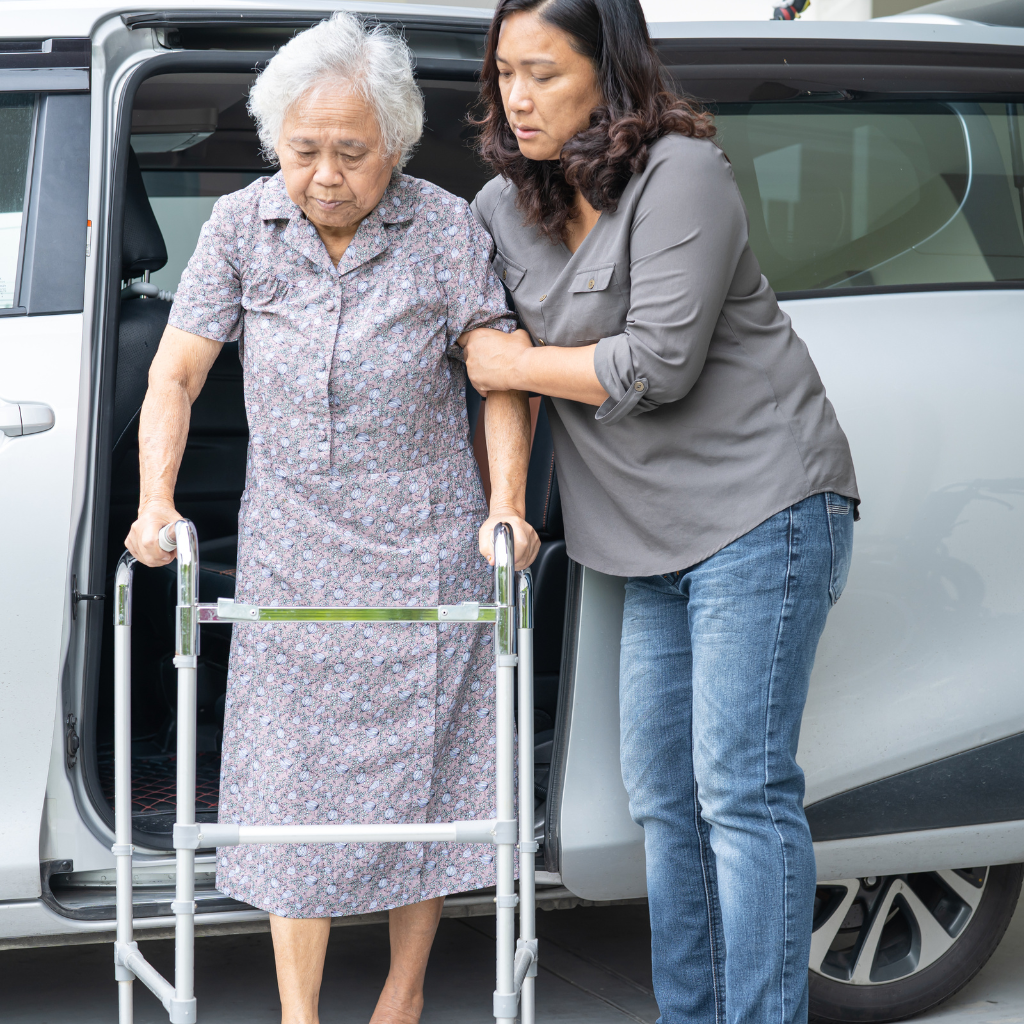
- Mobility Support: Utilize assistive devices like wheelchairs and walkers to enhance movement and independence.
- Pain Management: Implement pharmacological interventions, such as NSAIDs or neuropathic agents, alongside non-drug therapies like acupuncture or transcutaneous electrical nerve stimulation (TENS).
- Bladder and Bowel Control: Employ a disciplined routine with catheterization or bowel programs to prevent complications and maintain hygiene.
- Skin Care: Conduct frequent skin inspections and use pressure-relieving cushions to prevent pressure ulcers due to prolonged immobility.
Each strategy is integral to improving the overall health and well-being of individuals with spinal cord injuries.
Training and Support for Spinal Injury Carers
Addressing the multifaceted challenges of spinal cord injuries necessitates thorough training and support for carers.
Carers must comprehend the complexities of spinal injury care, including mobility assistance, pain management, and prevention of secondary complications such as pressure sores and urinary tract infections. Training should encompass the correct use of adaptive equipment and techniques for safe patient transfers.
Equally critical is understanding neurogenic bowel and bladder management. Carers should also be equipped with skills in emotional support to recognize signs of psychological distress in patients.
Access to professional guidance is essential, enabling carers to address emergencies effectively. Ongoing education and peer support networks can enhance confidence and competence, ensuring carers are well-prepared to manage the diverse needs of spinal injury patients.
Ensuring 24-hour Care and Support
Guaranteeing continuous, round-the-clock care for individuals with spinal injuries presents a series of significant challenges that require meticulous planning and execution. This involves addressing logistical, emotional, and medical complexities.
To effectively manage these challenges, consider the following key strategies:
- Professional Assistance: Hire trained caregivers to provide skilled support for medical and daily needs, offering consistent and reliable care.
- Technological Aids: Utilize adaptive technologies and home modifications, such as specialized beds and mobility aids, to enhance safety and independence.
- Routine Management: Establish structured schedules for medication, therapy, and personal care to provide thorough and timely interventions.
- Emotional Support Systems: Incorporate psychological support and peer group involvement to address mental well-being and community integration.
Each strategy is essential in creating a holistic care framework for spinal injury patients at home.
Conclusion
In summary, effective spinal injury care at home requires a thorough plan that incorporates personalized support, available home care services, and an understanding of the challenges and benefits associated with home living. By providing tailored assistance and addressing specific needs, caregivers can enhance the quality of life for spinal injury patients. This approach not only promotes independence but also guarantees safety and emotional well-being, ultimately fostering a supportive environment that empowers individuals to manage their condition effectively.
Check Our Latest Blog Posts
Vitamin B12 Foods for Older Adults: What to Eat and How Home Care Helps
Dental & Oral Care for the Elderly: Tips & Routines
Exercises for Arthritic Hands with Home Care
Memory Games for Seniors with Home Care Support
What Is Sundowning Dementia? Why People With Dementia Become More Agitated at Night
How Home Care Helps Reduce Loneliness After Bereavement
Hearing Aids for Elderly People: How Home Care Helps Day to Day
Senior Stretching Exercises: 5 Simple Bed Stretches to Start the Day
Heatwave Safety: How to Keep Elderly Parents Safe in Hot Weather