
UTI in the Elderly: How to Spot It Early and How Home Care Helps
How to Assess Hydration Status in the Elderly with Proper Home Carer Tips?
To effectively assess hydration status in the elderly within a home care setting, caregivers should regularly monitor fluid intake, observe urine colour, and assess skin turgor for elasticity. Checking mucous membrane moisture and monitoring weight changes can also indicate hydration levels. Addressing any signs of dehydration, such as confusion or fatigue, is vital. Educating caregivers on these methods guarantees timely interventions. For further insights into optimising hydration assessment, proceed to the next section.
Key Takeaways
These methods provide caregivers with evidence-based practices to assess hydration status effectively.
- Record daily fluid intake and monitor trends to assess hydration levels and prevent dehydration.
- Evaluate urine colour regularly; pale signifies good hydration, while dark indicates dehydration.
- Check skin turgor for elasticity; tenting may suggest mild dehydration.
- Observe mucous membranes for moisture; dryness can indicate insufficient fluid intake.
- Monitor cognitive changes, such as confusion or dizziness, as potential signs of dehydration.
How to Assess Hydration Status in the Elderly at Home?
Evaluating hydration status in the elderly at home requires a methodical approach that incorporates daily monitoring of fluid intake, urine colour, and signs of dehydration such as dry skin or confusion. Clinicians emphasise the importance of recognising common indicators of poor hydration, including sudden weight loss and decreased urine output, which can be prevalent in larger populations of older adults. An evidence-based strategy involves educating caregivers and family members on these observable signs to guarantee timely intervention and support.How Do You Assess Hydration Status in Older Patients Daily?
Effectively evaluating the hydration status of older adults on a daily basis can be essential for their health and well-being. A systematic approach to hydration status assessment involves monitoring fluid intake and identifying hydration status markers. Clinical assessment of dehydration includes observing signs of dehydration, such as dry mouth or reduced urine output. In older adults, maintaining adequate hydration is important due to their increased susceptibility to dehydration. Regularly monitoring hydration status helps prevent complications related to dehydration in older adults.| Assessment Method | Indicator |
|---|---|
| Fluid Intake Monitoring | Daily fluid consumption |
| Urine Color Observation | Pale indicates good hydration |
| Skin Turgor Test | Skin elasticity |
| Mucous Membranes Check | Moisture level |
| Weight Monitoring | Sudden changes |
What Signs Show Poor Hydration Status in a Large Population?
Identifying indicators of poor hydration in a large population, particularly among the elderly, requires attention to specific clinical signs that may not always be obvious. Dehydration in the elderly often presents subtly, with signs such as dry mucous membranes, decreased skin turgor, and unexplained fatigue. Frail older people are at increased risk of dehydration due to physiological changes in fluid balance. Accurate hydration assessment is essential as changes in fluid intake can greatly impact health. Measures of hydration status include monitoring urine colour and frequency, as well as evaluating for confusion or dizziness. Recognising these clinical signs of dehydration and addressing them promptly can mitigate the adverse effects of dehydration among older individuals, ensuring better overall health and well-being.What Are Effective Methods to Assess Hydration in Seniors?
Carers play an essential role in ensuring older adults maintain adequate hydration, employing methods that prioritise both safety and accuracy. This is particularly important as dehydration is associated with a range of adverse health outcomes, including confusion, urinary tract infections, and hospitalisation. Regular monitoring of fluid intake and output, along with checking physical indicators like skin elasticity and moisture, can offer valuable insights into a senior’s hydration status. These checks are crucial because many older adults have a reduced sense of thirst, making them more vulnerable to unintentional dehydration. Utilising digital tools or hydration tracking apps can further aid in systematically tracking fluid consumption, especially in those with lower hydration status. This structured approach helps carers effectively manage and improve hydration, ultimately supporting the health and well-being of elderly populations.
How Can Carers Check Hydration Status in Older Adults Safely?
When determining the hydration status of older adults, how can caregivers confirm their methods are both safe and effective? A clinical assessment is paramount, focusing on common indicators of dehydration in older persons. Carers should observe skin turgor, mucous membrane moisture, and urine output, all contributing to a thorough assessment of hydration status. These methods for the diagnostic assessment must be non-invasive to confirm the safety of elderly patients.| Indicator | Significance |
|---|---|
| Skin Turgor | Decreased elasticity may indicate dehydration. |
| Mucous Membranes | Dryness suggests inadequate hydration. |
| Urine Output | Reduced volume can signal fluid deficiency. |
What Is the Best Way to Track Fluid Intake in Elderly People?
How can caregivers effectively and compassionately track fluid intake in elderly individuals to guarantee their hydration needs are met? Maintaining hydration status in elderly people is essential due to their vulnerability to hydration disturbances. Caregivers can track fluid intake by using a daily log, noting all fluids consumed. This method allows for precise monitoring and helps assess hydration status effectively. Additionally, evaluating hydration status using urine parameters such as colour and frequency offers valuable insights into hydration in older people. Encouraging regular, small sips throughout the day aids in maintaining oral hydration. Caregivers need to be vigilant and responsive to any changes in hydration status in elderly individuals, as this proactive approach can prevent complications associated with dehydration.How Can Carers Monitor Hydration Status in Older People?
In monitoring hydration status among older populations, carers can utilise various tools such as electronic health records and digital fluid balance charts to track fluid intake across large groups efficiently. This is especially important because hydration disturbances are common in the elderly, and early detection is crucial for preventing complications. Recording daily fluid intake is essential, as it provides tangible data to assess the hydration status of each individual. However, interpreting this data can be challenging, as hydration status is difficult to determine based solely on visible symptoms. Reliable tools and techniques that reflect hydration status, such as urine output, urine specific gravity, or bioelectrical impedance, can be useful indices of hydration status in clinical and care home settings. These methods help detect current water-loss dehydration in older adults, offering valuable insights into individual fluid balance. Since total body water in elderly individuals is naturally lower, maintaining optimal hydration becomes even more important. Recognising that hydration status may vary daily, carers must continuously monitor and adapt their care strategies to ensure the well-being of every resident.What Tools Help Monitor Hydration Status in a Large Group?
Monitoring the hydration status of older adults, especially in large groups, poses a complex challenge that requires the use of reliable tools and strategies. Carers often find that evaluating hydration can be difficult, as indicators of dehydration are often subtle and may only appear after complications have developed due to dehydration. Studies on hydration suggest that disturbances are common among older populations. Clinical tools such as bioelectrical impedance analysis and urine specific gravity are suitable for evaluating older individuals, as they reflect both hydration status and water intake effectively. These diagnostic assessments of dehydration are used for the identification of impending and current dehydration in large group settings. They play a critical role in the early detection of hydration issues, enabling carers to take timely intervention before more serious health consequences occur. Understanding the relation of hydration status to overall well-being allows care providers to implement evidence-based strategies that ensure hydration is consistently monitored and managed with precision.Why Should Carers Record Daily Fluid Intake for Older Patients?
Recognising the essential role of hydration in maintaining health, carers are encouraged to record daily fluid intake for older patients diligently. This practice is important in evaluating hydration status, particularly in elderly patients and nursing home residents who may have diminished thirst perception. By tracking fluid balance, carers can identify trends and deviations in hydration status that might otherwise go unnoticed. Accurate documentation of daily fluid intake aids in optimising nutrition and hydration strategies, enabling tailored interventions to maintain hydration effectively. This evidence-based approach is significant in preventing dehydration, which can lead to serious health complications. Regular monitoring and recording empower carers to promptly address hydration needs, ultimately enhancing the well-being and quality of life for older individuals.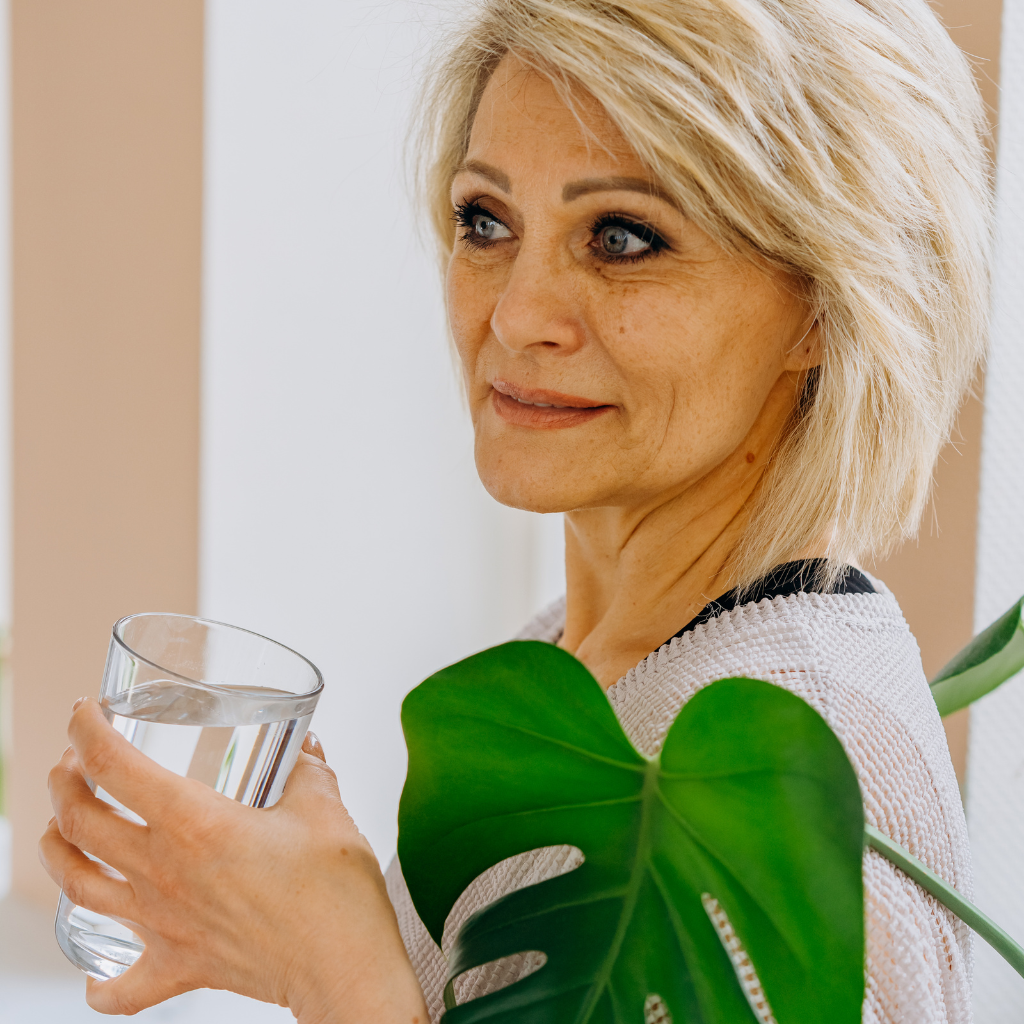
Which Methods to Assess Hydration Status in a Home Setting?
In evaluating hydration status in a home setting, quick identification of poor hydration in older patients can be achieved through routine monitoring of physical signs such as skin turgor, urine colour, and frequency. These indicators are particularly helpful for detecting impending and current water-loss dehydration, which can lead to serious health consequences if not addressed promptly. Fluid intake plays a critical role, as inadequate consumption directly correlates with dehydration risks. This makes accurate documentation of daily fluid consumption essential, especially considering the high prevalence of dehydration among older adults and dehydration in nursing home settings. The assessment of dehydration in older individuals must be consistent and adapted to each patient’s health profile. While much research focuses on critically ill patients, practical strategies are also needed for detecting and managing dehydration in nursing home residents, where symptoms may be subtle or overlooked. Implementing these practical methods, grounded in clinical evidence, enables caregivers to provide timely and effective interventions for maintaining ideal hydration levels and promoting overall well-being.How Can You Identify Poor Status in Older Patients Quickly?
Effectively identifying dehydration in older patients within a home setting can be challenging but vital. Proper assessment of hydration status is important to prevent water-loss dehydration, which can rapidly escalate in elderly subjects. Caregivers can identify poor status by observing key indicators of dehydration:- Skin Turgor: Gently pinch the skin on the back of the hand; if it remains tented, it may indicate mild dehydration.
- Oral Assessment: Check for dry mouth or cracked lips, as these can be signs of reduced fluid intake.
- Urine Colour: Dark urine can be a strong indicator of dehydration.
- Cognitive Changes: Confusion or irritability might reflect water-loss dehydration.
How Is Fluid Intake Linked to Hydration Status in the Elderly?
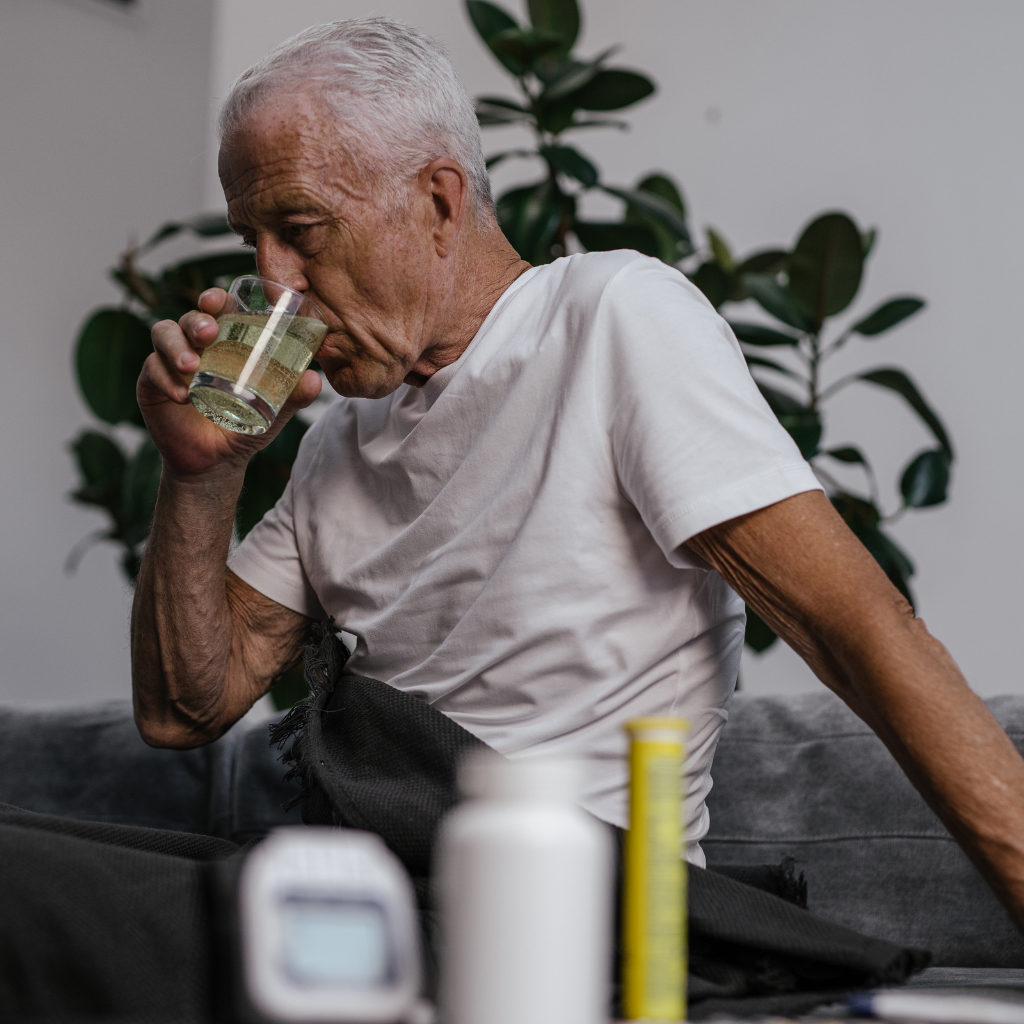
Understanding the relationship between fluid intake and hydration status in the elderly is fundamental, especially as age-related physiological changes increase the risk of dehydration. Proper fluid intake is essential in maintaining good hydration status, particularly in preventing water-loss dehydration in older people. Clinical nutrition and hydration assessments are critical in home settings to monitor dehydration severity, especially for those in nursing homes. Maintaining oral hydration in older adults requires vigilance and an evidence-based approach. Simple assessment methods include observing changes in urine colour, skin turgor, and daily fluid intake records.| Metric | Observation | Importance |
|---|---|---|
| Urine Color | Light to dark | Indicator of hydration status |
| Skin Turgor | Elasticity | Reflects fluid retention or loss |
| Daily Fluid Intake | Volume Consumed | Guarantees adequate hydration |
| Dehydration Symptoms | Thirst, Dry Mouth | Early signs of dehydration severity |
| Weight Monitoring | Regular Checks | Detects water-loss dehydration |
Why Is Fluid Intake Vital for Hydration in Older Patients?
Ensuring adequate fluid intake is vital for maintaining hydration in older patients, as they are more susceptible to dehydration due to physiological changes and decreased thirst perception. Proper assessment of total body water plays a crucial role in understanding hydration needs and preventing complications.
Carers can utilise simple methods such as monitoring urine colour and frequency to assess hydration status effectively. These approaches are suitable for assessing older individuals in both home and care facility settings. In some cases, more advanced techniques may be used to assess the hydration of at-risk patients, particularly when subtle signs may go unnoticed.
Recognising signs of dehydration, such as dry mouth, confusion, or lethargy, is essential in large populations. Evaluating the relationship between hydration and overall well-being can lead to better care outcomes, especially when including hydration status as a standard part of health assessments for the elderly.
What Are Simple Ways to Assess Hydration Status for Carers?
How can caregivers effectively monitor hydration in older adults? Understanding hydration status in older adults is vital to preventing dehydration among geriatric patients.
Carers can assess hydration status by observing markers of hydration status, which reflect the body’s fluid balance. In nursing home residents and community-dwelling older adults, dehydration can markedly impact hydration and cognitive function.
Simple, evidence-based methods include:
- Skin Turgor Test: Gently pinch the skin on the back of the hand; slow return indicates dehydration.
- Urine Colour: Pale straw indicates good hydration, while darker colours suggest dehydration.
- Daily Weight Monitoring: Sudden weight loss may signal fluid loss.
- Mucous Membrane Examination: Dry mucous membranes could point to dehydration.
These approaches aid in maintaining ideal hydration status using practical, compassionate care.
How Can You Ensure Proper Fluid Intake in Older Patients?
Monitoring hydration status through simple assessments is foundational, yet guaranteeing proper fluid intake in older patients is equally significant. Chronic dehydration can adversely affect hydration status and cognitive function, particularly among community-dwelling older adults.
To help elderly individuals stay hydrated, it is vital to integrate hydration strategies within the broader scope of nutrition and hydration in geriatrics. Engaging both patients and caregivers in understanding the importance of adequate fluid intake is essential.
Enhancing the clinical assessment of hydration status in older people involves regularly evaluating fluid consumption patterns. Encouraging healthy older people to maintain consistent hydration can prevent a poorer hydration status.
Tailoring hydration plans to individual needs guarantees that older adults receive the necessary support to maintain peak health and well-being.
Which Signs Indicate Dehydration Status in a Large Population?
Recognising the signs of dehydration in a large population, particularly among older adults, is essential for effective health management. Hydration status assessment becomes important due to the high prevalence of water-loss dehydration in the elderly.
Detecting dehydration requires careful observation of clinical signs that often indicate compromised hydration.
- Dry mouth and oral mucosa: This common sign is evident and easily assessed.
- Decreased skin turgor: Reduced elasticity of the skin can be an indicator in older adults.
- Confusion or altered mental status: A subtle yet significant sign indicating dehydration.
- Low blood pressure and increased heart rate: These essential signs changes are important in the assessment process.
In large populations, understanding these signs helps healthcare providers to implement timely interventions to restore hydration status and improve overall health outcomes.
Conclusion
In summary, evaluating hydration status in the elderly within a home setting requires a blend of clinical expertise, compassionate care, and evidence-based methods. Regular monitoring of fluid intake, observing physical signs of dehydration, and employing simple home-based assessments can effectively manage hydration levels. Carers, equipped with knowledge and empathy, play a vital role in ensuring ideal hydration, thereby enhancing the overall health and quality of life for older individuals. Prioritising hydration is essential for maintaining their well-being and preventing complications.
Check Our Latest Blog Posts
Vitamin B12 Foods for Older Adults: What to Eat and How Home Care Helps
Dental & Oral Care for the Elderly: Tips & Routines
Exercises for Arthritic Hands with Home Care
Memory Games for Seniors with Home Care Support
What Is Sundowning Dementia? Why People With Dementia Become More Agitated at Night
How Home Care Helps Reduce Loneliness After Bereavement
Hearing Aids for Elderly People: How Home Care Helps Day to Day
Senior Stretching Exercises: 5 Simple Bed Stretches to Start the Day
Heatwave Safety: How to Keep Elderly Parents Safe in Hot Weather