
Personal Alarms for Elderly People: Staying Safe and Independent at Home
Introduction
The phone goes at an odd hour, and your stomach drops before you have even answered. If your mum or dad lives alone, that flash of fear is familiar. What if they have fallen, and nobody knows?
That single worry is what sends most families looking at personal alarms for elderly parents in the first place.
Here is the short version, up front. If your relative lives on their own, a personal alarm is one of the best bits of reassurance you can buy, and I would not talk anyone out of getting one. But it is a safety net, not a safety plan, and it helps to understand the difference before you spend a penny.
As a provider of home care for older people across Aldridge and the wider Walsall area, we often help families understand how personal alarms fit alongside everyday support. This guide covers what personal alarms for elderly relatives actually do, who genuinely needs one, the digital switchover catch that trips people up, and where personal alarms for elderly people stop and real support begins.
How Personal Alarms for Elderly People Work
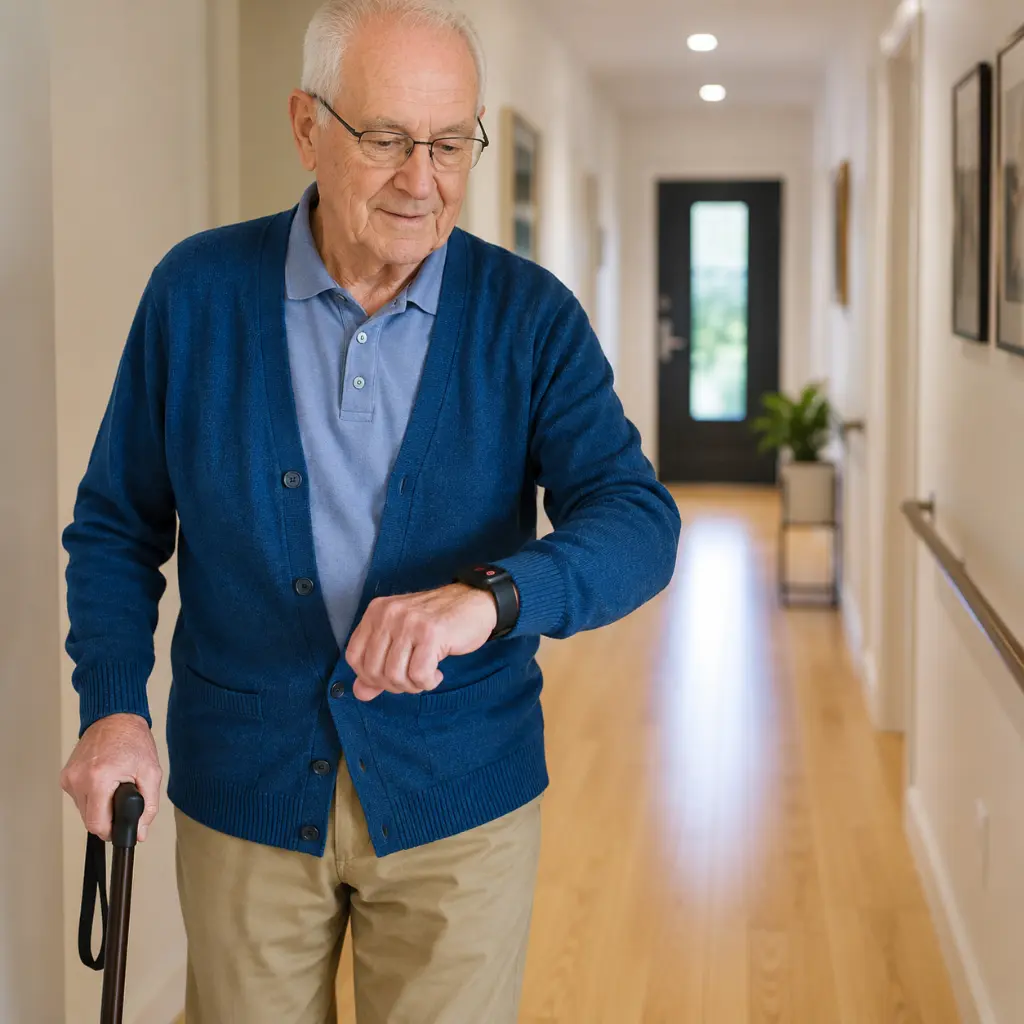
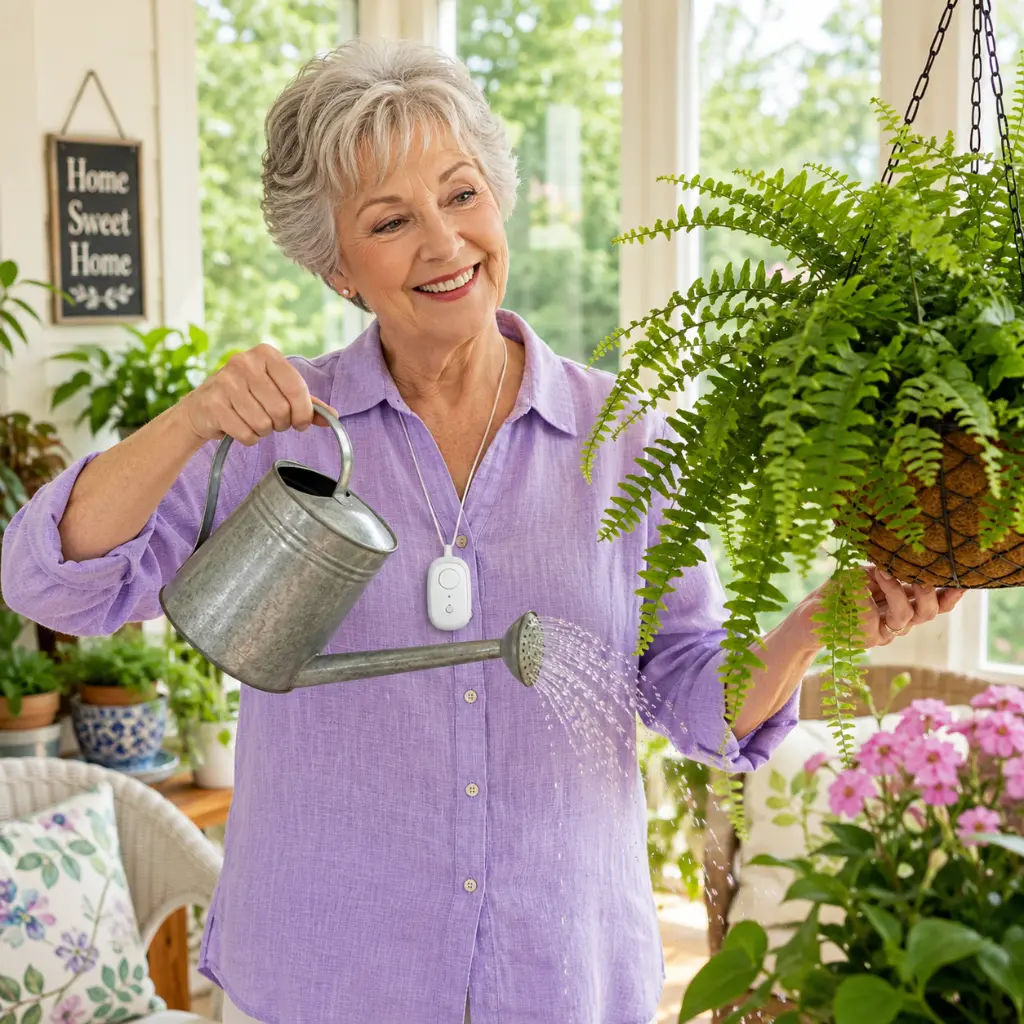
Strip away the marketing and an elderly personal alarm is simple. Your relative wears a button, usually a pendant round the neck or a strap on the wrist, and presses it when they need help.
That press connects them to either a 24-hour monitoring centre or a list of nominated family contacts, who can talk to them, work out what is wrong, and arrange help. Most personal alarms for seniors are waterproof, so they can stay on while bathing or showering, offering reassurance in places where slips are more likely to happen.
Some go further. Fall alarms for elderly users can detect a sudden fall and raise the alarm by themselves, even if the person is too hurt or too shaken to press the button. Others use GPS, so they work out and about, not just at home.
Who Benefits Most from Personal Alarms for Seniors
Here I will take a side. If your dad lives alone and has already had a fall or a near miss, do not deliberate for weeks. Get the alarm.
The same goes if he has a condition that means he could need help suddenly, or if he is often in the house on his own for long stretches. For anyone in that position, alarms for elderly living alone are not a luxury, they are the obvious first move.
If your parents are steady on their feet, rarely alone, and well in themselves, you can take your time and shop around properly. There is no need to be rushed by a hard sell, because good elderly safety alarms will still be there next month.
Where Personal Alarms for Elderly Have Their Limits
Now the honest bit. A personal alarm does nothing at all until something has already gone wrong.
A personal alarm is designed to summon help in an emergency. It isn’t intended to monitor day-to-day wellbeing, support personal care or notice gradual changes such as reduced appetite or mobility. Those are the kinds of things regular human contact can often pick up much earlier.
The same principle applies to everyday home safety. Simple precautions, including good fire safety in the home for the elderly, help reduce risks before an emergency ever happens.
Even the cleverest fall alarms for elderly users only respond after the fall. That is not a reason to skip the alarm, it is a reason not to mistake a pendant for a care plan.
The families who get this right pair the alarm with regular human contact, whether that is help preventing falls in the first place, a friendly face for company, or someone popping in through home care visits to catch the small things early.
Preparing Personal Alarms for the Digital Switchover
Across the UK, the old analogue landline network is being switched off, with all lines due to move to digital by the end of January 2027.
If your relative already has an older elderly personal alarm that plugs into a phone socket, it may not work properly on a digital line without a check or an upgrade. So do two things. Tell their phone provider, in advance, that they use a telecare alarm, and check with the alarm supplier that the device is digital-ready.
One more thing worth knowing: digital phone lines do not carry power, so they stop working in a power cut.
Combining Elderly Safety Alarms with Home Care
Elderly safety alarms do one job brilliantly: raising the alarm in an emergency. The setup that genuinely keeps someone safe and independent is that alarm as the backstop, with regular care doing the quiet, preventive work around it.
That is the part we look after. At Vitality Care and Support Services in Aldridge, we support older people across Walsall and the West Midlands with home care visits, companionship, personal care and overnight and live-in support, so there is a familiar person checking in, not just a button waiting for the worst.
Used together, personal alarms for seniors and regular home care cover both sides of the same coin. One answers the emergency, the other helps make sure fewer emergencies happen in the first place.
The same preventive approach also applies to heatwave safety, where a few simple precautions can help reduce the risk of dehydration, heat exhaustion and other heat-related illnesses during hot weather.
A Personal Alarm Works Best With Someone Who Cares
A personal alarm can provide reassurance in an emergency, but everyday wellbeing comes from regular contact, familiar routines and someone noticing the small changes before they become bigger concerns.
Whether your relative would benefit from occasional visits or more regular support, our carers help people across Aldridge and Walsall stay safe, confident and independent at home. If you would like to explore what that could look like, we are always happy to chat.