
UTI in the Elderly: How to Spot It Early and How Home Care Helps
How to prevent falls in elderly: Tips for Older Adults
Essential Tips for Preventing Falls in Older Adults: Protect Your Loved Ones and Enhance Their Independence
Many people worry about their elderly loved ones falling. Falls in older adults can result in severe injuries and reduce their quality of life. Did you know that falls are the primary cause of injuries and death in older persons? This article aims to show you how to effectively prevent falls in older people.
We will guide you through identifying common fall risks, implementing safety measures at home, and the significance of regular exercise. Learn steps to help prevent falls and maintain independence for longer with supportive community care for older adults.
Keep reading for essential tips on fall prevention among older people.
What Are the Key Steps to Prevent Falls in Older Adults?
Understanding common causes of falls is crucial to preventing falls in older adults. Conditions, environmental risks, and prior falls significantly increase the chance of subsequent incidents.
To address these problems, you must adjust your home setting by removing loose carpets, fitting grab bars in essential spots such as bathrooms, and promoting adequate lighting across the living areas. Consulting an occupational therapist can help tailor these modifications to suit individual needs and improve home safety.
These changes make moving around the house safer for you or your loved ones.
Exercise is also vital for preventing falls. Regular physical activity strengthens muscles and promotes balance and coordination, effectively lowering the likelihood of falls among seniors.
Engaging in custom exercise programs emphasizing strength and balance can offer considerable benefits, with guidance from resources such as the National Center for Injury Prevention and Control.
Regular exercise is the key to maintaining balance and preventing falls.
Let’s understand how regular health assessments further help reduce fall risks for older adults.
Understanding Common Fall Risks
Common fall risks encompass several elements that can heighten the possibility of falls among older people. Inadequate lighting and unsecured rugs in your dwelling may result in trips and falls.
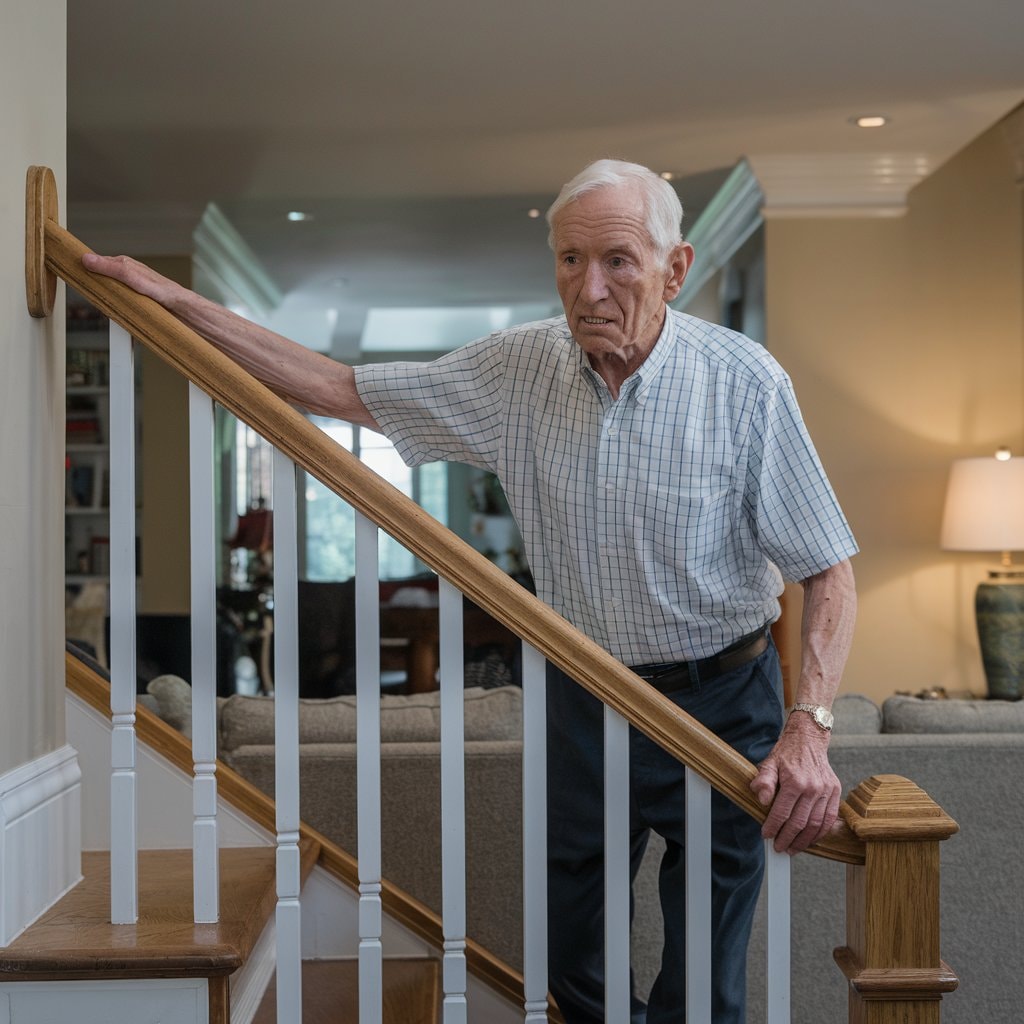
Floors prone to becoming slippery pose another risk, especially in bathrooms with frequently damp surfaces. Staircases without handrails can present a significant danger, especially for individuals with balance or movement difficulties.
It’s essential to spot these environmental risks promptly.
Your health status also has an essential role in fall risks. Impairments in vision or hearing can make you more susceptible to mishaps. Medications influencing your wakefulness or balance, such as sedatives or antidepressants, raise the likelihood of a fall occurring.
Feeble muscles and joints due to an absence of exercise lead to instability, making it more challenging to evade falls. Acknowledging these risk factors is the initial step in lessening the possibility of accidents and injuries linked to falls among older individuals residing at home or within communal settings.
Implementing Home Safety Interventions to Prevent Falls
Making your home safer is critical in fall prevention for older adults. Many falls happen at home, but simple changes can reduce the risk. Here’s how:
Remove trip hazards. Keep floors clear of clutter, cords, and rugs that can cause trips.
Apply non-slip mats in the bathtub and shower floor to prevent slipping.
Have sturdy handrails on both sides of stairways for better balance while moving up or down.
Arrange furniture to ensure clear walking pathways comfortably without obstacles.
Elevate seating. Use chairs with arms that are easier to get in and out of.
Wear shoes with good support inside the house instead of walking barefoot or in socks.
Place frequently used items within easy access to prevent overstretching or climbing on stools.
Secure loose carpets or remove them altogether to avoid tripping hazards.
These interventions help older adults maintain their independence while minimizing the risk of falls at home. Keeping yourself or your loved ones safe doesn’t require significant changes, just thoughtful adjustments around the house to create a safer living environment
The Role of Exercise in Fall Prevention
Exercise plays a pivotal role in forestalling falls among older adults. Regular physical activities solidify muscles, upgrade balance, and encourage flexibility. These benefits substantially mitigate the risk of falling, a common worry for many seniors.
Exercises like walking, light jogging, and certain balance-boosting activities can help you feel more steady.
Beginning an exercise regimen to prevent falls can initially appear intimidating, but integrating straightforward routines into everyday life can yield a significant impact. Strength and balance training prove exceptionally efficient in diminishing fall risks in older adults living in community settings.
Regular exercise helps reduce the likelihood of falls and boost your overall health and mobility.
Now, we focus on how routine health check-ups aid in preventing falls.
How Can Older Adults Reduce the Risk of Falling?
Regular health check-ups are vital for reducing the risk of falling. These checks can spot problems like poor eyesight or hearing loss that may make a fall more likely. Your doctor can also review your medications, as some can make falls more probable by causing side effects such as dizziness or confusion.
Identifying and managing these issues early on helps you maintain balance and stability.
Assistive devices, including walking sticks and grab rails in strategic places around your home, play a crucial role in preventing falls. They give extra support where needed, making moving inside and outside your house safer.
Managing medication effectively is another crucial step; ensure all prescriptions are up-to-date and discuss any concerns about side effects with a healthcare professional. This proactive approach supports maintaining an independent lifestyle whilst minimizing the risks associated with falling.
Importance of Regular Health Check-ups
Routine health check-ups are essential for in preventing falls among older adults. They help to identify risk factors for falls and conditions that could increase your chance of falling.
During these visits, doctors can assess your balance, muscle strength, and overall physical condition. They can also review your medications to ensure they’re not contributing to dizziness or weakness, which are common fall triggers.
Getting checked regularly uncovers issues early on when they’re easier to manage. This is especially vital if you are 65 years or older since the risk of falling increases.
Through these appointments, healthcare providers and physical therapist might suggest exercises to prevent falls or adjust treatments that inadvertently raise the likelihood of a slip or tumble. Health check-ups act as an essential step in maintaining mobility and independence as you grow older, ensuring a better quality of life and reducing fall-related injuries.
Utilizing Assistive Devices to Help Prevent Falls
Falls in older people are a significant concern that can lead to severe injuries. Assistive devices play a critical role in helping to prevent falls among older people, ensuring their safety and independence.
-
To provide support, install grab bars in essential locations, including the bathroom, near the toilet, and shower.
-
Utilize non-slip mats in the bathroom and shower areas to prevent slips on wet surfaces.
-
Ensure proper lighting throughout the home, especially at night, to improve visibility.
-
Introduce a personal alarm system that older adults can wear to alert others in case of a fall.
-
Provide walking aids like canes or walkers for those with balance issues or mobility impairments.
-
Consider stairlifts for homes with multiple levels to avoid risky stair navigation.
-
Wear shoes with good support and non-slip soles instead of slippers or socks indoors.
Exploring these options will significantly lower your fall risk and help avoid future falls. Moving forward, managing medication plays an equally important role in fall prevention for both older adult falls and adults.
Managing Medication to Reduce the Risk of Fall
Upon researching the employment of supportive apparatus to avert topples, managing medication as a cautionary strategy remains paramount. Numerous seniors take a multitude of medicines which might elevate their susceptibility to falling.
Specific drugs could induce vertigo or bewilderment, escalating the odds of a fall. Coordinating effectively with healthcare practitioners guarantees you, or you talk to your doctor dear ones, that the medication scheme fosters overall well-being while not endangering safety.
Regularly scrutinizing prescriptions with a medical professional or pharmacist can pinpoint medicines which increase the risk of falling. They might revise dosages or propose different solutions that impact less on balance and cognition.
This is also beneficial in ensuring no drug synergies that could unintentionally heighten the chances of falls in seniors living independently in the community.
Precaution surpasses treatment, mainly when preventing falls is the focus.
What Are the Most Effective Fall Prevention Tips for Seniors?
Ensuring a balanced diet and nutrition is vital for fall prevention in seniors. Getting enough calcium and vitamin D can fortify bones, minimizing the likelihood of fractures in broken bones in the event of a fall.
You or your senior family member must incorporate enough dairy products, green leafy vegetables, and fortified foods into your daily meals. Moreover, maintaining hydration can help prevent fall-induced dizziness; hence, daily water intake is fundamental.
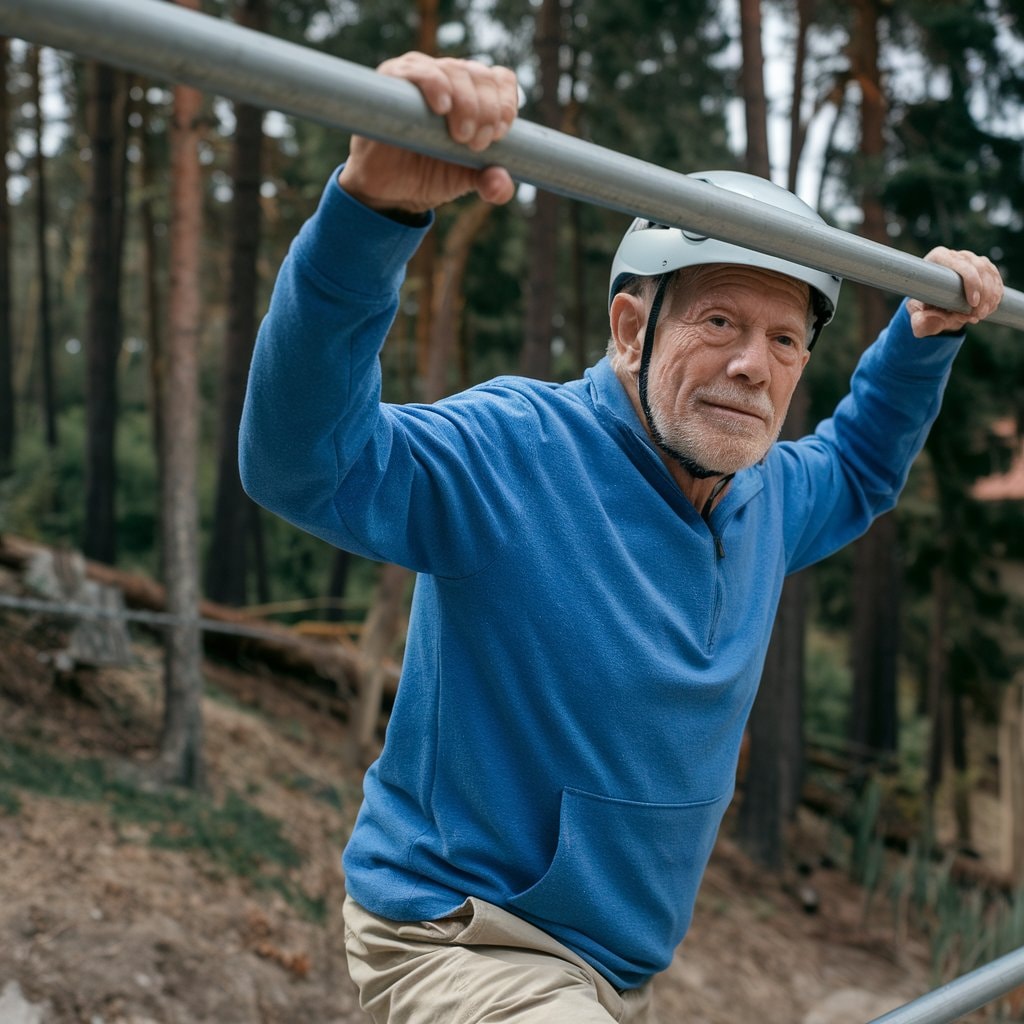
Partaking in strength and balance training can substantially assist in fall prevention for older adults. Straightforward exercises such as walking, tai chi, or specific exercise programmes developed for seniors can better both muscle strength and balance.
Engaging in these activities can enhance physical health and heighten confidence, reducing the fall-related fear that often leads to actual falls. Regular involvement in these exercises can support maintaining independence and decrease the risk of fall-related injuries in seniors.
Adopting a Balanced Diet and Nutrition
A balanced diet prevents falls and fractures among older adults like you or your loved one. A diet high in calcium and vitamin D is vital for maintaining bone health and lowering the risk of falls and subsequent injuries.
Ensure you include plenty of fruits, vegetables, lean proteins, and whole grains daily. Drinking enough water also keeps muscles hydrated, further helping to avoid falls.
Good nutrition supports physical strength and balance, which are critical factors in fall prevention strategies. It’s essential for older adults at increased risk of falling to get the proper nutrients that support muscle function and bone density.
Next, we’ll explore how strength and balance training can significantly benefit seniors by enhancing their stability and mobility.
Engaging in Strength and Balance Training
Engaging in strength and balance training is a powerful way to prevent falls in older adults. Such exercises build muscle, improve coordination, and enhance stability, rendering you less likely to fall.
Trainers suggest simple tasks like standing on one foot or walking heel to toe at home. You may participate in community-based exercise programs for seniors focusing on these crucial areas.
Strength and balance training reduces your risk of falling and elevates confidence in daily activities.
Research indicates that customized exercise programs significantly diminish falls among older individuals living in the community by enhancing physical functionality. This method is essential in forestalling falls and sustaining independence as you age.
Moving on, we should examine how adopting a balanced diet underlies overall well-being and fall prevention initiatives.
How Do Fall Prevention Programs Benefit Older Adults?
Fall prevention programs are instrumental in reinforcing safety and confidence in older adults. These measures provide comprehensive evaluations to pinpoint personal fall risk elements, including health factors that could augment the chance of an accident.
With customised strategies such as exercise plans that focus on balance and strength enhancement, these programmes address risks directly. They also advise on environmental changes at home to eliminate potential dangers.
This practical method lowers the fall risk by creating a safer living environment.
Community-related fall prevention workshops grant more support, imparting methods on effective fall and injury prevention within community residences where many of the elderly population reside.
Moreover, the implementation of these preventive measures remarkably uplifts the life quality of older people by lessening the fear of falling and encouraging autonomy. The following section will discuss prevalent risk elements connected with falls in senior individuals.
Overview of Community-Based Programs
Programmes based in the community are vital in mitigating falls amongst the elderly population. They offer a nurturing environment where older individuals can partake in physical activities devised to boost their strength and balance, which are critical in decreasing fall risks.
Frequently, these programs include informative sessions on techniques to prevent falls and lifestyle modifications to eliminate potential dangers.
Local health organizations are the usual initiators of these schemes, providing them to older persons living in the community. Joining these programs benefits older people by reducing the likelihood of falls, increasing social interactions, and encouraging autonomy.
Given advice planned explicitly for older adults, these methods substantially elevate their lifestyle quality while lowering the high fall risk associated with aging.
Benefits of Personalized Fall Prevention Strategies
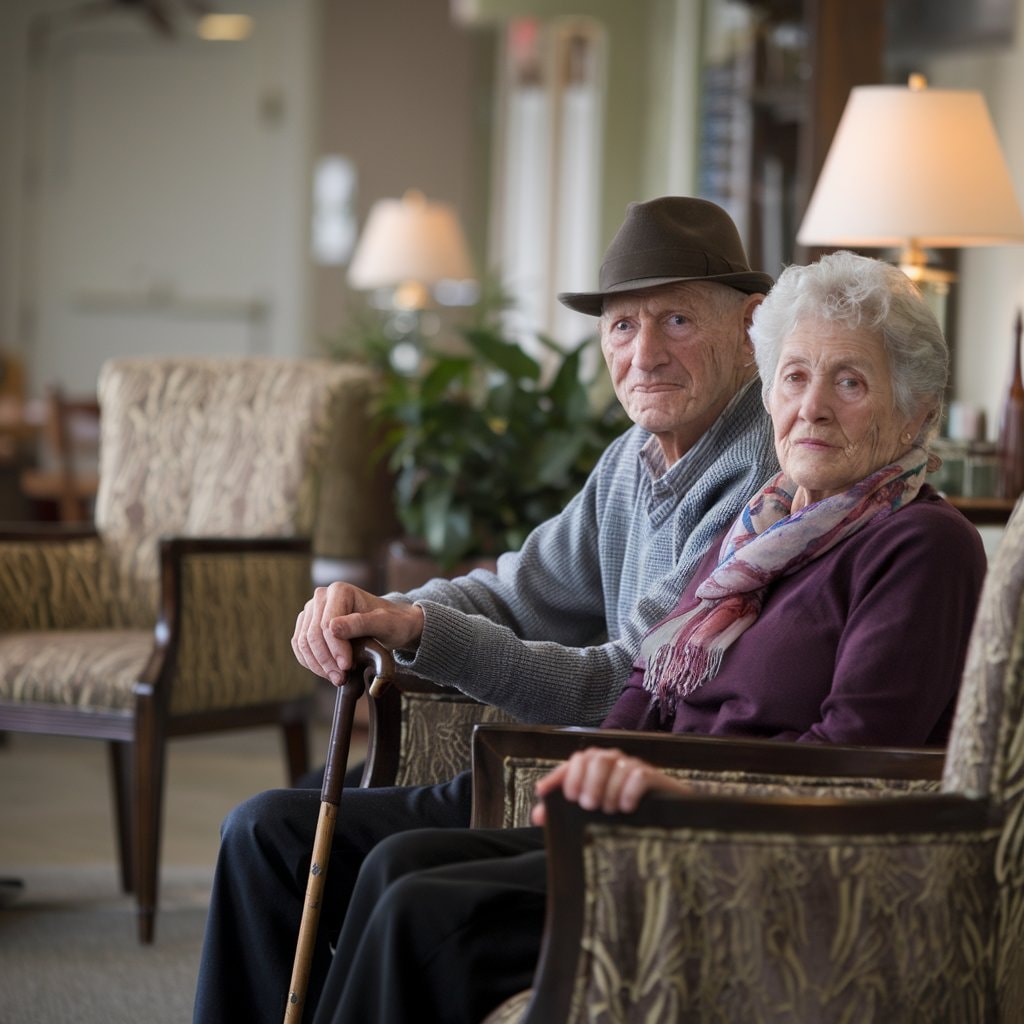
Shifting the whole disease control and prevention conversation from community-based programmes, it’s essential to highlight how customised fall prevention strategies offer distinct benefits for elderly individuals. These particular strategies take into account individual risk factors for falls, strengthening the support provided.
Here’s why customized fall prevention strategies command attention:
Personalized assessment identifies particular needs. Each older individual possesses unique health conditions and lifestyle elements that escalate their risk of stumbling. Specialized strategies start with an in-depth analysis of these risks, ensuring the prevention plan tackles them directly.
Bespoke exercise plans enhance efficiency. Unlike general exercise programs designed to avert falls, specialized plans concentrate on bolstering specific areas of weakness in each individual. This could include balance training or strength exercises, significantly decreasing the probability of falls.
Refinements to living spaces become more exact. Specialized interventions scrutinize an individual’s living conditions, offering precise suggestions to alleviate hazards most relevant to them.
Medication assessments avert side effects leading to falls. For numerous elderly individuals, specific medications can escalate the risk of dizziness or balance problems. A specialized approach includes reviewing and managing these medications to lower such risks.
Assistive devices are chosen based on individual requirements. Every assistive device only suits some; some individuals might find more comfort in using a walker, while others may need a cane or handrails installed at strategic locations in their residences.
Dietary advice emphasizes bone health and energy levels. A calcium-rich diet and vitamin D are crucial for preserving bone strength and averting injuries resulting from falls. Specialized advice ensures dietary suggestions are explicitly made for each person’s nutritional requirements and inclinations.
Regular check-ins adapt to mutating needs as people age, their mobility and health status can shift, demanding adaptations to their fall prevention plan. Specialised strategies comprise of constant monitoring and modifications over time.
Community resources are paired with personal interests. Engaging in social activities can also play a role in to preventing falls by keeping elder individuals physically active and engaged with their environment; specialised plans ally individuals with community resources that synchronize with their interests.
Each of these points signifies the comprehensive aspect of customized fall prevention strategies, proposing a comprehensive solution to efficiently lessen falls among elderly individuals with mild cognitive impairment or for those at heightened risk due to other elements.
What Are the Factors That Increase Fall Risk in the Elderly?
Identifying the risk factors that lead to falls in older adults is essential and plays a crucial role in preventing them. Certain health conditions, such as mild cognitive impairment or diseases that affect balance and strength, significantly increase your risk of falling.
Environmental hazards at home, like loose rugs or poor lighting, also pose serious risks. If you’ve had a fall in the past year, this history makes future falls more likely.
Preventing falls is not just about addressing physical fitness; it’s equally important to manage environmental risks and understand one’s health conditions.
Regular check-ups can identify these issues early on. Implementing simple changes around the house can significantly lower the risk of falls. It all starts with being aware of what increases the likelihood of a fall and taking proactive steps to mitigate those factors.
Identifying Health Conditions that Increase Your Risk of Falling
Certain health conditions significantly hike your risk of falls, marking them as critical areas for attention. Heart disease, diabetes, osteoporosis, arthritis, and neurological conditions like Parkinson’s disease or multiple sclerosis can impair balance and physical strength.
Eyesight problems also play a big part in fall injuries. These issues make it harder to maintain stability, increasing the chance of slipping or tripping.
Medication side effects often contribute to this risk, too. Drugs that treat high blood pressure or heart problems might cause dizziness upon standing up quickly. Keeping tabs on these health factors is essential in fall prevention strategies for older adults with mild cognitive impairment at an increased risk for falls.
Addressing environmental hazards at home becomes the next step in further ensuring safety and reducing fall risks.
Addressing Environmental Hazards at Home
After identifying health conditions that increase your risk of falling, we must turn our attention to your living environment. Ensuring your home is safe can significantly help prevent falls in older adults.
Here are ways to address environmental hazards at home:
Eliminate loose rugs or secure them in place with double-sided tape. Rugs that move can easily cause trips and falls.
Keep walkways clear of clutter. Make sure paths through each room are comprehensive and free from obstacles.
Add grab bars in the bathroom close to the toilet for extra support.
Install non-slip, which should be used in the bathroom and shower area to avoid slipping on wet surfaces.
Ensure adequate lighting throughout the house, particularly in stairways and hallways.
Place night lights in bedrooms, bathrooms, and hallways for better nighttime visibility.
Repair or replace any uneven flooring or loose carpeting immediately to reduce tripping hazards.
Keep frequently used items nearby to avoid the need for stepping stools or stretching too far.
Consider a cordless phone or mobile phone to carry around, reducing the need to rush for calls.
Arrange furniture so it provides stability when moving around the space, allowing something firm to hold onto if needed.
Replace traditional doorknobs with lever handles for more effortless opening, which is especially beneficial for those with arthritis.
Ensure all electrical cords are secured from walking areas to avoid tripping over them.
These steps can make a big difference in creating a safer living environment that minimizes fall risks for older adults living at home, supporting their independence and quality of life as they age.
Understanding the Impact of Previous Falls
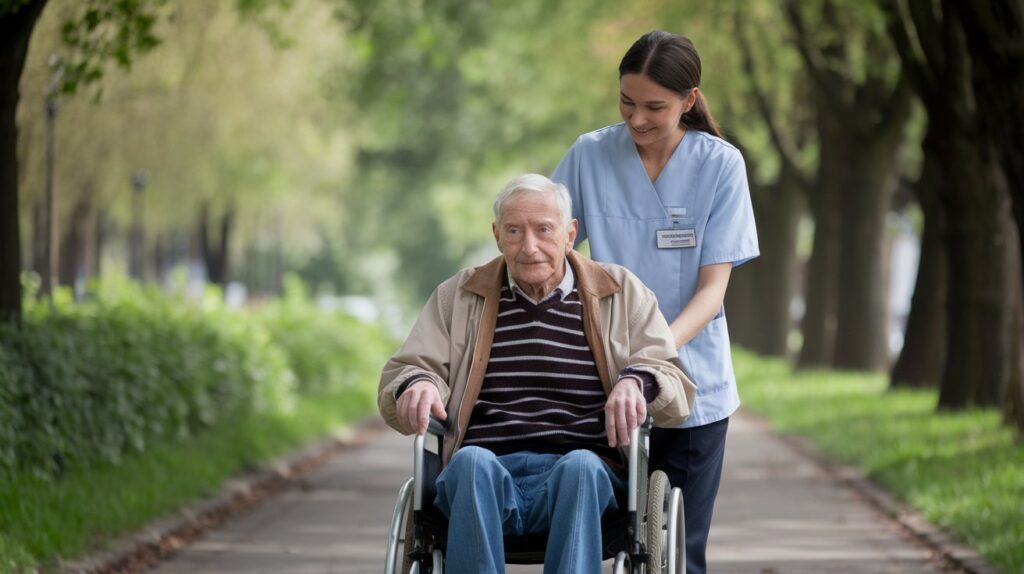
Previous falls substantially raise the likelihood of additional incidents in old age. Research reveals that even a single fall amplifies the probability of a serious injury or reoccurrence.
This truth emphasizes a critical point: past falls are a substantial alert and a significant risk element for falls among older people. They act as signs of underlying health situations or environmental dangers that need rectification to avoid further harm.
Acknowledging this, it’s crucial to scrutinize any record of falling meticulously. Inspect the conditions surrounding former incidents to spot changeable fall risks, such as inadequate lighting or unsecured rugs at home, and rectify them without delay.
Such steps assist in lowering the high risk of falls and also augment the overall quality of life by prolonging independence.
Conclusion
Empowering older adults to stay active and safe helps with how to prevent falls in elderly, ensuring they enjoy a better quality of life. Practical steps to staying active, like regular health check-ups and adopting strength exercises, reduce the risk of falls significantly.
Community-based programs offer guidance and support, teaching essential skills to manage health conditions effectively. Making homes safer with interventions addresses environmental hazards, cutting down fall incidents.
Support services from agencies like Vitality Home Care play a crucial role in offering personalised health care providers, that focuses on preventing falls among elderly people living at home. They understand each individual’s unique needs, providing services ranging from personal care to specialized dementia support.
With professional caregivers trained in fall prevention strategies, older adults find confidence in their daily lives, knowing they have the proper assistance to help prevent future falls and maintain independence.
Check Our Latest Blog Posts
Vitamin B12 Foods for Older Adults: What to Eat and How Home Care Helps
Dental & Oral Care for the Elderly: Tips & Routines
Exercises for Arthritic Hands with Home Care
Memory Games for Seniors with Home Care Support
What Is Sundowning Dementia? Why People With Dementia Become More Agitated at Night
How Home Care Helps Reduce Loneliness After Bereavement
Hearing Aids for Elderly People: How Home Care Helps Day to Day
Senior Stretching Exercises: 5 Simple Bed Stretches to Start the Day
Heatwave Safety: How to Keep Elderly Parents Safe in Hot Weather