
UTI in the Elderly: How to Spot It Early and How Home Care Helps
Self-Care Activities for Seniors to Boost Health and Happiness
Enhancing Well-Being: Essential Self-Care Practices for Seniors to Promote Health and Happiness
Taking care of your self-care activities for the elderly or family members or finding strategies to maintain your own well being, health and happiness as you age can sometimes seem challenging. You might be looking to create opportunities for pursuits that are enjoyable as well as beneficial for your own well-being.
One fact is significant: participating in self-care activities for elderly individuals has a vital role in boosting their quality of life.
In this article, we explore a variety of self-care practices that feed both the body and mind of seniors. From physical exercises aimed at enhancing stability to mindfulness practices dedicated to fostering emotional resilience and relaxation techniques, we cover a variety of options that are appropriate for everyone.
The journey to a happier and healthier life begins here. Let’s get going.
Why is Self-Care Important for Seniors?
Transitioning from grasping the fundamentals, we identify the significant role self-care holds in improving the quality of life for older individuals. Elderly citizens frequently encounter unique difficulties affecting their physical and mental well-being.
Regular self-care fosters their overall health, marking it as an essential aspect of daily routines, particularly for older individuals. This practice includes activities encouraging physical health, stimulating mental and emotional stability, and nurturing social interactions.
Caring for oneself isn’t self-centred; it’s vital. Predominantly for older people, prioritising self-care can transform everyday existence into a more delightful experience.
Integrating activities for older individuals like regular physical activity bolsters balance and general physical well-being. This sole act can assist in avoiding falls—a prevalent worry amongst the elderly.
Furthermore, engagement in pleasurable activities like gardening or bonding by spending time together with loved ones enhances not just the mental and physical health, but also the spirit. These practices confirm that older individuals sustain an active social lifestyle, which is crucial in battling solitude and elevating overall wellness.
Understanding the Importance of Self-Care in Older Adults
Self-care holds a pivotal role in the lives of older adults, fostering overall healthiness and contentment. Particularly for seniors, implementing self-care can drastically improve sleep uplift their life quality.
It encompasses self care activities for elderly, that nurture both mind and body, assuring the maintenance of peak health as they grow older. Self-care supports in evading health concerns commonly connected with ageing by keeping seniors physically dynamic and mentally busy.
For you or your older family members, integrating enjoyable activities into daily routines can serve as protective actions against usual age-related health issues. Whether it’s participating in physical exercises for better balance or indulging in social activities that nurture emotional health, each aspect of self-care significantly contributes to achieving a comprehensive sense of wellness.
Prioritising self-care is not self-centred; instead, it’s a vital practice to ensure vibrancy and longevity in one’s later years.
How Self-Care Practices Can Enhance Mental Health and Well-being
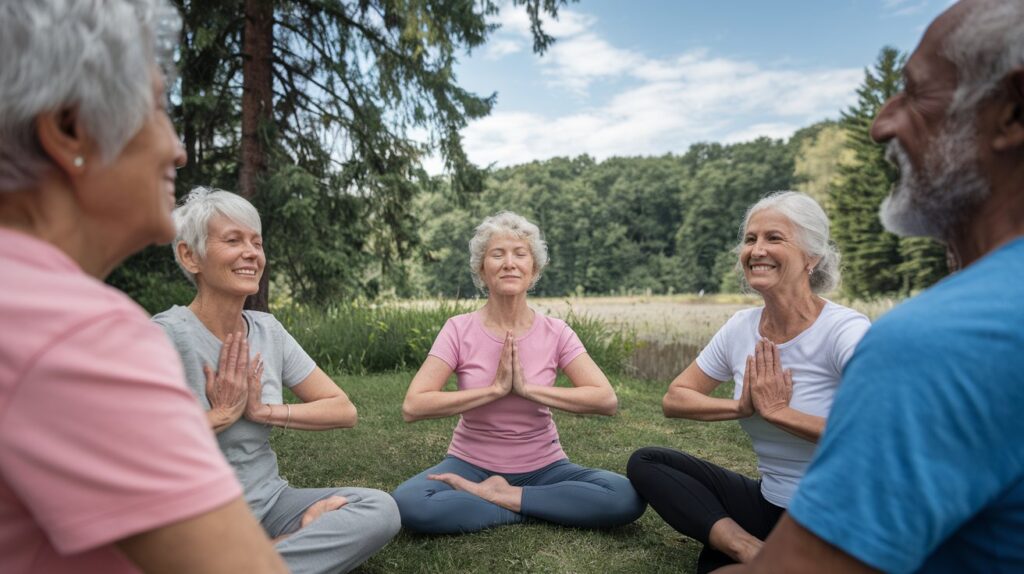
Self-care practices exert a potent influence on mental health and well-being, notably for seniors. These activities cater to the mind and body, fostering a sense of serenity and resilience.
Regular involvement in physical activities, relishing nutritious meals, eating healthy foods, and securing ample sleep are essential self-care tactics that augment overall well-being. They contribute to diminishing stress levels, elevating mood, and refining cognitive function.
For older adults living independently or in supported living environments, applying these practices can pave the way for a more joyous and rewarding life.
Mindfulness exercises also serve a vital function in nurturing emotional stability. Activities like meditation or deep breathing exercises stimulate relaxation and mental clarity. They facilitate managing everyday challenges by enhancing focus and alleviating feelings of anxiety de stress or depression.
As you place importance on self-care for yourself or your elderly family member, think about spending time exploring pleasurable activities such as gardening or volunteering that foster social well-being.
Continuing on, let’s explore the the past few years of year’s specific self-care activities that are exceptionally beneficial for seniors.
Ways to Promote Quality of Life Through Self-Care
As we have explored the profound effect of self-care on mental health and wellbeing, it’s crucial to shift our attention to improving the overall life quality for seniors through dedicated self-care strategies.
Enhancing life quality involves both physical and emotional aspects, ensuring that seniors stay fit and also feel a sense of connection and importance in their everyday lives.
One excellent way to enrich the body and soul is by involving seniors in hobbies they enjoy, which can dramatically improve their social wellbeing. Whether it be gardening, painting or participation in a local community group, such endeavours give seniors a sense of purpose and belonging.
Motivate them to emphasise self-care by ensuring sufficient sleep, consuming well-nourished meals, and taking part in mild physical exercises adjusted specifically for their requirements.
This comprehensive approach benefits their physical health and also bolsters resilience against stress factors impacting their mental health.
Self-care is the secret to a balanced and healthy life indeed.
What Are Some Great Self-Care Activities for Seniors?
Engaging in physical activities is vital for seniors, as it assists in improving balance and overall physical health. Think about joining a local walking group or trying out gentle yoga classes created specifically for seniors.
These forms of exercise reinforce physical health while also offering the chance to socialise and make new friends. Gardening delivers therapeutic benefits, providing the body with fresh air and healthy food while cultivating a sense of accomplishment.
Practising mindfulness through deep breaths in a peaceful space can greatly diminish stress and encourage mental and emotional well-being. Simple rituals such as savouring a cup of coffee in the morning sun can vastly improve daily joy.
It’s crucial to adjust these self-care practices to match personal interests and abilities, making sure they bring happiness and better the quality of life without feeling burdensome.
Give importance to your own needs by ensuring enough sleep in your routine, which is essential for comprehensive health outcomes.
Engaging in Physical Activities to Improve Balance and Physical Health
Physical activities hold a vital position in promoting balance and overall health, particularly for the elderly. Self-care through regular exercise can markedly elevate vitality and well-being.
-
I am walking advances cardiovascular health and muscle strength, boosting better stability.
-
Yoga fosters flexibility and mental health and curbs the likelihood of falls by enhancing balance.
Tai Chi presents gentle movements that improve coordination and concentration, which is critical for averting mishaps.
-
Swimming and water aerobics mitigate strain on the joints while providing a holistic exercise for physical health improvement.
-
Strength training using light weights or resistance bands augments muscle mass, which is vital for preserving mobility.
-
Dancing not only uplifts spirits but also boosts endurance and balance using rhythmical movement patterns.
-
Gardening motivates the elderly to cherish outdoor time, merging physical activity with the pleasure of nurturing nature.
-
Pedalling on stationary bikes allows a low-risk leg workout, bolstering lower body muscles without the hazard of injury.
Following these activities in everyday life can contribute significantly to the promotion of independence and longevity among the older population. Next, we’ll discover how mindfulness can further nurture resilience in mental and emotional health practices for the elderly.
How Mindfulness and Mental and Emotional Health Practices Foster Resilience
Transitioning from physical activities, mindfulness and relaxation techniques and mental health practices play a crucial role in de stress and building resilience. These methods help you manage stress more effectively and improve your emotional well-being.
By focusing on the present moment through mindfulness, you become better equipped to have positive emotions and handle life’s challenges with grace.
Mindfulness leads to a deeper understanding of oneself, fostering emotional resilience.
Practising meditation, deep breathing exercises, or engaging in guided imagination are ways to nourish your mind and soul. Each session helps reduce anxiety levels and promotes a sense of calmness.
People who exercise regularly and practice self-care for their mental health find themselves more adaptable and less overwhelmed by changes or difficulties that come their way.
Exploring Enjoyable Activities Like Gardening and Social Well-being
Gardening is an excellent method for enhancing both physical and mental health, particularly for the elderly. It draws you out to the open, forming a relationship with nature that can markedly lower stress levels.
As you cultivate plants, you also are taking care of your body through mild physical exercise. This habit strengthens your muscles while also improving mobility and flexibility, which are vital for elderly wellbeing.
Gardening also greatly elevates social well-being. Participating in a local garden or sharing your gardening adventures with friends and neighbours leads to interactions with others. These pursuits help avert feelings of solitude and foster a sense of community.
Participating in these social exchanges keeps the mind engaged and backs emotional health, positioning gardening as an optimal self-care approach for the elderly striving to promote overall health in their daily routines.
How Can Caregivers Support Self-Care in Assisted Living?
Assisting living caregivers plays a pivotal role in memory care by promoting self-care and overall well-being. They aid you or your elderly family member in prioritising self-care by establishing practices that promote both physical and mental health as part of a self-care routine part of the daily routine.
This can include helping with participation in physical activities adjusted to improve balance and promote general health, making sure adequate sleep is an integral part of the everyday plan, or even promoting involvement in social activities that give chances for valuable relationships.
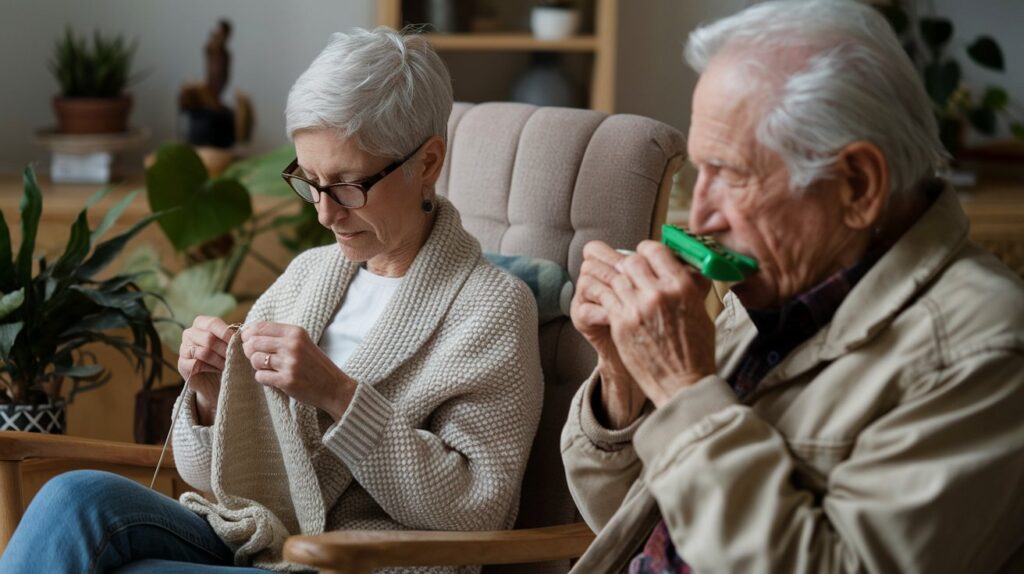
Furthermore, caregivers provide support by assisting residents in exploring new hobbies like gardening or mindfulness exercises which decrease stress and improve emotional strength.
They comprehend the unique requirements of seniors, particularly those who need more individualised attention, such as individuals with dementia. Armed with empathy and a commitment to enhance living standards within assisted living environments, caregivers ensure every individual they assist can nurture their physical and emotional health while upholding dignity and independence.
The Role of Caregivers in Encouraging Self-Care and Well-being
Caregivers are paramount in encouraging self-care and overall wellness among the elderly, particularly for individuals receiving care within their homes. They assist by forming daily routines that incorporate physical activities, nutritious diets, proper nutrition, and sufficient rest, promoting physical health.
The emotional and psychological well-being of the elderly is also considered, with caregivers advocating involvement in enjoyable pursuits such as gardening or social events. Their attendance creates chances for the elderly to participate in self-care routines, which may be difficult to manage autonomously.
Balancing your own needs is vital; our caregivers are educated to understand the significance of comprehensive health – nourishing both the physical and mental aspects.
Caregivers adjust their strategies based on the preferences and capabilities of each elderly person, simplifying the integration of self-care into day-to-day lives. They provide suggestions on exploring new hobbies or reengaging with old friends and loved ones again, cultivating a feeling of achievement and happiness.
Through their understanding and supportive aid, caregivers make sure that elderly individuals obtain the required help, but also inspire them to stay healthy, live independently, and to take responsibility for taking care of their own health and joy.
Implementing Self-Care Practices in an Assisted Living Environment
Transitioning from advocating self-care practices to integrating them in an assisted living setting signifies an important progression. Here, our focus is on crafting supportive environments that enrich senior citizens’ lives, attending to their comprehensive health and individual requirements.
Initiate daily physical endeavours adjusted for diverse capabilities to enhance general health and well-being. This guarantees everyone’s involvement, improving their physical health.
Coordinate group exercise sessions that might include gentle yoga or tai chi, which are excellent methods for seniors to remain active and fulfil social requirements.
Cultivate mindfulness through regular meditation or breathing exercise classes, supporting mental and emotional health.
Arrange workshops on nutritious consumption, where inhabitants can gain knowledge about healthy foods and their benefits.
Establish community gardens as a method of interaction with nature, reducing stress and fostering daily happiness.
Propose art therapy sessions providing opportunities for artistic expression and cognitive stimulation.
Organise frequent social events to combat isolation and cultivate a sense of community among residents.
Advocate for journaling or storytelling groups where residents can share experiences, fostering emotional resilience.
Initiate guided technology sessions to enable seniors to digitally connect with loved ones, bridging generational gaps.
Supply accessible resources for personal care routines that put residents’ dignity and independence first while ensuring they feel cherished and valuable.
Organise sleep hygiene workshops with a focus on acquiring sufficient sleep, which is essential for health at any age.
The integration of these practices requires thoughtful planning but significantly enhances the quality of life in assisted living settings by making self-care accessible and enjoyable for all residents.
How to Incorporate Self-Care Activities into a Daily Routine?
Incorporating self-care activities into your daily routine can significantly improve your overall health and well-being, especially for seniors. It’s essential to prioritise and practice self-care and self-care to maintain holistic health and find joy every day.
Start your day by nourishing your body with a balanced breakfast. Eating well helps you feel energised and ready to face the day.
Engage in morning stretches or a short walk. Physical activity stimulates overall health and helps prevent burnout.
Dedicate time for mindfulness practice such as meditation or deep-breathing exercises to reduce stress and enhance mental health.
Plan your meals to include a variety of nutrients that support physical health. Consider joining a cooking class to try out new healthy recipes.
Schedule quality time with friends or family members each week. Social well-being is key to happiness.
Prioritise getting enough sleep by establishing a consistent bedtime routine that includes activities like reading or listening to calming music.
Set aside time each day for an activity you enjoy, such as gardening, painting, or playing a musical instrument, to nourish your soul and creativity.
Drink plenty of water throughout the day to stay hydrated and support bodily functions.
Help others when possible, maybe volunteer locally or support a friend; helping others can also help improve your emotional well-being.
Gradually increase the time spent on physical activities you enjoy, such as swimming or dancing, ensuring you tailor these practices to your ability level without overexertion.
By following these steps, you make self-care an integral part of your daily life, fostering resilience and joy in the process. Prioritise these five top self care tips, ideas, tips and routine practices not just for physical health but for mental and social well-being too.
Creating a Routine that Nurtures Physical and Mental Health
Establishing a routine that promotes both physical and mental health often starts with small, manageable changes. Give priority to self-care by setting aside time each day for activities that nourish your body and mind.
You might start with a short morning walk to help you feel rejuvenated or incorporate mindfulness practices like meditation before bedtime to ensure restful sleep. It’s essential to blend these activities into your day, gradually making them part of your lifestyle.
Simple self-care actions throughout the day can drastically impact your overall mood. Experiment with new recipes that are both nutritious and delicious or participate in gentle exercise routines created for seniors’ needs.
These steps enhance physical health and mental well-being by providing a sense of achievement and happiness. Let’s move forward and explore how engaging in physical activities improves balance and overall health for older adults.
Simple Self-Care Activities to Incorporate Throughout the Day
Creating a serious self care routine that nurtures both physical and mental health is vital. Simple self-care activities can make a big difference in the quality of your day. Here’s how you can incorporate these practices into your daily life:
Start your morning with gentle stretches. This warms up your muscles and gets your blood flowing.
Eat a balanced breakfast. Include fruits, whole grains, and proteins to fuel your body.
Spend at least 15 minutes outside. Fresh air and natural light boost mood and vitamin D levels.
Drink water throughout the day. Staying hydrated helps maintain energy levels and brain function.
Take short walks regularly. Walking keeps your joints flexible and strengthens your heart.
Practice mindfulness or meditation for 10 minutes. It reduces stress and enhances emotional health.
Engage in a hobby you love, like gardening or knitting, for relaxation.
Connect with a friend or family member over the phone or video chat to foster social well-being.
Reflect on three things you’re grateful for each evening to cultivate positivity.
Prioritise sleep by maintaining a consistent bedtime routine to support recovery and rejuvenation.
Incorporating these simple self-care activities will help prioritise your own needs, providing opportunities to enhance overall well-being every day.

How Can Physical Activity Benefit Older Adults?
Engaging in regular physical activity offers numerous health benefits for seniors. It helps improve balance and reduces the risk of falls, a common concern as one ages. Physical exercises also boost heart health by improving circulation and lowering blood pressure.
For those living with conditions like osteoporosis, gentle weight-bearing activities can strengthen bones and joints.
Physical activity stimulates mental well-being, too. It encourages the release of endorphins, known as ‘feel-good’ hormones, which alleviate stress and promote a sense of happiness.
Plus, exercising regularly can enhance sleep quality, making it easier for you to fall asleep and stay asleep longer. Whether you’re exploring in-home care options or prioritising your own needs, incorporating some form of exercise into your routine is a great way to support overall health and happiness at any age.
The Health Benefits of Regular Physical Activity for Seniors
Regular physical activity offers vast health benefits for seniors. It helps improve balance, reducing the risk of falls that can lead to serious injuries. Exercise also strengthens muscles and bones, making daily tasks easier and less tiring.
Studies show that seniors who stay active have a lower chance of developing heart disease, diabetes, and depression. Physical activities can range from walking and swimming to yoga and dancing, providing enjoyable ways for many seniors to spend time with loved ones and maintain health.
Staying physically active also stimulates mental well-being in seniors. It encourages better sleep patterns, which is crucial for recovery and overall health. Regular exercise boosts mood by releasing endorphins, chemicals in your brain known for their feel-good properties.
This can be especially important for fighting loneliness and anxiety, common issues among older adults. So think of self-care as prioritising your own needs through regular physical activity; it’s one great way to enhance both physical and emotional resilience as you age.
Ways to Stimulate Overall Health and Well-being Through Exercise
Exercise plays a crucial role in enhancing the overall health and well-being of seniors. Studies reveal that regular physical activity can aid in countering age-related health decline and cultivate resilience against chronic illnesses.
Participating in exercises like walking, swimming, or yoga promotes better balance, lowers the threat of falls, and sharpens mental clarity. If you’re considering activities for yourself or an elderly family member, assigning importance to exercise is a brilliant way to guarantee vitality and happiness.
Integrating basic daily exercises into a routine needn’t be intimidating. You might experiment with a new class centred around gentle movements suitable for older adults or perhaps engage in brisk neighbourhood walks.
Each stride contributes significantly to enhancing cardiovascular health, fortifying muscles, and elevating mood. Make your own needs a priority by setting attainable goals that align with personal interests; this approach makes adhering to an exercise regime more delightful and advantageous in the long run.
Tips for Engaging in Physical Activities That Seniors May Enjoy
Engaging in suitable physical activities for seniors boosts both health and a heightened sense of well-being. Whether you’re exploring choices for yourself or for an aged family member, lay emphasis on self-care through pleasant exercises.
Begin with community walking groups to encourage social interaction and enjoy outdoor air.
Experience a new low-impact exercise class, such as water aerobics, which is considerate to the joints and promotes balance.
Stretching routines should be made a part of daily life to improve flexibility and minimise injury risk.
Participate in tai chi sessions, a practice recognised for its mental and physical health perks, including stress alleviation.
Give a go to basic gardening tasks as a means of staying active outside, offering simultaneous exercise and relaxation potential.
Organise frequent dance sessions at home or join a senior-focused dance class that can elevate mood and heart health.
Utilise senior fitness programs provided by local community centres that are dedicated particularly to the needs of older adults.
Conduct yoga regularly to heighten strength, balance, and mental focus; search for classes created for seniors.
Promote engagement in light housekeeping or DIY projects around the house to maintain mobility during the day.
Each of these activities serves as a chance for physical betterment and also elevates emotional well-being by allocating time to prioritise your personal needs through self-care routines. Whether that’s experimenting with Tai Chi or participating in group walks, picking activities you relish ensures that you’ll be inclined to continue them long-term.
Conclusion
You’ve learned numerous methods by which seniors can enhance their health and joy. Simple, everyday tasks such as gardening or walking make a significant difference. They keep both the body and mind vibrant.
Caregivers play a crucial role in endorsing these habits, especially in assisted living environments. It is always significant to incorporate these practices into daily routines for the most favourable impact.
Your actions today shape your well-being tomorrow. Start with little steps. They’re simple and effective. This journey for improved health doesn’t require grand gestures; instead, it’s about consistency and finding joy in your activities.
Vitality Home Care Agency is prepared to guide you through this process with professional care and advice. We present a variety of quality care services that cater to individual needs while fostering healthy life, self-reliance and dignity.
Welcome this opportunity for a healthier, happier life with your self care ideas and passion. It’s never too late to make self-care a priority – your future self will appreciate it.
Check Our Latest Blog Posts
Vitamin B12 Foods for Older Adults: What to Eat and How Home Care Helps
Dental & Oral Care for the Elderly: Tips & Routines
Exercises for Arthritic Hands with Home Care
Memory Games for Seniors with Home Care Support
What Is Sundowning Dementia? Why People With Dementia Become More Agitated at Night
How Home Care Helps Reduce Loneliness After Bereavement
Hearing Aids for Elderly People: How Home Care Helps Day to Day
Senior Stretching Exercises: 5 Simple Bed Stretches to Start the Day
Heatwave Safety: How to Keep Elderly Parents Safe in Hot Weather