
UTI in the Elderly: How to Spot It Early and How Home Care Helps
Top Gardening Tips for the Elderly: Enhancing Life Through Gardening
Gardening Made Easier for Seniors: Tips and Tools for Safe and Enjoyable Gardening
Gardening can be a rewarding activity, but as plants grow and we get older, it might seem harder to keep up with. You may worry about the physical strain or the risk of falling. Gardening for the elderly comes with its own set of challenges yet offers numerous benefits for physical and mental well-being.
It’s key to finding ways to continue enjoying this hobby safely.
A recent study revealed that gardening activities can reduce stress levels and improve mood among older adults. This article will guide you through practical gardening tips specifically designed for seniors, making gardening easier and safer.
From choosing the right tools to low maintenance garden ideas, we’ve got you covered. Keep reading to discover our top tips on how you can make the most of your gardening experience without compromising on safety or enjoyment.
What Are the Benefits of Gardening for the Elderly?
Engaging in gardening offers elderly people remarkable benefits for their physical health. Tending to a garden requires gentle physical activity that helps maintain flexibility and improves endurance.
This low-impact exercise can significantly reduce the risk of developing heart disease, obesity, and osteoporosis. For older adults seeking to manage or prevent such conditions, incorporating gardening into their routine makes perfect sense.
Mental health also sees a great boost from regular gardening activities. Elderly gardeners enjoy lower stress levels and a decrease in symptoms of depression and anxiety. The process of nurturing and tending plants also provides a profound sense of accomplishment and purpose, enhancing overall well-being.
Furthermore, being outdoors and engaging with nature brings about improved mood through exposure to vitamin D from sunlight — which is vital for combating age-related maladies. Gardening serves as an excellent avenue for social interaction as well, offering opportunities to connect with fellow garden enthusiasts or members of community gardening projects.
Physical Health Benefits of Gardening
Gardening offers an array of physical health benefits for the elderly, positioning it beyond the scope of just a hobby or simple pastime. Participating in gardening pursuits enhances flexibility and motor skills.
It serves as a type of exercise that significantly aids in preserving muscle strength, especially necessary as we age. Regular actions such as bending to sow seeds or stretching to touch plants promote soft, low-impact movements that keep our joints active.
Moreover, gardening facilitates vitamin D absorption courtesy of outdoor sunlight exposure. This is essential for maintaining bone health and fortifying the immune system. Time spent outdoors also encourages healthier sleep patterns and potentially lowers blood pressure levels through its soothing influence on the mind and body.
With tools suited for limited mobility and elevated garden beds, even those with physical limitations can revel in the advantages of gardening without any discomfort.
Mental Health and Well-being Benefits
Venturing beyond the physical health advantages of gardening for the elderly, let’s consider how this activity can considerably enhance mental well-being for the elderly. Gardening provides a unique mix of tactile experiences and a feeling of accomplishment that invigorates the mind and alleviates stress.
Research has demonstrated that spending time in verdant areas, such as gardens, markedly diminishes anxiety levels and boosts mood. This signifies that by partaking in gardening activities, older individuals can relish a tranquil outdoor area whilst fostering their mental health.
Furthermore, gardening has been associated with lowering the probability of dementia onset in those aged 60 and over. Interaction with plants and nature offers therapeutic benefits that help maintain mental agility and focus.
Regularly caring for a garden promotes mindfulness and grants a chance for quiet introspection, removed from the distractions of daily life. This leads to older individuals deriving pleasure from their daily activities and also developing a stronger bond with their surroundings and special memories, thus increasing overall happiness and contentment in life.
Social Interaction and Community Engagement
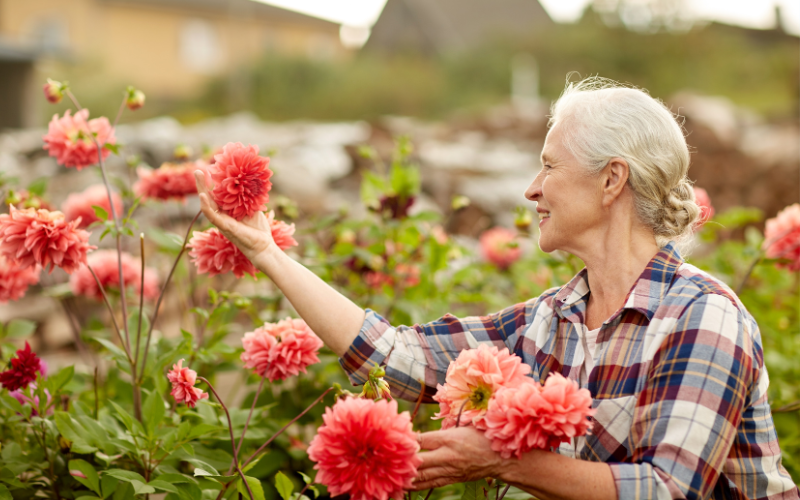
Engaging in gardening can provide a gateway to establishing enhanced societal bonds and participating more actively in your community. It paves the way for you to become part of local gardening clubs or groups, nurturing relationships with others who have a mutual or shared interest in in gardening.
Exchanging good advice and concepts makes gardening simpler and enriches your social interaction.
Community initiatives frequently request assistance choosing plants for shared garden spaces, offering an ideal opportunity for you to contribute while appreciating the companionship of others positively.
Involvement in gardening clubs and these pursuits permits older individuals like yourself or your loved one to experience a sense of connection and meaningfulness within the community, improving overall wellness through proactive involvement in the garden.
How to Make Gardening Easier for the Elderly?
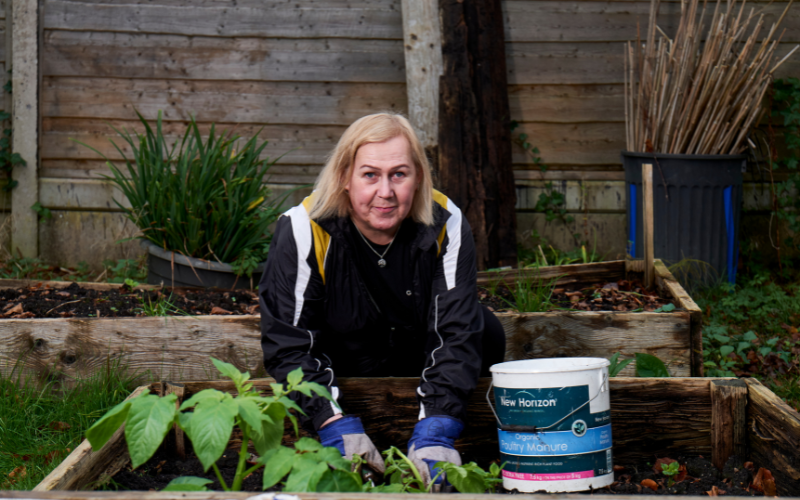
They are promoting a more comfortable gardening experience for the elderly, which calls for some careful modifications to their gardening space. Kick off with elevated garden beds, which serve as a supportive solution for older individuals to garden without exhaustive kneeling or bending.
This basic alteration can distinctly mitigate back and knee stress, rendering the act of caring for plants more manageable for them. Elevated beds prove highly functional and accommodative for elderly people reliant on wheelchairs or walkers, promoting the inclusive therapeutic perks of gardening.
Selecting plants that necessitate minimal care is another supportive pointer. Choosing perennials over annuals results in less need for yearly replanting. Also, keep in mind drought-resistant plants to minimise the requirement for frequent watering.
Regarding equipment, light and ergonomically structured choices greatly simplify the gardening process for those with restricted mobility or power. Garden implements with extended handles give superior reach and eliminate excessive bending in the garden areas.
The integration of these methods transforms gardening into an enjoyable pastime rather than a strenuous obligation for older individuals keen to appreciate their own outdoor space and scenery.
Using Raised Garden Beds for Easy Access
Gardening offers a host of benefits for the elderly, from boosting physical health to enhancing mental well-being. To make these advantages more accessible, raised garden beds become an excellent tool. Here is how you can utilise raised beds to help older people enjoy gardening with ease:
-
Choose an ideal height: Opt for raised beds that stand between 71 to 76 centimetres tall. This height allows most elderly gardeners to tend their plants comfortably without bending too much.
-
Ensure stability: Make the frame sturdy. A strong, stable structure supports gardening activities safely and prevents any accidents.
-
Offer seating options: Incorporate a built-in bench or place a chair nearby. This gives gardeners a place to rest when they feel tired.
-
Pick the right location: Position your raised beds in a spot that gets ample sunlight and is easy to reach from the house. Easy access means more time spent enjoying gardening tasks.
-
Use lightweight materials: Construct raised beds with materials that are easy to move around your garden or elsewhere might be needed, like composite boards or rot-resistant timber.
-
Install irrigation systems: Setting up drip irrigation simplifies watering tasks and keeps maintenance low, helping reduce strain for elderly individuals managing their gardens alone.
-
Select appropriate soil and compost: Fill the beds with a mix that’s nutrient-rich but light enough to require little maintenance, ensuring healthy plant growth without extra work.
-
Grow suitable plants: Focus on varieties that thrive in raised beds and don’t demand constant care, such as perennials, herbs, and certain vegetables like lettuce and radishes.
-
Implement vertical garden elements: Include trellises or climbing frames within or around the raised beds for plants like tomatoes and beans, which minimises bending even further.
-
Provide easy-to-handle tools: Keep your gardening tools specifically designed for use with raised beds at hand – shorter handles can make them easier to manage while seated or standing upright.
By setting up raised garden beds thoughtfully, you ensure older adults can continue engaging in gardening activities without straining themselves too much. These tips will help create an enjoyable outdoor space that encourages seniors to maintain an active lifestyle through gardening.
Implementing Low-Maintenance Gardening Techniques
Making your garden a serene space shouldn’t take all your time and energy. Low-maintenance gardening techniques can help elderly individuals or those caring for them to enjoy the benefits of gardening without the heavy labour. Here are several tips to make gardening easier and more enjoyable:
-
Opt for perennial plants that come back year after year. They require less work than annuals, which need replanting each season.
-
Install a drip irrigation system to save time on watering plants by hand. This system delivers water directly to the roots where it’s needed most.
-
Choose native plants because they’re adapted to the local climate and soil, meaning they’ll thrive with less care from you.
-
Spread mulch around plants; it helps retain moisture in the soil, suppresses weeds, and reduces the need for frequent watering.
-
Create a weed barrier with landscaping fabric before planting to reduce the time spent weeding.
-
Use containers and raised beds to bring the garden up to a more comfortable level, reducing bending and kneeling.
-
Select tools designed for ease of use, such as lightweight tools or ergonomic handles, which are ideal for people with limited mobility.
-
Simplify your garden design by limiting the variety of plants you grow; this makes care routines more straightforward.
-
Embrace slow-growing shrubs that don’t need regular pruning or trimming to keep their shape.
-
Invest in self-watering pots for indoor gardens; these allow plants to take up water as they need it, perfect for reducing watering chores.
Each of these tips is designed to reduce physical strain and make gardening a more leisurely activity that older adults can look forward to and spend time doing instead of viewing as another task on their list.
Choosing the Right Garden Tools for Limited Mobility
Following the conversation on how low-maintenance gardening methods can greatly aid older individuals, it’s vital to concentrate on selecting appropriate garden instruments for restricted mobility. This ensures that gardening remains a joyful and feasible activity for those with physical limitations.
Opt for ergonomically constructed tools. These are deliberately shaped to fit naturally in your hand and minimise joint stress, simplifying gardening chores.
Select tools with elongated handles. They permit reaching the ground or deep within beds without the necessity to bend or extend excessively.
Give priority to items made of light materials. Tools crafted from aluminium or lightweight plastic will not burden you during gardening endeavours.
Reflect upon tools with cushioned handles. Additional padding aids in preventing blisters and enhances the tool’s comfort levels during extended use.
Search for tools featuring easy grip attributes or non-slip handles, which are particularly important for guaranteeing safety and maintaining command over the tool.
Choose garden seats or kneelers. These support those who struggle with standing for prolonged durations, rendering gardening more approachable and enjoyable.
Allocate funds for a gardening stool with wheels. It provides movement around the garden without the necessity to upright oneself, which is perfect for larger outdoor areas.
Decide on no-bend tools like grabbers or extendable arms that aid in picking up items from the ground or watering suspended plants without physical effort.
I prefer power tools whenever feasible; they carry out most of the strenuous work and are fantastic time-saving devices, though I can assure you they are lightweight and simple to steer.
Ponder over container gardening employing pots on stands or tables if managing traditional garden spaces becomes arduous due to mobility constraints.
Choosing the right garden tools does more than merely simplify gardening; it also safeguards against overexertion and potential injuries, enabling older adults to cherish their gardens fully while prioritising safety and comfort.
What Are the Top Tips for Elderly Gardeners?
For elderly gardeners, simple gardening tips can make a world of difference. Start with choosing the right tools for the most elderly gardening, which are designed to reduce strain and increase comfort.
Look for lightweight, ergonomic tools that fit well in your hand. Gardening becomes more enjoyable when you don’t have to worry about the discomfort of using unsuitable equipment.
Gardening should bring joy, not discomfort.
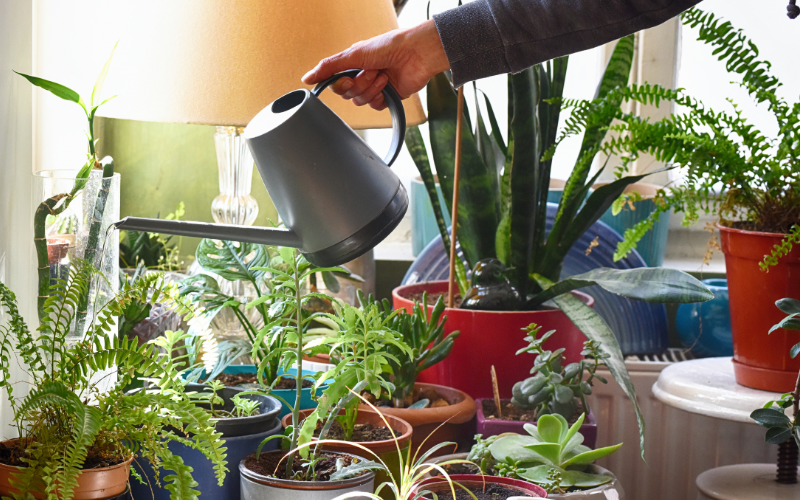
Incorporate both indoor and outdoor gardening ideas to keep things interesting all year round. Indoor pots and planters allow gardening activities even on rainy days during winter months, while small vegetable gardens or flower beds outdoors provide fresh air and sunlight.
Aim for low-maintenance plants that require less care but still brighten up your home and garden spaces beautifully.
Simple Gardening Tips for Seniors
Gardening offers numerous benefits for the elderly, from boosting physical health to enhancing mental well-being. Here are some simple gardening tips for seniors that can make gardening a little easier and the whole garden more enjoyable.
Start with easy-to-care-for plants. Choose varieties known for being hardy and requiring minimal maintenance. This helps reduce the workload and ensures success right from the start.
Use ergonomic tools designed for older people. These tools have longer handles and support grips, making them easier to use if you have arthritis or limited mobility.
Install a gardening seat or kneeler to help prevent strain on your knees and back. This makes it possible to work in the garden for longer periods without discomfort.
Opt for raised garden beds and container gardening to make things easier on your back. You won’t need to bend down as much, which is ideal for those with limited mobility.
Keep your gardening tools close at hand with a sturdy tool belt or a garden trolley. This prevents frequent bending down and keeps everything organised.
Stay hydrated by keeping a bottle of water nearby when you’re working in your garden, especially during warmer days.
Break tasks into shorter sessions throughout the day to avoid fatigue. Take regular breaks in shaded areas to rest.
Protect yourself from the sun by wearing a hat, applying sunscreen, and gardening during cooler parts of the day.
Make paths between areas of your garden wide and smooth to ensure safe access with wheelchairs or walkers if needed.
10 Invite wildlife into your garden by planting native flowers, installing bird feeders, and setting up small water features like bird baths.
Implement these tips to make gardening more accessible and less of a chore, ensuring safety while enjoying the outdoors.
Tools for the Elderly: Must-Have Equipment
Gardening offers a sense of independence and joy, especially for the elderly. Selecting the right tools can make gardening more accessible and enjoyable for older adults. Here’s a list of must-have equipment that will enhance your or your loved one’s gardening experience:
Lightweight, extendable reachers allow users to grab plants and tools without bending over.
Ergonomic hand tools with soft grips reduce stress on joints, making planting and weeding easier.
A garden kneeler seat provides a comfortable cushion when working at ground level and helps with standing up.
Rolling garden seats help move around the garden without standing up, ideal for those with limited mobility.
Easy watering solutions, like lightweight hoses or self-watering containers, ensure plants stay hydrated without heavy lifting.
Long-handled tools enable tending to beds from a standing position, protecting the back and knees from strain.
Slip-resistant gloves offer a better grip on tools while protecting hands from cuts and scrapes.
A tool caddy or wagon keeps all gardening essentials in one portable spot to reduce back-and-forth trips.
Adaptive scissors or pruners fitted with ratchet mechanisms make cutting through thicker stems less of a chore.
Raised bed kits bring the garden up to waist level to minimise bending and improve accessibility.
Choosing these tools will help keep gardening a safe, enjoyable, and fulfilling activity for elderly individuals—encouraging them to stay active in their gardens and outdoor spaces while minimising the risk of injury.
Indoor and Outdoor Gardening Ideas
Gardening is a remarkable activity for the elderly to maintain their activeness and bond with nature. It can alleviate stress and stimulate a feeling of achievement. Here are some indoor and outdoor gardening suggestions well-suited for senior citizens who take pleasure in their gardens but require things to be somewhat more manageable.
Utilise elevated garden beds outdoors, facilitating easy planting, weeding, and harvesting without the need to bend or kneel. This adaptation makes gardening practical for seniors with restricted mobility.
Establish a pot garden that can be set on surfaces or high platforms indoors. This arrangement enables those with dementia or those who rely on wheelchairs to involve themselves in gardening tasks effortlessly.
Apply upright gardening methods using trellises and wall-fixed planters outdoors. This strategy maximises use of space and brings plants to an accessible height.
Opt for easy-to-care plants like succulents for indoor gardening, which demand minimal watering and attention, making them suitable options for busy caregivers or elderly individuals preferring less fuss.
Arrange a herb garden on a sunny indoor windowsill. Herbs such as basil, rosemary, and thyme are simple to grow and also handy in cooking, serving as an extra incentive.
Implement drip irrigation systems in outdoor gardens to facilitate gardening by automating the watering process, ensuring plants obtain the required amount of water without daily intervention.
Advocate involvement in communal garden projects that offer possibilities for social interaction and community association while also sharing the responsibility of preserving larger green areas.
Recommend sensory plants with varied textures, hues, and smells for both indoor and outdoor environments, like lavender, mint, and fuchsia; these activate senses and promote wellness.
Provide the elderly gardener with lightweight, ergonomic gardening instruments that decrease pressure on joints and muscles, enabling individuals of all ages to commence gardening without discomfort.
Try out hydroponic systems indoors where the soil is substituted with mineral nutrient solutions in water – a perfect choice for those interested in technology and seeking different gardening techniques.
Organise routine sessions for friends or family to join and garden with their elderly relatives; this encourages quality time while collectively achieving gardening tasks.
Recommend starting modestly with potted plants or single containers and gradually growing as confidence builds; this method ensures that the joy of gardening is accessible without overwhelming novices.
By applying these various indoor gardening and outdoor gardening ideas adjusted to meet older adults’ requirements specifically centred around simple access, minor upkeep necessities, and safety aspects along with enriching social interactions, engaging older adults in this satisfying activity brightens their days and significantly enhances their life quality through mild physical activity complemented by mental stimulation and other related psychological benefits.
How Can Gardening for the Elderly Be Made Safe?
Ensuring a safe garden environment is crucial for elderly gardening. You can start by organising the garden to reduce trip hazards and make paths wide and even. Tools and equipment should be lightweight and easy to use, ideal for older people with limited mobility.
Raised beds are great as they help elderly gardeners avoid bending too much.
Adopting proper gardening techniques also plays a big role in safety. Teach them to use tools correctly to prevent strains or injuries. Encourage taking regular breaks to avoid fatigue, which can lead to accidents.
Safe gardening activities keep the mind engaged while ensuring the body is not overstressed, making gardening for older adults both enjoyable and injury-free.
Ensuring a Safe Garden Environment
Gardening can foster tranquillity, proving to be a useful tool in maintaining overall health and wellness. It offers an opportunity for individuals, particularly the elderly, to interact with nature in a secure environment.
Keep pathways clear to avoid accidents. Make sure that all walkways are broad, level, and devoid of obstructions. This aids in making gardening more accessible for those with limited mobility.
Set up handrails along stairs and inclined areas for additional support. Handrails can offer safety reassurance while elderly gardeners manoeuvre through their gardens.
Maintain neat and accessible tools. Arrange gardening tools to prevent tripping and ensure availability without the need for excessive reaching or bending.
Opt for plants that necessitate low upkeep. Gardening techniques requiring minimal upkeep lessen the demand for frequent maintenance, thereby making the garden more practicable.
Adopt raised garden beds and containers to lessen the need for stooping and kneeling. Raised beds prove to be effective gardening implements to prepare your garden without causing discomfort to the back or knees.
Provision for areas of shade for respite and safeguarding against the sun. A shady spot guarantees that seniors can appreciate gardening without the danger of heatstroke or dehydration.
Make sure that a water source is nearby to circumvent the need to haul weighty watering cans over large distances, which could be a potential injury risk.
Employ lightweight gardening tools conceived for those with limited mobility to assist the elderly in their gardening pursuits in a more comfortable and secure way.
Regularly inspect garden areas for potential dangers like slippery patches or sharp items concealed amongst the foliage.
Recommend use of appropriate attire, including gloves, sturdy shoes, and sun hats, to offer protection against potential injuries, slips, and exposure to the sun.
Switching gears, practicing suitable gardening techniques is also integral in securing safety while indulging in the pleasures of gardening activities.
Adopting Proper Gardening Techniques
After ensuring the garden is a safe environment, adopting proper gardening techniques becomes essential. It’s crucial to adapt your approach to suit elderly gardeners. This means selecting activities that don’t put too much strain on them and showing them how to use their body correctly while gardening.
Teach them to bend at the knees, not the waist, when lifting heavy items or reaching down. This method helps prevent back injuries and makes gardening more enjoyable.
Finding joy in gardening shouldn’t come with pain. Using correct body mechanics makes all the difference.
Moreover, encourage taking regular breaks for gardening and staying hydrated, especially during warmer days, to avoid exhaustion. Elderly gardeners should wear hats and apply sunscreen to protect themselves from harmful UV rays.
Opting for tools designed for those with limited mobility can also significantly enhance their gardening experience, making it safer and more accessible for everyone involved.
Creating Safe Gardening Activities
Gardening offers many benefits, but safety is key, especially for the elderly. Making gardening activities safe can help reduce risks and ensure peace of mind. Here are ways to create a safer gardening experience:
Choose low-maintenance plants that require less effort and reduce the risk of strain.
Use raised garden beds to avoid bending and kneeling, making access easier for those with limited mobility.
Ensure all pathways and walking areas in the garden are flat and non-slip to prevent falls.
Keep tools well-maintained and sharp to make tasks easier and reduce the effort needed.
Opt for lightweight gardening equipment that is easier to handle and won’t cause fatigue.
Install plenty of seating around the garden for rest breaks, helping to prevent overexertion.
Practice simple stretching exercises before starting gardening to help prepare the body for physical activity.
Wear suitable clothing and hats to protect against sun exposure and keep hydrated on warm days.
Store all gardening tools safely after use to avoid tripping hazards around the garden area.
Clearly label all plants, especially if they could be harmful if ingested, aiding people with dementia or visual impairments.
Encourage using a timer or alarm as a reminder not to overdo it and take regular breaks.
Support gardening activities with aids like knee pads or stools for those who might find getting up from ground level difficult.
Implementing these measures can help make gardening an enjoyable and safe activity for elderly individuals, allowing them peace of mind while they engage in this fulfilling hobby.
What Are the Best Gardening Activities for Older Adults?
Therapeutic gardening practices offer peace of mind for health issues and help elderly people engage in a fulfilling hobby. These activities can range from simple potting and planting to more involved tasks like tending to a vegetable patch.
They allow older adults to feel the sense of accomplishment that comes with watching something grow through their efforts. Gardening also provides valuable physical activity, promoting better health and well-being.
Engaging older adults in creative gardening projects can spark joy and provide an outlet for expression. From designing colourful flower beds and hanging baskets to growing plants and creating miniature landscapes, these tasks encourage imagination while offering low-impact exercise.
Gardening tips for the elderly suggest choosing easy-to-handle tools and accessible garden beds, making it easier for people of any age to start gardening right away without strain or discomfort.
This approach ensures that gardening remains a safe, enjoyable, and rewarding activity for seniors, fostering independence and enhancing life quality.
Therapeutic Gardening Practices
Gardening provides joy and numerous health benefits for many elderly individuals, turning a simple garden into a sanctuary of tranquility and therapeutic relaxation.
Opt for plants that enliven the senses. For example, lavender and herbs offer calming scents, while vibrant flowers like marigolds are visually pleasing. Such choices can enhance mood and mental health.
Develop a butterfly garden. This requires planting indigenous flowering plants that butterflies are drawn to. Observing these elegant creatures brings a sense of peace and allows for a great way to engage with nature.
Use container gardening. For those with limited space or mobility, containers provide accessible gardening without the necessity for bending or kneeling.
Introduce accessible pathways. Confirm your garden has broad, flat paths that are easy to manoeuvre with walking aids or wheelchairs, thus making gardening more pleasant and safer for elderly individuals.
Establish a rainwater collection system. Collecting rainwater conserves water and provides an environmentally friendly way to hydrate your plants, imparting valuable sustainability lessons.
Implement companion planting. This method involves positioning specific plants together to boost growth, repel pests and limit the need for chemicals – perfect for establishing an easy-to-care-for garden.
Introduce raised beds and vertical gardens. These techniques make gardening more accessible by removing the requirement to bend down, reducing strain on backs and knees.
Keep tools close at hand with a gardening apron or belt. This promotes organisation and confirms that the necessary tools are always ready, hence rendering gardening tasks easier to handle.
Purchase ergonomic tools intended for elderly users. Tools with extended handles or improved grip can significantly enhance comfort and ease of use for older adults indulging in their hobby.
Apply mulch wisely to limit weeds and conserve moisture in your garden beds; this results in less physical exertion needed for upkeep.
Promote involvement in community gardens if managing a personal plot becomes too strenuous; it’s also an excellent method to uphold social connections.
Each of these procedures not only makes gardening more accessible but also enriches the experience of existing gardens, providing assurance of assistance whenever you prepare your garden each season.
Engaging Gardening Tasks for Seniors
After exploring therapeutic gardening practices, we now shift our focus to engaging gardening tasks for seniors. These activities are designed not just for enjoyment but also to enhance physical and mental well-being.
Planting herbs in pots provides a manageable task that seniors can place on windowsills or patios. This allows easy access and doesn’t require bending or heavy lifting.
Creating a butterfly garden with plants like lavender and buddleia can attract beautiful wildlife, offering a delightful spectacle and a sense of achievement.
Setting up a small vegetable patch enables seniors to grow their own food, which is both rewarding and encourages a healthy diet.
Participating in a community garden project helps with social interaction and engagement, allowing elders to feel connected while sharing gardening tips.
Installing bird feeders near the garden brings nature closer home, creating an environment where seniors can enjoy bird watching as part of their day-to-day activities.
Engaging in gentle pruning tasks using the right tools available ensures safety while keeping the garden tidy.
Arranging flowers grown in the garden into bouquets exercises creativity and can make lovely gifts or home decorations.
Making use of vertical gardens for those with limited space encourages gardening without the need for extensive yard space.
Incorporating sensory plants like mint, rosemary, and thyme offers stimulation through smell and touch, enhancing sensory experiences.
Watering plants using lightweight watering cans or automatic irrigation systems ensures the garden stays vibrant without strenuous effort.
These tasks are specifically chosen to ensure safety while furthering gardening goals and fostering independence and satisfaction in gardening activities for older adults.
Creative Gardening Projects for the Elderly
Transitioning from engaging gardening activities to garden centres for seniors, let’s discover some imaginative gardening projects. These vertical gardening projects bring in diversity and can significantly improve life quality through innovative and pleasurable activities.
Establish a sensory garden: Concentrate on plants with potent fragrances, textures, and colours to arouse the senses. Lavender and mint are excellent for scent; lambs ear provides a soft texture; vibrant flowers like marigolds contribute visual charm.
Set up a memory garden: Assign sections of your garden to different memories or loved ones. Employ plants with fond connections or symbolic significance to personalise the space deeply.
Initiate a container herb garden: Perfect for those having limited outdoor area. Herbs like basil, parsley, and thyme are easy to cultivate in pots on window ledges or balconies.
Construct a butterfly garden: Opt for plants that lure butterflies such as buddleia (butterfly bush) or lavender. This provides a lovely sight and aids local butterfly groups.
Organise a vertical garden: Employ wall planters or trellises to cultivate vining plants upwards when ground space is limited. This technique is a perfect fit for smaller regions and introduces an attention-grabbing element to any garden.
Participate in kitchen scrap gardening: Cultivate new plants from kitchen scraps like avocado pits or celery bases. This approach is cost-effective and intriguingly illustrates how daily waste can be reused.
Fabricate a fairy or miniature garden: Include small figurines and structures to build a whimsical scene within your garden beds or containers— an engaging project that allows creativity to thrive along with the plants.
Compile a water feature project: Introducing a simple bird bath or DIY water fountain infuses sound and motion into the garden space, generating peace and drawing wildlife.
Form homemade plant markers: Make use of stones, painted sticks, or even recycled materials to create distinctive plant labels that insert character into your garden whilst assisting you in recognising what you planted where.
Explore with colour themes: Organise parts of your garden around specific colours by grouping together similarly hued flowers—for instance, an all-white moonlight garden that shines under the starry sky.
These projects present exceptional opportunities, not just for gardening in isolation, but also for social engagement and individual expression within your community. They demonstrate that with the appropriate tools and techniques in place, gardening can remain a fulfilling activity throughout life.
Conclusion
Gardening offers many benefits, from boosting physical health to improving mental well-being and encouraging social interactions. These strategies make gardening accessible and enjoyable for the elderly, employing raised beds, low-maintenance plants, plant seeds, and ergonomic tools.
They ensure safety while offering creative indoor and outdoor activities vertical gardening that cater to various interests and abilities. For further assistance or more information on making gardening a fulfilling activity for seniors, Vitality Home Care Agency stands ready to help.
Let a garden share be your springboard into a garden that brings joy, health, and community right to your doorstep or that of an elderly loved one.
Check Our Latest Blog Posts
Vitamin B12 Foods for Older Adults: What to Eat and How Home Care Helps
Dental & Oral Care for the Elderly: Tips & Routines
Exercises for Arthritic Hands with Home Care
Memory Games for Seniors with Home Care Support
What Is Sundowning Dementia? Why People With Dementia Become More Agitated at Night
How Home Care Helps Reduce Loneliness After Bereavement
Hearing Aids for Elderly People: How Home Care Helps Day to Day
Senior Stretching Exercises: 5 Simple Bed Stretches to Start the Day
Heatwave Safety: How to Keep Elderly Parents Safe in Hot Weather