
UTI in the Elderly: How to Spot It Early and How Home Care Helps
Essential Older Adults Exercise: What Older Adults Need for Fitness
Staying Active in Later Years: Essential Exercises and Fitness Tips for Older Adults
Maintaining our physical fitness as we age can sometimes appear like a complex task. You might notice that activities once easy now require more effort, especially for older adults. Exercise holds the key to enhancing not just physical health but also the quality of life for those in their later years.
A fact to keep in mind is that consistent exercise assists significantly in preventing falls, which are among the top concerns for senior individuals.
This article examines essential exercises suited specifically for the exercise needs of older adults, assisting them in staying lively and secure. From deciphering the finest types of workouts for older adults to incorporating them into daily habits following exercises, the necessary information is rounded up here.
Learn how uncomplicated alterations can lead to significant results. Let’s get started!
What Are the Advantages of Exercise for Seniors?
Moving from an introduction to the benefits of exercise for older people, it’s important to understand how staying active can significantly improve quality of life. Regular physical activity helps maintain and improve overall health, reducing the risk of developing chronic conditions such as heart disease, diabetes, and arthritis among older adults.
Exercise also plays a crucial role in mental health by lowering the chances of experiencing depression and anxiety.
Exercise is one of the best ways to stay healthy and independent as you age.
Moreover, engaging in balance exercises and strength training helps prevent falls – a common concern that can lead to serious injuries in older patients. Starting an exercise program can boost cognitive function, promoting sharper thinking and memory skills.
As we encourage our loved ones or ourselves to embrace a more active lifestyle, these benefits underline the importance of regular exercise for anyone getting older.
How Does Regular Exercise Improve Health in Older Adults?
Regular exercise works wonders for health in older adults by boosting heart function and circulation. This can lower the risk of heart disease, a common concern as people get older.
It also keeps blood pressure in check, reducing the need for medication. Exercise strengthens muscles, improving balance and flexibility which is crucial to prevent falls – a major risk for seniors.
Improved thigh muscle and tone aids with daily activities like walking with feet flat or in heels, walking heel up, climbing stairs, or carrying groceries.
Exercise triggers the release of endorphins, enhancing mental well-being and reducing feelings of depression and anxiety among older individuals. It promotes better sleep patterns, which are critical for recovery and overall health.
Furthermore, engaging in physical activities helps manage weight and combat obesity-related issues such as type 2 diabetes. For those living with chronic conditions, regular exercise may improve symptom management, offering a more active lifestyle despite age-related changes.

Why is Exercise Important for Preventing Falls?
Exercise plays a crucial role in preventing falls among older adults. It strengthens muscles, improves balance and increases flexibility, making you less likely to fall. Falls are a leading cause of injury for people over 65, so reducing this risk is vital.
Activities like tai chi have shown remarkable benefits in improving balance and core strength. These exercises target the core muscles that help keep you upright.
Engaging in regular physical activity also boosts your confidence in moving around, further decreasing the chance of falling. Studies suggest that an exercise programme incorporating balance and other strength training exercises can significantly lower the risk of falls for older individuals living at home or within the community.
This makes it essential for maintaining independence as you age.
Can Exercise Help Manage Chronic Conditions?
Managing chronic conditions with exercise is a powerful strategy for older adults. Regular physical activity can improve overall health and has specific benefits for managing conditions such as heart disease, diabetes, and arthritis.
Research indicates that participating in moderate-intensity exercise can help lower blood pressure, regulate blood sugar levels, and alleviate pain linked to various health conditions. It means you or your loved one could see significant improvements in symptoms, and the need for medication might decrease.
Exercise helps manage chronic conditions by improving body function and reducing symptoms.
Incorporating aerobic activities, resistance training, and flexibility exercises into a weekly routine supports better management of these conditions. For example, walking just 30 minutes a day promotes heart health, while strength training improves muscle function, which is crucial in dealing with arthritis.
Tailoring the exercise program to fit individual needs ensures safety and maximises benefits without risk of injury or exacerbating existing health problems.
How Can Older Adults Start an Exercise Program Safely?
Starting a new exercise program requires careful planning for older adults. It’s key to select activities that match their current fitness level and health status. Consulting a healthcare professional before they begin can provide personalised advice, ensuring the exercise plan supports their unique needs without putting them at risk of injury.
This step is especially crucial for those managing chronic conditions or who have been inactive.
Older adults should ease into physical activity gradually. Beginning with low-impact exercises like walking, swimming, or gentle stretching can help prevent falls and reduce the risk of overexertion.
Keeping hydrated and wearing appropriate footwear also plays a vital role in maintaining safety during exercise. As they grow more comfortable and their endurance improves, they can slowly increase the intensity and variety of their workouts, always listening to their body’s signals to avoid pushing too hard too quickly.
What Types of Exercises Are Best for Older Adults?
Certain types of health and exercise regimens stand out for senior citizens, with an aim to improve balance, reinforce muscles, and boost flexibility. Cardio activities like walking or swimming are excellent for maintaining cardiovascular health and heightening stamina.
They fulfil the suggested volume of workouts that experts recommend for the elderly. Resistance training is also of vital importance; it aids in sustaining and improves muscle strength and density and supports joint wellness.
Light weights or resistance bands can show a substantial improvement in strength over time without placing too much stress on essential parts of the physique.
Balance exercises such as Tai Chi have demonstrated impressive efficacy in lowering the chances of falls among the elderly. These gentle and guided movements enhance stability by reinforcing core muscles and improving coordination.
Flexibility exercises, including stretching routines, play an important role in injury prevention by maintaining muscle elasticity. Regular participation in these types of physical activities promotes not just physical health but also positive effects on mental health in the elderly, marking them as essential elements of a comprehensive exercise plan for seniors.
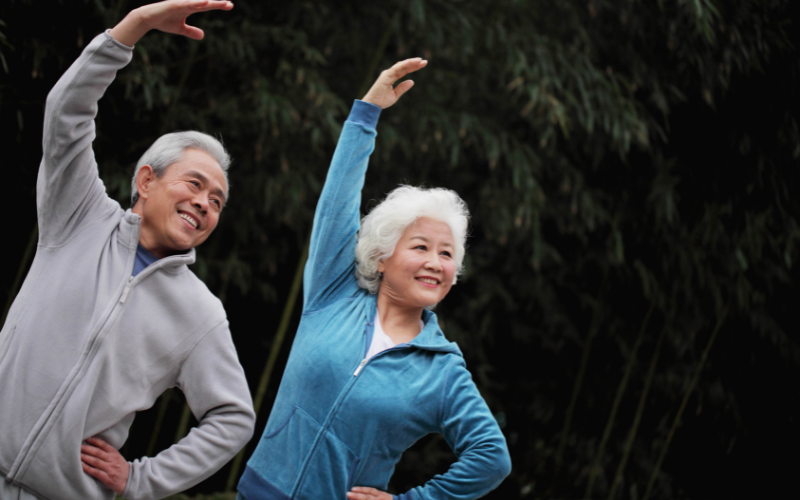
How to Create a Balanced Exercise Programme?
Crafting an integral exercise programme for older adult and the elderly is crucial for sustaining and enhancing health. This method ensures they participate in diverse physical activities suited to their abilities, fostering total health and minimising fall hazards. This is how you can compose an effective routine:
Initiate a health check by a medical professional. Prior to beginning any workout regimen, a thorough examination is essential. This preliminary stage aids in revealing any latent health issues that could interfere with safe exercise.
Include aerobic activities for cardiac health. Incorporate medium-intensity aerobic activities like walking, swimming, or cycling for a minimum of 150 minutes weekly. These exercises endorse heart healthiness and can be adapted depending on stamina levels.
Incorporate strength-building twice a week. Utilise light weights or resistance bands to execute upper and lower body workouts. Strengthening muscles contributes to routine activities and diminishes fall hazards by enhancing steadiness.
Concentrate on equilibrium workouts daily. Methods such as Tai Chi or plain standing balance workouts can drastically lessen fall threats through improved coordination and stability.
Do not overlook flexibility movements for a superior range of motion. Stretching workouts assist in maintaining joint health, reducing pain, and expanding mobility, which is vital for everyday activities.
Incorporate unique workouts if required to manage chronic conditions. For those challenged with arthritis, diabetes, or heart afflictions, specific workouts recommended by healthcare providers can also be included in the regimen.
Gently amplify activity levels over time, rather than at once, to avoid injury and ensure progression within one’s constraints.
Pay attention to the body’s cues attentively; exert enough to gain benefits yet stop before reaching excess.
Participate in enjoyable activities that encourage movement, such as gardening or dancing, which also act as physical exertion whilst being entertaining.
Finally, regularity is paramount; regular physical activity should be incorporated into the everyday routine to effectively obtain all its advantages.
What Precautions Should Older Adults Take Before Starting?
Beginning a workout routine brings many benefits for the elderly, such as improved well-being and lower fall risk. Prior to heading on this path to enhanced health and fitness, taking certain precautions is vital.
A check-up with your GP or a care provider should be your first step. They can evaluate your health in general and any conditions that might hinder your physical activity.
Discussing your medications with your care professional is another important step, as some might affect your balance or physical exertion levels.
It’s beneficial to select the appropriate shoes and exercise attire. Opt for cosy, non-slip footwear offering good support and attire that allows unrestricted movement.
Progress gradually, particularly if recent times have seen limited physical activity. Enhance the intensity and duration of your workouts gradually to avoid injury.
Hydration is critical. Consume enough water before, during, and after workouts to prevent dehydration.
Pay attention to your body and refrain from overexertion. Mild discomfort isn’t unusual, though cease activity if you experience pain.
Safety in your environment is paramount. Clear any potential tripping obstacles and have stable support accessible if necessary.
Factor in a mixed regimen incorporating flexibility, strength training, balance exercises, and stamina activities for comprehensive fitness.
Collaboration with a personal trainer who is well-versed in working with the elderly could be beneficial in devising a workout routine that is suitable for you.
Let’s progress to examining some impactful workouts designed specifically for seniors that can be included in daily routines while adhering to these safety measures.
What Are Some Effective Exercises for Seniors?
Chair exercises offer many health benefits for older adults, especially those with mobility issues. They help improve strength and flexibility without the risk of falling. Sitting securely on a chair, you can do leg and knee lifts together, arm and leg raises, and twists to keep your muscles engaged.
These activities are ideal for maintaining muscle tone and improving circulation.
Tai Chi is another excellent form of exercise for seniors. This gentle martial art focuses on slow movements and deep breathing, which improves balance and reduces the risk of falls among older adults.
Studies show that Tai Chi participants experience fewer falls compared to those who don’t practice it. Upper body exercises using light weights or resistance bands are also beneficial in keeping the shoulders, arms, and chest strong.
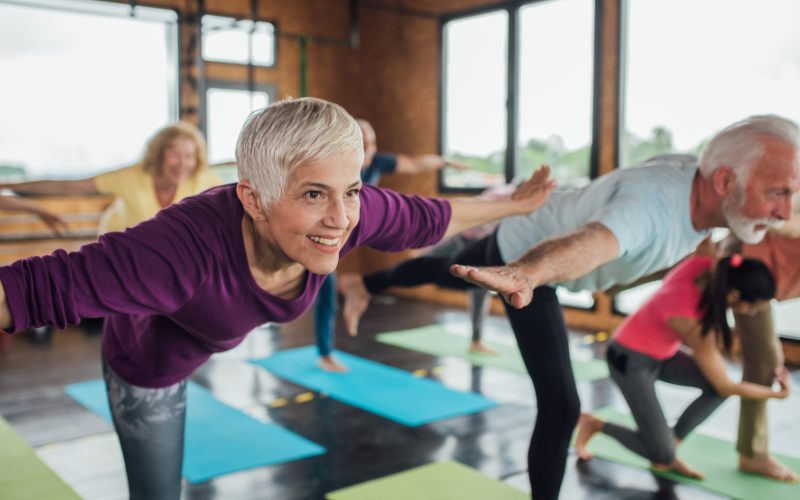
How Do Chair Exercises Benefit Older Adults?
Chair exercises stand out as a safe and effective way for you or your elderly family member to stay active. These activities are crucial in improving mobility, strength, and balance without putting too much strain on the body.
They say best exercises particularly in standing position help older adults who may find standing exercises challenging due to joint pain or balance issues. Chair exercises can reduce the risk of falls, a common concern among older individuals.
Engaging in these seated movements aids in maintaining joint flexibility, muscle strength, and circulation. This has a significant positive impact on daily living activities, making tasks like walking up stairs or reaching for items far from one room much easier.
Exploring this form of exercise also promotes independence by allowing those with limited mobility to engage in physical activity safely. It demonstrates that staying active is achievable at any age and ability level, encouraging consistent exercise habits that contribute to overall health improvement.
Through regular participation in chair exercises, many older adults experience enhanced mental well-being alongside their physical benefits. Next up: Discover the top upper body exercises designed for seniors’ needs.
What Are the Best Upper Body Exercises for Seniors?
Transitioning from chair exercises, let’s concentrate on optimal upper and gently lower body exercises for seniors. These workouts fortify muscles, increase flexibility, and contribute positively to total health.
Wall Push-Ups: Stand opposite a wall and align your palms with it a bit broader than your shoulders. Bend your elbows to move your chest nearer to the wall, then push back to the initial spot. This routine fortifies your chest, shoulders, and arms without overburdening your joints.
Seated Row: With a resistance band, settle on a chair, having your feet steadily on the floor. Grasp each end of the band in your hands, arms outstretched in front of you. Yank the bands to you while compressing your shoulder blades together. Revert slowly. This focuses on your upper back and aids with posture.
Bicep Curls: Grasp weights or water bottles in each hand by your sides with palms pointing outward. Bend your elbows to hoist the weights to your shoulders and lower them back down gradually. This aims at the biceps and enhances arm strength.
Tricep Extensions: Holding a weight in one hand, elevate your arm above your head, ensuring it’s close to your ear. Bend at the elbow to descend the weight behind your head and then lift it back up. Execute this action slowly to intensify the triceps.
Shoulder Press: Either sitting or standing, hold weights at shoulder height with palms pointing outwards. Propel them upwards until your arms are fully overhead, and then settle back down gently.
Chest Press: Recline flat on a bench or settle in an upright spot if doable, holding weights with arms wide open at chest level. Elevate them up above you until your arms are straight, then convey them back down gradually.
Arm Circles: Extend both arms to the sides at shoulder height and manoeuvre them in petite circles forward for 30 seconds, then reverse course for 30 seconds more.
These workouts integrate different facets conventional forms of physical activity proposed for elderly adults including resistance exercise classes and training focused on refining function in daily activities as well as lessening falls risk by fortifying strength and stability.
How Can Tai Chi Improve Balance?
After exploring upper body exercises, it’s essential to focus on balance, a critical aspect of fitness for seniors. Tai Chi emerges as a gentle yet effective way to improve this. This ancient martial art focuses on slow, controlled movements and deep breathing, making it an ideal physical activity for older adults seeking to enhance their stability and prevent falls.
Tai Chi strengthens the muscles used in balance, promoting flexibility and coordination. By practicing regularly, you can increase muscle strength and reduce your risk of falling significantly. Studies have shown that engaging in Tai Chi can lead to improvements in balance and motor function among older individuals.
It’s not just about physical health; this exercise regimen also supports mental well-being by easing stress and anxiety.
Tai Chi is more than movement – it’s a path to greater stability and peace.
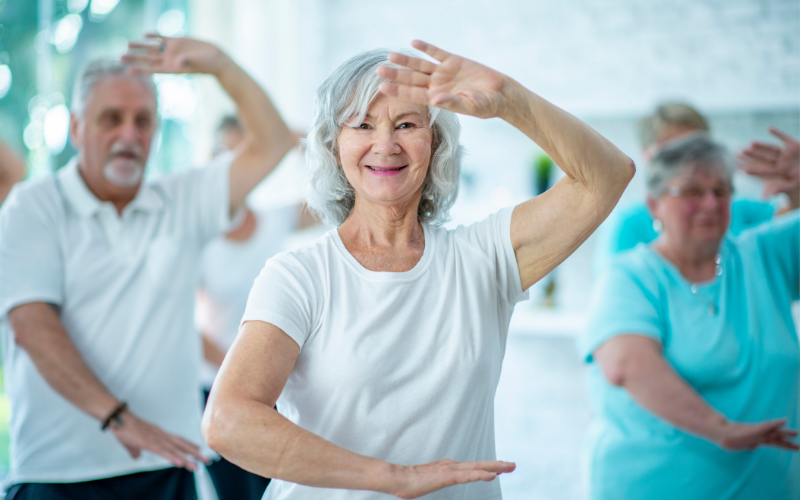
How Often Should Older Adults Engage in Physical Activity and Exercise?
Adults beyond their mid-sixties should regularly participate in physical activities and exercises to ensure optimal health. According to guidelines, those aged 65 and over should strive to achieve a minimum of 150 minutes of medium-intensity aerobic exercise per week, which may include activities such as walking, swimming or cycling.
It is also suggested that workouts that build muscle strength should be included at least twice weekly.
The integration of physical activities into an older adult’s daily routine can greatly uplift their living standards. Small modifications like opting for the stairs over the elevator, nurturing a hobby like gardening, or just taking a brisk neighbourhood stroll can contribute to these objectives.
Exercise not only amplifies physical health, but also invites mental well-being, assisting in the management of chronic diseases and minimising the risk of falls for older adults.
What is the Recommended Amount of Exercise for Older Adults?
Experts recommend that older adults should aim for at least 150 minutes of moderate-intensity aerobic exercise each week. This could include activities such as brisk walking, swimming, or cycling.
You can break this down into manageable sessions throughout the week to suit your schedule and fitness level. It’s also important to include muscle-strengthening exercises on two or more days a week.
These exercises help maintain muscle mass and improve strength, which are crucial for daily living activities.
Incorporating balance and flexibility training is equally important to prevent falls in older adults – a significant health risk in this age group. Exercises like Tai Chi can significantly improve balance and coordination, reducing the likelihood of falls.
Starting these types of exercise routines can greatly aid mobility and independence later life too, ensuring you remain active and healthy well into older age.
How Can Older Adults Incorporate Physical Activities into Daily Life?
Grasping the suggested exercise quantity for elderly individuals is pivotal. Next, we’ll explore how older individuals can incorporate physical activities into their everyday lives.
Initiate leisurely strolls in your vicinity. It’s a comfortable way to experience the outdoors while promoting your well-being.
Opt for stairs over elevators for a brisk, beneficial leg workout.
Transform everyday housekeeping into a fitness engagement. Activities such as gardening or even vacuuming can elevate your heart rate.
Stand during television commercials to stretch or pace, keeping your physique engaged.
Choose to park at a distance from stores to integrate more steps into your errands.
Participate in local community programmes created for the elderly, providing a range of activities from yoga to dance.
Include aquatic exercises into your regimen; methods like swimming or aqua aerobics are easy on your joints.
Practise balancing exercises like standing on one foot(left foot or right foot) whilst brushing your teeth to minimise fall risks.
If movement is constrained, consider seated exercises that concentrate on upper body strength and flexibility.
Plan regular pauses to stand and move if you’re stationary for extended durations.
Including these activities in your healthy lifestyle meets exercise recommendations and enriches daily living with vigour and liveliness.
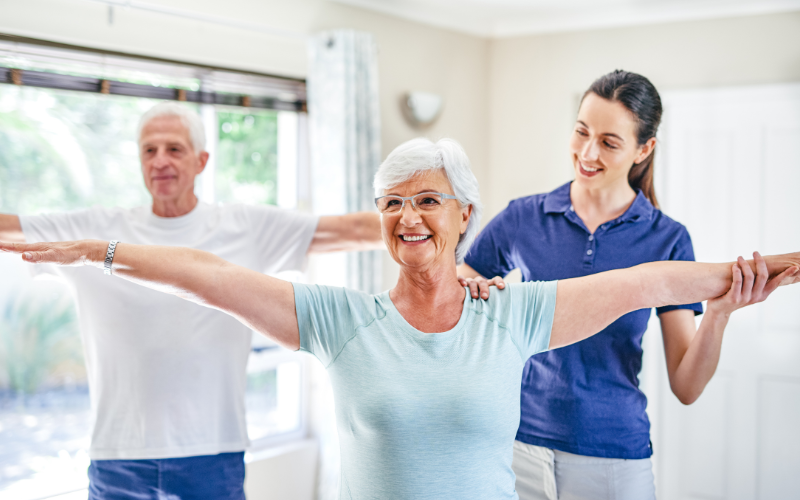
What Exercises to Avoid for Older Adults?
Older adults should avoid exercises that pose a high risk of falling or injury. – High intensity side-impact activities such as running, jumping, and heavy weight lifting can be hard on the joints and increase the risk of fractures.
Instead, focus on low-impact exercises that strengthen muscles without putting too much strain on the body. Exercises requiring quick changes in direction might also lead to balance issues, making them unsuitable for frail older individuals.
Safe exercise is key to long-term health benefits for older adults.
Be cautious with exercises that involve bending backwards or deep twisting movements. These can stress the spine and potentially cause discomfort or injury in those with osteoporosis or lower back problems.
Choosing suitable activities is vital for maintaining mobility and brain function while avoiding harm.
Which Exercises May Increase the Risk of Falling?
Exercise is crucial for maintaining health as you age. Yet, some activities might increase the risk of falls among older adults. Here’s a list detailing which exercises could pose such risks:
Stair climbing without support can challenge balance and increase fall risk.
High-impact aerobics may be too vigorous, causing loss of balance or joint issues.
Squatting with heavy weights can strain muscles and affect stability.
Balancing on one leg(left leg or right leg) without proper support may lead to falls if not performed carefully.
Running on uneven surfaces exposes one to potential trips and missteps.
Rapid direction changes in activities like tennis or basketball could lead to falls due to quick shifts in movement.
Each exercise poses its own set of challenges, especially for those living with chronic conditions or reduced mobility. Prioritising safety and adjusting activities based on individual abilities are key steps in reducing the risk of falls and injuries during physical exercise sessions for older adults.
Why Should Frail Older Adults Avoid Certain Exercises?
Identifying exercises that may increase the risk of falling leads us to understand why frail older adults should steer clear of certain activities. Frail older adult individuals often experience reduced strength, limited mobility, and a higher susceptibility to falls and fractures.
Engaging in unsuitable exercises can exacerbate these issues, making it essential to avoid high-impact or complex movements, which are the best exercises that challenge balance excessively.
Activities demanding sudden changes in direction, rigorous strength training without supervision, or unsupported standing positions performed sitting can pose significant risks. Instead, you need to focus on gentle, low-impact exercises such as walking, chair yoga, or swimming designed to improve function in older adults safely.
Prioritising safety helps maintain independence and enhances the quality of life by minimising injury risks whilst meeting the health benefits of exercise guidelines for this demographic group.
How Can Older Individuals Modify Exercises for Safety?
Ensuring exercise safety for older adults needs careful planning. Modifications can turn any routine into a safe, effective part of staying healthy. Here’s how you can adjust exercises:
-
Lower the intensity of aerobic activities. Swap running for walking or swimming to reduce joint stress.
-
Opt for seated exercises if balance is a concern. Chair yoga and seated strength training can improve muscle without risking falls.
-
Use resistance bands instead of weights for strength training. Bands offer control and less risk of injury.
-
Shorten exercise sessions. Breaking activities into 10-minute segments helps manage energy levels and prevent overexertion.
-
Incorporate balance exercises like Tai Chi, which has shown benefits in preventing falls among community-dwelling older adults.
-
Always warm up before starting your routine. Gentle stretching prepares muscles and joints for activity.
-
Cool down with stretches to prevent stiffness and enhance flexibility.
-
Focus on low-impact exercises, especially for those with arthritis or joint issues, to minimise pain.
-
Adjust the range of motion to comfort levels during exercises; never push into pain.
-
Stay hydrated by drinking water before, during, and after exercise to avoid dehydration.
These modifications aim at maintaining an active lifestyle while ensuring safety and well-being in older adults’ exercise regimens.
Conclusion
Fitness is significant as you get older. Exercises for older people can enhance health, prevent falls and help in managing long term conditions. Initiating a exercise routine in a safe manner involves selecting appropriate activities and taking safety measures.
Chair exercises, upper body workouts, and Tai Chi are excellent choices. Stay active and enjoy the benefits of regular movement!
Check Our Latest Blog Posts
Vitamin B12 Foods for Older Adults: What to Eat and How Home Care Helps
Dental & Oral Care for the Elderly: Tips & Routines
Exercises for Arthritic Hands with Home Care
Memory Games for Seniors with Home Care Support
What Is Sundowning Dementia? Why People With Dementia Become More Agitated at Night
How Home Care Helps Reduce Loneliness After Bereavement
Hearing Aids for Elderly People: How Home Care Helps Day to Day
Senior Stretching Exercises: 5 Simple Bed Stretches to Start the Day
Heatwave Safety: How to Keep Elderly Parents Safe in Hot Weather