
UTI in the Elderly: How to Spot It Early and How Home Care Helps
Easy 7-Day Healthy Meal Plan: Delicious Recipes for Seniors
Creating Nutritious and Enjoyable Meal Plans for Seniors: A Guide to Healthy Eating and 7-Day Menu Ideas
Finding the right healthy menus for seniors can seem challenging. As dietary needs change and appetites often fluctuate, it’s vital to discover meals that are not only nutritious but also enjoyable.
Did you know that a well-planned meal can notably impact a senior’s health and overall well-being? This article provides simple solutions to create delightful, wholesome meals specifically for older adults.
We intend to assist you in developing a 7-day meal plan packed with effortless recipes, speedy and healthy meal concepts, followed by advice on how seniors can sustain a balanced diet every day.
Prepare to turn meal times into a chance for nourishment and pleasure. The process commences now!
How Can Seniors Maintain a Healthy Diet?
Maintaining a healthy diet becomes crucial as you age. Seniors need a variety of nutrients to stay healthy and reduce the risk of chronic diseases. Include fruits, vegetables, whole grains, lean proteins like salmon, and healthy fats from sources such as avocado and nuts in your meals.
Make sure meals for seniors are easy to prepare yet packed with nutrition. Keeping hydrated is also key; encourage drinking water throughout the day.
Eating well helps maintain your body’s functions, supports brain health, and gives you the energy you need.
To incorporate more vegetables into their diet, seniors could add spinach or other leafy greens to smoothies or salads. Quick and healthy meal ideas might include roast chicken with a side of steamed vegetables or soups rich in roasted vegetables or beans for protein.
By focusing on nutrient-rich foods and avoiding saturated fat and excessive sugar, elderly people can enjoy delicious recipes while staying fit and active.
What Nutrients are Essential for Seniors?
Seniors need a variety of nutrients to support their health and well-being as they age. Essential vitamins such as Vitamin D and B12 become increasingly crucial to healthy aging. Vitamin D helps maintain bone health, while B12 supports nerve function and the production of DNA and red blood cells.
Your body needs calcium for bones and teeth, so dairy products or fortified foods are important in your diet. Omega-3 fatty acids, found in fish like salmon, are essential for brain health and reducing inflammation that can lead to heart disease.
Protein is another vital nutrient for seniors, aiding in maintaining muscle mass which tends to decline with age. Foods rich in protein include lean meats, beans, and nuts. Seniors should also focus on high-fiber foods to promote digestive health; options include whole grains, fruits, and vegetables.
To manage blood pressure effectively, limiting sodium intake by choosing fresh over processed foods is smart advice. These nutritional adjustments help ensure seniors get the energy they need while supporting healthy ageing.
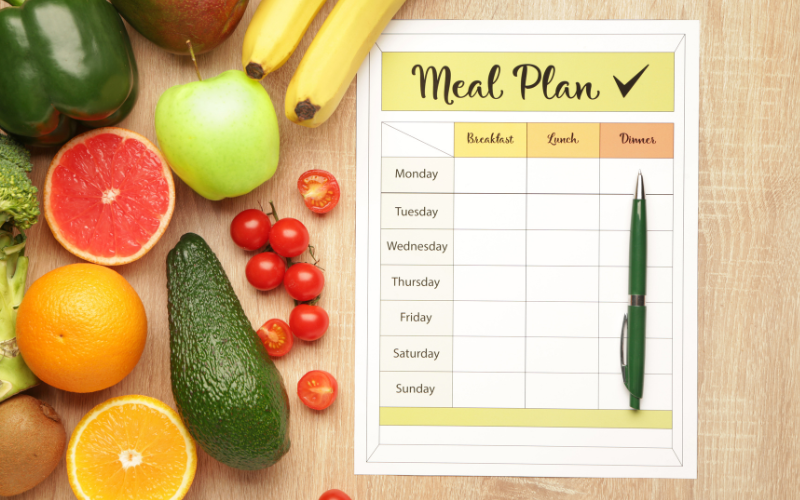
How Can Seniors Incorporate More Vegetables into Their Diet?
Including more vegetables in an elderly person’s diet can be uncomplicated and productive. Initiate by adding vegetables to your preferred dishes. For instance, combine spinach with an omelette or integrate carrots and peas with rice.
This technique makes certain that the meal is appealing and filled with indispensable vitamins and minerals necessary for healthful ageing.
An alternative method includes highlighting vegetables as the main part of the meal. Opt for recipes that emphasise vegetables, such as stir-fries or vegetable-centered soups. These meals are both nutritious and straightforward to prepare, ideally catering to an older adult’s dietary restrictions and prerequisites without sacrificing taste or diversity in their diet.
Explore vegetarian foods, as they provide extensive health benefits, encouraging a balanced consummation of nutrients critical for sustaining optimal health as one ages.
What Are Some Easy Recipes for Seniors?
Eating healthy becomes especially important as we get older. Here are some easy and nutritious recipes for seniors that cater to their dietary needs while being delicious.
Simple Grilled Salmon: Rich in healthy proteins and omega-3 fatty acids, salmon is ideal for supporting heart and brain health in seniors. Season a salmon fillet with lemon juice, garlic, and herbs. Grill it for about 15 minutes or until it flakes easily with a fork.
Veggie Omelette: Eggs offer a fantastic source of protein and vitamins beneficial for the elderly. Whisk eggs with a splash of milk, pour into a heated pan, and add chopped vegetables like spinach, tomatoes, and onions. Cook until the eggs are set, and then fold the omelette in half.
Chicken Salad Wraps: Using wholegrain wraps can add fiber to your meal, promoting better digestion. Mix cooked chicken breast with light mayonnaise, celery, grapes, and walnuts; spread on the wrap before rolling up tightly.
Quinoa Salad: Quinoa is packed with protein and easy to prepare. Combine cooked quinoa with cucumber slices, cherry tomatoes, feta cheese, and olives. Dress it lightly with olive oil and lemon juice for a refreshing meal.
Baked Sweet Potato: Sweet potatoes are great sources of fibre and vitamins A and C. Prick sweet potatoes with a fork, bake until tender (about 45 minutes), then top them off with beans or cottage cheese for added protein.
Hearty Lentil Soup: Lentils are very nutritious; they provide iron, which is often lacking in senior diets. Sauté onions, carrots, and celery in olive oil; add lentils along with vegetable broth; simmer until the lentils are tender; season to taste with salt, pepper , and herbs
Fruit Salad With Yogurt Dip: Fruits offer various essential nutrients that contribute to overall health. Mix together favourite fruits like berries, oranges, and apples. Serve them alongside yogurt mixed with honey for dipping.
8.Simple Steamed Broccoli : Broccoli is full of vitamins Kwhich helps support bone health among many other benefits . Simply steam it till it’s tender enough but still crisp , season minimally .
Preparing these meals doesn’t have to be complicated or time-consuming but can greatly enhance nutrition intake.Balance out these meals throughout the whole week’s meals, to ensure diversity in diet.
Next up – how can you turn these meal ideas into a solid weekly plan?
What are the Best Healthy Meals for Seniors?
Creating nutritious meals for seniors is essential for promoting their health and well-being. A well-rounded diet loaded with vital nutrients promotes healthy ageing, assists in controlling high blood pressure, and meets unique dietary needs.
The best meals include a mix of foods from all food groups, focusing on fruits, vegetables, lean proteins, whole grains, and even low-fat milk full-fat dairy. Consider introducing soft food recipes for those struggling with chewing or swallowing.
A nutrient-dense meal helps to ward off conditions such as heart disease and contributes to weight management.
Effortlessly prepared meals are particularly desirable for caregivers or older adults who might find comprehensive cooking intimidating. Consider recipes like baked salmon, which is rich in omega-3 fatty acids and beneficial for brain health, or vegetable stews abundant in antioxidants.
Light meals with plant-based ingredients can be both pleasing and straightforward to prepare, providing adaptability throughout the week’s meal plan for the elderly without compromising taste or nutritional worth.
How to Prepare Nutritious Meals for Seniors?
Preparing nutritious meals for seniors is essential for maintaining their health and well-being. It helps them keep a healthy weight, stay energetic, and manage medical conditions. Here’s how you can prepare healthy and delicious meals for the elderly:
Focus on incorporating fruits and vegetables into every meal. These are rich in vitamins, minerals, and fibres crucial for senior care.
Choose lean proteins like chicken, fish, beans, and lentils to support muscle health.
Opt for whole grains over refined ones to enhance their diet with more nutrients.
Prepare meals with healthy fats from sources like avocados, nuts, and olive oil.
Ensure dairy products are low-fat or fat-free to provide calcium without unnecessary fats.
Cook using herbs and spices instead of salt to reduce sodium intake.
Serve smaller portions to prevent overeating, but increase meal frequency if needed.
Make mealtimes attractive by using colourful food combinations that appeal to older adults.
Swap sugary desserts for healthier options such as fruit salads or yogurt with berries.
Involve seniors in the meal planning process to cater to their preferences and encourage eating.
Create a 7-day meal plan that includes a variety of nutrients covering all food groups.
By following these steps, you can make sure the elderly enjoy tasty meals that are also beneficial for their health.
What are Some Quick and Healthy Meal Ideas?
Creating fast and nutritious meal inspirations for the elderly can assist them in maintaining an ideal weight and provide them with the necessary nutrients. These uncomplicated dishes for the elderly are nutritious and straightforward to prepare.
Vegetable stir-fry featuring chicken: Utilise lean chicken breast and a selection of vegetables such as bell peppers, broccoli, and carrots. Stir-frying is a prompt cooking method that retains the nutritional content of the food.
Salmon accompanied by sweet potato mash: Salmon is loaded with omega-3 fatty acids, which are beneficial for brain health. Coupled with mashed sweet potatoes, it makes for a fibre-dense side.
Omelette filled with veggies: Eggs offer superior protein, which is crucial for muscle upkeep. The addition of vegetables boosts the vitamin provision.
Bean soup: Beans offer an outstanding source of protein and fibre. Prepare a wholesome bean soup using tomatoes, onions, and herbs for taste.
Grilled chicken salad: Pair grilled chicken strips with mixed greens, cherry tomatoes, cucumbers, and a vinaigrette dressing for a light yet fulfilling meal.
Quinoa salad mixed with vegetables: Quinoa is a complete protein and complements any vegetable mixture—include feta cheese for calcium.
Turkey wrap: Opt for whole-grain wraps to enhance fibre consumption; stuff them with turkey breast, lettuce, tomato, and avocado healthy fats.
Baked cod served with steamed broccoli: Cod offers lean protein while broccoli contributes essential vitamins to this dish—season merely with lemon and pepper.
Pasta primavera with whole wheat pasta: Opt for whole wheat pasta for extra nutrients and top it with sautéed seasonal vegetables sautéed in olive oil.
Fruit smoothies: Blend your selection of fruits with Greek yogurt for a revitalizing snack brimming with vitamins, minerals, and proteins.
Each of these dishes includes components from the provided keywords such as “healthy food”, “prompt and easy meals to prepare”, “meal inspirations for the elderly”, “encourage the elderly to eat healthily”, “uncomplicated dishes for the elderly”, “healthy components”, “nutritious foods”, along with focusing on maintaining adequate nutrition through a variety of foods fortified to support healthy ageing without making eating seem like a task
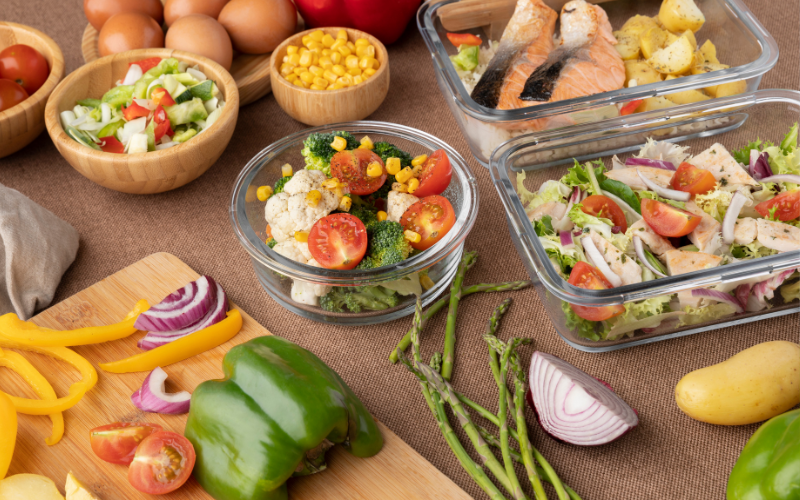
How to Create a 7-Day Meal Plan for the Elderly?
Creating a 7-day meal plan for the elderly requires understanding their unique nutritional needs and preferences. It’s about ensuring meals are both healthy and appealing to encourage regular, nutritious eating habits.
-
Identify dietary requirements: Start with a clear idea of any health issues like diabetes or heart disease, which greatly influence food choices. Consultation with a healthcare provider can offer guidance.
-
Balance the nutrients: Ensure each meal has a good balance of proteins, carbohydrates, and fats. Aim for lean proteins, whole grain carbs, and healthy fats from sources like olive oil and nuts.
-
Plan for vegetables: Add at least one vegetable to every meal. Go for a variety of colours to maximise nutrient intake.
-
Easy breakfast ideas: Oatmeal with fresh fruit or scrambled eggs with spinach make quick, nutritious starts to the day.
-
Light lunches: Prepare soups and salads that incorporate lean meats or beans for protein. These are easy to digest and keep energy levels steady.
-
Nutritious dinners: Opt for baked salmon or grilled chicken with a side of steamed vegetables and brown rice or quinoa.
-
Healthy snacks: Stock up on yoghurt, nuts, sliced fruits, and raw veggies. These make great in-between-meal bites that are easy on the stomach.
-
Hydrate often: Ensure they drink enough water throughout the day. Aim for about 8 glasses to keep hydrated and aid digestion.
-
Focus on fibre: It’s essential for preventing constipation—a common issue among seniors. Include plenty of high-fibre foods like lentils, apples, and whole grains.
-
Limit salt and sugar: Opt for herbs and spices to flavour meals instead of salt to help manage blood pressure. Avoid adding sugars by choosing natural sweeteners like fruit.
-
Incorporate dairy: For those who can tolerate dairy, include sources rich in calcium, like milk or cheese, to support bone health.
-
Schedule meals consistently: Eating at regular times helps regulate appetite and ensures they don’t skip meals.
-
Prepare in advance: Meal prep can be a lifesaver; cooking large batches ahead of time means less effort during the week.
14. Make it enjoyable: Present food attractively and aim for variety to keep interest alive in eating well.
By following these steps diligently while catering suitably to specific dietary requirements, creating an effective 7-day meal plan becomes straightforward—an invaluable tool in promoting sustained healthy eating habits among seniors.
How to Encourage Seniors to Eat Healthy?
You can play a crucial role in persuading elders to follow a healthy diet by making wholesome meals more enticing and simpler to eat. An efficient approach is to select recipes that are both swift and straightforward, with an emphasis on adding healthful ingredients that align with the flavour preferences of older individuals.
For instance, creating meals with vibrantly hued vegetables or utilising soft, easy-to-chew foods can enhance their attractiveness significantly. Inviting seniors in meal planning equally provides them with a sense of influence over their diet, raising their chances of appreciating their meals.
A wholesome diet is the basis for healthy ageing.
Moreover, addressing typical obstacles such as challenges eating alone or diminished interest in food calls for innovative solutions. Arranging regular family dinners alleviates the solitude some elders encounter during meals, thereby augmenting their food consumption.
Similarly, proposing smaller servings throughout the day in place of three large meals can assist in preserving a stable weight whilst ensuring they receive ample energy and nutrients from various sources such as plant-based foods and lean proteins.
What Strategies Help Get Seniors to Eat More Nutritious Foods?
Ensuring older adults sustain a healthful and balanced diet is vital for their complete health. Ensuring they consume a lot of produce, lean meats, and whole grain foods can halt diseases such as cardiovascular disease and aid them in keeping a wholesome weight. Here are some tactics to urge older adults to opt for healthier food options:
-
Provide an array of meals to keep engagement high. Incorporate various colours and textures of foods.
-
Cook meals together, transforming the meal prep into an enjoyable and interactive activity.
-
Choose healthful ingredients that are also delicious to demonstrate that nutritious food can be delightful.
-
Formulate straightforward meal ideas for older adults that they can prepare independently or with minimal help.
-
Present meals attractively; the appearance can greatly influence their appetite.
-
Cut or mix foods if chewing or swallowing is difficult for them, guaranteeing they still acquire the nourishment they need without difficulty.
-
Advocate smaller, more recurrent meals rather than three large ones if consuming substantial portions is intimidating for them.
-
Introduce healthful desserts that satisfy sweet cravings without surrendering nutritional benefits.
-
Persist in offering new healthful choices regularly; don’t surrender if they dislike something at the first attempt.
-
Inform about the advantages of certain foods to aid them in understanding why opting for healthier choices is important.
-
Arrange meals collectively and involve them in the decision-making process, granting them control over their food choices.
-
Switch unhealthy ingredients in their favourite recipes with healthier substitutes to gently alter eating habits for better choices.
-
Emphasise hydration by providing tasty water options like adding fruits or herbs to encourage water consumption alongside healthy eating.
-
Organise sociable meals where possible, as camaraderie can increase appetite and enjoyment of food.
-
Gather feedback on the meals you make to discover their likes and dislikes and modify accordingly for future meal planning.
These tactics aim at incorporating nutritious diet elements into older adults’ daily routines whilst valuing their tastes and autonomy, ultimately promoting a sustainable healthy eating lifestyle.
How to Make Meals More Appealing to Older Adults?
Making meals more appealing to older adults requires creativity and an understanding of their preferences. Start by selecting recipes that are nutritious and easy to consume, taking into account any diet limitations they might have.
Concentrate on vibrant plates packed with a mix of vegetables to make the food visually pleasing; this may motivate them to relish eating once more. Incorporate soft foods like soups and stews if chewing presents a challenge for them.
Offer minor quantities to prevent overwhelming them with too much food simultaneously, which might be deterring. Flavour is crucial, so do not hesitate from utilising herbs and spices to augment taste without adding surplus salt or sugar.
Making healthy choices in meal preparation supports not just their physical health but also elevates their mood.
Moving forward, we will dive into straightforward and healthy food choices for seniors.
What are Simple and Healthy Food Options for Seniors?
Choosing simple and healthy food options for seniors is key to maintaining a balanced diet. Many older adults need meals that are easy to prepare and nutritious. Fresh fruits, vegetables, lean meats, and whole grains make up the cornerstone of such a diet.
These foods offer essential nutrients without too many added sugars or unhealthy fats. For example, opting for grilled salmon provides omega-3 fatty acids important for heart health.
Including more dairy or plant-based alternatives in their diets also supports bone health due to high calcium and vitamin D levels. Quick meal ideas for seniors, like stir-fried veggies with chicken or tofu, can be both satisfying and healthy options that fit into elderly meal plans.
Oats topped with fresh berries serve as an excellent breakfast choice, packed with fibre which is beneficial for digestive health. Preparing these foods doesn’t have to be time-consuming; it’s about choosing ingredients wisely to ensure they eat enough while enjoying diverse flavours every day.
Why is Meal Planning Important for the Elderly?
Meal planning plays a crucial role in ensuring seniors maintain a healthy weight and receive proper nutrition. As dietary needs change with age, it becomes more important to focus on nutrient-rich foods that support overall health.
Many seniors may lose interest in preparing food or eating enough, increasing the risk for diseases such as heart disease. Meal planning offers a structured approach to address these challenges, making sure elderly parents or individuals get balanced meals throughout the week.
A well-planned meal is the foundation of good health for seniors, helping them stay active and independent.
Through meal planning for seniors, you can ensure they eat plenty of vegetables and lean proteins necessary for sustaining energy levels and managing chronic conditions. It provides an easy way to incorporate quick and easy-to-make recipes into their diet, catering specifically to their changing nutritional needs.
This approach simplifies grocery shopping and meal preparation, reducing stress around mealtimes while promoting a healthier lifestyle.
What are the Benefits of Meal Planning for Seniors?
Meal planning assists seniors in maintaining a healthy and nutritious diet, which becomes increasingly important as dietary needs evolve with age. It assures that every meal is well-rounded, containing all necessary nutrients to bolster overall health.
Planning meals ahead of time can also save time and diminish stress, making it simpler for you or your elderly family member to eat well without the trouble of deciding what to cook each day.
Furthermore, meal planning plays a substantial role in managing food intake efficiently. For seniors residing independently or within senior living communities, it helps in controlling portion sizes and avoids excessive or insufficient eating.
Opting for recipes that are both straightforward to prepare and quick to make fosters improved eating habits by maintaining interesting and enjoyable mealtimes. This method fosters independence in seniors by enabling them to manage their daily nutrition with handy meal suggestions for seniors.

How Can Meal Planning Help with Senior Care?
Appreciating the manifold advantages of meal planning establishes a firm understanding of its significance in elder care. Meal planning can markedly streamline the course of guaranteeing seniors enjoy balanced diets suitable for their nutritional needs.
Through choosing wholesome recipes and organising food preparation beforehand, you affirm that every meal positively influences their health. This method reduces the intake of processed foods, frequently associated with health issues among the elderly.
Establishing simple meals for seniors assists in preserving regular eating habits. This regularity is vital as consistent nutrient supply bolsters overall health and can mitigate or manage ongoing conditions more efficiently.
Furthermore, being equipped with instantaneous and healthy meal inspirations alleviates caregiver stress by eradicating daily indecisiveness about the upcoming meal. It enables them to concentrate more on delivering quality care rather than impromptu meal preparations, making it more straightforward to incorporate brain-friendly foods into each dish served.
What are Some Healthy Recipes for Seniors?
Making nutritious soups and stews is an excellent method to provide seniors with the vital nutrients they need in a form that’s easy to digest. A stew of lentils with sliced vegetables yields fibre, protein, and vitamins all in a single dish.
It can be cooked in less than an hour, making it ideal for a substantial dinner or a comfortable lunch. Additionally, lentils frozen peas are beneficial for heart and brain health, checking two important aspects on the senior meal plan.
For those who prefer seafood, recipes with salmon provide necessary omega-3 fatty acids for maintaining heart health and lowering inflammation. Cooking salmon fillets in the oven with a touch of herbs and lemon juice not only increases flavour but also simplifies and tidies the preparation process.
Pair it with steamed broccoli or oven-cooked sweet potatoes for a balanced meal that promotes a healthy diet without extended kitchen time. This strategy transforms healthy eating from being a task into a joy, all about relishing delicious meals every single day.
How to Prepare Healthy Soups and Stews?
Creating wholesome soups and stews is a brilliant method to assure that elderly individuals sustain a nourishing diet. These effortless dishes for elderly people can be both scrumptious and filled with crucial nutrients.
Initiate with a broth base: Choose a low-sodium vegetable, chicken, or beef broth as the anchor for your soup or stew. This maintains its healthiness and lets you manage the salt content.
Infuse lean proteins: Add sources like chicken breast, turkey, tofu, or beans. These offer vital amino acids that promote muscle sustenance and overall wellbeing.
Mix in a variety of vegetables: Items like carrots, celery, onions, and leafy greens are perfect for integrating vitamins and minerals. A colourful blend ensures a wider scope of nutrients.
Flavour with herbs and spices: Rather than salt, employ garlic, ginger, thyme, or rosemary to imbue flavour without increasing sodium levels.
Select whole grains: Infuse barley, quinoa, or brown rice into your stew for added fibre and a satisfying texture.
Cook slowly: Allow your soup or stew to cook on low heat over prolonged periods. This technique augments the flavours and ensures all components are tender.
Eliminate excess fat: After preparing meat-based soups or stews, cool them a bit and remove any fat that rises to the top before reheating and serving.
Accompany with wholegrain bread: A piece of wholegrain bread not only amplifies your meal but also contributes additional fibre to the diet.
Prepare in batches: Soups and stews are straightforward dishes for elderly people to whip up in large quantities and freeze in portions for subsequent meals.
Venture with recipes: Feel free to test new blends of ingredients or spices to keep food ideas lively and appealing.
These steps ascertain that you can create meals which are not just swift and straightforward to prepare but also form an integral part of a nutritional diet plan for elderly individuals you are fond of.
What are Some Nutritious Salmon Recipes?
Switching from wholesome soups and stews, we suggest trying these nutritive salmon recipes that are quick and straightforward to prepare, perfect for senior citizens. Salmon is a favoured healthy choice because it’s loaded with omega-3 fatty acids, beneficial for the brain and overall wellness.
Grilled salmon with lemon and herbs: This uncomplicated recipe involves grilling a salmon fillet seasoned with lemon juice, garlic, and fresh herbs. It provides a straightforward meal full of flavours.
Baked salmon with sweet chilli glaze: Cover your salmon in a sweet chilli sauce and bake it until it’s perfectly cooked through. This dish offers a delightful balance of sweetness and spiciness.
Salmon and avocado salad: Mix chunks of cooked salmon with avocado, mixed greens, and a vinaigrette dressing for a cardiovascular-friendly lunch.
Pan-seared salmon with quinoa: Sear salmon fillets in a pan until crispy on the outside but tender inside. Serve this over cooked quinoa mixed with vegetables for a healthful dinner.
Creamy salmon pasta: Mix flakes of cooked salmon into whole-grain pasta covered with a light cream sauce. Incorporate peas or spinach to enhance its nutritional content.
Salmon fishcakes: Merge mashed potatoes, flaked cooked salmon, herbs, and breadcrumbs to form patties. Fry them until golden for a delicious snack.
Honey mustard baked salmon: Cover your salmon fillet with a fusion of honey and mustard before baking it in the oven for a dish that achieves the perfect equilibrium of sweet and tangy taste.
Teriyaki salmon stir-fry: Sauté vegetables like bell peppers and broccoli in teriyaki sauce before adding pieces of salmon to cook through — an excellent method to consume both protein and veggies in one meal.
Smoked salmon omelette: Beat eggs with chopped dill, include pieces of smoked salmon during cooking, and finish off your omelette for a refined breakfast or brunch alternative.
These recipes cater to the nutritional requirements of seniors and keep meals intriguing and pleasant to eat — perfectly suiting the goal of preserving independence through personalised care plans that integrate personal tastes into daily routines.
How to Make Easy and Healthy Desserts for Seniors?
Delving into nourishing salmon recipes, one might find the desire for a sweet treat growing. Constructing simple yet heart-healthy recipes and desserts for the senior population brings about both happiness and a straightforward method of ensuring a balanced diet.
Aim for recipes that utilise fresh fruit. Berries, apples, and peaches can transform into delightful, low-calorie desserts that are vitamin-rich.
Create treats such as yoghurt parfaits layered with fruit and granola for a creamy dessert that bolsters gut health.
Leverage whole-grain components when crafting baked goodies. Whole grain ingredients introduce fibre, vital for optimal digestive health.
Prioritise natural sweeteners like honey or maple syrup over refined sugar, assisting in maintaining more regular blood sugar levels.
Reliable health-conscious dessert options encompass baked apples dressed with cinnamon and nuts that are not solely pleasing to the palate but also beneficial for brain health.
Whip up smoothies or homemade fruit popsicles as a revitalising indulgence during the hotter months; they’re speedy and uncomplicated to prepare.
Incorporate dark chocolate into desserts moderately; it’s antioxidant-rich but should be savoured judiciously.
Experiment with sugar-free jellies or puddings that pacify the sweet cravings without significantly increasing calorie intake.
Give no-bake oatmeal cookies a try; they require minimal preparation time while providing a healthier variant to traditional cookies.
Consumption of lighter desserts while encompassing these suggestions aids in preserving a part of a wholesome diet crucial support healthy aging for the elderly. These effortless meal suggestions for seniors encourage pleasure in consumption without sacrificing nutritional content.
Conclusion
Our guide demonstrated how seniors can maintain a healthy diet every day of the week. You discovered the essential nutrients and ways to prepare vegetable-rich meals. We imparted speedy, flavourful recipes ideal for any senior’s diet.
This plan simplifies healthy eating and is efficient, with the goal of enhancing wellbeing and joy. For further exploration of delectable meal choices, visit our Vitality Home Care Agency website.
Consider this as your initial action for a healthy lifestyle that maintains your vitality at any age.
Check Our Latest Blog Posts
Vitamin B12 Foods for Older Adults: What to Eat and How Home Care Helps
Dental & Oral Care for the Elderly: Tips & Routines
Exercises for Arthritic Hands with Home Care
Memory Games for Seniors with Home Care Support
What Is Sundowning Dementia? Why People With Dementia Become More Agitated at Night
How Home Care Helps Reduce Loneliness After Bereavement
Hearing Aids for Elderly People: How Home Care Helps Day to Day
Senior Stretching Exercises: 5 Simple Bed Stretches to Start the Day
Heatwave Safety: How to Keep Elderly Parents Safe in Hot Weather