
Domiciliary Care Service in Walsall: Compassionate Support in the Comfort of Your Home
Comprehending the Consequences of Hearing Loss in Elderly Individuals: Causes & Risks
Hearing Loss in the Elderly: Causes, Impacts, and Life-Changing Solutions
Hearing loss in the elderly often sneaks up without warning, turning daily chats and favorite TV shows into frustrating tasks. You might notice your loved one frequently asking you to repeat yourself or observing them struggling to keep up with conversations.
A surprising fact is that many older people with hearing loss are less likely to develop dementia if they use a hearing aid. This article seeks to examine the underlying causes and consequences of hearing loss in elderly individuals, offering practical advice on recognition, prevention, and management. Discover how professional home care services can support your loved one’s needs and enhance their quality of life.
Stay tuned for insights that could change a life.
What Are the Common Causes of Hearing Loss in the Elderly?
One common cause of hearing loss in older adults is age-related hearing loss, also known as sensorineural hearing loss. Over the years, the delicate hair cells in our ears that transmit sound signals to the brain can wear down.
This natural progression means understanding speech and what sound louder and higher-pitched sounds become challenging for older adults. Another key factor contributing to hearing problems is exposure to loud noises over a lifetime.
Whether ear hear them from work environments, music concerts or even using headphones at high volumes, these sounds can damage inner ear structures.
Other health conditions play a role in hearing limits, too. Diabetes, hypertension, and heart disease have links with hearing impairment among the elderly. Medications used to treat these conditions might also affect one’s ability to hear well.
Protecting your hearing now could lessen the chances of severe hearing problems later.
Now, let’s explore how you can identify signs of this condition in yourself or your loved ones.
Age-Related Hearing Loss: A Natural Progression
Age-related hearing loss, or presbycusis, naturally occurs as people grow older. This type of hearing loss is a common problem among those aged 75 and above. It happens gradually over time, often making it hard for individuals to notice the initial changes in their hearing ability.
The inner ear structures wear down through the years, leading to a decrease in the ear wax ability to hear higher frequencies clearly.
Recognising symptoms of age-related hearing loss early can help with managing its impact affect health and on quality of life. You might observe that understanding conversations in noisy environments becomes more challenging or require people to speak more loudly than before.
Regular check-ups with an audiologist play a crucial role in identifying any degree of hearing loss at its onset and discussing ways to cope with these changes effectively.
The Role of Loud Noise Exposure Over Time
Noise exposure over time contributes significantly to hearing loss among elderly individuals. Living or working in conditions with continuous loud noises can harm the internal, delicate structures of the ear.
This exposure also includes consistent exposure to levels that may seem tolerable but are considerably high, such as machinery sounds, traffic, or even extended periods spent listening to loud music.
Over the years, this results in a gradual decline in hearing ability, known as noise-induced hearing loss.
Appreciating these risks at the earliest helps control and stop further decline of hearing health. It’s essential for you and your dear ones to be conscious of the conditions that might add to potential hearing loss and take measures for safeguarding your ears.
Examining other health issues affecting hearing in older adults will provide insights into more reasons behind this common hearing problem too.
Other Health Conditions Affecting Hearing in Older Adults
Other health conditions play a significant role in the greater risk of hearing loss for older adults. Conditions like diabetes, high blood pressure, and heart disease can impact your hearing ability. These conditions interfere with the body’s blood circulation, which is crucial for maintaining healthy ear function.
If you have any of these diseases, managing them well could help protect your hearing.
Certain medications used to treat age-related ailments might also contribute to hearing impairment among the elderly. Ototoxic drugs, which are known to damage the inner ear or nerve supply to the ear, include some types of antibiotics and cancer chemotherapy agents.
Being aware of such side effects is essential if you’re taking medication regularly. Always discuss concerns regarding your hearing with healthcare providers who understand how different treatments may impact auditory health.
How Can You Identify Signs of Hearing Loss in Elderly People?
Spotting signs of hearing deterioration in older people requires carefully monitoring minor changes in their behavior and dialogue. You may notice them frequently requesting people to please speak louder again or raising the TV’s audio far above the comfortable level for others.
These typical signals of auditory loss in seniors suggest that sounds at quieter volumes become challenging for them to interpret. Another significant symptom includes confusion in conversations, causing them to reply out of context.
This struggle may come from failing to recognise specific tones high pitched sounds or speech frequencies, which generally lessen with age.
The inability to comprehend sound can significantly affect a person’s life quality; early sign detection is essential.
Another indication is social isolation. Senior family members might begin to evade social events or appear less involved during interactions as they find it challenging to keep up due to disturbance from ambient noise, among other factors affecting those with hearing loss.
The association between auditory loss and amplified dementia risk further emphasizes the importance of identifying these symptoms early, not merely for their hearing health but also their overall mental wellness.
Finally, understanding how this sensory loss impacts an older person’s life further stresses the need for prompt help and support.

Recognizing Symptoms of Age-Related Hearing Loss
Age-related hearing loss gradually affects your ability to hear high frequencies and understand speech among background noise. You might find yourself asking people to repeat themselves more often or turning up the volume on the television higher than it used to be necessary.
This kind of hearing loss, common in individuals over 75 years of age, makes it challenging to follow conversations, particularly in noisy settings.
Observing these changes early can lead to better management and coping strategies for those experiencing hearing loss. Look out for signs like difficulty hearing others following phone conversations, misunderstanding what people say, or withdrawing from social interactions due to trouble understanding others.
Early detection is essential for enhancing quality of life through the use of hearing aids and other supportive measures.
Standard Signals of Hearing Impairment in Older Adults
Identifying hearing loss in elderly individuals is crucial for improving their quality of life. Knowing the standard signals helps with early intervention and coping strategies.
-
Asking others to repeat themselves often indicates difficulty in understanding conversations.
-
Increasing the volume on devices, such as the TV or radio, may cause a loss of hearing.
-
Trouble hearing high-pitched noises, like doorbells or phones ringing, is a common issue.
-
Difficulty understanding people on the phone highlights problems with clarity, not just volume.
-
Misunderstanding conversations and responding inappropriately can result from moderate hearing loss.
-
Withdrawing from social situations could suggest frustration or embarrassment over not hearing well.
-
Speaking louder than usual might be an attempt to hear their voice more clearly.
-
I am avoiding busy places due to the challenge of distinguishing speech from background noise points to cope with hearing loss.
-
Complaints about others mumbling or speaking too quietly often mask their hearing difficulties.
-
Ringing in the ears, commonly referred to as tinnitus, often accompanies hearing loss in older adults.
Recognizing these signs early can lead to effective management through over-the-counter hearing aids, regular audiologist visits, and other supportive measures that enhance life quality despite age-related challenges.
When to Seek an Audiologist for a Hearing Test
Help with hearing loss at the right time can make a significant difference in the quality of life for elderly individuals. You may want to think about a hearing test when you find it challenging to keep up with conversations, particularly in loud environments or if you frequently have to ask others to repeat themselves.
These are indications of gradual hearing loss, a typical situation as people grow older. The National Institute on Aging emphasizes that noticing these early symptoms and handling hearing through professional evaluation can stop further deterioration.
Many factors contribute to hearing loss, but early identification can minimize the effects, according to an audiologist from the National Institute. If you or your loved one often turn the volume up higher than usual or misunderstand what others are saying, then a visit to an audiologist might be necessary. Early intervention with devices such as hearing aids and cochlear implants does more than assist with better communication, it also lowers risks like Untreated hearing loss can result in social isolation and a decline in cognitive function.
What Are the Effects of Hearing Loss on the Quality of Life for the Elderly?
Hearing loss can seriously affect the quality of life for older people, leading to social isolation. This condition makes it hard for them to join in conversations, resulting in feelings of loneliness and exclusion from social activities.
Such isolation often contributes to mental health issues like depression and anxiety. Studies show that people with hearing loss may also face an increased risk of developing dementia—and cognitive decline.
Their ability to engage effectively in communication is compromised, making everyday interactions challenging and frustrating.
Elders facing hearing difficulties are likely to encounter obstacles in maintaining relationships with family and friends due to frequent misunderstandings during conversations. These challenges can lead to a sense of embarrassment or frustration, causing them to withdraw further from social situations.
Managing hearing loss through early detection by an audiologist or using hearing aids can significantly improve their quality of life by enhancing communication abilities and reducing the risk associated with cognitive impairments.
The Impact of Social Isolation on Mental Health
Social isolation significantly influences the mental well-being of elderly individuals. Without routine social contact, they may grapple with heightened feelings of desolation and sorrow.
This can precipitate severe mental health problems like depression and anxiety. Researchers have found that adults who have hearing loss are more susceptible to social isolation because they face challenges in effective communication.
This communication barrier often causes them to retreat from social environments, amplifying their feeling of isolation.
Safeguarding your loved ones from the effects of hearing loss is paramount to prevent age-related hearing loss from engendering social isolation. Motivating them to utilize a type of hearing aid can substantially transform their social interactions and participation in daily activities.
Regular interaction with friends and family also serves to uphold their mental wellness. Initiate preventive actions early in order to keep your elderly family members engaged, lower the potential for dementia development, and elevate their overall life quality.
The Risk of Dementia and Cognitive Decline
Further to our conversations about social isolation, it’s important to discuss the relation of hearing loss with cognitive issues. Hearing loss may result in challenges in speech comprehension, potentially increasing the risk of dementia and cognitive decline in the elderly.
Research findings suggest an association between unaddressed hearing loss and a higher probability of such conditions. This relationship is believed to occur since an auditory deficiency might lead to reduced brain stimulation.
When hearing becomes difficult, the brain gets fewer sound signals to process, which, over time, may impact its operational efficiency.
Sudden sensorineural hearing loss (SSNHL) is particularly concerning. It can cause rapid hearing loss in one or both ears and may be related to an increased risk of cognitive problems. If left untreated, this condition could compound the difficulties in communication and brain function.
To defend against this risk, early identification and immediate response for those with hearing loss are involved. The use of hearing aids or implantable devices is correlated with a reduced occurrence of cognitive problems among elderly individuals who are unable to hear correctly.
Regular check-ups with an audiologist or a specialist can also ensure that any hearing deterioration is identified early. Keeping the brain active through conversation and other auditory activities supports the maintenance of neurological health, too.
It involves shaping an environment where every sound contributes to aiding mental sharpness as people grow old.
Communication Challenges Faced by Older People
Hearing loss alters older individuals’ way of engaging with others, modifying the essence of dialogues and gatherings. This prevalent health issue complicates their ability to comprehend conversations, particularly amidst ambient noise or when several individuals are speaking simultaneously.
They may request you to rephrase your sentences more frequently or reply inappropriately due to misunderstanding the communication. Such difficulties can invoke mutual feelings of irritation.
Older people may gradually distance themselves from social participation, influenced by the impediments in comprehending and being comprehended. This distancing can manifest not merely during familial get-togethers but also within routine tasks like telephone conversations or going to appointments.
Friends, family, and caregivers need to promptly identify these indications and consult a hearing expert to prevent further social isolation.
Timely identification and rectification of hearing loss can significantly uplift life quality.
On we go, exploring potential hearing aid options for support.
What Types of Hearing Aids Are Available for Elderly Individuals?
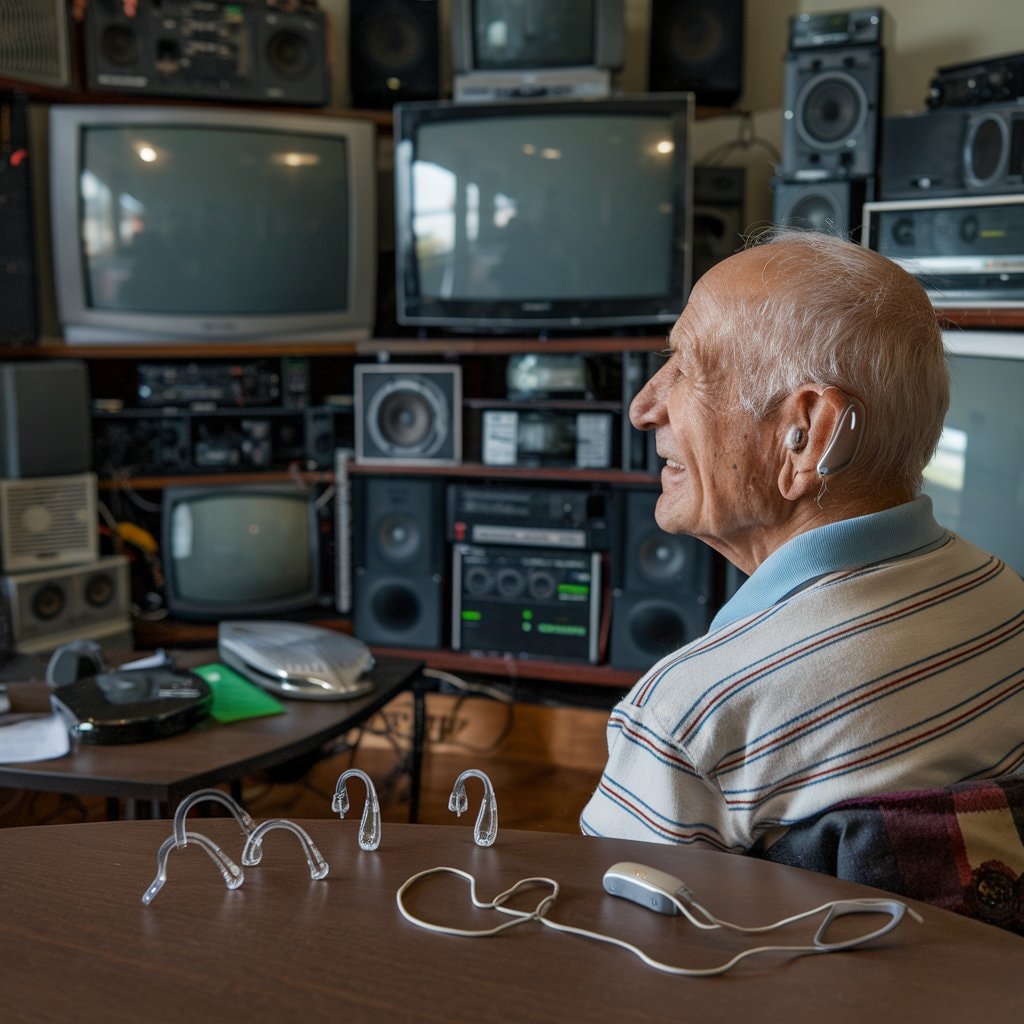
Elderly individuals have various hearing aid options to improve their quality of life. You can choose from in-the-ear (ITE), behind-the-ear (BTE), and completely-in-canal (CIC) models, depending on what feels most comfortable and suits your lifestyle best.
ITE aids fit within the outer ear and are quite visible, whereas BTE devices sit behind the middle ear, connecting to an earpiece. CIC aids are almost invisible, as they’re placed deeply within the ear canal.
The use of over-the-counter hearing aids has also become a game changer for adults with mild to moderate hearing loss. These devices offer a more accessible solution without needing a visit to an audiologist or hearing aid specialist.
They can significantly enhance interactions with other people by improving listening abilities in various settings. Making an informed decision involves taking factors like into account the extent of hearing loss, ease of use, and aesthetic preferences.
Understanding Different Types of Hearing Aids
Hearing aids come in various forms to meet the individual needs of adults with hearing loss. Some prefer in-the-ear (ITE) models for their discreetness, while others find behind-the-ear (BTE) devices more comfortable and practical.
If you’re considering a hearing aid, it’s also essential to know about completely-in-canal (CIC) options, which are nearly invisible and work well for mild to moderate hearing loss.
Each type has its pros and cons depending on the user’s lifestyle, degree of hearing impairment, and personal preferences.
For those requiring advanced features, digital hearing aids offer customisable settings that can adjust to different environments, enhancing the quality of life for elderly individuals significantly.
Over-the-counter (OTC) hearing aids provide an accessible option for many, but consulting with a hearing specialist ensures that you choose a device that correctly addresses your level of hearing loss.
In recent years, implantable hearing devices have become more common among users seeking long-term solutions to significant auditory challenges.
The Use of Over-the-Counter Hearing Aids
Over-the-counter (OTC) hearing aids offer a convenient potential solution for those with mild to moderate hearing loss. These devices allow you to purchase them without visiting an audiologist.
This means getting help becomes more accessible and faster for you or your elderly family members who might be hard of hearing. Studies show that early use of hearing aids can significantly enhance the quality of life for older adults, making social interactions more enjoyable and reducing feelings of isolation.
Using a hearing aid from an early stage can also be essential in preserving cognitive functions. For people aged 65 years and older, addressing hearing issues promptly helps prevent the risk associated with cognitive decline and dementia.
OTC hearing aids have become a game-changer by providing immediate access to auditory assistance, thereby supporting elders to lead a more engaged and connected lifestyle without the stigma often linked to traditional hearing aid use.
How Hearing Aid Use Improves Quality of Life
Users of hearing aids often note a considerable betterment in their quality of life. Such tools minimize the effects of hearing loss, making conversations and community involvement more straightforward for older people.
The enhanced hearing could lead to less frustration during interactions, culminating in more enjoyable personal or social life experiences. Research illustrates that hearing aid usage aids in combating feelings of loneliness by improving one’s capability for group activity involvement without strain.
Furthermore, the association between hearing aid usage and reduced cognitive decline risk is established. The advanced engagement and mental stimulation stemming from refined communication can safeguard older adults against dementia.
If you or your loved ones are experiencing severe hearing loss or difficulties, considering a hearing aid could mark a significant change not just in auditory clarity but also in achieving happiness and autonomy in daily life.
The upcoming focus will be on strategies for safeguarding your hearing.
How Can Older Adults Protect Their Hearing?
Older individuals can safeguard their auditory function by incorporating select strategies. One elemental approach is minimizing exposure to loud noises, which helps avert any additional auditory deterioration.
This strategy entails avoiding high-decibel areas and utilizing ear protection when required. Similarly, frequent auditory examinations are also crucial. They aid in keeping track of your auditory wellbeing and intercept any decline at the initial stages, facilitating timely intervention.
Adopting lifestyle alterations is another beneficial practice for preserving auditory health. For instance, assuring good cardiovascular health can have a positive effect on ear health, as conditions like hypertension can influence your auditory capacity.
Moreover, it’s essential to avoid ototoxic medications, which can damage the inner ear cells, leading to diminished or permanent hearing loss. Consultations with healthcare providers regarding the potential impact of drugs on hearing should be routine.
Strategies to Protect Your Hearing from Further Loss
Protecting your hearing from further loss is critical, especially as you or your loved one age. Implementing effective strategies can massively impact the quality of life for elderly individuals without hearing loss.
Limit exposure to loud noises: Avoid places with loud music or machinery noise. Use ear protection like earplugs if you can’t avoid noisy environments.
Keep the volume down: When using headphones, follow the 60/60 rule—listen at no more than 60% volume for no longer than 60 minutes a day.
Get regular hearing tests: Early detection of hearing loss increases the chances of preventing its progression. Schedule annual check-ups with an audiologist.
Maintain ear hygiene: Properly cleaning your ears prevents wax build-up, which can contribute to hearing loss.
Quit smoking: Studies link smoking to an increased risk of hearing loss due to reduced blood flow to the inner ear.
Stay active: Regular exercise enhances blood circulation, which is beneficial for ear health.
Manage chronic diseases: Diseases like diabetes and high blood pressure can affect your hearing if not appropriately controlled.
Use protective gear: In professions with constant noise exposure, always use earmuffs or noise-canceling headsets.
Follow a healthy diet: Nutrients like omega-3 fatty acids and vitamin B12 support ear health and may prevent age-related hearing loss.
Limit ototoxic medications: Some medications are known to be harmful to the auditory system; always discuss potential risks with your doctor.
Each strategy aims at preserving normal hearing function and enhancing the overall well-being of adults with mild to severe hearing impairments.
Importance of Regular Hearing Tests and Monitoring
Regular hearing tests and monitoring are vital for helping older adults preserve their quality of life. These regular checks can catch any decline in hearing early on, allowing for timely intervention.
A study of hearing showed that early detection could significantly mitigate the impact of hearing loss on daily activities. Hearing declines gradually, making it hard to notice changes without professional testing.
Hearing aid users benefit greatly from consistent monitoring as adjustments may be needed as their condition evolves or if any further loss occurs. This proactive approach ensures that any device is working optimally, enhancing the user’s ability to communicate and stay connected with others.
With regular check-ups, individuals can avoid missing out on essential updates or improvements in technology that could improve their condition. Regular tests also provide a platform for audiologists to offer advice on protecting against further loss, ensuring elderly individuals can enjoy conversations with loved ones and engage fully in community activities.
Lifestyle Changes to Prevent Hearing Problems
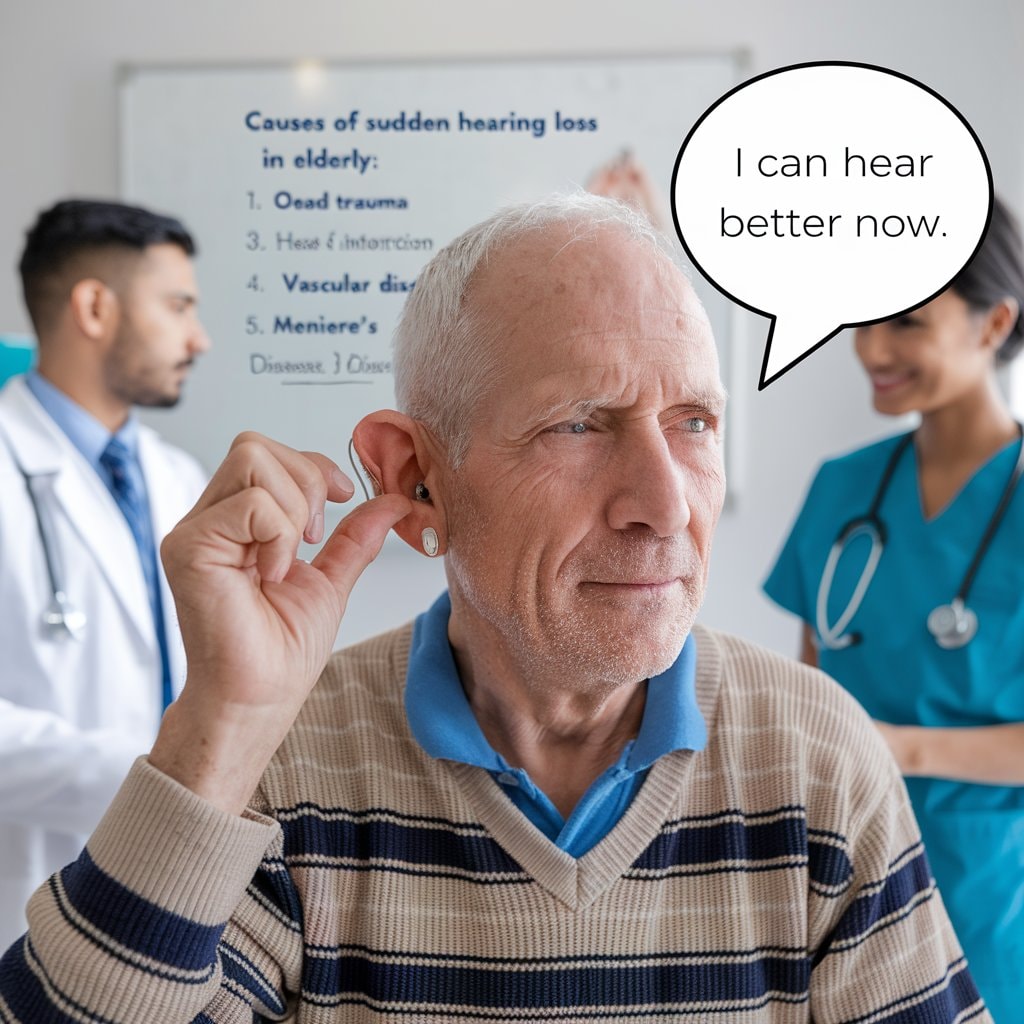
Implementing changes in the way of life is vital in warding off hearing problems, particularly as you or your elderly family members age. Minor alterations can have a substantial influence on life quality and minimize the risk associated with sensory deficiencies related to hearing loss.
Shield your auditory senses from loud noises by applying earplugs at music concerts, firework displays, or in high-noise work settings. Long-term exposure to loud sound primarily contributes to onset of hearing issues.
Manage the volume when enjoying music, watching shows, or using earphones. Specialists recommend upholding the volume at a maximum of 60% and incorporating regular intervals.
Stick to a balanced diet laden with vitamins and minerals that favor ear wellness—elements like magnesium, potassium, and zinc aid in preserving good auditory function.
Engage in physical activities periodically to stimulate proper blood circulation. Adequate blood flow is necessary for the upkeep of inner ear cells, promoting their health and appropriate activity.
Refrain from smoking and reduce alcohol intake, as these substances could compromise your hearing by altering blood vessels and circulation.
Regulate stress levels by incorporating relaxation practices such as meditation or yoga. Stress can impose strain on your nerves, thereby affecting your ears as well.
Schedule routine assessments with an audiologist if you’re vulnerable to risk elements for hearing loss or have detected any signs of hearing deterioration. Timely identification can significantly aid in effective control.
Remain aware of medicines that might lead to instant hearing loss as a side effect, and consider discussing alternatives with your healthcare provider where required.
These steps aid in safeguarding against progressive hearing loss and also refine the overall health conditions for seniors who are exploring care support services for themselves or their older family members.
Conclusion
Adopting lifestyle modifications to avoid auditory issues is a pivotal move in preserving the standard of life for senior citizens. Safeguarding their auditory function can markedly diminish their chances of experiencing social seclusion, cognitive reduction, and difficulties in communication—all intricacies closely associated with the auditory nerve deterioration.
You are instrumental in assisting your elderly family member or, should you be seeking services to aid your own care, comprehension of the prevalent sensory impairment and its myriad origins becomes crucial.
Liaising with experts for periodic auditory evaluations and implementing tactics like utilizing fitting hearing aids can notably enhance day-to-day lifestyle experiences. By keeping updated on the onset mechanisms of sudden hearing loss or age-associated hearing deterioration and acting promptly, you contribute to preserving both auditory and overall health.
Therefore, safeguarding from any further decline while elevating life quality is the prime concern within the scope of older adults’ hearing health care.
Check Our Latest Blog Posts
10 Early Signs Your Elderly Parent May Need Home Care Support
UTI in the Elderly: How to Spot It Early and How Home Care Helps
Vitamin B12 Foods for Older Adults: What to Eat and How Home Care Helps
Dental & Oral Care for the Elderly: Tips & Routines
Exercises for Arthritic Hands with Home Care
Memory Games for Seniors with Home Care Support
What Is Sundowning Dementia? Why People With Dementia Become More Agitated at Night
How Home Care Helps Reduce Loneliness After Bereavement
Hearing Aids for Elderly People: How Home Care Helps Day to Day