
Domiciliary Care Service in Walsall: Compassionate Support in the Comfort of Your Home
Understanding the Causes of Sudden Hearing Loss in Elderly Adults
Sudden Hearing Loss in Older Adults: Causes, Differences, and What to Do Next
Hearing loss in older people can come on suddenly, leaving you confused and worried. You might notice one day that your loved one is having trouble hearing things they used to hear easily.
This issue affects many older adults today. One of the leading causes of sudden hearing loss in older people is something we need to understand better.
A fact worth noting is that this type of hearing loss can affect either one or both ears unexpectedly. This blog will help you explore and understand causes of sudden hearing loss in the elderly, how it differs from age-related hearing decline, and what steps to take next with the help of trusted senior care services.
Keep reading for insights that help bring clarity.
What Are the Common Causes of Sudden Hearing Loss in Older Adults?
Moving on from the introduction, we now explore why sudden hearing loss may affect older adults. One primary reason is ear infections, which can cause sudden deafness if not treated quickly.
These infections lead to a build-up of fluid in the middle ear, pressing against the eardrum and blocking sound.
Another frequent cause is ear wax build-up. Over time, excessive wax can harden and block the ear canal, leading to loss of hearing in one or both ears. This condition is often easy to treat but Can cause considerable discomfort and a decrease in quality of life if left unattended.
Sudden sensorineural hearing loss affects 1 out of every 5,000 people annually. This condition, Which can occur due to damage in the inner ear or nerve issues, is often considered a medical emergency and requires immediate attention.
Inner ear disorders also play a critical role in causing sudden deafness among older individuals. Changes within the inner ear’s structures or damage to its cells can rapidly diminish one’s ability to hear.
In addition to hearing loss, other communication disorders such as tinnitus, balance problems, or difficulty processing speech may accompany sudden deafness. Additionally, neck surgery or trauma can sometimes affect the auditory system, leading to hearing complications.
Role of Ear Infections in Sudden Hearing Loss
Ear infections can play a significant role in causing sudden hearing loss, especially in older adults. These infections might lead to fluid build-up or inflammation in the middle ear, directly impacting your hearing abilities.
Often, people with hearing loss due to an infection notice a rapid decline in their ability to hear from one affected ear. The process is usually more abrupt than age-related hearing changes, making prompt treatment crucial.
Your chances of recovering normal hearing depend heavily on early diagnosis and dealing with the infection properly. Without timely intervention, an ear infection could lead to permanent damage within the inner structures of the ear.
If you begin noticing sudden changes in your hearing, it’s essential to see a specialist right away for evaluation and treatment. They’ll likely use audiometric tests along with your medical history and possibly imaging techniques to understand the cause of your hearing problem and tailor effective treatment options for you.
Impact of Ear Wax Build-up on Hearing
Ear wax build-up can significantly impact hearing, especially in older adults. This natural substance helps to protect the ear by trapping dust and small particles, preventing them from reaching the delicate inner parts.
However, too much ear wax can block sound waves from entering the ear effectively, leading to hearing loss. You may notice a gradual decrease in your ability to hear conversations or sounds that were once clear.
Getting rid of excessive ear wax is a simple way to improve hearing without needing advanced treatments like hearing aids or cochlear implants. Regular check-ups with a healthcare provider can assist in managing this condition before it leads to severe hearing problems.
They use safe methods to remove excess wax, restoring your ability to hear properly again. It’s vital for you or your elderly family member not to attempt removing ear wax with unsuitable items as it could cause more harm than good, potentially leading to permanent hearing loss or damage.
The Connection Between Inner Ear Disorders and Sudden Deafness
Moving away from the topic of ear wax build-up, let’s focus now on inner ear disorders and their role in causing sudden deafness. Inner ear disorders disrupt the normal functioning of the inner ear, leading to severe hearing loss in one or both ears without warning.
These disorders can arise from several factors, including viral infections, autoimmune diseases within the inner ear, or even genetic conditions that predispose individuals to such problems.
Sudden hearing loss occurs unexpectedly and requires immediate attention.
The cells of the inner ear play a crucial role in transmitting sound signals to the brain. Damage to these cells often results in sudden sensorineural hearing loss (SSNHL), also known as sudden deafness.
People experiencing SSNHL might notice rapid loss of hearing, typically in only one ear. It is essential for anyone noticing signs of sudden hearing loss to seek evaluation by a specialist promptly since early treatment can significantly influence recovery outcomes.
How Does Age-Related Hearing Loss Differ from Sudden Hearing Loss?
Age-related hearing loss develops gradually as you grow older, mainly due to changes in the inner ear. This type of hearing loss typically impacts both ears and tends to worsen over time.
It’s more likely if you’re exposed to loud noises throughout your life or have a family history of hearing problems. However, sudden hearing loss occurs when quickly, often in only one ear.
It can be caused by several factors including ear infections, damage to the inner ear, or blockages. Unlike age-related deafness which comes on slowly, you might notice sudden deafness after waking up one morning or it could develop over a few days.
Recognizing these differences is essential for pursuing the proper treatment and support for older adults with hearing loss. Now, let’s explore what types of hearing loss are most common in older people.
Understanding Age-Related Hearing Loss in Older Adults
Age-related hearing loss impacts numerous elderly adults, causing difficulties in apprehending the environment’s sounds. This hearing loss form takes place slowly due to alterations in the inner ear as we grow older.
You may realize it’s harder for you or your cherished ones to comprehend individuals when they communicate, especially amidst background noise. Age-related hearing loss can render conversations indistinct, leading some to amplify the volume on televisions and radios.
The inner ear mechanisms degrade over time, playing a significant part in this condition. Unlike the abrupt sensorineural hearing loss that might influence one ear, age-related hearing issues typically affect both ears equally.
It is essential for anyone noticing these symptoms to have their hearing assessed by a specialist. Early identification assists in handling the condition effectively through methods such as utilizing hearing aids and examining rehabilitation choices that enrich life quality.
Next, we’ll compare how sudden deafness varies from slow age-related adjustments.
Characteristics of Sudden Sensorineural Hearing Loss
Moving from understanding age-related hearing loss, it’s crucial to grasp the distinct characteristics of sudden sensorineural hearing loss (SSHL), often striking with little warning.
SSHL typically results in a rapid reduction of hearing, commonly in only one ear. This type of hearing loss can make conversations and everyday sounds seem distant or muffled, drastically changing your daily experience without prior indication.
People with sudden sensorineural hearing loss may notice their condition upon waking up.
Evaluation plays a pivotal role as immediate medical attention might restore some or all the lost hearing if treated promptly. Unlike gradual hearing decline associated with ageing, SSHL can occur over several hours to three days.
Many report a pop sound just before their hearing fades, adding to the urgency for quick evaluation and treatment. Causes vary widely but include viral infections, blood circulation issues affecting the inner ear, and trauma.
Recognizing these symptoms early can significantly improve outcomes for those experiencing this alarming condition.
What Types of Hearing Loss Are Most Common in the Elderly?
In the elderly, conductive hearing loss and sensorineural hearing loss are the types you might come across most often. Conductive hearing loss happens when sounds can’t Pass smoothly through the ear canal to the eardrum and bones of the middle ear.
This type could be due to ear infections, blockages or malformation of ear structures. On the other hand, sensorineural hearing loss is more likely as people age. It Involves harm to the inner ear or auditory nerve, often resulting from exposure to loud noises over time, ageing itself, or disorders that impact hearing.
People with sensorineural hearing loss may struggle with understanding speech clearly, especially in noisy environments. This condition is usually permanent but can sometimes improve with therapy like wearing hearing aids or getting cochlear implants for severe cases.
Knowing these common causes helps in seeking early evaluation of hearing loss and finding effective treatment options for sudden or gradual changes in one’s ability to hear.

Exploring Conductive Hearing Loss in Older Adults
Conductive hearing loss affects many older adults and occurs when sound cannot efficiently pass through the outer ear to the inner parts of the ear. This type of hearing loss might result from an Build-up of earwax or fluid in the middle ear, or even because of abnormal bone growth.
It changes how loud sounds are heard and can make soft sounds challenging to pick up. The good news is that it’s often treatable with medical intervention or minor procedures. For instance, clearing a wax blockage can restore hearing levels significantly.
Identifying sensorineural hearing loss and its causes involves looking at different factors that contribute to this condition in elderly individuals.
Identifying Sensorineural Hearing Loss and Its Causes
Sensorineural hearing loss is a common type of deafness in older people, affecting the inner ear or auditory nerve. Damage to hair cells in the cochlea, often Resulting from ageing or extended exposure to loud noise, leads to this condition.
Ageing can cause wear and tear on these cells over time. Likewise, people with repeated exposure to high decibel levels may develop noise-induced hearing loss.
Losing your hearing doesn’t mean losing your zest for life.
Other causes include diseases such as Meniere’s disease, disorders of the inner ear like labyrinthitis, and genetic predispositions. Sometimes, sudden sensorineural hearing loss happens with no known cause but might be linked to viral infections or circulatory problems within the ear.
Identifying the specific cause is crucial for effective treatment and management strategies moving forward into evaluations and treatments for sudden deafness in older adults.
How Can Sudden Deafness Be Evaluated in Older Adults?
Assessing abrupt hearing loss in older adults unfolds through several necessary steps. Audiometric examinations play a paramount role in estimating hearing levels to discern the severity and nature of hearing loss.
These assessments assist experts in determining if you’re experiencing sudden sensorineural hearing loss or a different kind. Your medical background provides valuable knowledge, guiding experts to pinpoint possible origins of your hearing loss that could be linked to previous health complications or noise exposure.
Imaging methods like MRI scans are also employed for a precise diagnosis, visualizing structures in your inner ear and revealing any irregularities that may induce hearing loss.
Experts adopt these techniques to comprehend the root of your hearing loss and direct them to efficacious treatment alternatives. They could propose methodologies like hearing aids or cochlear implants if they detect extreme damage.
This method assures you that you will receive individualized care suited to your particular requirements, intended to improve your lifestyle despite the difficulties of abrupt deafness.
The Role of Audiometric Tests in Diagnosing Sudden Hearing Loss
Audiometric tests play a crucial role in diagnosing sudden hearing loss, especially when you or your loved one experiences it. Doctors use these tests to measure how well someone can hear differing volumes and pitches of sounds.
The process helps pinpoint the cause of hearing loss, whether it’s due to an issue within the inner ear or other factors contributing to the condition. With precise diagnosis comes effective treatment.
Understanding the results from audiometric testing is critical for deciding on the next steps in managing sudden deafness. This may involve prescribing medication, suggesting using hearing aids and cochlear implants or exploring other treatments available for sudden hearing loss.
Early diagnosis through audiometric tests can significantly improve outcomes by addressing the root cause promptly and efficiently, ensuring that individuals receive the proper care at the right time.
Importance of Medical History in Evaluating Hearing Loss
Understanding your medical history plays a crucial role in evaluating hearing loss. Doctors consider past illnesses, medication use, and family health history to pinpoint the cause of your hearing loss.
This approach helps identify if your condition stems from genetic factors, medication side effects, or diseases Such as diabetes, which may contribute to hearing loss. Knowing these details ensures that you receive the most effective treatment for sudden or gradual hearing loss.
For instance, if someone experiences sudden hearing loss in one ear without an obvious trigger, their medical history might reveal exposure to loud noises or a recent viral infection, which could be the underlying cause.
This comprehensive evaluation facilitates personalized care plans that focus on both the symptoms and the underlying causes, such as developing hearing loss. Hence, always share complete and accurate health information with your healthcare provider to enhance diagnosis and management of hearing conditions.
Use of Imaging Techniques for Accurate Diagnosis
Imaging techniques have dramatically improved the accuracy of diagnosing hearing loss in the elderly. These methods allow doctors to see inside the ear and brain, which is vital for pinpointing the exact cause of hearing loss.
-
MRI scans help identify brain abnormalities that could cause hearing loss. They show detailed images of the brain’s structures, enabling doctors to spot any issues affecting hearing.
-
CT scans are used to get a closer look at the bones and soft tissues in the ear. They can reveal problems such as fractures or infections that might lead to sudden deafness.
-
Ultrasounds measure blood flow in the ear, which is essential for detecting vascular conditions contributing to hearing loss.
-
PET scans provide insights into how well different parts of your ear and brain are working together. This information is crucial when looking for signs of degenerative diseases that may impact hearing.
-
Bone density scanning helps assess the health of bones in your middle ear. It’s helpful in diagnosing otosclerosis, a condition that can lead to hearing loss.
Each imaging technique offers a unique view into the inner workings of your ear and brain, providing valuable information for making an accurate diagnosis. With these tools, specialists can tailor treatment plans That target your specific type of hearing loss, helping you manage or improve your condition more effectively.
What Can Be Done to Treat Sudden Hearing Loss in the Elderly?
Treating sudden hearing loss in older people starts with a quick visit to a hearing specialist. They might suggest audiometric tests to measure hearing and pinpoint the issue. Once they understand the cause, treatment can range from simple solutions like removing ear wax build-up to more complex treatments such as prescribing medication for an underlying condition.
For some, wearing hearing aids or considering cochlear implants may also restore lost hearing.
Support doesn’t stop at medical intervention; rehabilitation plays a crucial role, too. Older adults coping with hearing loss may benefit from exceptional training to use their remaining hearing effectively or learn lip reading skills.
Ensuring your loved one has access to these resources can make all the difference, helping them stay connected and engaged with the world around them.
Effective Treatment for Sudden Hearing Loss
Doctors frequently recommend steroids as a common remedy for sudden hearing loss. These medications serve to decrease swelling and inflammation in the ear, contributing to regaining your aural senses.
Initiating this treatment promptly, typically within a fortnight of discerning hearing loss, enhances the likelihood of recovery.
For some individuals experiencing severe hearing loss, technologies like hearing aids or cochlear implants may provide substantial assistance. Hearing aids boost sounds, simplifying the task of comprehending discussions and surrounding noises.
Cochlear implants take it further by directly triggering the auditory nerve, giving the essence of sound to persons with significant harm to the inner ear elements. It’s vital to have these options discussed with an audiologist in order to discover the most suitable option considering particular requirements and lifestyles.
After addressing medical treatments, the journey proceeds to examine rehabilitation and support.
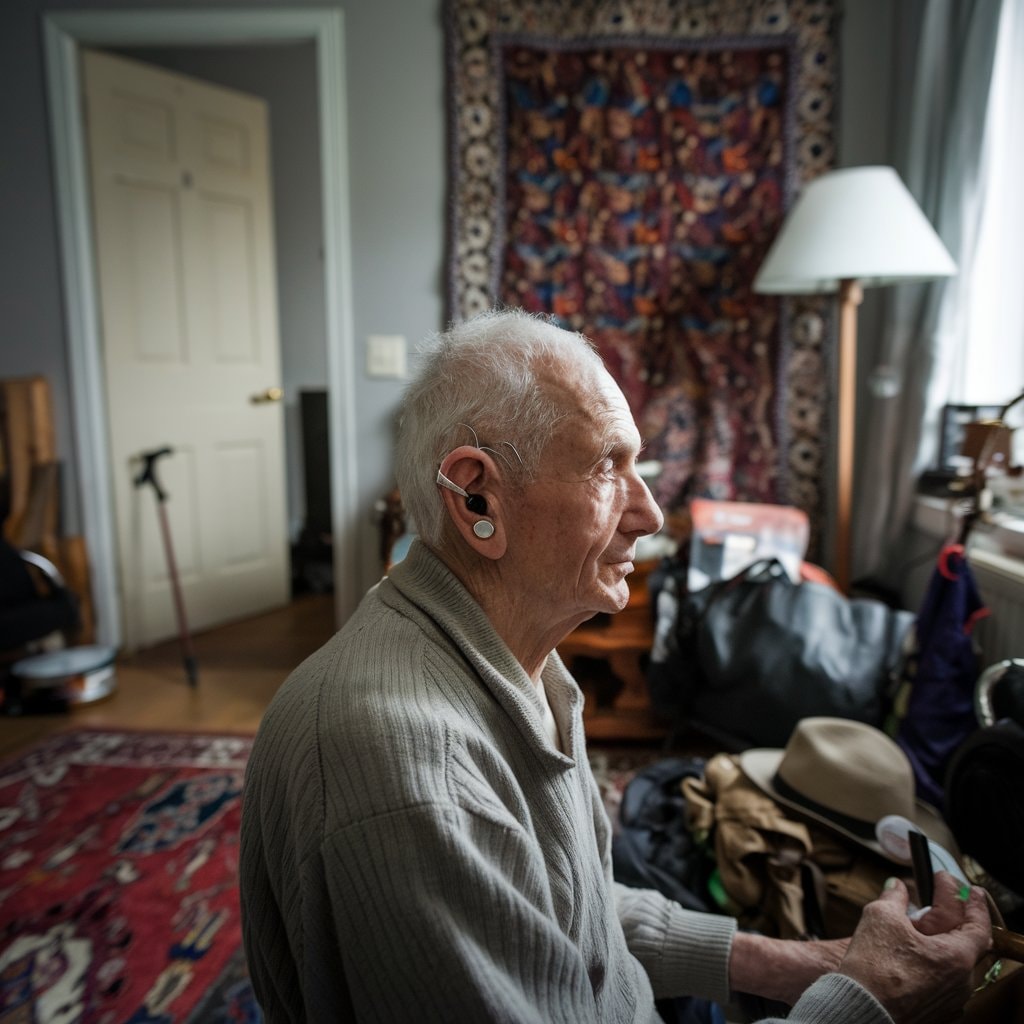
Options for Hearing Aids and Cochlear Implants
After exploring effective treatment for sudden hearing loss, let’s consider the options available in terms of hearing aids and cochlear implants. These devices play a crucial role in improving daily communication for people with profound hearing loss.
Hearing aids amplify sound, making it easier for you to catch conversations and other important sounds. They are intended for individuals with mild to moderate hearing loss.
Digital hearing aids come with features that can reduce background noise. This technology helps you focus on what you want to hear.
Some models have connectivity options, allowing them to link with smartphones or televisions directly. This feature makes enjoying music or shows much simpler.
Cochlear implants are an option for severe or profound sensorineural hearing loss, often when hearing aids offer little benefit.
Implants work by bypassing the damaged parts of the ear and directly stimulating the auditory nerve.
You might undergo an assessment that includes audiometric tests to determine if you’re a candidate for cochlear implants.
The surgery involves placing a small device under your skin and another part behind your ear; it’s a significant step but can profoundly change how you experience sound.
After getting a cochlear implant, rehabilitation is vital to help you adapt to interpreting the sounds the device provides.
Support groups and rehabilitation programs can play an essential part in adjusting to life with cochlear implants or new hearing aids.
Each option has its unique benefits, designed to cater to various levels of hearing loss, from mild to severe to profound severity. With advancements in technology, these devices constantly improve, offering more features that enhance the listening experience for users.
Rehabilitation and Support for Older Adults with Hearing Loss
Exploring options for hearing aids and cochlear implants opens the door to improved communication. Yet, rehabilitation and support play crucial roles in adapting to life with hearing loss.
Start with a comprehensive hearing assessment to understand the specific needs. This often involves audiometric tests that detail the extent of hearing damage.
Follow up with specialist training for hearing aid or cochlear implant users. This helps individuals get accustomed to their new way of listening and interpreting sounds.
Encourage participation in speech therapy sessions. These are vital for improving communication skills, especially if the hearing loss is severe.
Introduce lip-reading classes as an effective tool for understanding conversations without solely relying on auditory cues.
Make use of assistive listening devices (ALDs) beyond just hearing aids. Devices like amplified phones can significantly ease daily living.
Seek out local support groups for people with hearing loss. Exchanging experiences and tips can be very reassuring and helpful.
Emphasize the importance of regular check-ups to monitor any changes in hearing levels and ensure that any equipment is functioning optimally.
Explore noise-related hearing protection strategies to help prevent further hearing damage, especially in noisy environments.
Rehabilitation requires patience and commitment but leads to a marked improvement in quality of life for older adults facing sudden deafness or long-term hearing loss, who feel less isolated and more engaged with their community and loved ones.
Conclusion
Moving from the critical aspects of rehabilitation and support, dealing with sudden hearing loss in elderly adults asks for immediate action. You are now aware of how ear infections, earwax build-up, and inner ear disorders can culminate in sudden deafness.
Identifying these reasons promptly aids in halting further loss. Age-related hearing loss significantly varies from sudden sensorineural hearing loss, each type needing a unique method for diagnosis and treatment.
Taking the challenge directly involves having your hearing checked immediately if you observe hearing loss in one ear or both. Audiometric tests hold a vital role in diagnosing sudden hearing loss effectively.
Medical past evaluation and imaging techniques are also crucial for a correct diagnosis. Thankfully, options like hearing aids and cochlear implants provide hope for those affected.
Keeping in mind that individuals with hearing loss may also find immense assistance through specialized care services can create a major difference in successfully managing their condition.
Check Our Latest Blog Posts
10 Early Signs Your Elderly Parent May Need Home Care Support
UTI in the Elderly: How to Spot It Early and How Home Care Helps
Vitamin B12 Foods for Older Adults: What to Eat and How Home Care Helps
Dental & Oral Care for the Elderly: Tips & Routines
Exercises for Arthritic Hands with Home Care
Memory Games for Seniors with Home Care Support
What Is Sundowning Dementia? Why People With Dementia Become More Agitated at Night
How Home Care Helps Reduce Loneliness After Bereavement
Hearing Aids for Elderly People: How Home Care Helps Day to Day