
UTI in the Elderly: How to Spot It Early and How Home Care Helps
How to Involve the Whole Family in Elderly Homecare
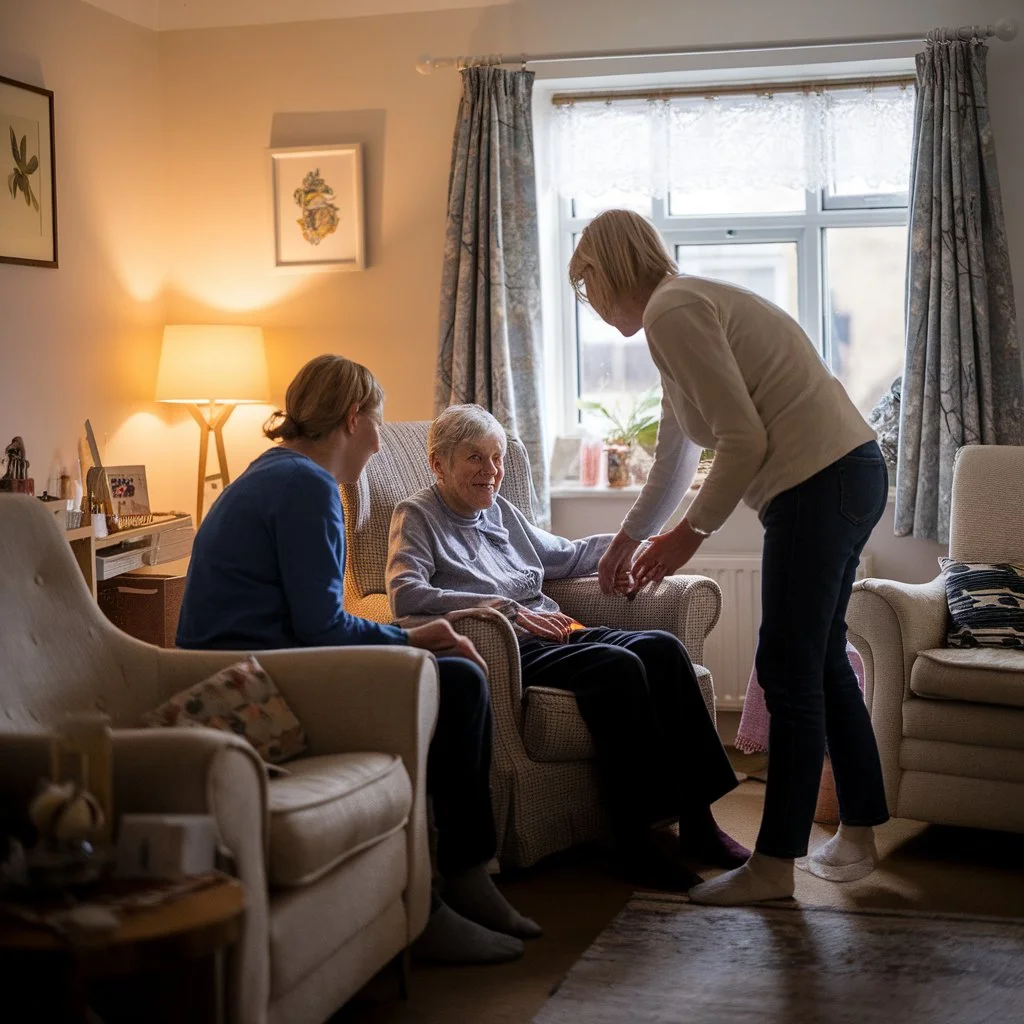
Family involvement in elderly homecare plays a vital role in creating a supportive, reassuring environment for older adults who wish to remain at home. When care is shared, it often feels more natural, balanced, and emotionally secure for everyone involved. Many UK families find that combining professional home care support with active family participation improves communication, continuity, and peace of mind. It also helps loved ones feel valued rather than dependent. Understanding how families can work together alongside trusted home care services makes a meaningful difference to comfort, independence, and long term wellbeing at home.
Why Family Involvement Matters in Elderly Homecare
Family involvement in elderly homecare brings familiarity, emotional connection, and trust into daily support. Older adults often feel more comfortable when relatives are actively involved in decisions and routines. It reassures them that care is a shared effort rather than a loss of independence. Families also gain better insight into changing needs, preferences, and wellbeing. Many clients notice that regular family participation improves mood, reduces anxiety, and strengthens confidence. Combined with professional carers, this approach creates a stable care environment that supports dignity while meeting UK care standards safely and compassionately.
Understanding Family Roles in Home Based Care
Clear family roles in elderly care at home help prevent confusion and unnecessary stress. Some relatives may handle appointments or schedules, while others focus on companionship or daily check-ins. Defining responsibilities allows care to feel organised rather than overwhelming. Supporting elderly parents as a family means recognising strengths and availability, not expecting one person to manage everything. This shared approach encourages consistency and reliability. It also allows professional carers to work more effectively alongside families, ensuring support remains coordinated, respectful, and responsive to changing needs over time.

Communicating Effectively Between Family and Carers
Strong communication between families and carers is essential for high quality home care. Regular updates help everyone stay informed about wellbeing, routines, and any concerns. Families often feel reassured knowing carers understand personal preferences and family expectations. Open communication also supports smoother care planning and quicker responses to change. Coordinating family care for seniors works best when information is shared calmly and consistently. This partnership approach builds trust, reduces misunderstandings, and ensures elderly homecare family support feels seamless rather than fragmented.
Creating a Shared Care Plan That Works for Everyone
A shared care plan brings families and carers together with a clear focus on the older person’s needs and wishes. Collaborative home care planning ensures routines, preferences, and responsibilities are agreed early, including suitable activities for seniors with limited mobility that keep daily life engaging without physical strain. This approach supports independence while maintaining safety and structure. Many families find that shared plans reduce tension and prevent last minute decisions. With regular reviews, care plans remain flexible and effective as circumstances change, offering stability for everyone involved.
Balancing Family Life and Care Responsibilities
Balancing family life and caregiving duties can be challenging without the right support. Family participation in elderly care should feel sustainable, not exhausting. Sharing responsibilities and using professional support helps prevent burnout and emotional strain. Respite care allows families to step back when needed while maintaining continuity of care. Many families find that involving trusted carers gives them time to rest, focus on relationships, and return to caregiving with renewed energy. This balance protects wellbeing for carers and supports long term care success.
How Professional Home Care Strengthens Family Support
Professional home care enhances family involvement rather than replacing it. Trained carers provide structure, expertise, and reassurance, including home care support for chronic pain, while families remain emotionally connected. Elderly homecare family support works best when carers and relatives operate as a team. Carers handle complex or time sensitive tasks, allowing families to focus on meaningful interaction and decision making. This teamwork supports dignity, compliance with UK care regulations, and consistent quality. Families often feel more confident knowing care is reliable, monitored, and tailored to real needs at home.
Taking the Next Step Towards Collaborative Home Care
Involving the whole family in elderly homecare creates a stronger, more supportive experience for older adults and their loved ones. Shared responsibility, clear communication, and professional guidance help families protect independence, wellbeing, and peace of mind. When care is delivered collaboratively, it feels more personal and sustainable. Vitality Care and Support Services works closely with families to design flexible care solutions that fit real lives. Book your consultation today to explore personalised home care that supports comfort, independence, and confidence at home.
Check Our Latest Blog Posts
Vitamin B12 Foods for Older Adults: What to Eat and How Home Care Helps
Dental & Oral Care for the Elderly: Tips & Routines
Exercises for Arthritic Hands with Home Care
Memory Games for Seniors with Home Care Support
What Is Sundowning Dementia? Why People With Dementia Become More Agitated at Night
How Home Care Helps Reduce Loneliness After Bereavement
Hearing Aids for Elderly People: How Home Care Helps Day to Day
Senior Stretching Exercises: 5 Simple Bed Stretches to Start the Day
Heatwave Safety: How to Keep Elderly Parents Safe in Hot Weather