
UTI in the Elderly: How to Spot It Early and How Home Care Helps
Low-Energy Social Activities for Homebound Seniors with Limited Mobility
When older adults become homebound due to limited mobility, daily life can slowly feel repetitive and isolating. Families often worry that fewer outings mean fewer opportunities for enjoyment or social connection. In reality, low-energy activities for homebound seniors play a vital role in maintaining emotional wellbeing, confidence, and quality of life at home. With the right approach, older adults can stay mentally active, socially connected, and emotionally fulfilled without physical strain. Many families exploring personalised home care or companionship support are surprised by how meaningful simple activities can be. With guidance from Vitality Care and Support Services, tailored support helps seniors remain engaged in familiar surroundings while easing pressure on family carers and supporting independence at home.
Why Low-Energy Social Activities Matter for Homebound Seniors
Limited mobility often affects more than physical movement. Over time, reduced activity can lead to boredom, loneliness, and a decline in confidence. Gentle social activities for seniors help maintain routine and purpose, which are especially important for emotional health. Many older adults feel more positive when they have something to look forward to each day, even if it is simple. Low-energy engagement supports mental stimulation, encourages conversation, and helps older people feel valued. Families frequently notice improved mood and cooperation when meaningful activities are part of daily care. Small, consistent moments of connection often make a noticeable difference to overall wellbeing.
One to One Activities That Build Connection and Trust
One to one activities for homebound elderly individuals offer personal attention without physical demand. These moments allow carers or family members to focus entirely on the person’s interests and pace. Conversation based activities, reading together, listening to music, or working through a puzzle can feel comforting and familiar. For many seniors, reminiscence activities spark memories and encourage storytelling, strengthening emotional bonds. This type of social interaction is especially beneficial for those living with dementia or anxiety, as familiarity and calm routines help reduce distress and increase engagement throughout the day.
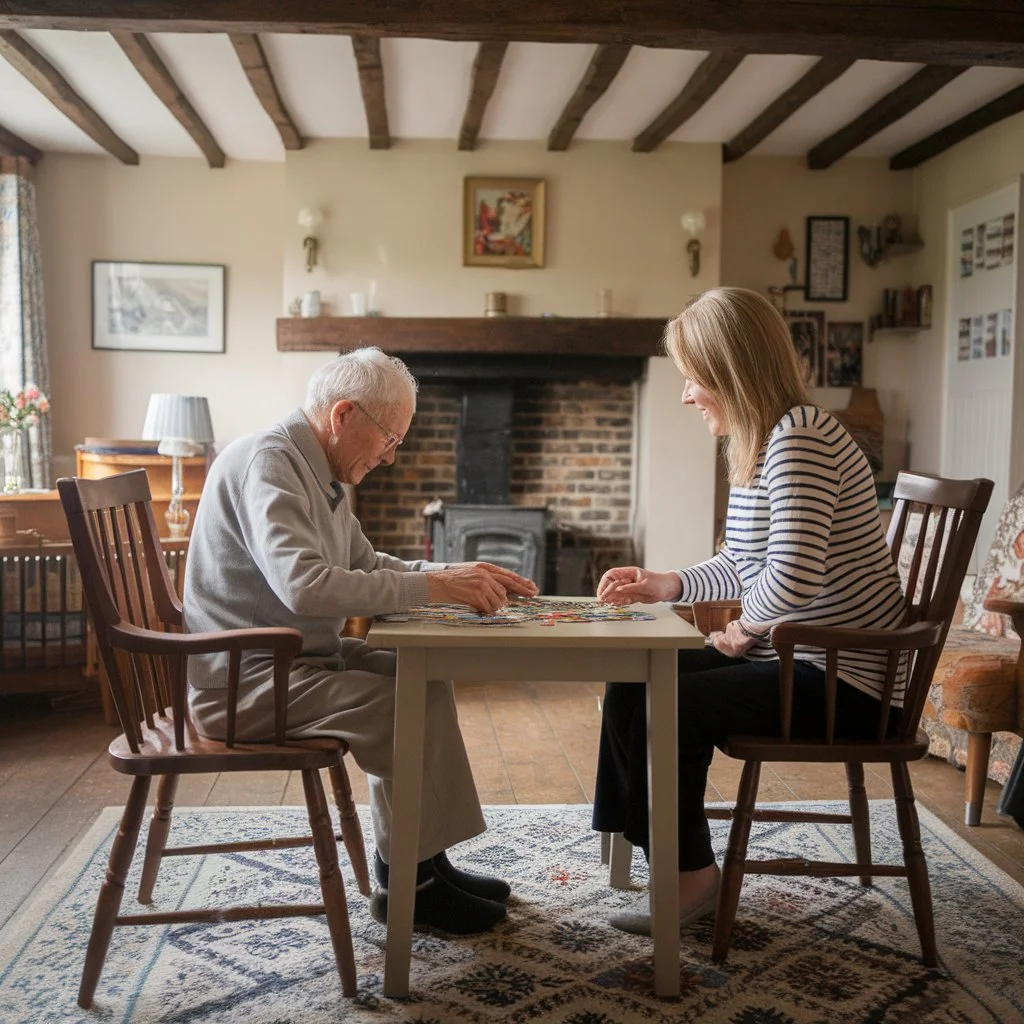
Gentle Indoor Activities That Keep the Mind Active
Indoor activities for elderly people with mobility issues do not need to be complex to be effective. Cognitive stimulation for homebound older adults may include word games, simple quizzes, sorting activities, or guided discussions around news or favourite topics. Sensory activities for seniors with limited movement, such as handling textured items or enjoying familiar scents, can be calming and grounding. These gentle indoor activities help maintain concentration and curiosity without causing fatigue. Families often find that mental engagement improves confidence and encourages communication, even when physical activity is limited.
Social Interaction That Reduces Loneliness at Home
Social activities for homebound seniors do not always involve groups. Meaningful companionship activities at home, such as shared meals, watching familiar programmes together, or scheduled conversations, help reduce feelings of isolation. Social engagement for housebound seniors builds emotional reassurance and maintains a sense of belonging. Even brief but regular interaction can prevent withdrawal and loneliness. Older adults who feel socially supported often experience better emotional stability. These moments of connection remind seniors that they are not alone and that their presence and opinions still matter.
Calming Activities That Support Emotional Wellbeing
Calming activities for seniors with limited mobility can help manage anxiety and restlessness. Gentle routines such as listening to music, guided breathing, hand massage, or quiet creative tasks promote relaxation. Emotional wellbeing activities for elderly people focus on comfort and reassurance rather than productivity. These activities are particularly helpful during periods of discomfort or low mood. A calm environment supported by familiar carers encourages trust and emotional safety, helping older adults feel secure and supported throughout the day.
How Home Care Supports Engagement and Family Balance
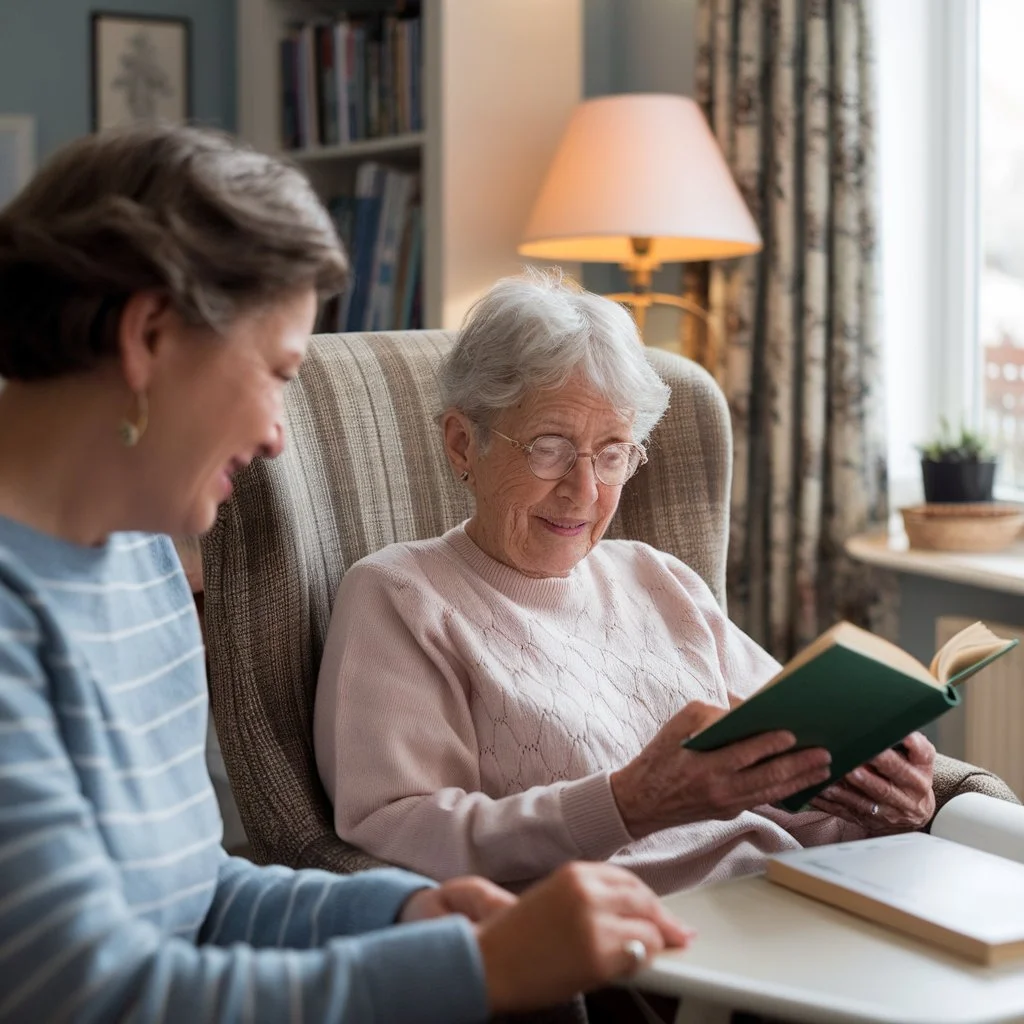
Professional home care plays a valuable role in keeping homebound seniors engaged while supporting family carers. Trained carers understand how to adapt activities to individual energy levels and interests. Home care also helps families balance responsibilities by sharing emotional and practical support, which can reduce caregiver stress and burnout in families over time. Companionship visits, structured routines, and personalised activities reduce pressure on relatives while ensuring older adults receive consistent social interaction. This approach improves quality of life for seniors and reassures families that their loved one’s wellbeing is supported with dignity and care at home.
Helping Your Loved One Stay Engaged and Comfortable at Home
Supporting a homebound loved one does not require high energy or constant stimulation. Thoughtfully chosen low-energy activities help older adults feel connected, valued, and emotionally supported while also strengthening supporting elderly parents as a family. With personalised routines, gentle engagement, and professional support, seniors can enjoy meaningful days at home despite limited mobility. If you are seeking guidance on companionship, personalised care, or flexible home care solutions, Vitality Care and Support Services is here to help. Book your consultation today to explore tailored care that supports comfort, independence, and quality of life at home.
Check Our Latest Blog Posts
Vitamin B12 Foods for Older Adults: What to Eat and How Home Care Helps
Dental & Oral Care for the Elderly: Tips & Routines
Exercises for Arthritic Hands with Home Care
Memory Games for Seniors with Home Care Support
What Is Sundowning Dementia? Why People With Dementia Become More Agitated at Night
How Home Care Helps Reduce Loneliness After Bereavement
Hearing Aids for Elderly People: How Home Care Helps Day to Day
Senior Stretching Exercises: 5 Simple Bed Stretches to Start the Day
Heatwave Safety: How to Keep Elderly Parents Safe in Hot Weather