
UTI in the Elderly: How to Spot It Early and How Home Care Helps
The Role of Protein in Maintaining Muscle Strength as You Age
Maintaining muscle strength becomes increasingly vital as people grow older, yet many families in the UK find it challenging to ensure loved ones receive the balanced nutrition they need. Protein is central to staying active and independent, providing the building blocks essential for muscle growth and repair. When neglected, muscle loss can lead to difficulties performing everyday tasks and a rise in falls or injuries.
It’s reassuring to know that with the proper care and guidance—emphasising quality protein intake and supportive daily routines—older adults can enjoy a better quality of life. In this article, we explore how protein helps ageing muscles stay strong, share practical ways to meet protein requirements, and highlight how professional support can enhance overall wellbeing and security at home.
Why Protein Matters for Older Adults
Protein supports muscle maintenance by supplying the amino acids needed for growth and recovery, helping prevent the natural decline in strength that often accompanies ageing. In the UK, many families worry about how to improve muscle strength in the elderly while juggling broader health and lifestyle concerns. Significant research points to the importance of protein for seniors living at home, especially those with mobility or health challenges, ensuring they retain independence and reduce the risk of falls or injuries. Vitamin D and bone health should also be considered, as they play a crucial role in supporting muscle function and skeletal stability.
Finding the Right Amount of Protein for Muscle Strength
Protein requirements can vary based on an individual’s weight, overall health, and activity level. In general, dietitians often recommend higher protein consumption for older adults than the standard adult requirement, typically advising a daily protein intake of around 1.0–1.2 grams per kilogram of body weight. Combining sufficient protein for muscle strength with gentle strength training or regular activities like walking can further boost muscle protein synthesis, minimising muscle breakdown and enhancing flexibility in daily tasks.
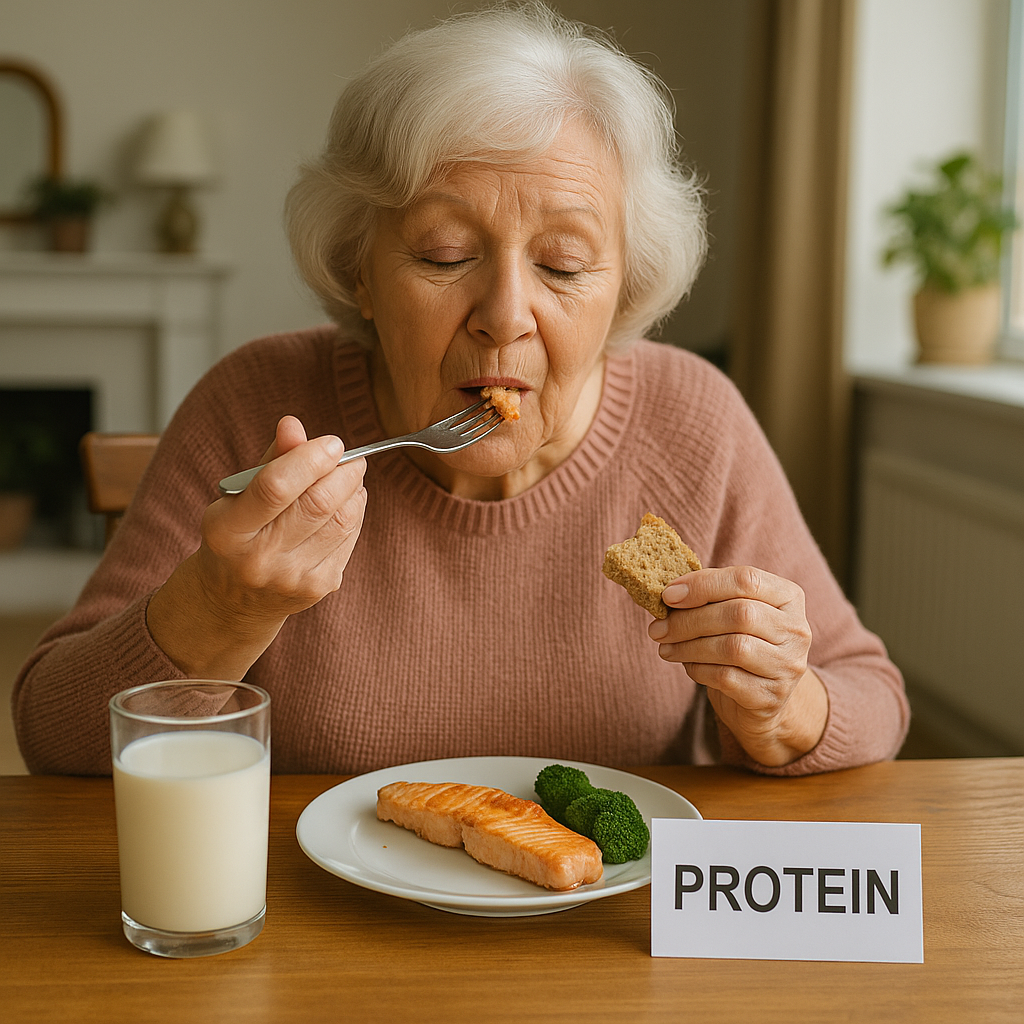
High-Quality Protein Sources
Not all protein sources offer the same benefits. High-protein foods such as lean meats, fish, eggs, low-fat dairy, beans, and lentils provide a valuable array of amino acids to support muscle growth. Some older adults also consider protein shakes or dietary supplements for added convenience, though natural food sources remain a great first choice due to their balanced nutrient profiles. When selecting items for a senior’s meal plan, prioritising variety can encourage better protein absorption and help meet all-around nutritional needs.
Balancing Exercise and Protein Intake
Simply raising protein consumption alone may not maximise outcomes unless it is combined with physical activity. Light strength training, guided exercise programmes, or safe home activities like gardening can stimulate muscle maintenance and tone. By integrating consistent protein timing—for example, dividing intake evenly across meals—older adults can support better post-workout nutrition and reduce the risk of muscle fatigue. This balance is beneficial for individuals seeking practical methods on how to maintain muscle mass in old age without overwhelming daily schedules.
Addressing Common Concerns
Families sometimes worry about excessive protein consumption and the strain it may place on ageing bodies. In truth, moderate increases in line with recommended guidelines are typically safe for seniors in good health. However, those with specific medical conditions—such as kidney or heart issues—should seek professional advice on protein sources and supplements. This ensures dietary protein intake aligns with personalised care plans and complies with UK safety and regulatory requirements, giving older adults and their families added peace of mind.

How Vitality Care and Support Services Can Help
Home care professionals at Vitality Care and Support Services understand the importance of holistic support when helping older adults preserve muscle mass and physical strength. They can coordinate with dietitians, create meal plans featuring high-protein foods, and help individuals meet their daily protein needs without compromising personal tastes or health concerns. Whether providing dementia support, personal care, or companionship, the team ensures all guidelines are followed, so families can rest assured that their loved one receives comprehensive assistance— from meal preparation to safe exercise strategies.
Conclusion
Looking after muscle strength through proper protein intake, gentle exercise, and tailored support can significantly improve an older person’s ability to manage everyday tasks. With the right approach, seniors maintain independence, reduce risks of falls, and enjoy a greater sense of wellbeing.
Vitality Care and Support Services recognises that staying physically strong goes hand-in-hand with emotional and social comfort. By offering personalised care packages, they keep older adults engaged, well-nourished, and confident. To learn more about how professional home care can transform daily life, consider contacting Vitality Care and Support Services today.
Check Our Latest Blog Posts
Vitamin B12 Foods for Older Adults: What to Eat and How Home Care Helps
Dental & Oral Care for the Elderly: Tips & Routines
Exercises for Arthritic Hands with Home Care
Memory Games for Seniors with Home Care Support
What Is Sundowning Dementia? Why People With Dementia Become More Agitated at Night
How Home Care Helps Reduce Loneliness After Bereavement
Hearing Aids for Elderly People: How Home Care Helps Day to Day
Senior Stretching Exercises: 5 Simple Bed Stretches to Start the Day
Heatwave Safety: How to Keep Elderly Parents Safe in Hot Weather