UTI in the Elderly: How to Spot It Early and How Home Care Helps
Vitamin D and Bone Health: Why Sunshine Still Matters for Seniors
Many older adults in the UK wonder why they feel more fragile as they age, especially if day-to-day activities become tougher or bone fractures seem more likely. A crucial factor is vitamin D and its direct impact on bone health. While staying indoors offers comfort, a robust combination of sun exposure, balanced diets, and proper supplementation often holds the key to avoiding bone density issues or frailty. Families juggling responsibilities also worry about providing the right kind of support—ensuring their loved ones eat well, remain active, and stay safe. By understanding how vitamin D works with calcium, and how professional home care services can assist with daily routines, older adults can enjoy greater resilience, maintain independence, and continue to thrive in familiar surroundings.
Understanding the Role of Vitamin D
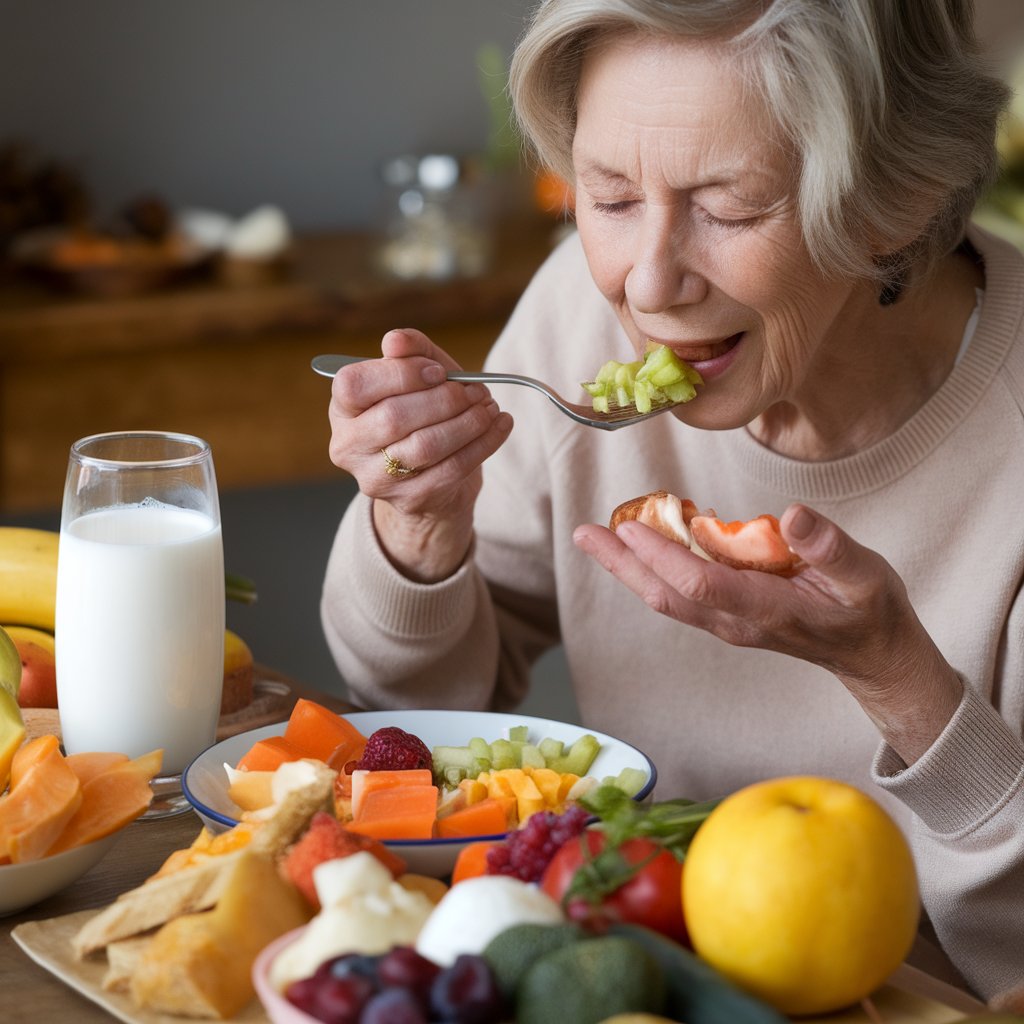
Often called the “sunshine vitamin”, vitamin D is essential because it supports the body’s absorption of calcium, strengthening bone density and muscle function. In older adults, sufficient levels reduce the risk of bone deformities and help limit falls or fractures. For seniors who spend less time outdoors, choosing the right dietary sources—like oily fish, egg yolks, and fortified foods—becomes incredibly important for maintaining or improving bone strength. When combined with adequate protein for muscles, this supports mobility and balance.
Early and Later Life: Building a Strong Foundation
Vitamin D and Bone Health in Early Life
Caring for our bones starts well before older age. In early life, children benefit from vitamin D to promote healthy development, preventing potential problems such as rickets or weakened muscle function. While this might seem far removed from a senior’s perspective, establishing strong bones early lays the groundwork for a sturdier structure later. Parents who ensure their children’s calcium-rich foods, safe sun exposure, and balanced diets ultimately safeguard their offspring’s future bone health.
Vitamin D and Bone Health in the Elderly
For older adults, bone density can decline naturally, placing them at higher risk of fractures. Limited sun exposure and diets lacking vitamin D can accelerate this process, causing difficulties in moving about safely. Incorporating the right daily supplement and adjusting meal plans to include fortified breakfast cereals, red meat, or oily fish can alleviate such concerns. Vitality Care and Support Services often work alongside families to tailor meals and activities that sustain seniors’ comfort and independence.
Benefits of Sunlight for Seniors
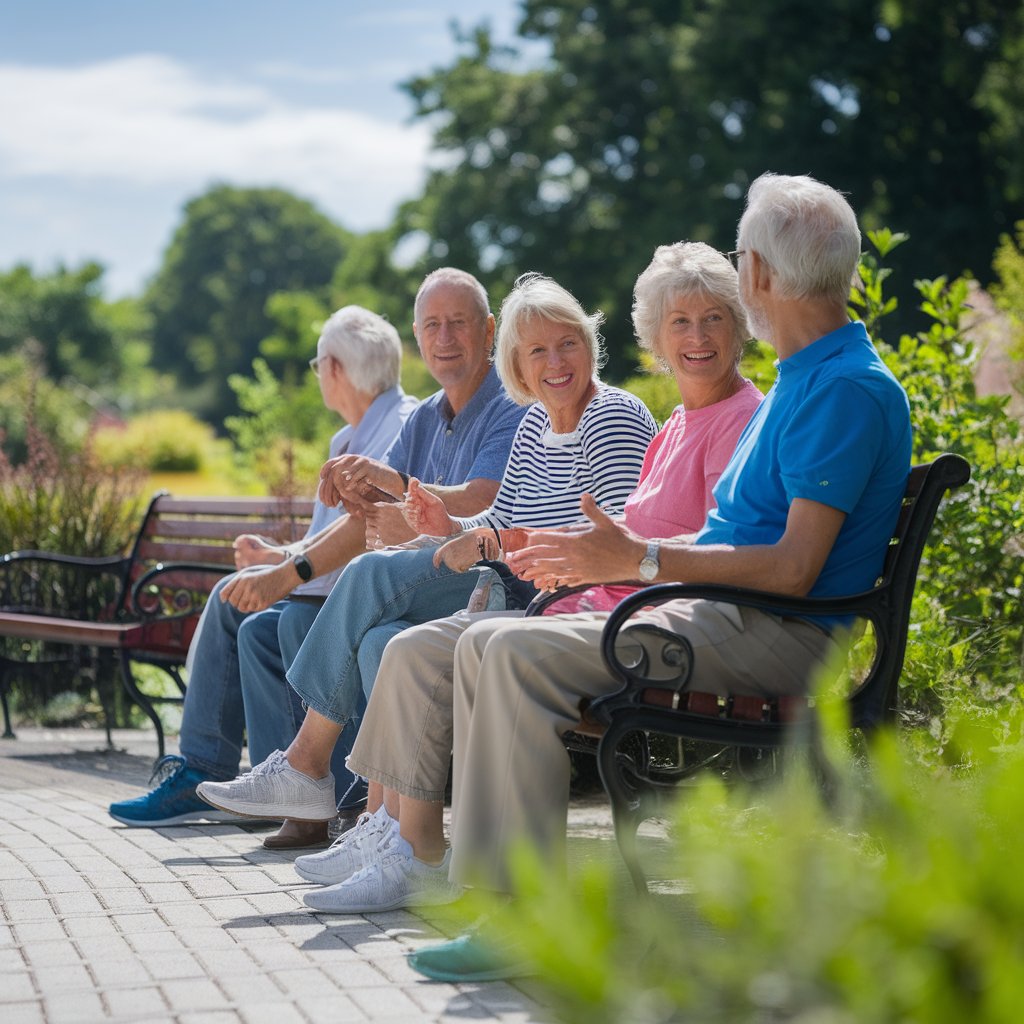
Sun exposure remains an essential element for skin synthesis of vitamin D, even in the UK’s unpredictable climate. Outdoor walks or simply spending a little time on a patio can bolster the “sunshine vitamin” levels, promoting immune support and improved bone strength. Although care must be taken to avoid overexposure—especially for those with sensitive skin—routine, gentle sunlight remains one of the most natural ways to augment nutrient intake and maintain strong bones.
Dietary Sources and Supplements
When sun exposure is limited, elderly nutrition and vitamin supplements become even more critical. A balanced diet incorporating calcium-rich foods, vitamin D drops, or daily vitamin supplements can help maintain optimal nutrient absorption. For some, a single multivitamin with the recommended daily intake of vitamin D might suffice, while others require more targeted nutritional support. Care providers often encourage a broad approach, blending dietary sources like oily fish, fortified milk, or breakfast cereals alongside appropriate supplementation.
Bone Health Challenges in Older Adults
Physical limitations, slowed metabolism, and lower appetite can lead to vitamin deficiency in later life. Even seniors who eat well might struggle with adequate nutrient intake due to decreased absorption. Furthermore, conditions like osteoporosis or arthritis can put bones at greater risk. Collaborative guidance, such as from care professionals, helps families create manageable routines—covering daily mealtime planning, assistance with medication schedules, and gentle exercise regimes—to safeguard against these incremental yet meaningful challenges.
The Importance of Professional Support
Personalised Care for Nutritional Requirements
Many older adults benefit from a structured plan that addresses their micronutrient requirements and helps them remain comfortable at home. Professional home care services, such as those provided by Vitality Care and Support Services, can develop personalised care plans centred on elderly bone health, ensuring that each meal is balanced and meets daily vitamin intake goals. Companion carers can also provide reminders about vitamin D supplements, calcium tablets, or other nutritional needs that support strong bones. These strategies are often based on insights gathered from routine health checks for seniors.
Encouraging Safe Activities and Regular Check-Ins
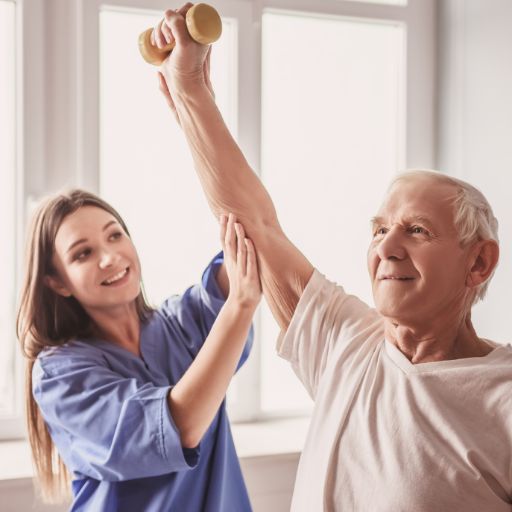
Regular physical activity, carefully tailored to each individual’s abilities, encourages muscle tone and reinforces bone density. Professional carers also keep a reassuring eye on any mobility challenges or signs of vitamin deficiency, which can be reported promptly to healthcare professionals. This approach not only helps families feel confident about their loved one’s well-being but also aligns with UK regulations on quality care standards, ensuring older adults remain safe, supported, and socially active in their own homes.
Incorporating a Balanced Approach
A mix of light exercise, thoughtful meal choices, and occasional blood tests to check vitamin levels all work together to improve bone strength over time. Daily supplements can be vital for seniors who rarely get outside—even a short stroll in the garden can make a difference when accompanied by the proper diet. With reliable home care, individuals can access both nutritional advice and day-to-day companionship, ultimately boosting mood, preventing loneliness, and fostering an ongoing sense of well-being.
Conclusion
Vitamin D remains essential for healthy, robust ageing, especially for seniors aiming to maintain independence in the UK. From ensuring safe sunlight exposure to adopting fortified foods and the right supplements, each step contributes to greater bone health, reduced risk of fractures, and peace of mind for families. Enlisting professional elderly home care, such as that offered by Vitality Care and Support Services, helps bring these elements together. By partnering with experienced carers, older adults receive the personalised attention they need, stay compliant with care regulations, and enjoy life knowing their bones are protected for the future.
Check Our Latest Blog Posts
Vitamin B12 Foods for Older Adults: What to Eat and How Home Care Helps
Dental & Oral Care for the Elderly: Tips & Routines
Exercises for Arthritic Hands with Home Care
Memory Games for Seniors with Home Care Support
What Is Sundowning Dementia? Why People With Dementia Become More Agitated at Night
How Home Care Helps Reduce Loneliness After Bereavement
Hearing Aids for Elderly People: How Home Care Helps Day to Day
Senior Stretching Exercises: 5 Simple Bed Stretches to Start the Day
Heatwave Safety: How to Keep Elderly Parents Safe in Hot Weather