
UTI in the Elderly: How to Spot It Early and How Home Care Helps
Why Do Older Adults Have Trouble Sleeping? Understanding Sleep Problems in Older Adults
Understanding Sleep Challenges in Older Adults: Causes and Solutions for Restful Nights
You might wonder why older adults have trouble sleeping. It’s a common issue that affects many elderly people, leading to tired days and restless nights. Sleep problems in the elderly can stem from various causes, including sleep disorders, changes in sleep patterns due to normal aging itself, and other health issues.
Interestingly, as we age, our sleep architecture changes, meaning less time is spent in deep, restorative stages of sleep. Our article aims to explore these challenges and offer practical advice on improving sleep for older adults with the support of home care assistance options.
This guide will help you grasp the root underlying causes of sleep disturbances and offer solutions for a better night’s rest. Ready to find relief?
What Causes Sleep Problems in Older Adults?
Sleep complications in older adults often originate from natural alterations in sleep patterns with age. The elderly may notice a decrease in deep sleep and increased awakenings throughout the night.
This is an aspect of ageing that influences their overall sleep quality. Elements such as disturbances in the circadian rhythm can lead to broken sleep, making it more challenging for seniors to sustain a consistent sleep rhythm.
Prevalent disorders such as insomnia and obstructive sleep apnea also have a substantial role in disrupting a good night’s rest in the elderly. Insomnia often results in difficulty falling asleep, while obstructive sleep apnea induces pauses in breathing during sleep, resulting in disrupted rest and extreme drowsiness during the day.
These issues not just disturb sleep but can also have a profound influence on daily life, emphasising the necessity for well-suited interventions and proper sleep hygiene practices to boost older adults’ sleep quality.
Common Sleep Disorders Among the Elderly
Numerous senior individuals grapple with a variety of sleep disorders, disrupting their nocturnal rest. Insomnia runs rampant, posing challenges for them to initiate or maintain sleep throughout the twilight hours.
Sleep apnea also holds significant prevalence in this demographic, frequently causing interrupted sleep and heightened daytime fatigue. This syndrome intermittently halts breathing during slumber, influencing the oxygen levels supplied to the brain.
Changes in sleep stages in older adults may heighten their predisposition to disturbances.
Moreover, signs of REM sleep behavior disorder are conspicuous, particularly in older adults. They may externally express intense dreams through vocal or physical activities, which could drastically affect their sleep quality.
Knowing these conditions is fundamental in pursuing the right treatment, thus heightening the general wellbeing of our ageing family members.
How Aging Affects Sleep Patterns
Aging brings about significant changes in sleep patterns, often leading to fragmented sleep and decreased deep sleep. Older adults wake up more often during the night and experience less of the restorative a stage of sleep known as REM (rapid eye movement)
This shift can directly impact their quality of life, causing daytime tiredness despite spending enough hours in bed.
The body’s internal clock also undergoes alterations as one ages, making it harder for older people to fall asleep at night and wake up early in the morning. Such disturbances in the circadian rhythm contribute to poor sleep habits among senior populations.
Further more, aging affects how certain sleeping-related chemicals are released into your system, potentially disrupting regular nightly rest periods. Understanding these factors is crucial to improving sleep schedules and promoting better nighttime rest for our elderly loved ones.
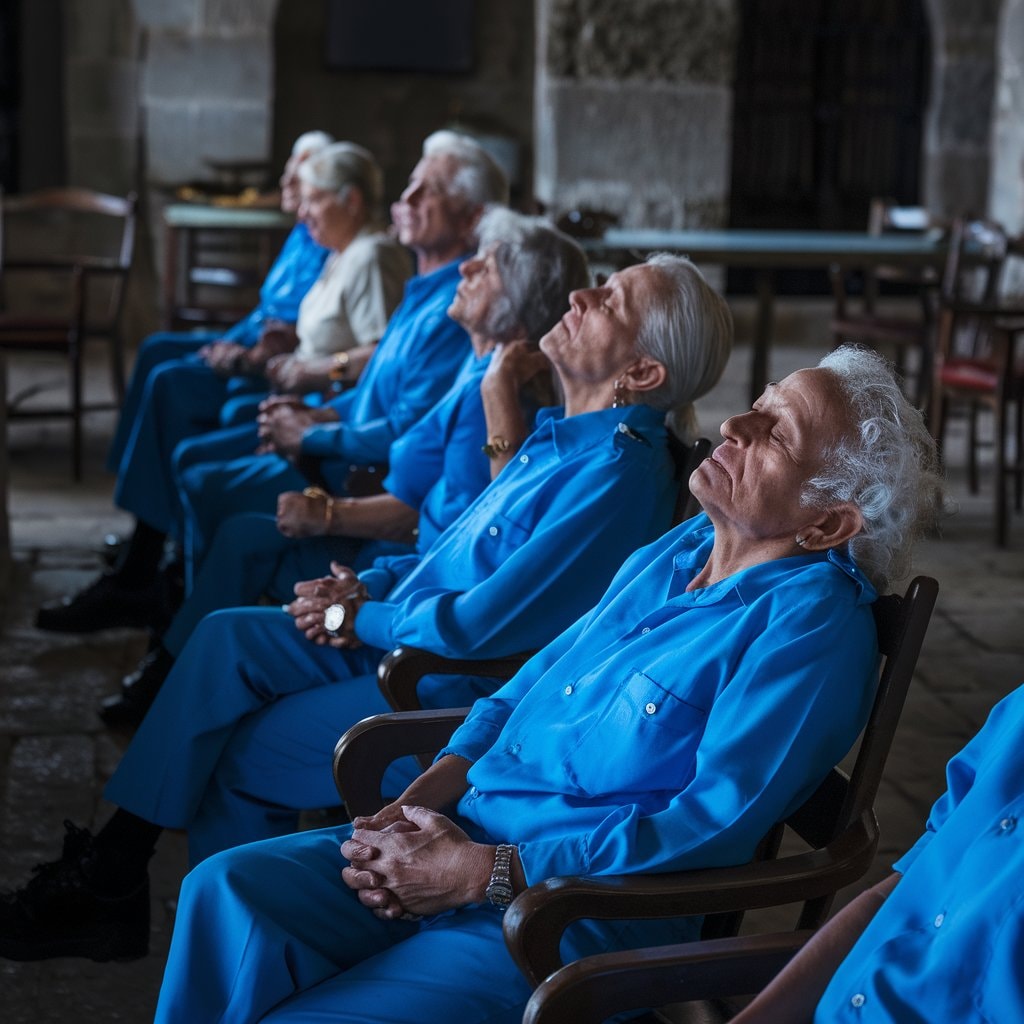
Causes of Sleep Disturbances in Senior Populations
Several factors contribute to sleep disruptions among older people, affecting their nighttime rest. Changes in the body’s internal clock cause seniors to go to bed earlier in the evening and wake up at sunrise.
This shift can result in irregular sleep patterns, making it challenging for them to remain asleep throughout the night. Health problems in older adults, such as arthritis or back pain, interrupt quality sleep.
Moreover, the treatments for these conditions can further disrupt sleep by causing frequent nighttime awakenings.
Mental wellness is crucially relevant as well. Conditions like depression or anxiety often emerge or intensify with age and are known to contribute to sleep issues among older people.
Environmental factors are also crucial; an uncomfortable sleeping environment or excess noise can hinder deep and rejuvenating sleep. Grasping these causes is essential in tackling disrupted sleep and enhancing life quality for many older individuals aspiring for improved night-time rest.
How Does Aging Affect Sleep?
Aging brings changes to sleep patterns, often leading to less deep sleep. As people get older, they spend additional time in the lighter sleep stages in REM (rapid eye movement) sleep.
This change means older adults might wake up more often during the night and have a harder time falling and staying asleep, in the first place. Factors like stress levels and physical health also play a significant role.
With age, your internal clock advances, causing you to feel tired earlier in the evening and wake up earlier in the morning. Changes in health can further impact sleep quality for many older adults.
Conditions such as arthritis or back pain make it difficult to find a comfortable sleeping position, while issues like prostate enlargement or menopause disrupt sleep with frequent trips to the bathroom or hot flashes.
These factors contribute to why achieving better sleep becomes more challenging as one ages.
Changes in Sleep Patterns with Age
As people get older, they often find that their sleep patterns change significantly. You might notice that elderly family members go to sleep earlier and get up earlier they used to.
This shift is due to changes in the body’s internal clock, referred to as the circadian rhythm, which regulates when we feel sleepy during sleep wake, and when we feel awake. Aging affects this rhythm, leading to an advanced sleep phase.
As a result, older adults might get less nighttime sleep and need more rest during the day.
A good night’s sleep becomes more challenging to achieve as we age.
These alterations can also impact the amount of deep sleep an older person gets each night. With age, individuals spend less time in deep REM (Rapid Eye Movement) sleep, which could explain why some seniors experience lighter sleep or find it hard to maintain sleep throughout the night.
Understanding these changes helps lay the groundwork for exploring how REM Sleep and aging interact.
REM Sleep and Aging: What You Need to Know
Understanding how REM sleep changes as you get older is crucial. This stage of sleep, known for being the period when dreams are most vivid, tends to decrease in duration with age.
Older adults often experience shorter periods of REM sleep each night. This reduction can affect the overall sleep quality and contribute to feelings of not having rested well upon waking.
Experts believe these alterations in REM sleep play a role in why many seniors find themselves more prone to daytime tiredness and may struggle with memory retention. Monitoring these changes helps you make better decisions about managing sleep patterns and improving restfulness.
Next up, let’s explore how aging impacts sleep quality more broadly.
The Impact of Aging on Sleep Quality
Transitioning from grasping changes in REM sleep, it’s essential to fundamentally analyze how aging influences sleep quality. As you age, your body changes its internal clock, causing earlier sleep onset and wake times.
This alteration can disrupt your sleep sequence and lessen the amount of rejuvenating sleep you receive. Rejuvenating sleep is vital for feeling refreshed and preserving excellent health.
Regrettably, numerous older individuals find their sleep is less profound and more fragmented due to these changes.
An additional significant aspect contributing to lessened sleep quality in elderly individuals is the surge in health concerns that interfere with rest. Conditions such as arthritis, acid reflux, and prostate or bladder disorders frequently lead to unease at night, making it challenging to remain asleep.
Sleep disorders, including insomnia and sleep apnea, also become more prevalent with age. These problems decrease the overall sleep hours and influence the comprehensive quality of rest you receive nightly.
To manage these obstacles, older individuals must observe their sleep environment and habits that encourage improved rest cycles.
What Are the Common Sleep Disorders in Older Adults?
Elderly individuals frequently contend with diverse sleep disorders that profoundly influence their quality of life. Insomnia, a widespread sleep disorder among elderly individuals, makes it challenging for many to initiate sleep or maintain it throughout the night.
As we age, our biological clock moves forward, leading us to feel fatigued, sleep earlier in the evening, and wake up earlier in the morning. This shift can interfere with their sleep duration, resulting in less sleep.
Sleep apnea is another disorder commonly observed within the elderly demographic. It leads to intermittent breathing pauses during sleep, resulting in broken and disturbed sleep. Numerous elderly individuals also manifest REM Sleep Behavior Disorder (RBD), in which they physically enact vivid dreams owing to the absence of muscle paralysis during REM cycle stages.
Grasping these disorders is essential for refining management strategies and for the improvement of the nighttime rest of our elderly community.
Fostering an environment that promotes good sleep hygiene can significantly counter these conditions. Each disorder poses its unique challenges but identifying symptoms primary sleep disorder early on aids in taking suitable steps for effective solutions and treatments.
Understanding Insomnia in Older Adults
Many older people find insomnia a real challenge. It is more common in older adults, affecting your sleep time profoundly. This condition makes it hard for you to fall asleep or have trouble falling asleep too.
Insomnia can lead to less sleep per night and excessive daytime sleepiness. The reasons behind this are varied, from changes in sleep patterns due to aging to health conditions and lifestyle factors.
Keeping a sleep diary might help you better understand your sleep cycle. Recognizing the signs early could prompt a visit to a sleep medicine clinic for professional advice.
Small changes in your nightly routine can also promote better sleep, ensuring you get the much-needed rest each night.
Exploring Sleep Apnea and Other Disorders
Sleep apnea is a prevalent disorder common in older adults, which can notably affect their nightly sleep duration. This ailment results in the intermittent cessation and resumption of breathing during sleep, leading to suboptimal sleep quality and excessive daytime fatigue.
Beyond sleep apnea, elderly individuals may also encounter other sleep disorders: restless legs syndrome (RLS) and periodic limb movement disorder (PLMD), both of which deter the achievement of essential rest.
Additionally, it would help if you familiarised yourself with REM sleep behavior disorder, where individuals enact vivid dreams while in sleep. This disorder can disrupt sleeping cycles and also pose an injury threat for the affected person.
Recognizing symptoms early and seeking intervention from a clinic specializing in sleep medicine can bolster your overall health and foster improved sleep routines. Given the impact of these disorders on sleep, gaining knowledge on managing or treating them becomes vital in ensuring seniors acquire adequate rest each night.
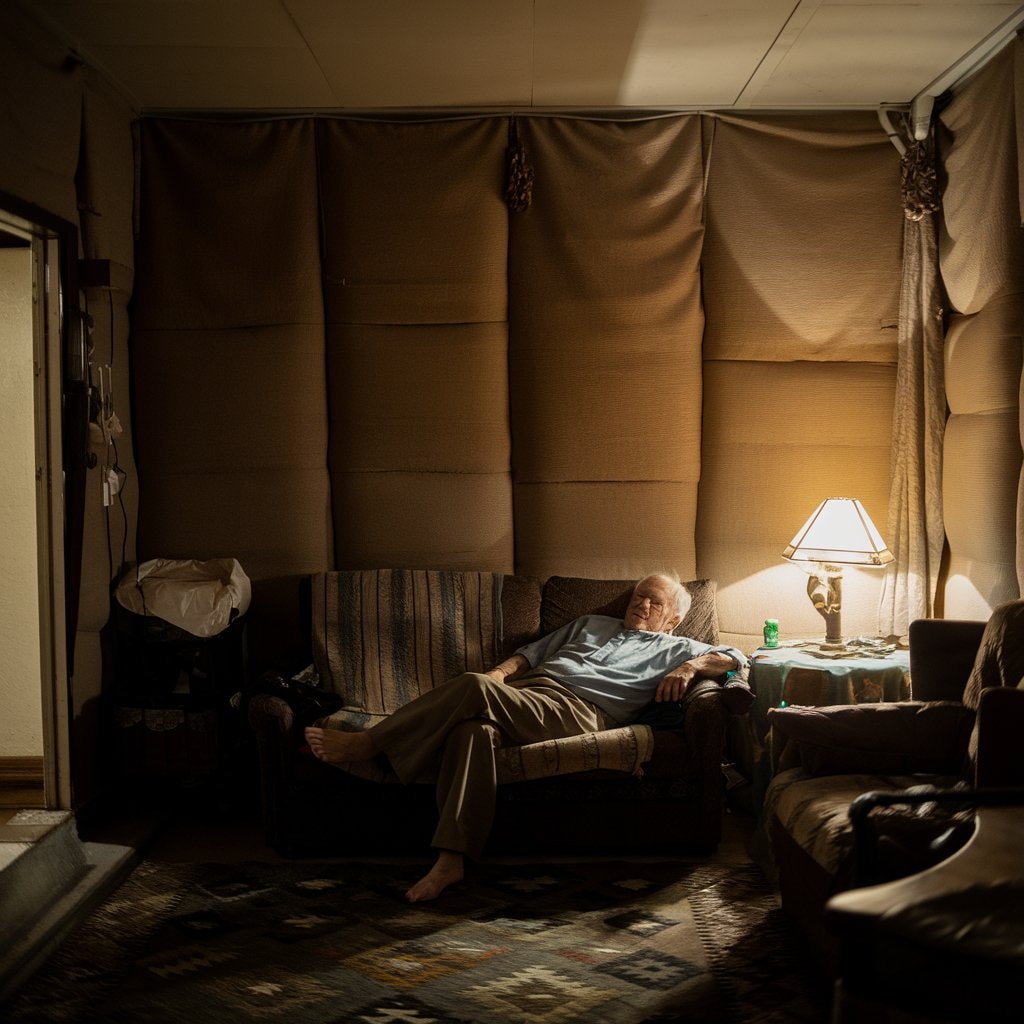
Identifying Signs of REM Sleep Behavior Disorder
Identifying signs of REM sleep behavior disorder in the elderly is crucial for improving their sleep and overall health. This condition often involves acting out vivid dreams with sudden, sharp movements during the rapid eye movement (REM) stage of sleep.
You might notice them talking, yelling, or even hitting while asleep. These actions occur because the normal paralysis that stops us from enacting our dreams does not work correctly.
Experts suggest keeping a close watch for unusual sleep behaviors as they can indicate this disorder. Track any reports of more vivid dreaming or physical activity during sleep and share these observations with a doctor.
Early detection can lead to treatments that significantly improve sleep quality and safety for seniors experiencing such disturbances. A referral to a sleep study may be necessary to confirm diagnosis and guide effective treatment strategies.
How Can Older Adults Improve Their Sleep?
Improving your sleep can significantly enhance your quality of life. Here are some strategies for encouraging improved rest during nighttime for older adults.
-
Maintain a sleep diary: Document sleep habits to discover potential issues.
-
Uphold a strict sleep timetable: Retire and rise at consistent times daily.
-
Establish a bedtime routine: Participate in soothing activities before bed to inform your body it’s time for rest.
-
Restrict naps: Refrain from lengthy daytime naps that might disrupt nighttime sleep.
-
Exercise consistently, though not close to bedtime: Physical activity can promote sleep, but refrain from it four hours before rest.
-
Assess your medications: Verify if any medication you take impacts your sleep with professional medical guidance.
-
Make your sleeping area comfortable: Verify your room is dark, silent, and calm.
-
Minimise exposure to screens before bed: The light from electronic devices can hinder your body’s natural preparation for rest.
-
Regulate stress levels: Apply techniques such as mindfulness or meditation to relax before bedtime.
-
Monitor your eating and drinking habits: Evade large meals, caffeine, and alcohol close to bedtime, as they can disrupt sleep.
These tips aim to enhance your sleep duration each night, increase the quality of that rest, and assist in diminishing any daytime fatigue you might encounter. By consistently adhering to these steps, you may see a progression to more tranquil nights and more vibrant days ahead.
Practical Sleep Hygiene Tips for Seniors
Sleep is fundamental to your well-being, particularly as you get older. Establishing the correct practices can significantly enhance your sleep quality, making you feel refreshed. Here are some compelling sleep hygiene considerations for older people to boost your sleep:
-
Maintain a consistent sleep and wake schedule, including on weekends. This aids in setting your body’s internal clock.
-
Confirm your bedroom is undisturbed, dim, and maintains a cozy temperature.
-
Allocate funds to a cozy mattress and pillows to promote a solid night’s sleep.
-
Restrict naps to the early afternoon, and keep their duration less than 30 minutes to avoid disrupting nighttime sleep.
-
Commit to routine exercise, but abstain from intense activities near bedtime as it may disturb your sleep.
-
Minimise usage of screens from televisions, computers, and smartphones before sleep, as their light may interrupt sleep.
-
Circumvent caffeine and nicotine later in the day; these substances can obstruct your capacity to sleep.
-
Endeavor to avoid substantial meals or consuming large amounts of fluid late in the evening.
-
Develop a calming sleep routine, such as reading or listening to soothing tunes, to indicate to your body that it’s time to relax.
-
Address stress via practices like meditation or gentle yoga.
Setting up a sleep-conducive environment for older adults is another critical step in promoting better sleep during nighttime.
Creating a Sleep-Friendly Environment for the Elderly
Moving from practical sleep hygiene tips for seniors, it’s clear that creating a sleep-friendly environment is equally essential. This effort significantly improves sleep quality and helps manage sleep disorders in the elderly.
-
Ensure the bedroom is quiet. Use sound-proofing materials if needed, especially if external noises like traffic are a concern.
-
Use blackout curtains or shades to keep the bedroom dark. This helps mimic the natural light-dark cycle, encouraging better sleep.
-
Maintain a comfortable temperature in the bedroom, ideally between 18-21°C. Extreme temperatures can disrupt sleep.
-
Invest in a high-quality mattress and pillows that provide support the body well. Look for products designed to alleviate common issues like back pain.
-
Limit electronic devices in the bedroom. The blue light from screens can impact natural sleep cycles.
-
Use soft, calming colors for bedroom walls and bedding. Research suggests that colors like blue, green, and pastel shades encourage relaxation.
-
Encourage keeping a sleep diary to track patterns highlighting disturbances or improvements over time.
-
Introduce gentle background noise if complete silence doesn’t help — for example, white noise machines or apps that play soothing sounds.
-
Ensure there’s adequate ventilation to keep fresh air circulating, which can improve breathing and overall comfort at night.
-
Consider aromatherapy with lavender or chamomile scents, as these have been shown to promote relaxation and induce sleep.
-
Install soft lighting options such as bedside lamps or dimmer switches to avoid harsh transitions from light to dark.
-
Ensure the bed and pillows have protective covers to reduce allergens that might affect breathing and disturb sleep.
These steps create an environment that supports hours of peaceful rest each night, helping older adults enjoy much-needed rejuvenating sleep without relying heavily on sleep medication or aids. Creating such an environment proves invaluable in enhancing daily performance and overall quality of life for seniors seeking care support services for themselves or their elderly family members within our community’s embrace at Vitality Home Care Agency.
Using Sleep Aids Safely: What Seniors Should Know
After setting up a sleep-friendly environment, it’s crucial to understand how seniors can use sleep aids safely. Sleep aids, when used correctly, can significantly improve your sleep quality.
Yet, they require careful handling to avoid dependency or side effects. Before trying any over-the-counter or prescription sleep aid, you should always consult with a healthcare provider.
They will evaluate your overall health and any potential risks of interactions with existing medications.
Seniors must strictly follow the recommended dosage and monitor their response to any sleep aid. The goal is to increase the amount of sleep each night and enhance sleep quality without risking health problems.
If you observe any adverse effects or lack of improvement in your sleeping patterns after using these aids, inform your doctor promptly.
Always start with the lowest possible dose and adjust as necessary under professional guidance.
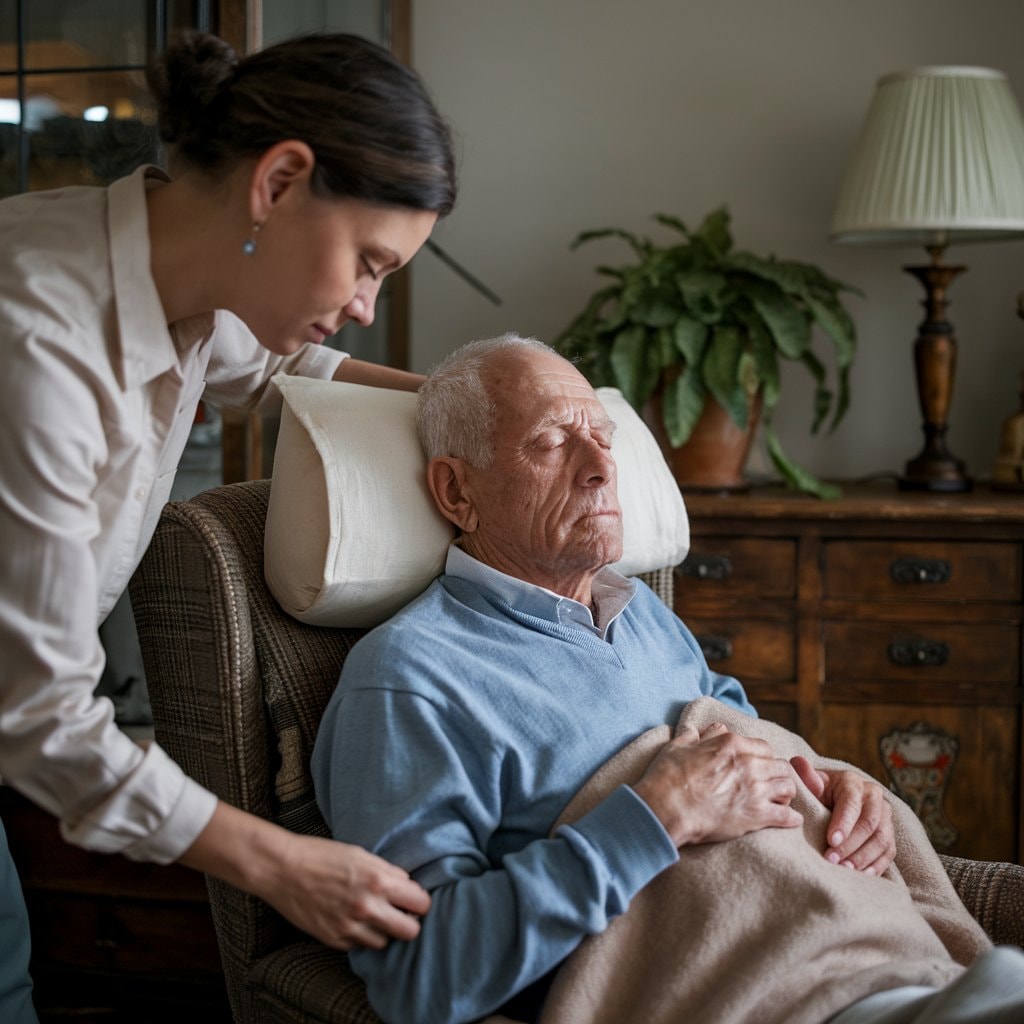
What treatment options are available for sleep disorders in the Elderly?
Exploring non-medical interventions is a good start for treating sleep disorders in the elderly. Techniques like cognitive behavioral therapy (CBT) help seniors understand and change behaviors that affect their sleep.
Another option includes maintaining strict sleep hygiene practices, such as keeping a consistent bedtime, avoiding caffeine before bed, and creating a restful environment. These steps can significantly improve sleep patterns without immediate recourse to medication.
Considering sleep medicine clinics becomes essential if these methods don’t offer relief. Specialists there can assess the condition through an overnight sleep study to diagnose disorders such as insomnia or central sleep apnea accurately.
Based on these findings, they may advise medications to improve the quantity and quality of sleep or propose using devices that assist breathing during the night for those with apnea issues.
Seniors must use any prescribed sleep aids under careful medical supervision because of possible side effects and interactions with other medications. Next, explore why excessive daytime sleepiness is so common among older adults.
Exploring Non-Medical Interventions
Older adults often need more sleep but find it hard to get good rest. Not all solutions require medicine. Simple changes in daily habits can help seniors sleep better. For instance, consistent bedtime enhances the body’s internal clock, improving sleep quality.
Also, light physical activity during the day supports longer and deeper sleep cycles.
Creating a relaxed bedtime routine signals your body that it’s your time in bed and to wind down for the night. This could involve reading or listening to soothing music before bed. Keeping the bedroom calm, quiet, and dark encourages a more conducive environment for restful sleep.
Steering clear of caffeine and heavy meals late in the afternoon plays a critical role, too, as they can severely disrupt your natural sleep patterns.
When to Consider Sleep Medicine Clinics
Sleep medicine clinics become essential when typical suggestions for older adults and home modifications fail to improve sleep patterns significantly. In these unique establishments, specialists appreciate the intricate ways aging impacts sleep.
They provide comprehensive evaluations, encompassing sleep studies that observe sleep durations each night, total sleep time, and disruptions. This extensive understanding aids them in identifying specific disorders such as apnea or insomnia.
Professionals at these establishments can adjust treatment plans that may incorporate medication with behavior therapy to improve sleep quality effectively. They also direct seniors on preserving good sleep hygiene and using aids safely.
By contemplating such focused care, you’re making an actively health-conscious decision.
Examining options at a sleep medicine clinic could be the step to recapturing tranquil nights.
Next, let’s discuss the part medication plays in treating chronic insomnia, even among elderly patients.
The Role of Sleep Medication in Treating Insomnia
Doctors often prescribe sleep medication as a treatment for insomnia among older adults. These medicines help seniors fall asleep faster and stay asleep longer. Yet, it’s crucial to use them correctly to avoid side effects or dependence on sleeping pills.
Your doctor will consider the cause of sleep troubles, health conditions, and other medications before prescribing sleep aids.
Using sleep medication safely requires careful monitoring. You must follow your doctor’s instructions closely. They using sleep medications may also suggest combining these drugs with good sleep hygiene practices to improve your overall quality of rest.
Next, we explore why many older adults experience excessive daytime sleepiness despite these interventions.
Why Do Many Older Adults Experience Excessive Daytime Sleepiness?
Many older adults need more sleep each night but still experience excessive daytime sleepiness. This common issue often stems from changes in the body’s internal clock with age, making it harder to stay asleep in the sleep-wake cycle.
Aging can also reduce the time spent in REM sleep, vital for feeling rejuvenated. Various factors contribute to this sleep problem too, including health conditions like sleep apnea that interrupt breathing and disturb restful sleep.
Poor night’s sleep affects your energy levels during the day, leading to increased fatigue and a need for naps. Strategies to combat daytime tiredness include establishing a consistent bedtime routine and improving bedroom environments to promote better rest.
For those looking after elderly family members or seeking care support services, understanding these causes helps tailor approaches for encouraging much-needed restorative sleep among seniors.
Understanding the Causes of Daytime Sleepiness
Daytime sleepiness in older adults often arises from insufficient quality sleep at night. Many factors can disrupt a sound night’s sleep, including health issues such as sleep apnea, which may lead to frequent awakenings.
Aging also naturally influences the amount of deep REM (Rapid Eye Movement) sleep you achieve, resulting in less restful sleep overall. If your loved one is dealing with daytime tiredness, examining how their nighttime sleep could be optimized may be appropriate.
Enhancing sleep hygiene provides a practical method to tackle this issue. Simple amendments like adhering to a consistent bedtime schedule and ensuring a relaxing bedroom environment can significantly improve hours of sleep per night.
Encouraging stress-reducing activities during the day can also contribute to better sleep preparation. For seniors who continue having issues with sleep or excessive daytime fatigue, obtaining advice from a trustworthy source like the Sleep Foundation could offer helpful suggestions geared toward the needs of older adults.
The Connection Between Poor Night’s Sleep and Daytime Fatigue
Poor night’s sleep deeply affects how you feel during the day. If you don’t get enough sleep, your body can’t complete all the phases of sleep it needs to repair and refresh itself.
This leads to feeling tired and sleepy when you should be alert and active. Aging and sleep are closely linked; as people age, they often find much sleep elusive due to various reasons like health conditions or changes in their sleeping environment.
Improving your night’s rest can significantly reduce daytime fatigue. Seniors especially need to pay attention to their sleeping habits. Good tips for older adults include keeping a consistent bedtime routine, making the bedroom comfortable, and avoiding stimulants before bed.
By addressing problems with sleep, seniors can enjoy more energy-filled days without resorting immediately to treatment for sleep disorders or medication.
Strategies to Combat Daytime Sleepiness in Seniors
Many older adults face challenges with daytime sleepiness, affecting their overall quality of life. Luckily, there are practical strategies to help manage this issue effectively.
Keep a sleep diary for at least two weeks. This record helps identify patterns or behaviors that might cause sleep problems.
Create a regular sleep routine by going to bed and rising simultaneously every day, even on weekends.
Make sleep a priority by ensuring the bedroom is Silent, dim, and kept at a comfortable temperature.
Refrain from consuming caffeine and heavy meals near bedtime as they can interfere with sleep.
Limit naps during the day to 20 minutes or less; longer naps can make it harder to fall asleep at night.
Stay physically active during the day, but Steer clear of vigorous exercise near bedtime, as it can disrupt your sleep keep you awake.
Use relaxation techniques before bed, such as reading or a warm bath, to prepare your body for sleep.
Reduce screen time an hour before bed since the blue light emitted by screens can disrupt sleep patterns.
If you’re taking medications, check with your doctor to see if they might affect your sleep and ask about alternatives if necessary.
Consider using mild sleep aids under the guidance of a healthcare professional, but avoid long-term reliance on them.
Implementing these strategies can markedly improve the quality of daytime wakefulness in seniors, making their days more productive and enjoyable.
Conclusion
Elderly individuals frequently encounter difficulties in attaining restful sleep due to various factors, such as prevalent sleep disorders like sleep apnea, which can substantially impact their quality of life.
Recognizing these struggles is the initial step in finding solutions. Enhancing your sleep patterns or assisting a senior family member through improved sleep hygiene and professional consultation when required is possible.
Sleep is essential for everyone’s health at any age. For older adults who have trouble sleeping, being aware of when to consult a sleep medicine clinic could result in significant improvement.
With the right help and modifications, the goal of restful nights becomes more achievable, improving daily activities and overall wellness.
Check Our Latest Blog Posts
Vitamin B12 Foods for Older Adults: What to Eat and How Home Care Helps
Dental & Oral Care for the Elderly: Tips & Routines
Exercises for Arthritic Hands with Home Care
Memory Games for Seniors with Home Care Support
What Is Sundowning Dementia? Why People With Dementia Become More Agitated at Night
How Home Care Helps Reduce Loneliness After Bereavement
Hearing Aids for Elderly People: How Home Care Helps Day to Day
Senior Stretching Exercises: 5 Simple Bed Stretches to Start the Day
Heatwave Safety: How to Keep Elderly Parents Safe in Hot Weather