
UTI in the Elderly: How to Spot It Early and How Home Care Helps
Why Is It Important for an Elderly Person to Maintain Independence? Essential Strategies for Care Homes
Promoting Independence for Elderly Loved Ones: Why It Matters and How to Support It
Finding the right care for elderly family members is a challenge you might face. You want them to live happily and safely. while remaining independent. This raises an important question: why is it important for an elderly person to maintain independence? Independence plays a massive role in their quality of life.
Studies show that maintaining independence can boost mental health and well-being in older people. Our blog will share strategies from Vitality Home Care Agency on how to promote independence in older people, improve daily living, and encourage independent living options.
Keep reading for helpful advice.
Why is Independence Crucial for the Elderly?
Moving on from our introductory remarks, it’s critical to grasp the importance of independence for older people. Enhancing their quality of life and retaining their dignity is made possible by maintaining some basic level of autonomy.
This freedom allows them to manage day-to-day tasks and healthcare needs rather than relying on others. Studies have consistently proven that thisAs studies have consistently proven, this sense of control and purpose is a critical factor in achieving better physical and mental health outcomes.
There’s a strong correlation between independence in older individuals and increased contentment and satisfaction in life.
Those elderly individuals who sustain an independent living arrangement often exhibit enhanced mobility, more robust social bonds, and a reduced risk of experiencing depression compared to those who are heavily dependent upon others for their care needs.
To foster autonomy among older adults, it’s necessary to both understand and respect their abilities, whilst also equipping them with the tools and resources they require. This form of empowerment improves their lives and also lessens the burden on social care systems, resulting in more efficient management within their own home or within cooperative community environments.
The Importance of Maintaining Independence
Maintaining independence for older adults is crucial in ensuring they live fulfilling lives. It allows them to make decisions about their daily activities, control their lives, and remain active community members.
This empowerment boosts their sense of purpose and positively affects their mental health. As you explore care options, consider how each service supports your loved one’s ability to manage specific tasks independently or with minimal assistance.
Care homes and support services should encourage independence among residents by providing support with everyday tasks instead of taking over completely. Providing tools and resources that promote independence helps maintain physical health and delays the decline in mental capabilities.
Promoting a person’s independence is a delicate balance but vital for enhancing the quality of life in older age.
How Independence Impacts Quality of Life
Living independently boosts seniors’ quality of life significantly. It allows them to make choices about their daily activities, social engagements public health, and living environment. This freedom plays a crucial role in enhancing their dignity and self-respect.
Seniors who manage their independence tend to maintain a better mental health state. They feel more satisfied with life. Their happiness level is higher than those who rely heavily on others for care and support.
Promoting independence doesn’t just improve emotional well-being; it also has physical benefits. Engaging in activities of daily living keeps seniors active, which helps in maintaining physical health and slowing down the decline linked to the aging process.
The capacity to live independently reduces the risk of social isolation by encouraging interactions within the community and outside the home setting. Therefore, supporting your elderly loved one or client in retaining as much independence and input as possible can profoundly influence their overall health outcomes and life satisfaction.
The Role of Independence in Mental Health
Transitioning from understanding how independence positively affects the quality of life, it’s crucial to recognize its influence on mental health among older people. Independence also fosters a strong sense of self-worth and confidence in one’s physical abilities,
Keeping control over daily choices impacts an older person’s mental health significantly. It helps older adults feel valued and capable, reducing feelings of helplessness or depression that can arise from reliance on others.
Independence is not just about the physical ability to care for oneself; it’s deeply intertwined with mental wellness, offering a buffer against the challenges that aging presents.
Promoting autonomy supports psychological resilience, enabling seniors to navigate the changes associated with getting older more effectively. It plays a vital role in maintaining a good quality of life by upholding dignity and providing avenues for personal achievement, no matter how small they might seem.
Therefore, ensuring that strategies for promoting independence address both physical and emotional needs becomes vital in caregiving approaches within residential care homes or community settings.
How Can We Promote Independence in Older Adults?
Promoting self-reliance in older adults is essential for their psychological and physiological well-being. Practical methods draw on health and social care insights to enhance their autonomy.
Evaluate needs personally: Every individual has distinct needs. An approach customized to each situation ensures care that focuses on fostering the potential to manage daily activities self-sufficiently.
Utilise adaptive tools: Gadgets like grab handles, walking aids, or modified cutlery can be of immense help. They aid in preserving physical autonomy within the home.
Advocate regular physical activity: Exercise bolsters muscles and heightens mobility. It is a vital aspect in averting falls and preserving health parity among the elderly.
Cultivate social relations: Participation in neighborhood activities averts seclusion. Social health factors emphasize the prominence of social ties in preserving psychological health.
Validate cognitive activities: Pastimes like gaming, puzzle-solving, or picking up new skills invigorate the mind. These activities aid in mitigating mental health decline by keeping the brain stimulated.
Present transportation possibilities: The availability of community transportation facilitates seniors’ free engagement in outdoor activities, augmenting a sense of independence.
Install technology for safety assurance: Tools like emergency call systems or GPS tracking provide reassurance while permitting freedom. Autonomy represents safety during everyday life.
Enlighten on medication comprehension: Grasping how to handle medications enables individuals to assume responsibility for their health management.
Assist with nutrition strategy: Dispensing information regarding a wholesome diet promotes well-being and the vitality necessary for maintaining independence.
Modify living spaces: Alterations like rug removal or enhanced illumination can minimize the risk of home accidents.
Please include them in decision-making processes: Involvement in decisions about care plans or daily routines reinforces a senior’s confidence and perception of control over their existence.
Supply access to details: Awareness about services such as live-in care, end-of-life care, or dementia care enables individuals and families to make educated decisions regarding care coordination.
The application of these methods aids older adults in preserving their independence level, while acknowledging their dignity and improving their life quality within the community or home environments offered by services like Vitality Home Care Agency.

Practical Strategies to Promote Independence
Maintaining independence in older people is fundamental for their quality of life and mental health. Here are beneficial tactics to ensure you offer the optimal support for sustaining independence in elderly loved ones or for yourself as aging occurs.
-
Modify the home environment: Necessary alterations should be made to the home to ease mobility and access. The installation of grab bars, walk-in showers, and ramp access can notably bolster independence at home.
-
Promote physical activity: Regular, mild exercise enhances physical stamina and mobility, both of which are essential for independence in daily living. Activities such as walking or modified exercise programs can make a significant difference.
-
Incorporate assistive technology: Equipment such as personal alarms, magnifiers, or simplified mobile phones aid seniors in conducting their day more autonomously. These instruments are crucial in fostering physical independence.
-
Propose transportation alternatives: For those who have ceased driving, arranging accessible transport options allows them to attend appointments, participate in community activities, or visit friends autonomously.
-
Nurture social connections: Encouragement to participate in local clubs or groups can avoid isolation and contribute to mental health and well-being—fundamental aspects of retaining independence.
-
Establish individualized care plans: Care plans considering personal needs, preferences, and abilities are more likely to bolster their independence effectively. This tactic is vital for far-reaching care services.
-
Provide health management education: Instructing older adults about managing chronic conditions and understanding medications enables them to manage their health.
-
Streamline financial management: Introduce them to simple financial management methods, such as direct debits or online banking apps created with larger text and uncomplicated navigation.
-
Bolster cognitive function: Participation in brain-stimulating activities like puzzles or memory games assists in maintaining mental health, a vital facet of independence.
-
Uphold decision-making: As much as possible, older adults should be included in decisions about their care and daily lives, fortifying their autonomy and sense of purpose.
-
Adapt caregiving tactics over time: As needs vary with age, frequent reviews and modifications of how support is offered ensure that help develops in harmony with fluctuating capability and health necessities.
Through these tactics, your aid in maintaining independence among the elderly while recognizing the priceless role dignity has throughout our later years.
Encouraging Independent Living
With our plan to augment self-reliance, we’re reallocating our efforts to foster self-sustained living. This component is significant for older people wishing to retain their self-sufficiency, whether at home or in a care facility.
Their encouragement forms a crucial part of endorsing their self-government and welfare. Serving aid in domestic tasks instils in older individuals more certainty in carrying out daily activities.
This preserves their self-respect and enhances their mental health by granting them reign over their lives.
To take this objective a stride further, the introduction of instruments and resources augments self-reliance among the elderly. Basic utilities such as hold bars, slip-resistant mats, and personal alarms can make a notable divergence in an elderly person’s ability to manoeuvre their living areas safely.
Complementing physical utilities, services like home-based care give customised help that honors the individual’s wish for independence while making sure they obtain the necessary care.
These steps assist seniors in leading an autonomous and independent life and positively influence their overall quality of life.
Tools and Resources to Promote Independence
Several tools and resources stand out for their ability to help promote independence among older people. These include personalized care plans considering an individual’s preferences, abilities, and needs.
Assistive technology also plays a critical role. It offers devices like walkers, hearing aids, and emergency response systems that enable older adults with chronic conditions or mobility issues to move more freely and safely around their homes.
Furthermore, software applications for health monitoring allow caregivers and seniors to monitor health metrics from the comfort of their homes.
Educational programs that focus on nutrition, exercise, and medication management are equally vital in granting support for independence in health and social settings. They empower ageing adults by providing them with the knowledge on how to maintain their health and wellbeing independently.
Also, community-based services offer practical help that ranges from transportation to social activities; such services boost a sense of purpose while supporting physical health.
Using these tools supports seniors in preserving their independence and simultaneously improves their quality of life.
What are the Challenges Faced by Elderly People in Maintaining Independence?
Older adults often face common barriers to independence as they get older. The loss of mobility stands out as a significant challenge. Moving around the home becomes harder, affecting their ability to do things independently and perform daily tasks without help.
This struggle can lead to a decreased sense of independence, making elderly individuals rely more on family members, healthcare providers or care support services.
Another issue is the decline in mental health that comes with age. Conditions like dementia can make living at home challenging for aging adults. They may forget important things, which increases their risk of accidents or harm within their own space.
As such, maintaining independence requires understanding the importance of providing support through specialized services like domiciliary care or live-in care options that respect and promote the independence of older people.
Common Barriers to Independence
Maintaining independence in old age is crucial, yet many seniors face barriers that challenge their ability to live independently. Understanding these obstacles can help you provide support and promote ways to maintain their independence.
-
Health issues: Chronic illnesses and decreased physical capacity can limit elders’ abilities to perform daily tasks independently.
-
Mobility problems: Conditions like arthritis or the aftermath of a stroke can make it hard to move around, affecting their independence.
-
Fear of falling: Seniors may limit their activities due to fear of falling, leading to decreased independence and quality of life.
-
Loss of vision or hearing: These age-related changes can significantly affect one’s ability to live independently.
-
Cognitive decline: Diseases such as dementia impact cognitive functions, making daily decision-making challenging.
-
Lack of transportation: Without access to reliable transport, seniors may struggle to attend appointments or socialise, impacting their independence.
-
Need for more home adaptations: Homes designed for aging needs can pose significant barriers to maintaining independence.
-
Limited access to support services: Difficulty in accessing home care or domiciliary care services can force seniors into dependency.
-
Social isolation: A lack of regular interaction with others may result in loneliness and dependence on family members for social engagement.
-
Financial constraints: With fixed incomes, many elderly people find it difficult to afford the necessary support systems that facilitate independent living.
Each of these challenges demands careful thought and consideration and action from family members and care providers alike. Addressing them effectively plays a vital role in enhancing the independence and quality of life for older adults.
Impact of Mobility Issues on Independence
Mobility issues can heavily impact an older adult’s autonomy, making everyday tasks more difficult. Simple activities like walking, climbing stairs, or moving around the house can prove strenuous.
This struggle frequently pushes them to depend on others for daily living help. With declining mobility, the ability to live independently also diminishes, potentially leading to a loss of autonomy.
Adapting the home environment and using tools to foster independence is crucial to supporting those managing mobility challenges. Items such as grab bars in bathrooms, stairlifts, and walking aids can create a significant difference.
Encouraging consistent physical activity suitable to their capacity also as physical exercise plays an essential role in maintaining as much mobility as possible. These efforts contribute towards reducing the impact of disability in older adults and fostering their craving for self-reliance.
Addressing Loss of Independence
Loss of independence among older people can significantly influence their quality of life and mental health. Understanding the importance of supporting their independence in every way possible is crucial.
Many care homes and social determinants of health play an essential role here by providing personalized care plans that focus on what individuals can do rather than what they cannot.
This approach helps maintain dignity and encourages a sense of self-worth.
Empowering older people to make their own choices is vital in promoting a positive outlook on life.
Another effective strategy is encouraging seniors to engage in activities that stimulate their physical and cognitive abilities. Tools and resources that enhance mobility, such as walkers or handrails, alongside technologies like emergency call systems, significantly aid in preserving autonomy.
By focusing on capacity and health rather than chronic disease control and prevention alone, caregivers support an environment where losing independence is not inevitable. Still, it is something actively managed with compassion and understanding.
How Does Social Care Support Independence Among the Elderly?
Social care is vital in promoting autonomy among older people. Experts in this field pour their efforts into understanding each person’s distinct needs, aiming to provide care that brings about self-reliance.
This requires devising personalized care plans that address physical wellness and concentrate on mental and emotional health. Options like domiciliary care provide the opportunity for seniors to live in their homes and receive the necessary aid, thereby preserving their lifestyles and preferences.
Choices such as live-in and overnight care offer security and help without interfering with personal space or daily routines, ensuring elderly individuals can lead lives with dignity and respect.
Care workers help with tasks that may have become difficult, allowing senior citizens to save energy for activities they love and value. This strategy encourages an environment where older adults feel enabled, lessening the sense of dependency and improving overall life quality.
Role of Care and Support in Independence
Care and support play an essential role in maintaining independence for older people. This helps you to do everyday tasks independently, from personal care to home management.
Caregivers ensure that you or your loved one can live independently by assisting only where necessary. Services like home care and live-in support, and community support are designed with a focus on fostering health equity and enriching quality of life.
Choosing the right type of support is vital. It makes a big difference in promoting independence among seniors. For instance, tools like mobility aids can improve physical freedom, while personalised care plans address individual needs effectively.
The aim is always to support their independence rather than take it over. Whether adapting living spaces or offering cognitive therapies for those with dementia, every action seeks to empower individuals to lead fulfilling and independent lives within their capabilities.
Independent Living Options in Social Care
Social care offers a range of independent living choices for older people. These amenities strive to foster independence, a vital aspect of well-being in one’s later years. Examples encompass domiciliary care, where experts aid you or a family member with daily activities at home, preserving a high quality of life while maintaining maximum self-reliance.
Further options include live-in care and community support services, paying attention to individual requirements whilst assuring safety and comfort.
Surveying these choices may uncover prospects such as modifying homes to accommodate mobility requirements or linking with local community initiatives planned to keep older people active and socially included.
The Department of Health and the National Institutes of Health extend resources additional support and advice on the most effective way to facilitate this shift towards increased self-sufficient living.
This method supports physical health and notably enhances mental well-being by encouraging a feeling of purpose and accomplishment among older people.
What are the Benefits of Independent Living for Older People?
Independent living boosts both physical and mental health in older people. It encourages them to stay active, and managing their daily tasks leads to improved mobility and stamina. This independence means they’re less likely to suffer from common age-related issues.
Their mental health also benefits greatly, with a reduced risk of experiencing feelings of isolation or depression, thanks to the sense of purpose and achievement that comes from living independently.
Having control over one’s life also enhances a sense of purpose among older people. They typically gain more independence, feeling valued and capable as they navigate their day-to-day activities on their terms.
This autonomy is crucial for maintaining a good quality of life, promoting happiness and satisfaction. Independence supports seniors in keeping connected with their community and engaging in social activities, which are vital aspects of a healthy lifestyle as we move into our later years.
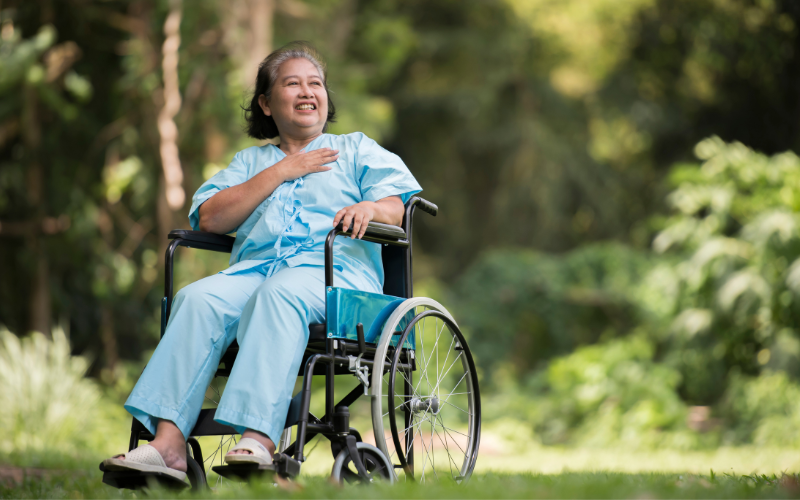
Physical and Mental Health Advantages
Maintaining independence can significantly amplify both physical function and mental well-being for older people. It promotes routine activity, which the World Health Organization associates with reduced risks for severe illnesses.
Living autonomously keeps seniors more involved in daily chores, encouraging improved mobility and strength. This active daily routine is crucial in deterring long-term care requirements by nurturing a healthier constitution.
Regarding mental health, independence often results in enhanced joy and fulfillment among older people. It aids in maintaining cognitive abilities, as participation in their meals and various domestic or community affairs stimulates their brain.
Independence also furnishes older individuals with the power to uphold social connections, vital for emotional balance as proposed by the Centers for Disease Control. These facets amalgamate to present a comprehensive strategy for preserving an admirable quality of life without excessive dependence on acute care services.
Enhancing a Sense of Purpose
Beyond the physical and mental health benefits, independence significantly adds value to the sense of purpose among elderly individuals. Living independently permits seniors to retain control of their own decisions, from trivial daily tasks to significant life choices.
This autonomy reinforces their self-esteem and societal importance. Partaking in activities of interest and managing facets of their care fosters a solid sense of competence.
Motivating older people to uphold an active role within their homes or communities actively encourages healthy aging and enriches their existence with significance. As seniors contribute through volunteer work or hobbies, they encounter a fulfilling sense of achievement.
These contributions, irrespective of their size, emphasize that age does not lessen one’s ability to impact meaningfully. Independence, particularly in the later stages of life, plays a critical role in maintaining this invaluable sense of purpose, thus demonstrating that sustaining autonomy can indeed improve the overall life quality for the elderly.
Conclusion
Maintaining independence as we move into our later years extends beyond a simple thought; it is a requirement for quality of life. Independence extends beyond merely living alone. It’s about making flexible decisions, controlling your schedule, and garnering respect.
Care homes serve a crucial role by offering assistance that respects an elder’s autonomy while providing necessary help.
For you or your beloved, adopting methods to foster independence can significantly improve the process of growing old. Independence is vital for seniors since it enhances physical and mental well-being, reinforces the sense of purpose, and safeguards dignity.
With thoughtful planning and assistance from care services like Vitality Home Care Agency, achieving independence becomes both conceivable and rewarding.
Check Our Latest Blog Posts
Vitamin B12 Foods for Older Adults: What to Eat and How Home Care Helps
Dental & Oral Care for the Elderly: Tips & Routines
Exercises for Arthritic Hands with Home Care
Memory Games for Seniors with Home Care Support
What Is Sundowning Dementia? Why People With Dementia Become More Agitated at Night
How Home Care Helps Reduce Loneliness After Bereavement
Hearing Aids for Elderly People: How Home Care Helps Day to Day
Senior Stretching Exercises: 5 Simple Bed Stretches to Start the Day
Heatwave Safety: How to Keep Elderly Parents Safe in Hot Weather